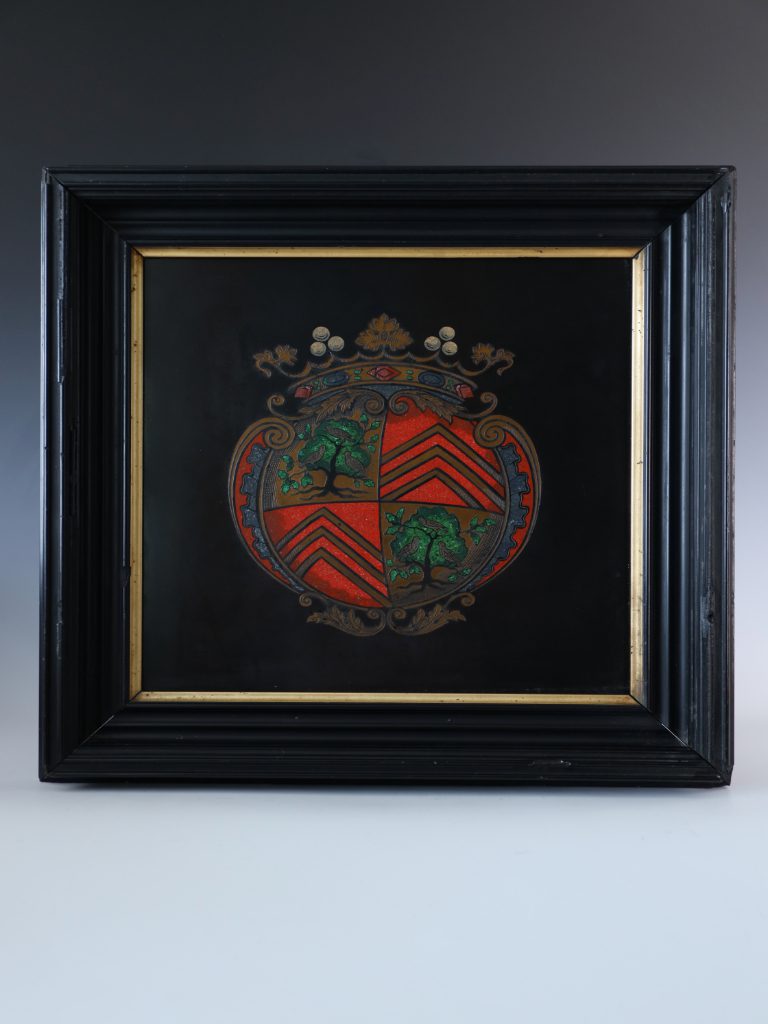

Original French Louis XV Coachbuilder’s Design for a Jeweller’s Trade Carriage, Dated 1769
£2,500.00
Description
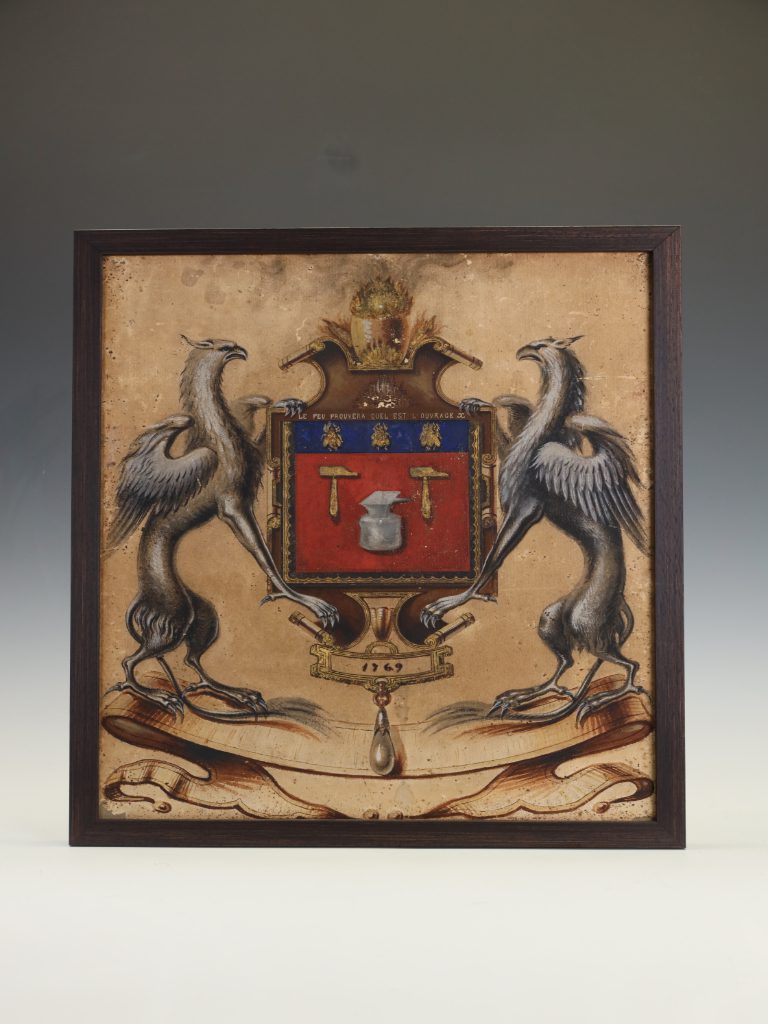
This exceptional and incredibly rare 18th-century design drawing represents a fascinating intersection of industrial design, social history, and the luxury trades of the Ancien Régime. Painted in gouache and ink on paper, then historically laid to thick artist's backing board, it serves as a coachbuilder's master pattern card or presentation proposal for a high-end commercial carriage (Voiture de Commerce).
Mainland UK Delivery Included

International Shipping
Delivery Leadtime
International delivery is estimated at 5-7 working days.
Full details will be confirmed during the ordering process.

Original French Louis XV Coachbuilder’s Design for a Jeweller’s Trade Carriage, Dated 1769
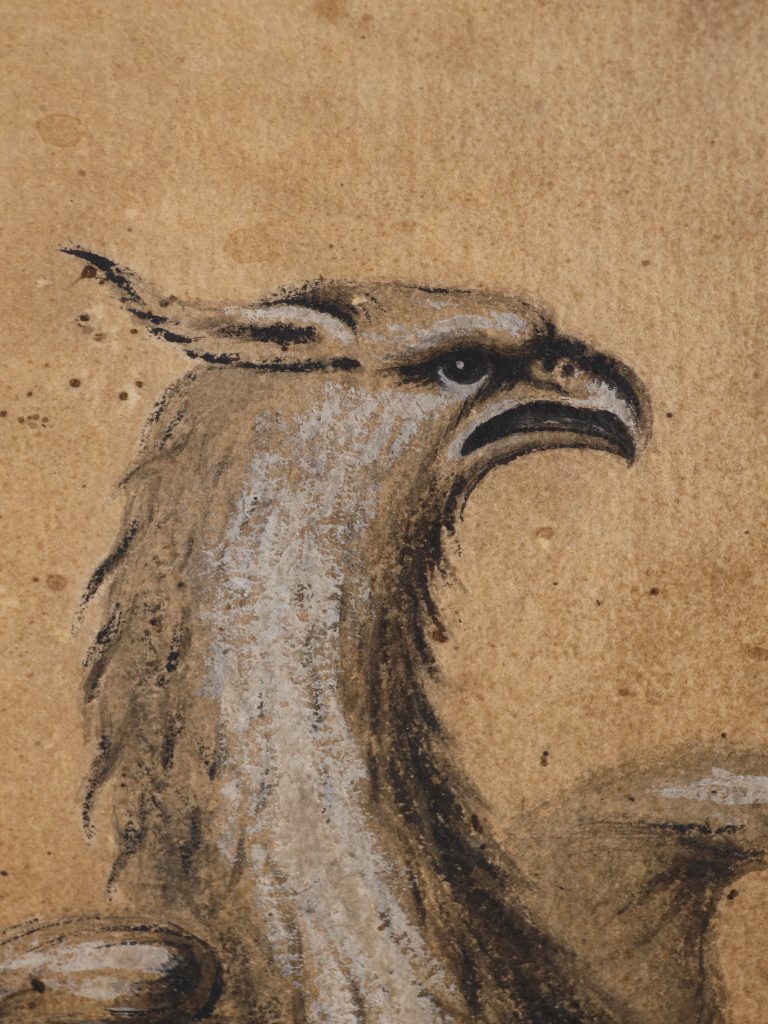
This exceptional and incredibly rare 18th-century design drawing represents a fascinating intersection of industrial design, social history, and the luxury trades of the Ancien Régime. Painted in gouache and ink on paper, then historically laid to thick artist's backing board, it serves as a coachbuilder's master pattern card or presentation proposal for a high-end commercial carriage (Voiture de Commerce).
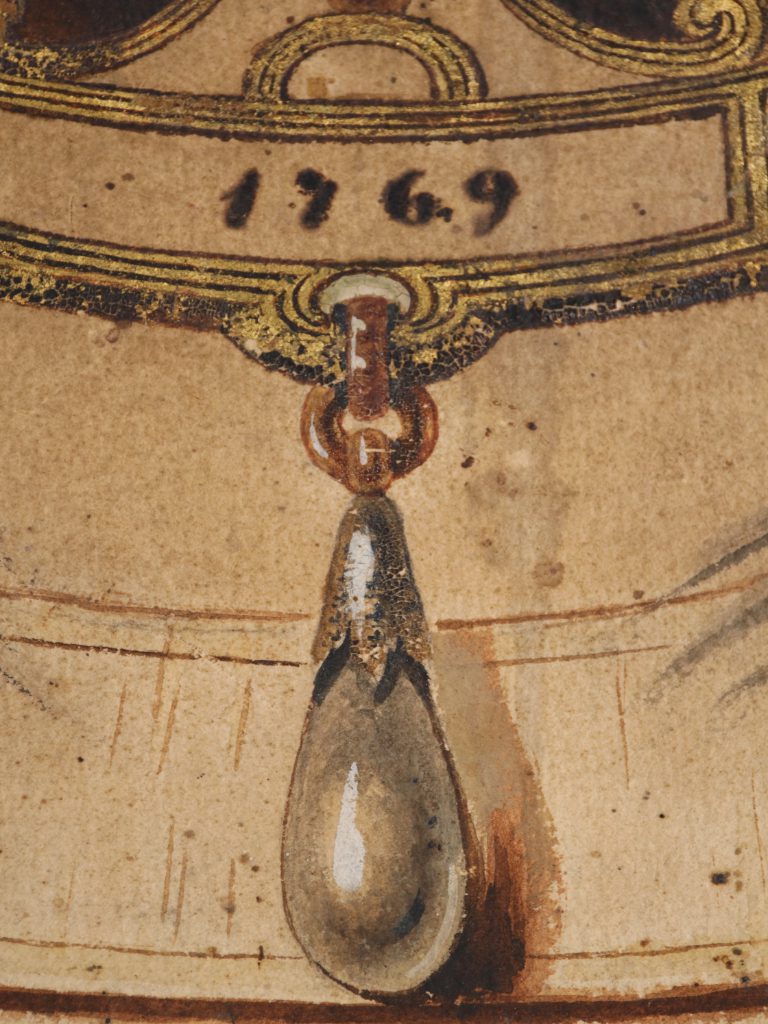
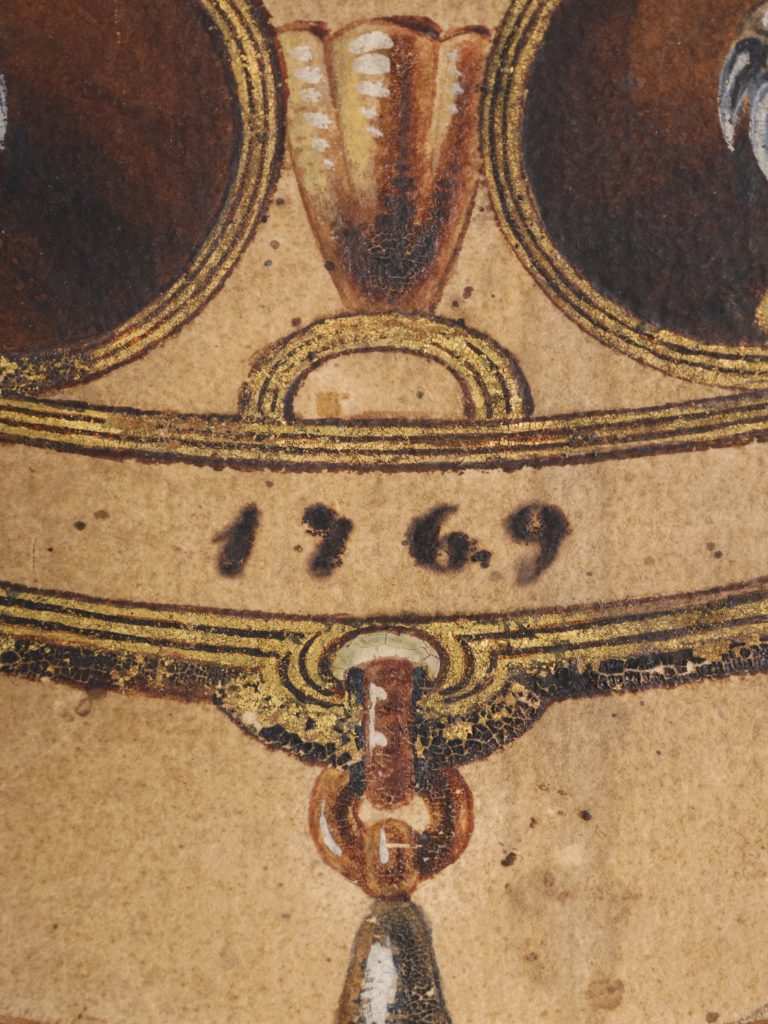
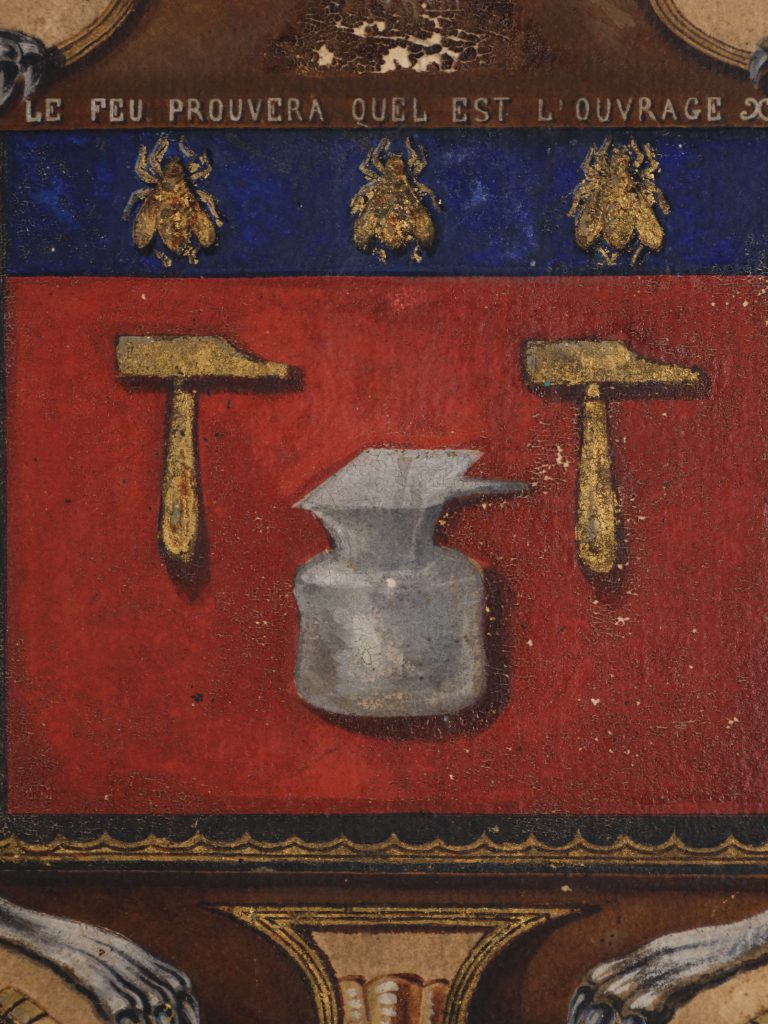
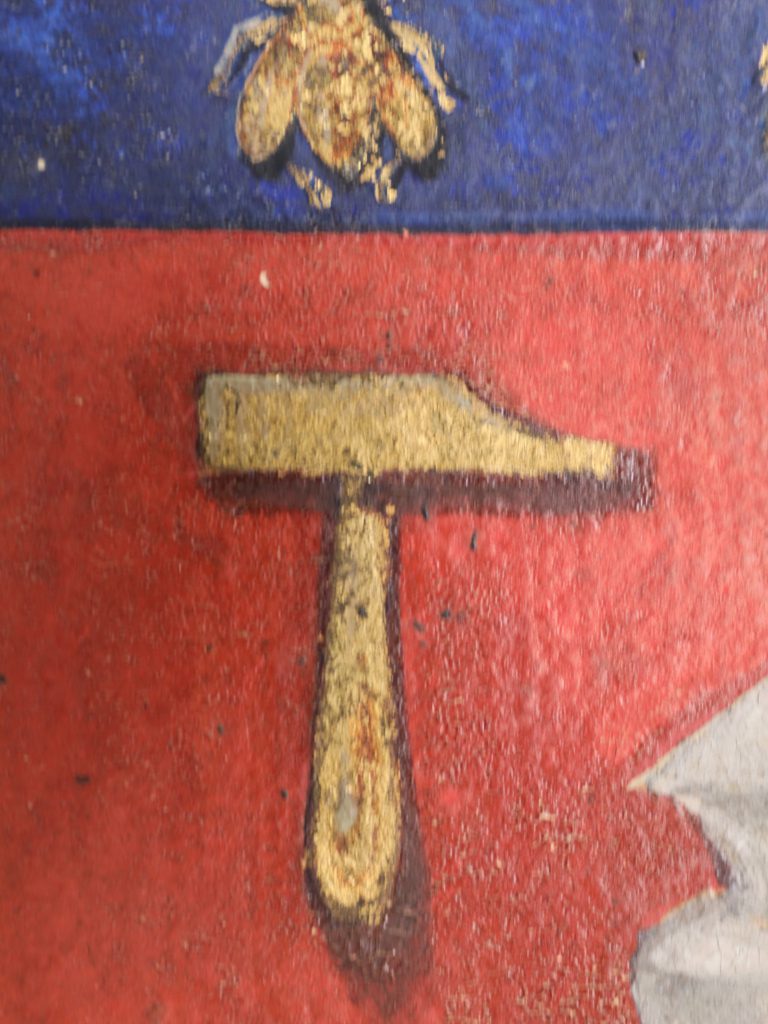
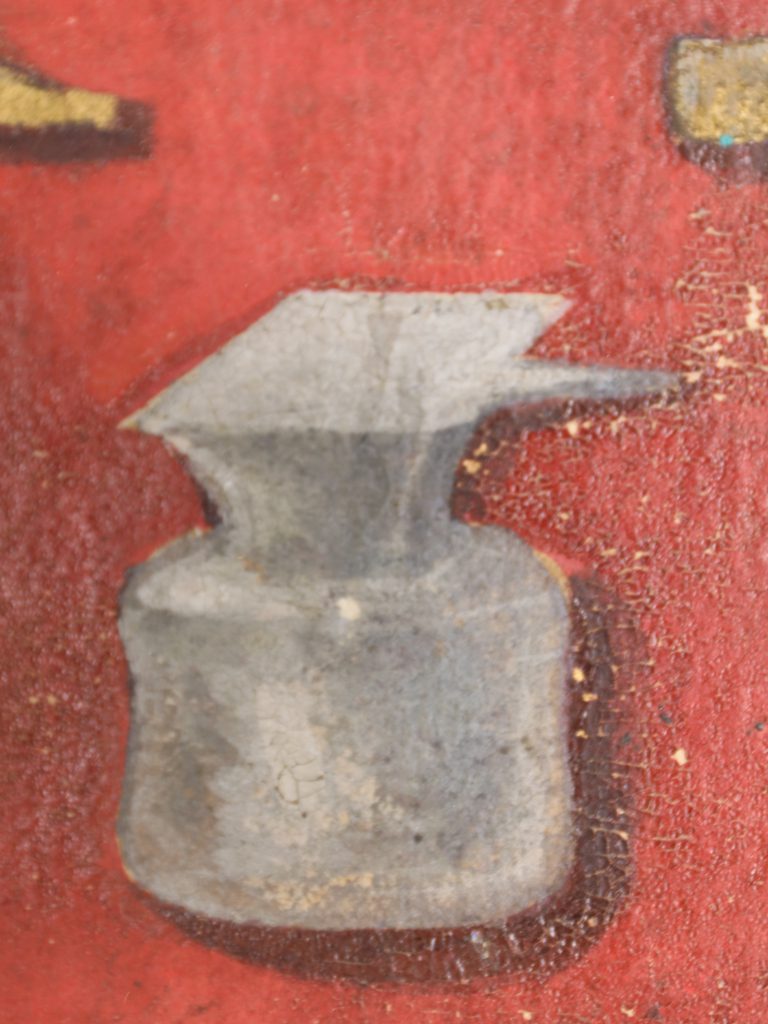
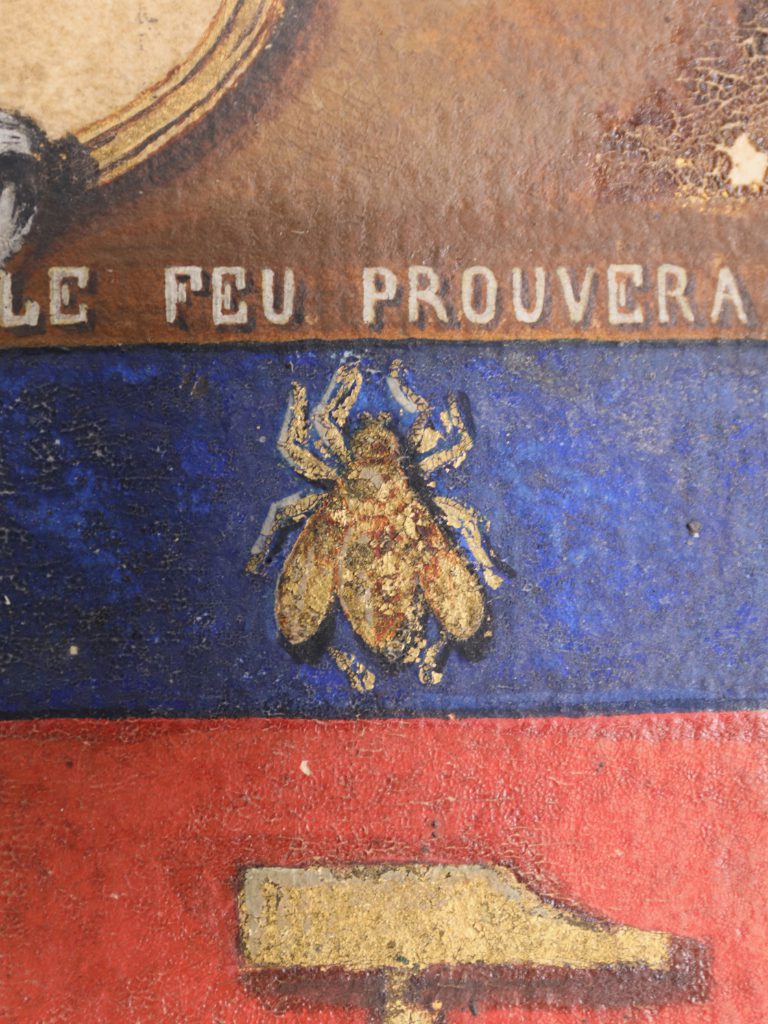
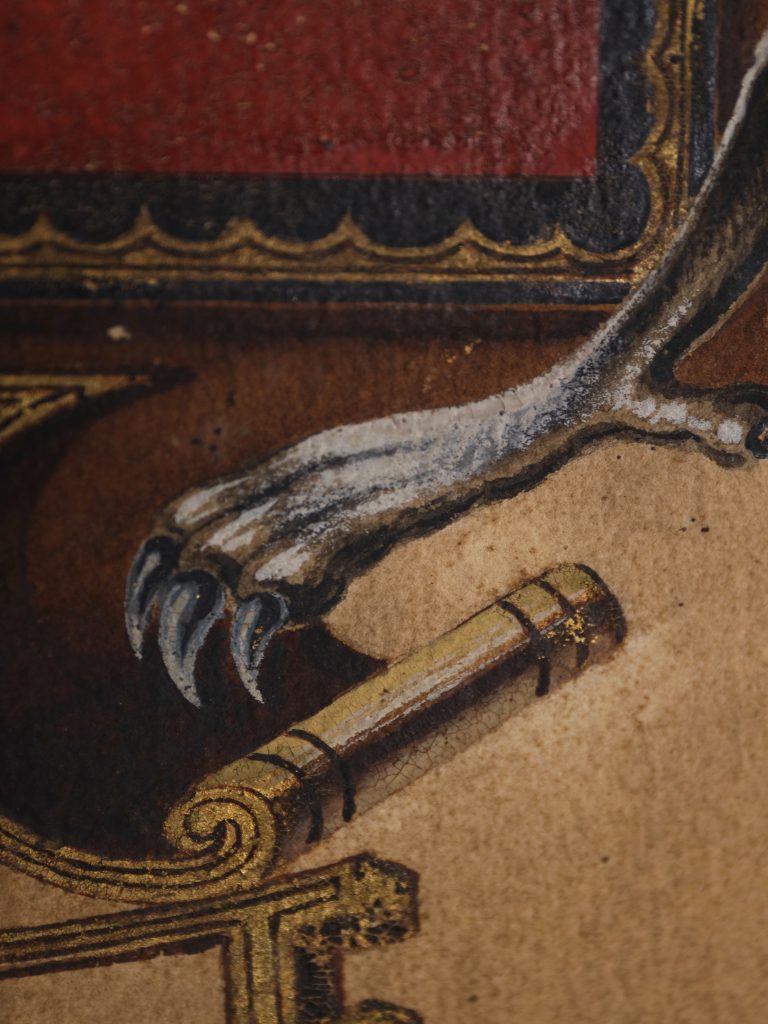
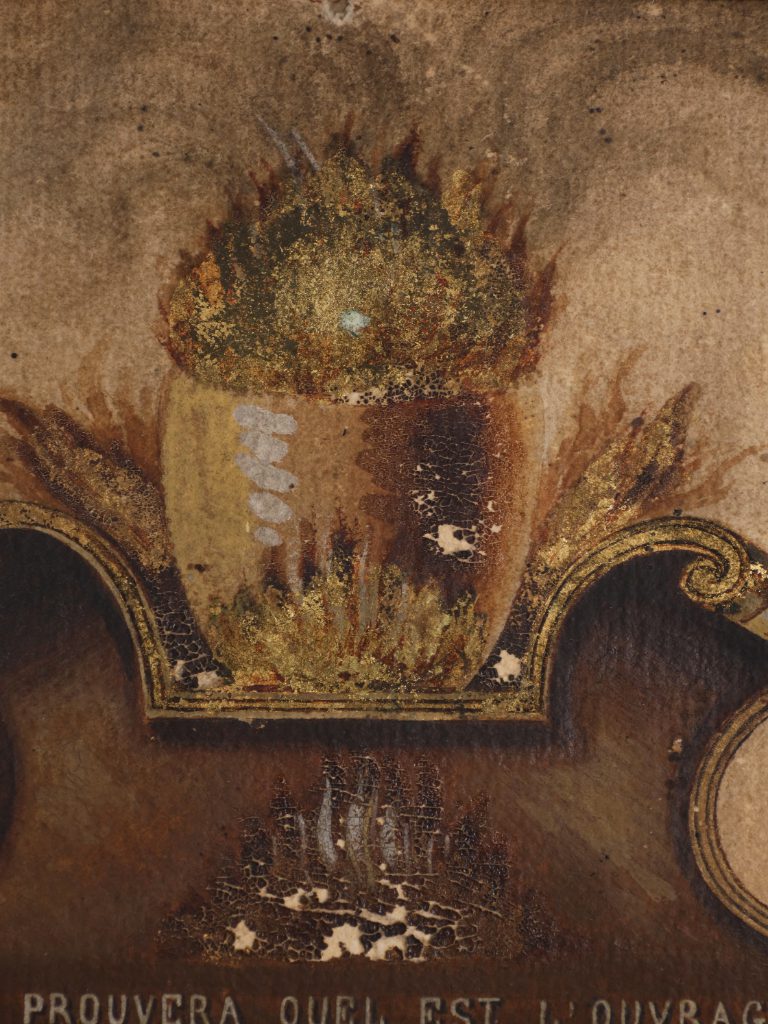
The central focus of the illustration is a meticulously rendered, luxury delivery carriage designed for an elite 18th-century French jewelry and goldsmithing establishment. The side panels are decorated with sophisticated heraldic and trade iconography. Crucially, the lower framework features explicit script reading "French Jewelry 1769", underscored by a distinct guild mark featuring two crossed hammers and a mangle (rolling press). In the 18th century, these heavy tools represented the rigorous craft of the Orfèvre-Joaillier (goldsmith-jeweler), who relied on rolling presses and precision hammers to flatten and shape sheets of gold and silver.
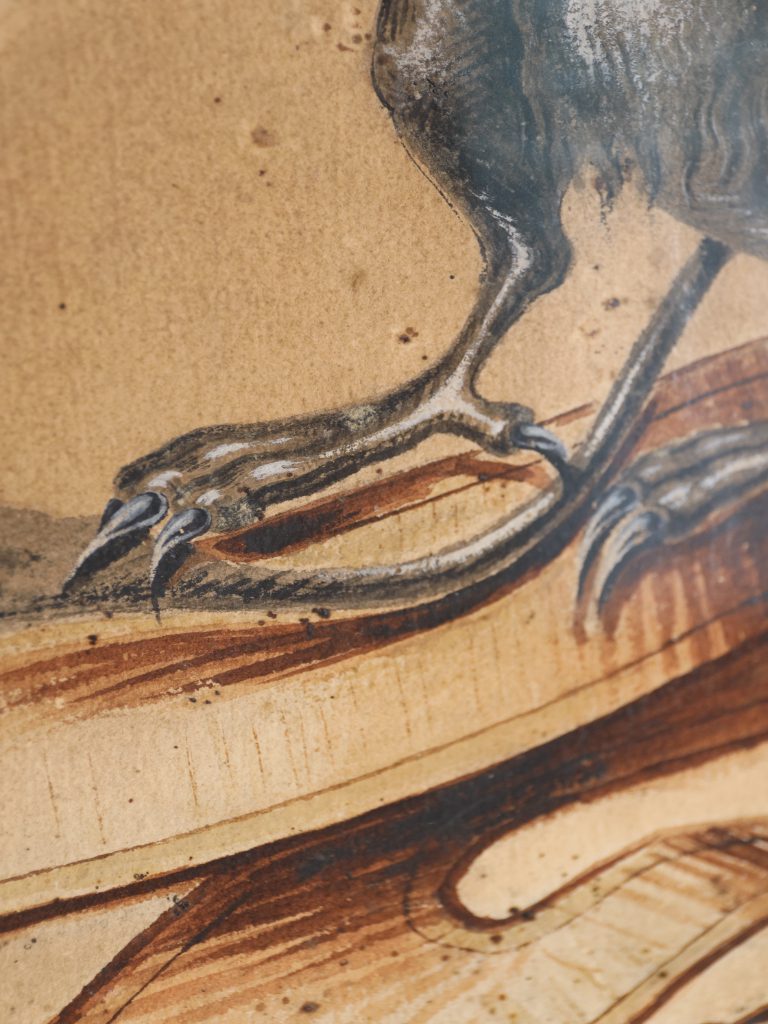
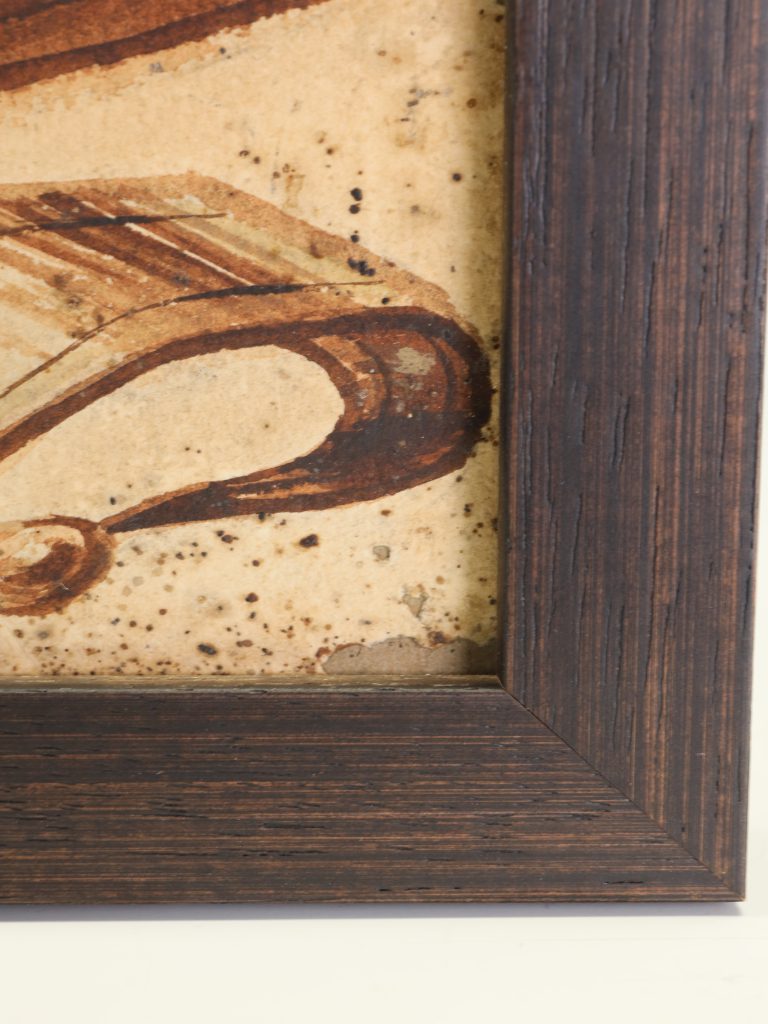
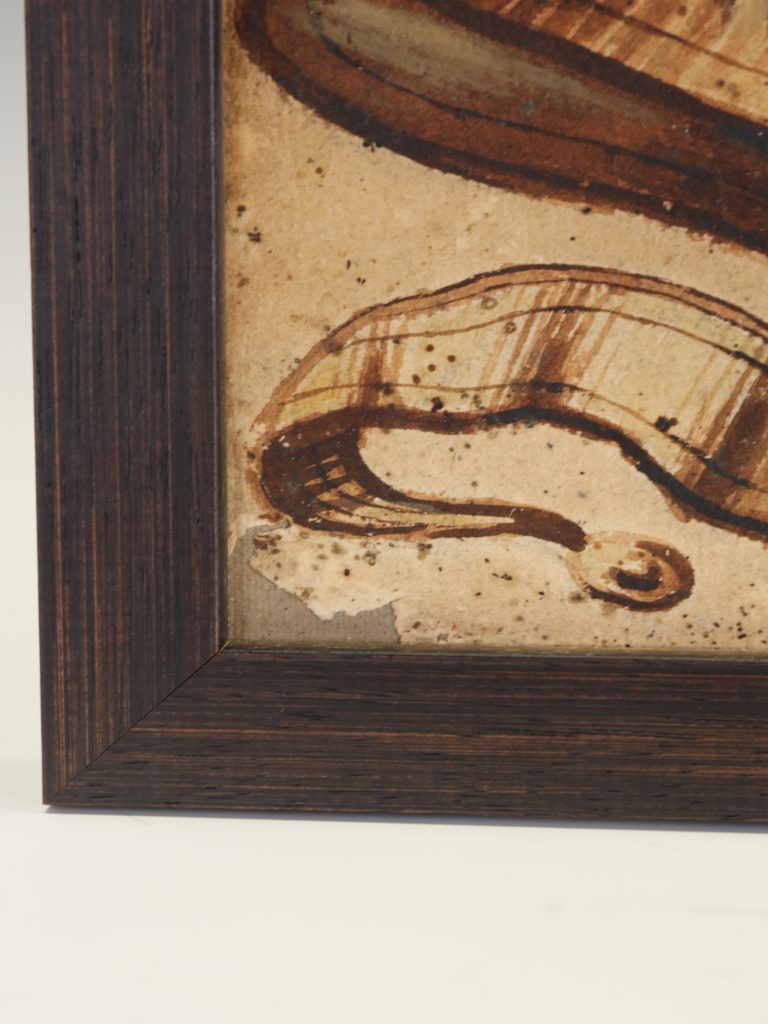
The execution is beautifully detailed, capturing the exact structural mechanics of the carriage, from the underslung leaf-suspension system and heavy iron-bound wheels to the secure, fully enclosed cab designed to safely transport precious materials through the streets of Paris.
History & Origin
Subject: Elite Trade Carriage Design for a Parisian Goldsmith & Jeweler
Date of Creation: Dated 1769
Origin: Paris, France
Medium: Gouache, watercolor, and ink on paper, historically laid to thick backing board.
Inscriptions: Inscribed "French Jewelry 1769" with hand-drawn guild emblems (two crossed hammers and a rolling mangle press) beneath.
Contextual Association: 1769 was a landmark year for French luxury trades. It marked the official appointment of Ange-Joseph Aubert as the Crown Jeweler (Joaillier de la Cour) to Louis XV, alongside a massive boom in luxury commissions for the King's new official mistress, Madame du Barry. High-end workshops utilized these secure, custom-branded carriages to transport bullion, workshop tools, and finished masterpieces between the Louvre workshops, the Royal Mint, and elite clients.
Dealer’s Comments
"This is a spectacular and vanishingly rare piece of social history. While we frequently see 18th-century drawings for royal passenger coaches, an original design for a commercial luxury trade vehicle, specifically for the French jewelry trade of 1769, is an absolute unicorn. The inclusion of the guild's technical tools (the mangle and hammers) directly alongside the jewelry inscription tells us this carriage was built for a major manufacturing workshop. It's an incredible piece of Ancien Régime marketing and prestige; it proves that even the delivery carts of Paris's top jewelers had to look as magnificent and refined as the treasures they carried inside. For a collector of French antiques, industrial design, or jewelry history, this is an archival-tier masterpiece."
Condition Report
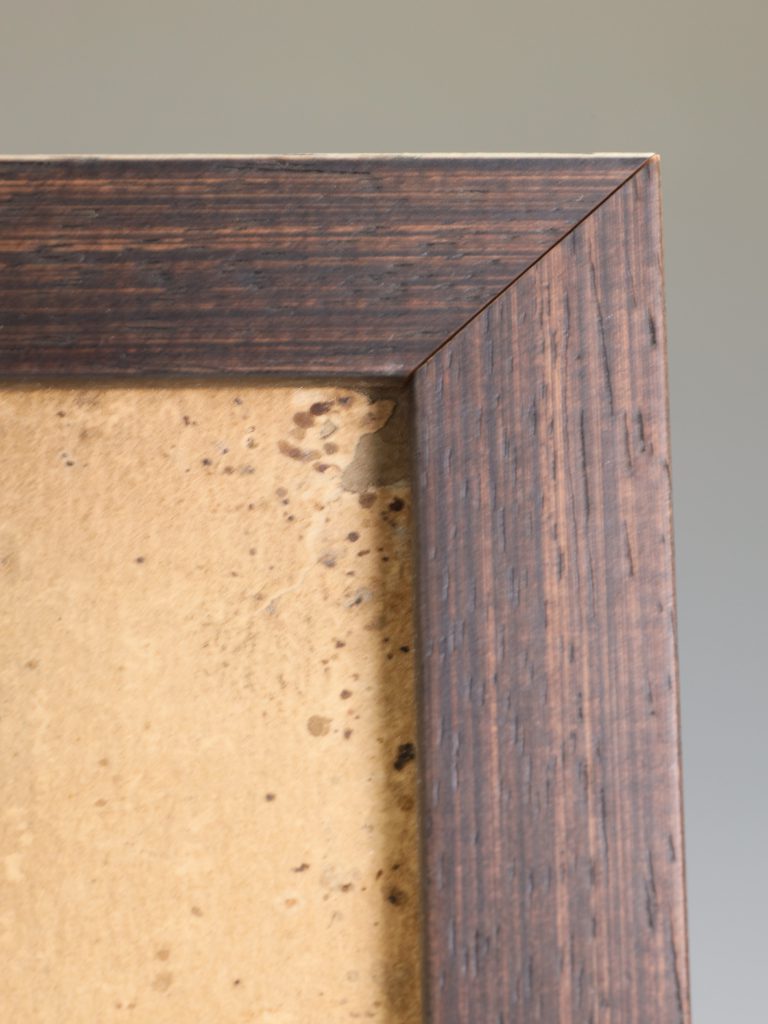
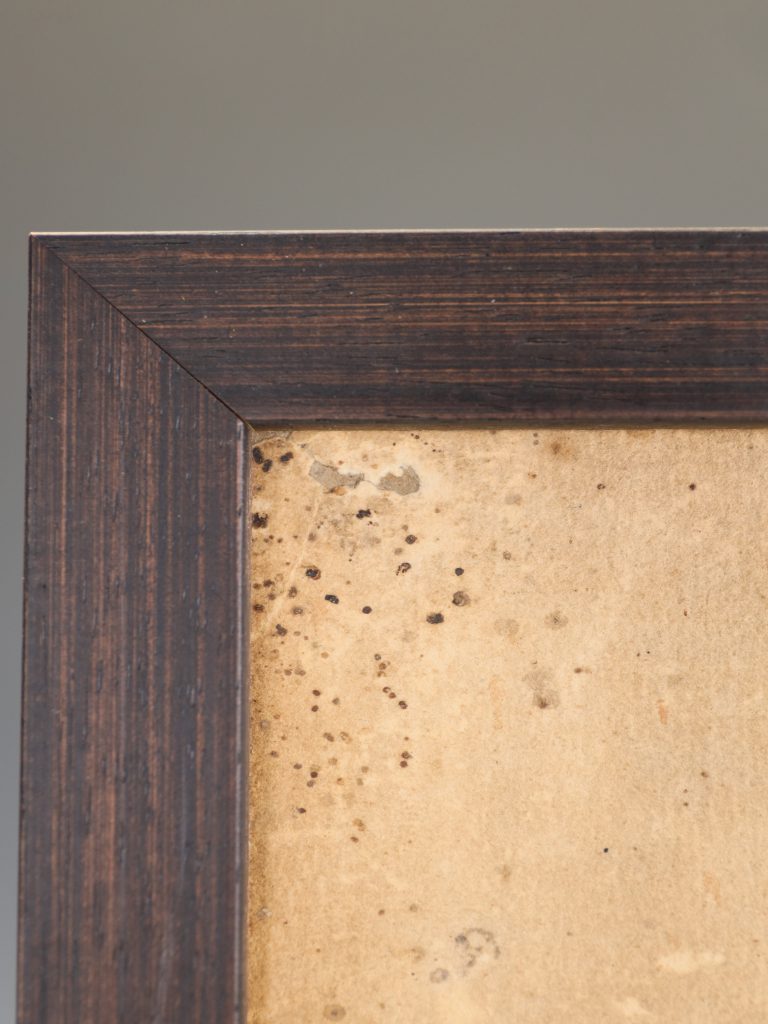
The drawing is in very good antique condition for a paper artifact of this age. The gouache and ink work remain wonderfully legible and crisp. The paper shows authentic, age-appropriate patination, including gentle surface toning, minor foxing, and historical edge wear consistent with a working artist’s pattern card. The original mounting to thick backing board remains entirely stable and flat, preserving the artwork beautifully for future framing.
To preserve this rare paper artifact for generations to come, we have professionally housed it within a bespoke exhibition frame utilising premium art glass. This ensures absolute clarity with minimal reflection while offering maximum protection from UV light damage.
Measurements
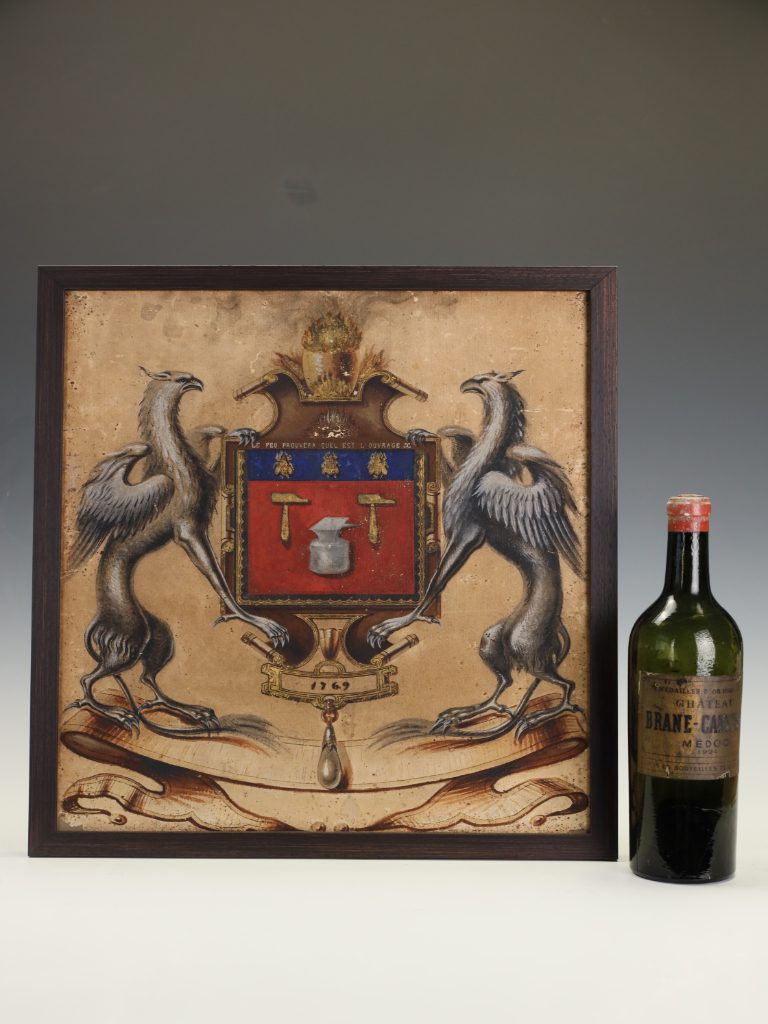
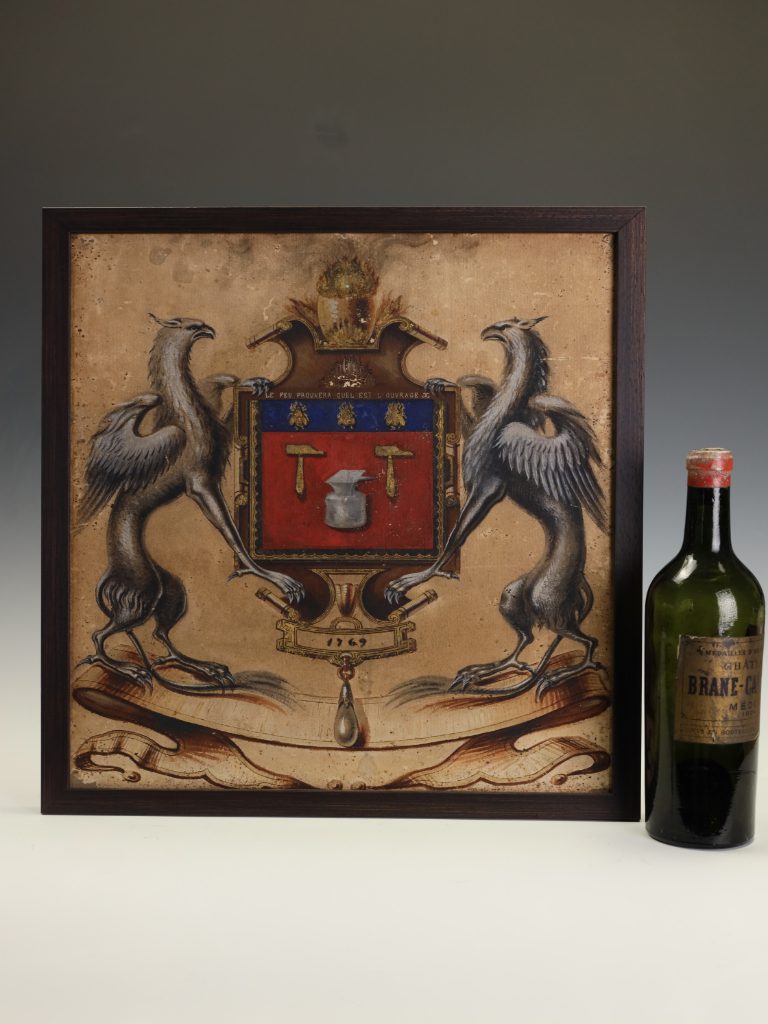
Height: 50 cm / 19.7 inch
Width: 44 cm / 17.3 inch
Depth: 2 cm / 0.8 inch
Weight: 1.8 k.g. / 4 lbs
Size of painting without frame:
46 cm x 40 cm
Cleaning, Polishing & Restoration
All our collections have been through our workshop and where possible, we always try to maintain the original finish preserving the patina and colour, some items are sympathetically restored and this is done by our own skilled craftsmen using only traditional methods