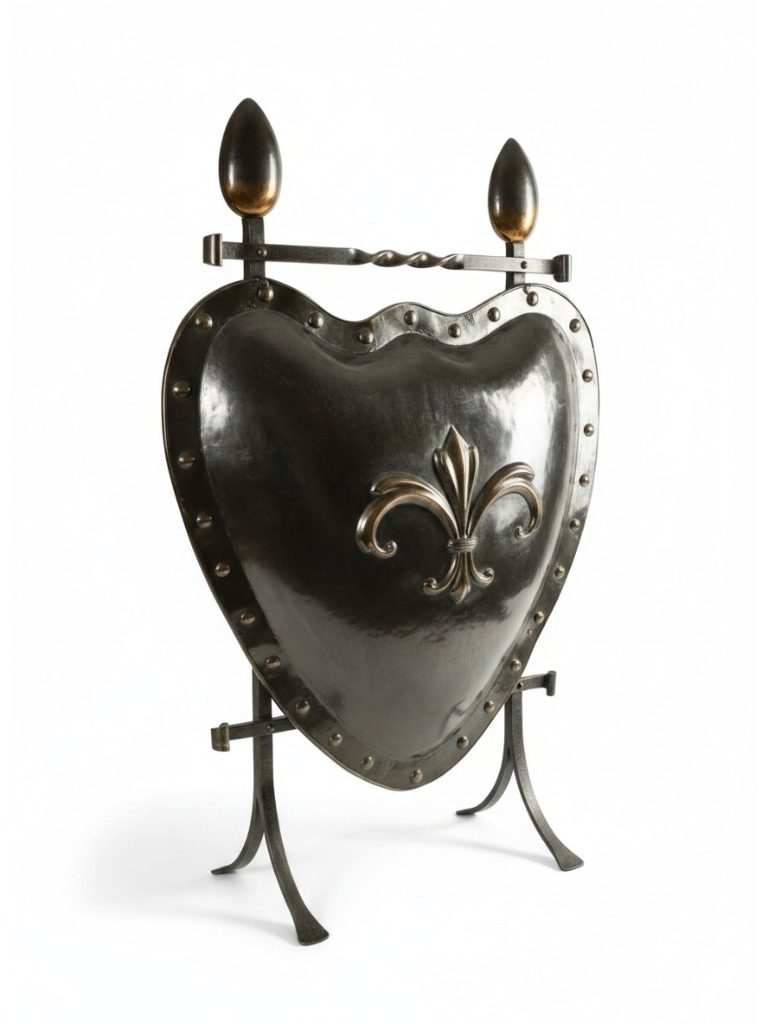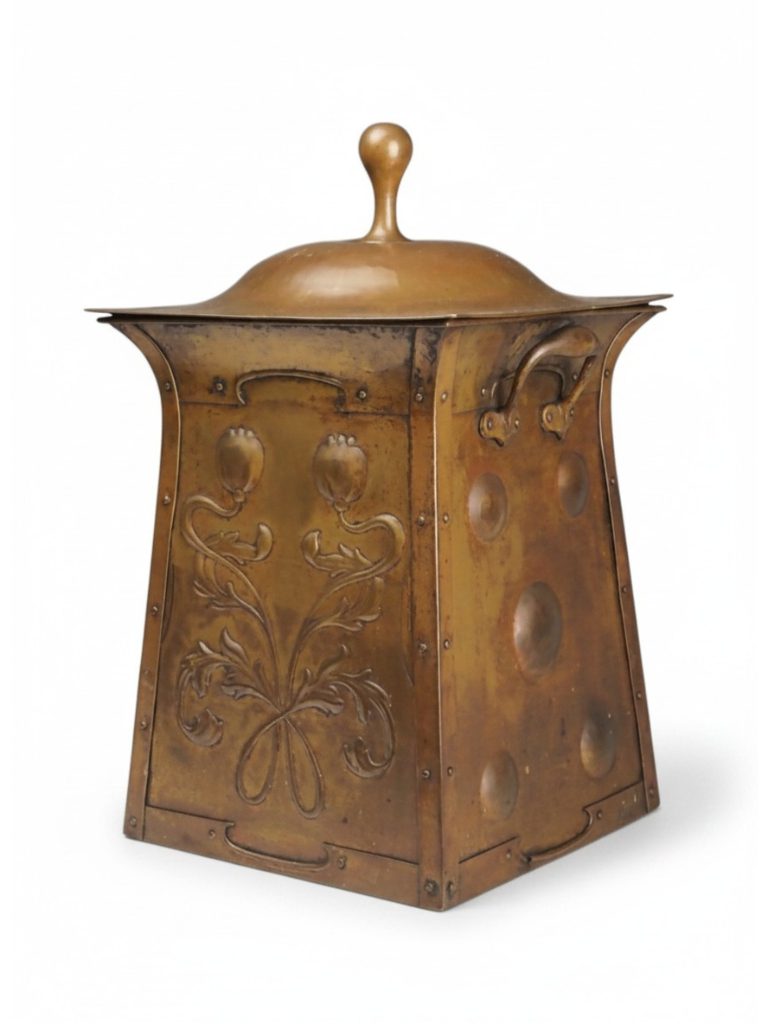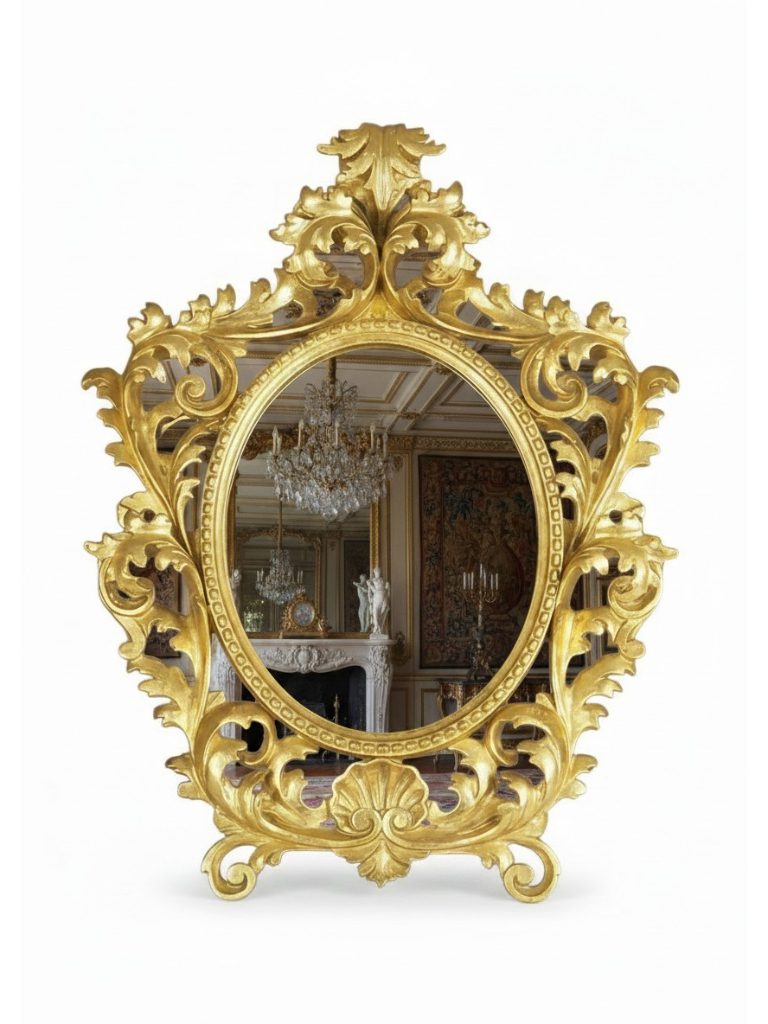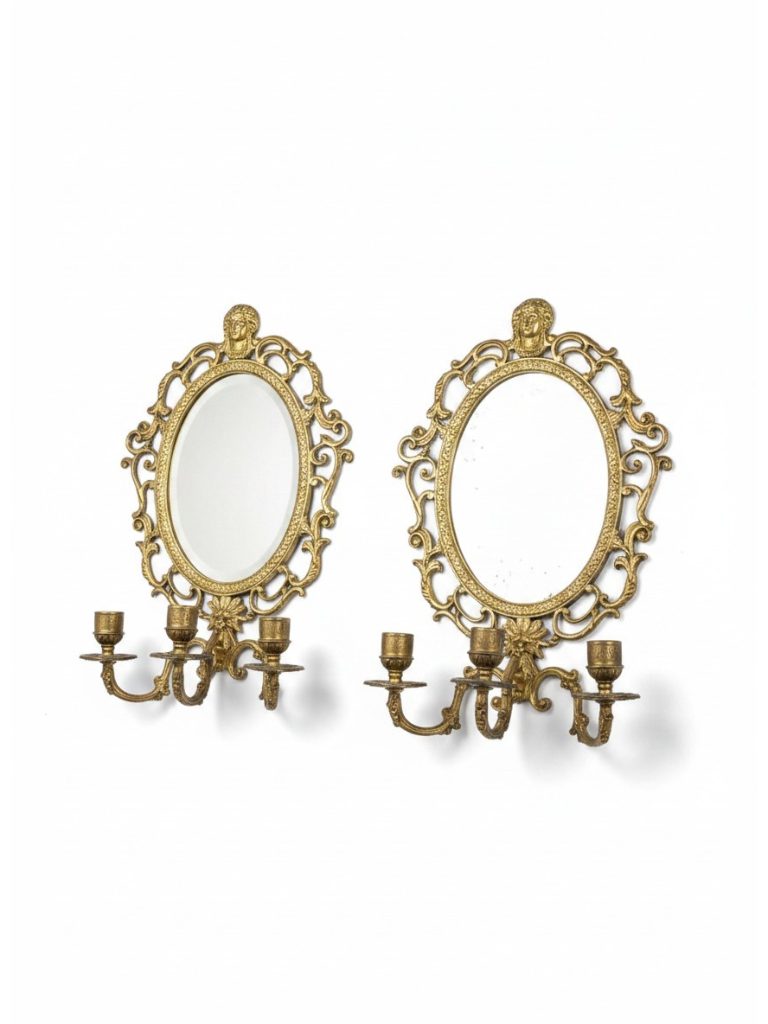


Antique lovers and collectors often refer to the period dates as a way of establishing the age and value of a particular item. But what exactly are antiques' period dates, and how do they help in identifying and authenticating antiques? In this blog post, we'll delve into the history of antiques' period dates and their exact time in history. Whether you're a seasoned collector or just starting, this guide is sure to provide valuable insights into the fascinating world of antique period dates.
The 16th century was a period of vigorous economic expansion. This expansion in turn played a major role in the many other transformations—social, political, and cultural—of the early modern age. By 1500 the population in most areas of Europe was increasing after two centuries of decline or stagnation.
1558-1603 – Elizabeth I – Elizabethan
The 17th century was a period of great turbulence in British history and this was reflected in art and design. The period began with the ending of the Tudor dynasty and the rise of the Stuarts. In the middle of the century, the Civil War and the execution of Charles I saw Puritanism take hold.
1603-1625 – James I – Jacobean
1625-1649 – Charles I – Carolean
1649-1660 – Commonwealth – Cromwellian
1660-1685 – Charles II – Restoration
1685-1689 – James II – Restoration
1689-1694 – William & Mary – William & Mary
1694-1702 – William III – William III
The 18th century was also part of the "The Age of Enlightenment," a historical period characterised by a shift away from traditional religious forms of authority and a move towards science and rational thought. The effects of the 18th-century Enlightenment led to the American Revolutionary War and the French Revolution.
1702-1714 – Anne – Queen Anne
1714-1727 – George I – Early Georgian
1727-1760 – George II – Early Georgian
1760-1800 – George III – Late Georgian
1800-1820 – George III – Regency
1820-1830 – George IV – Regency
1830-1837 – William IV – William IV
1837-1901 – Victoria – Victorian
1837-1880 – Early Victorian
1860-1880 – Mid-Victorian
1860-1900 – Late 19th Century
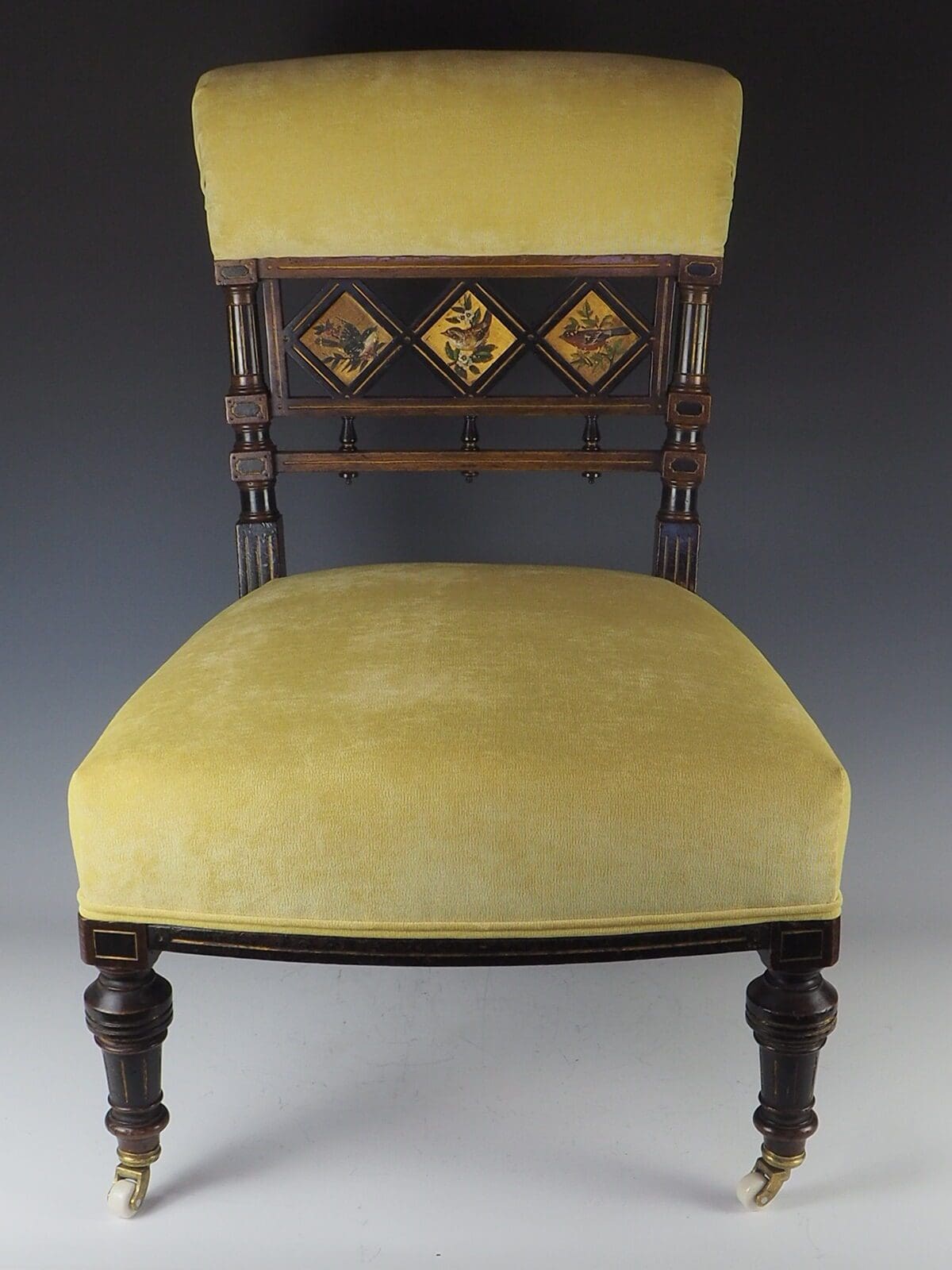
1868-1895 – Aesthetic
1880-1901 – Late Victorian
1880-1900 - Arts & Crafts
1895-1920 - Art Nouveau
The 20th (twentieth) century began on January 1, 1901, and ended on December 31, 2000 The 20th century was dominated by significant events that defined the modern era: the Spanish flu pandemic, World War I and World War II, nuclear weapons, nuclear power and space exploration, nationalism and decolonization, technological advances, and the Cold War and post-Cold War conflicts. These reshaped the political and social structure of the globe.
1901-1910 – Edward VII – Edwardian
1910-1936 - George V
1920-1930 - Art Deco
1936-1952 – George VI
1950-1979 - Mid Century Modern Retro