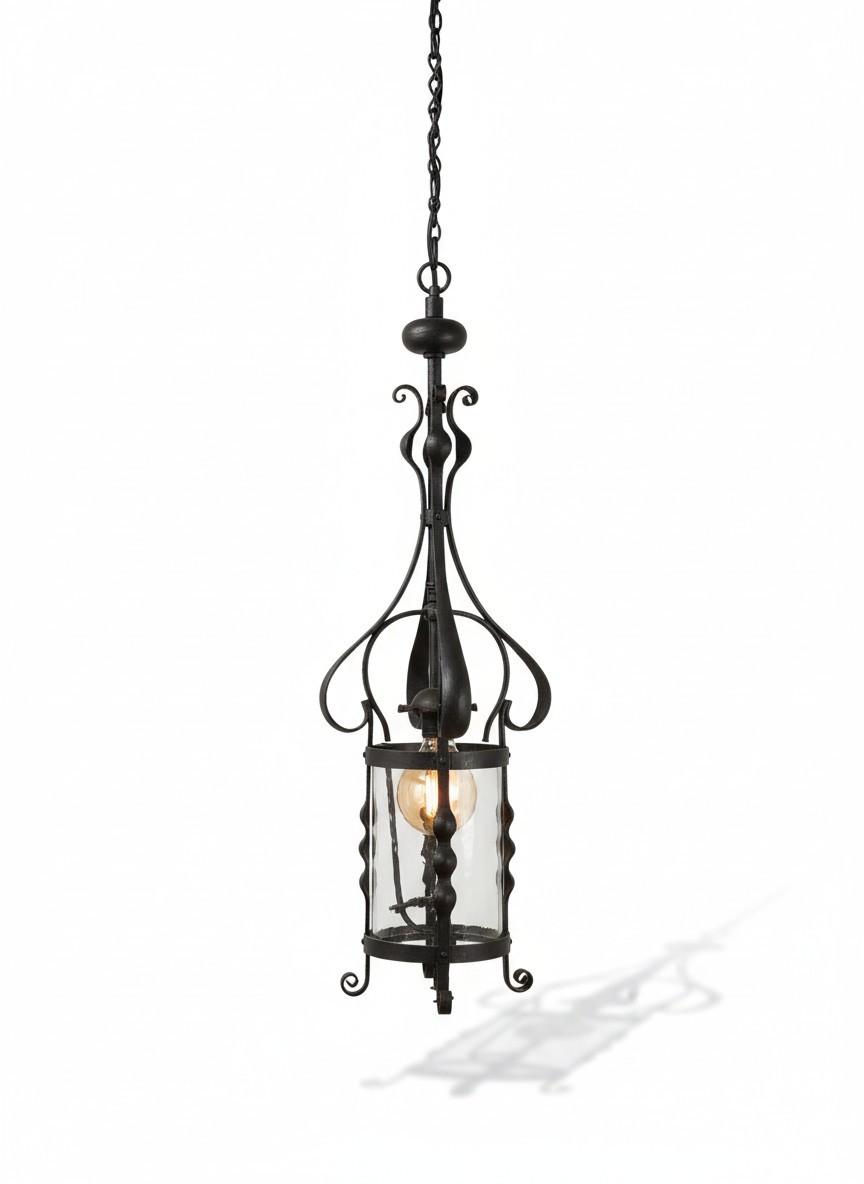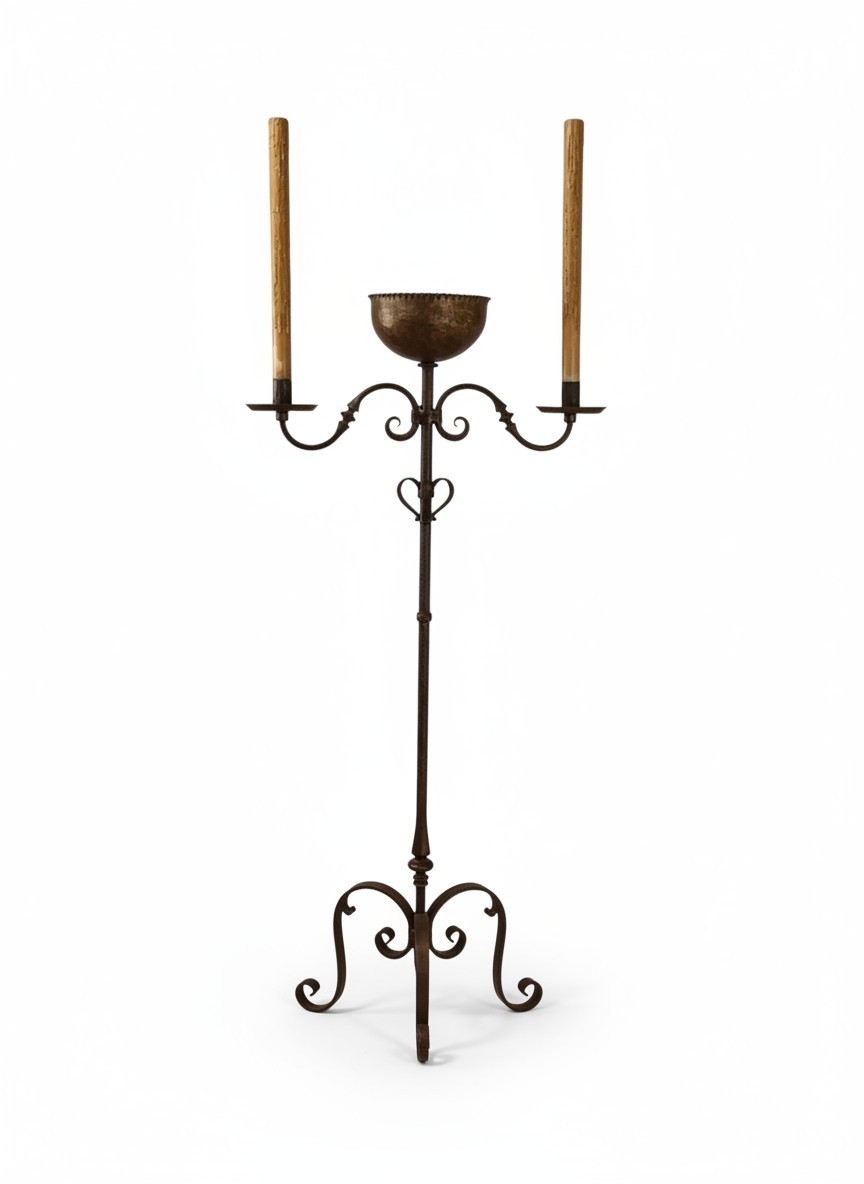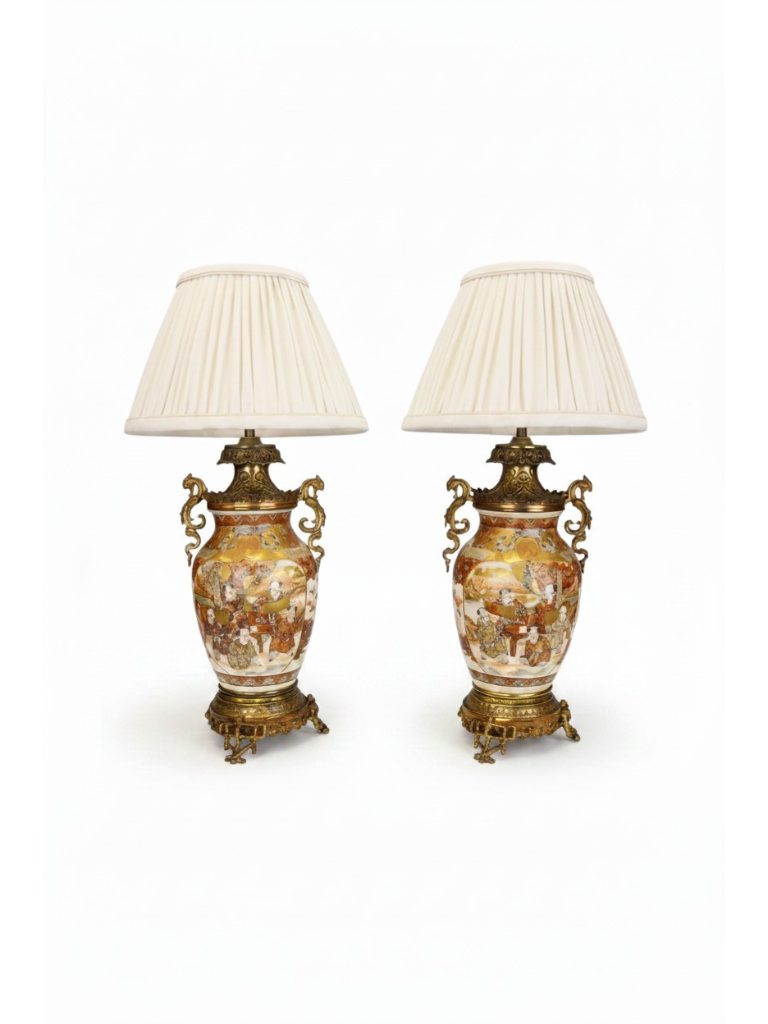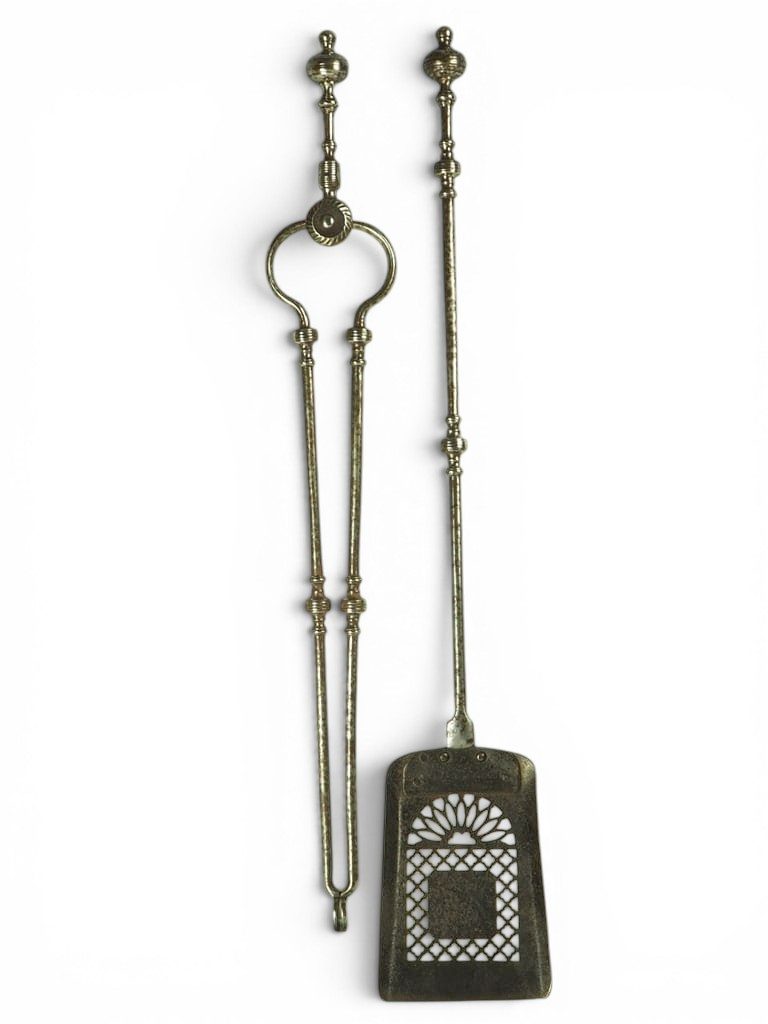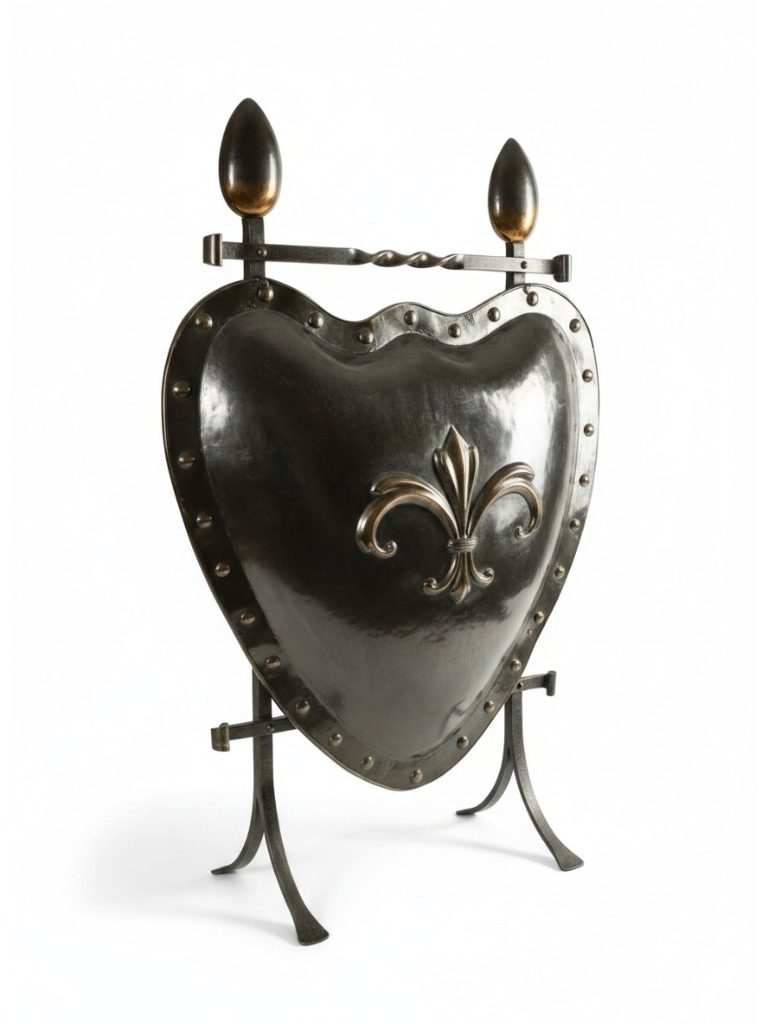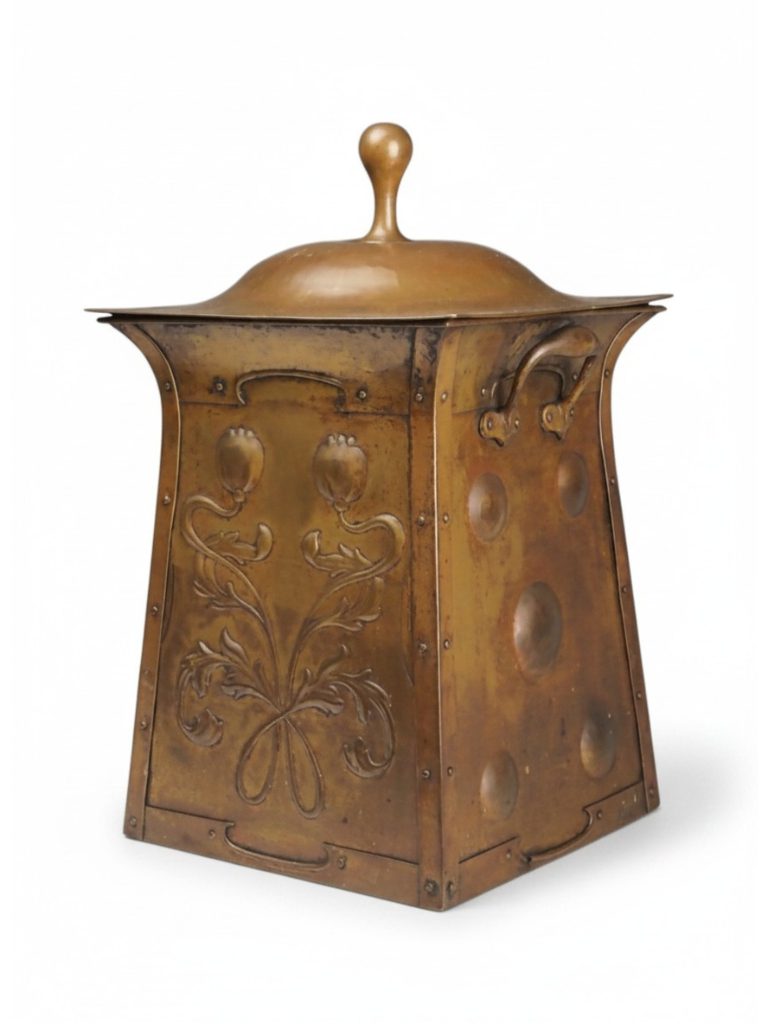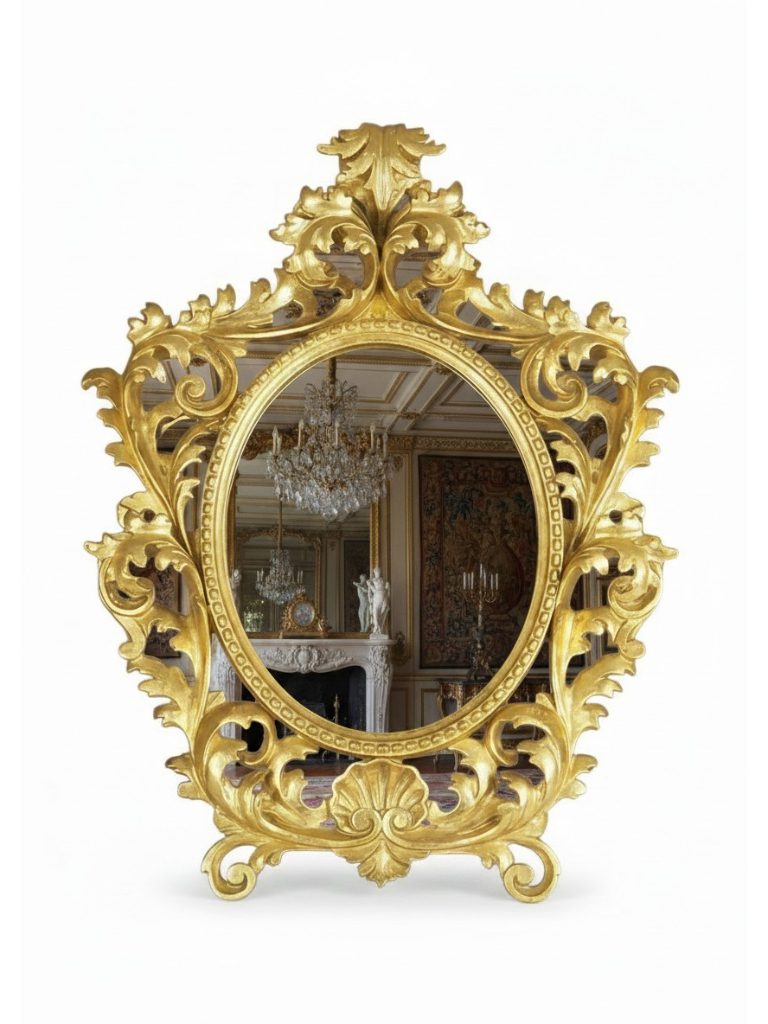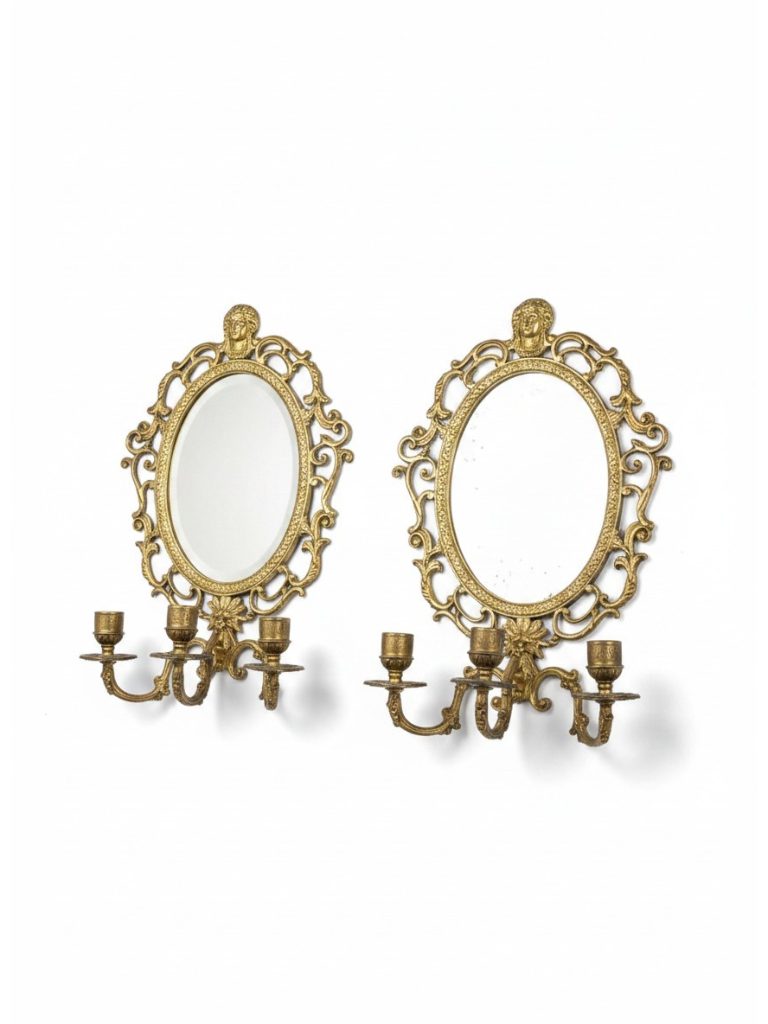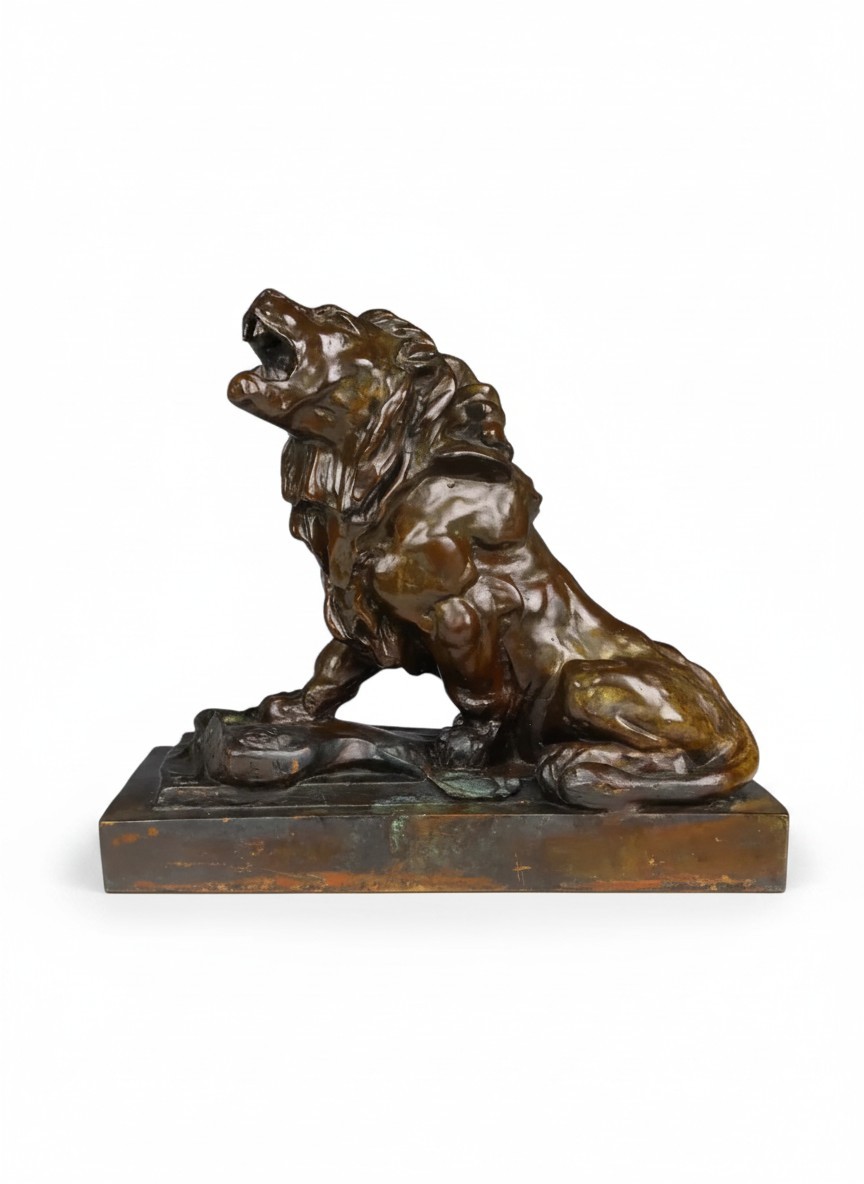
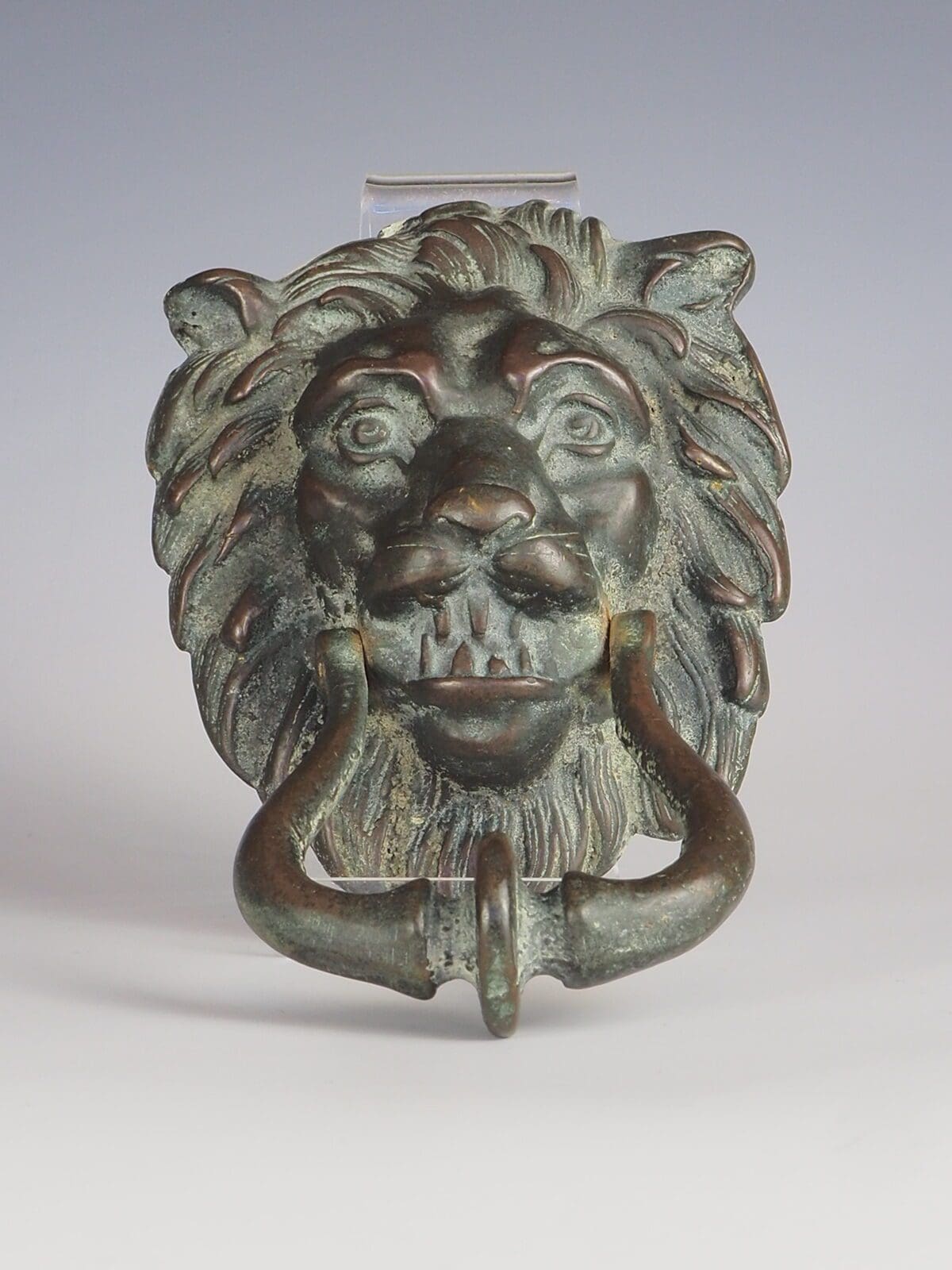

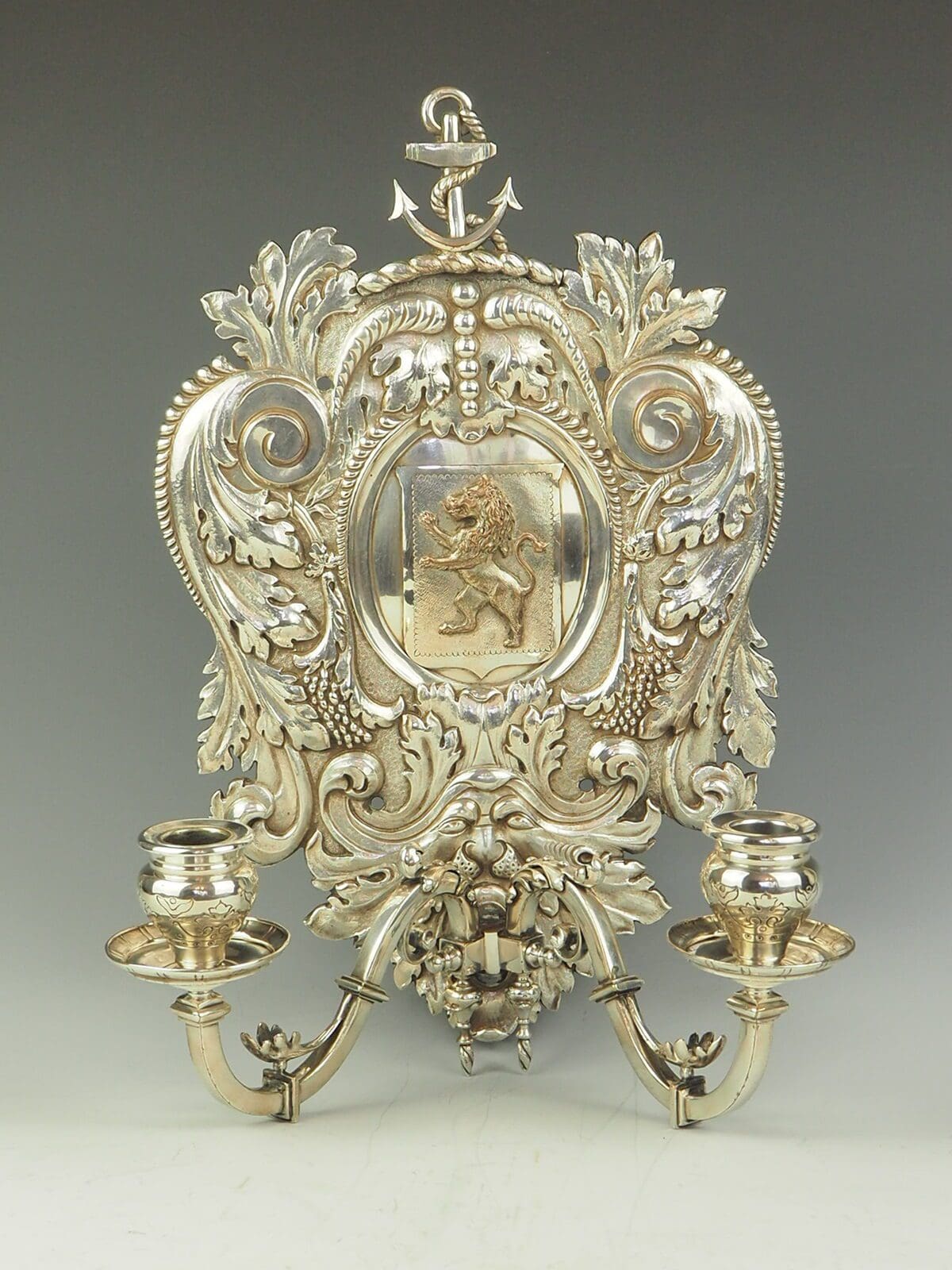
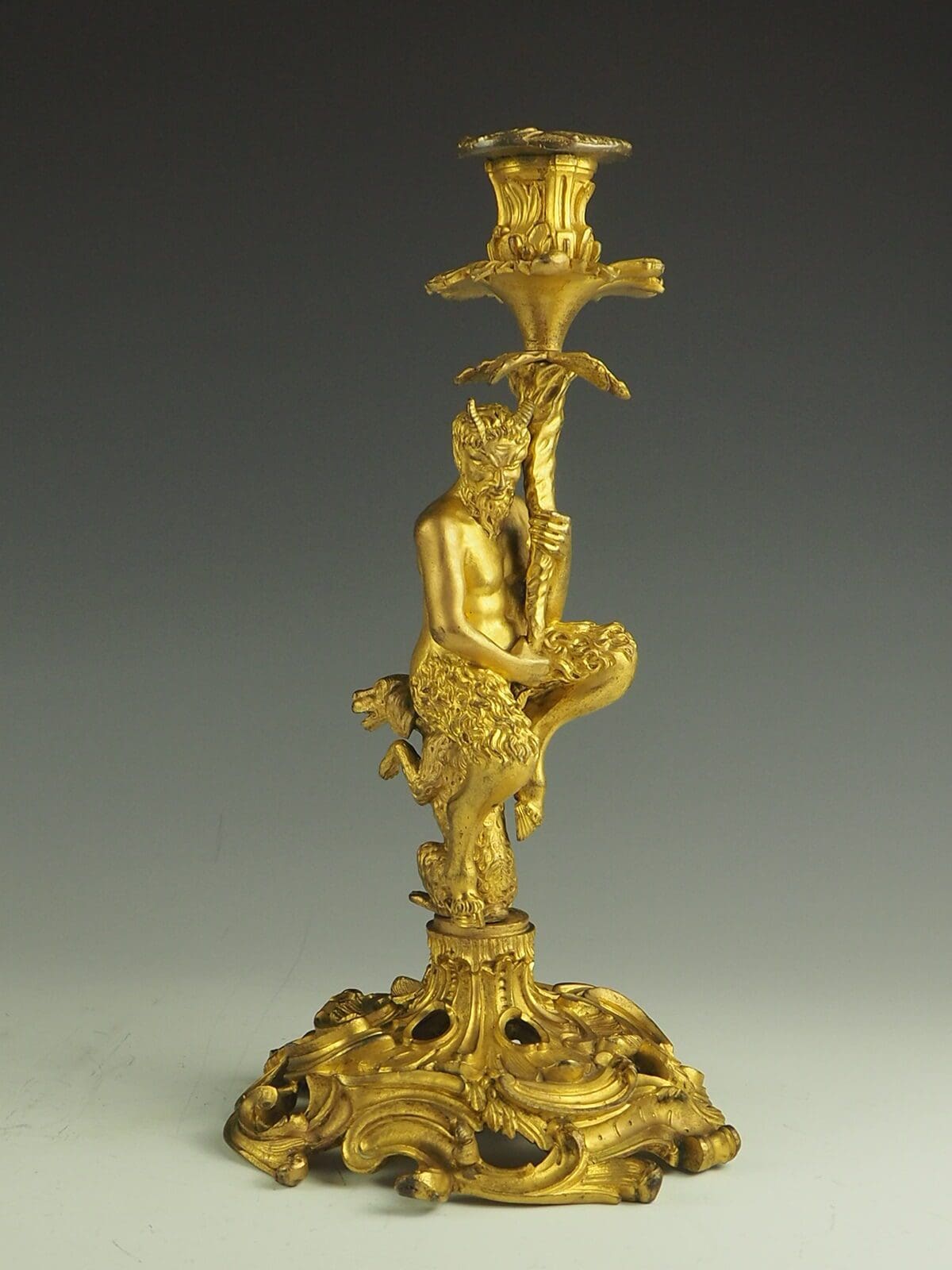
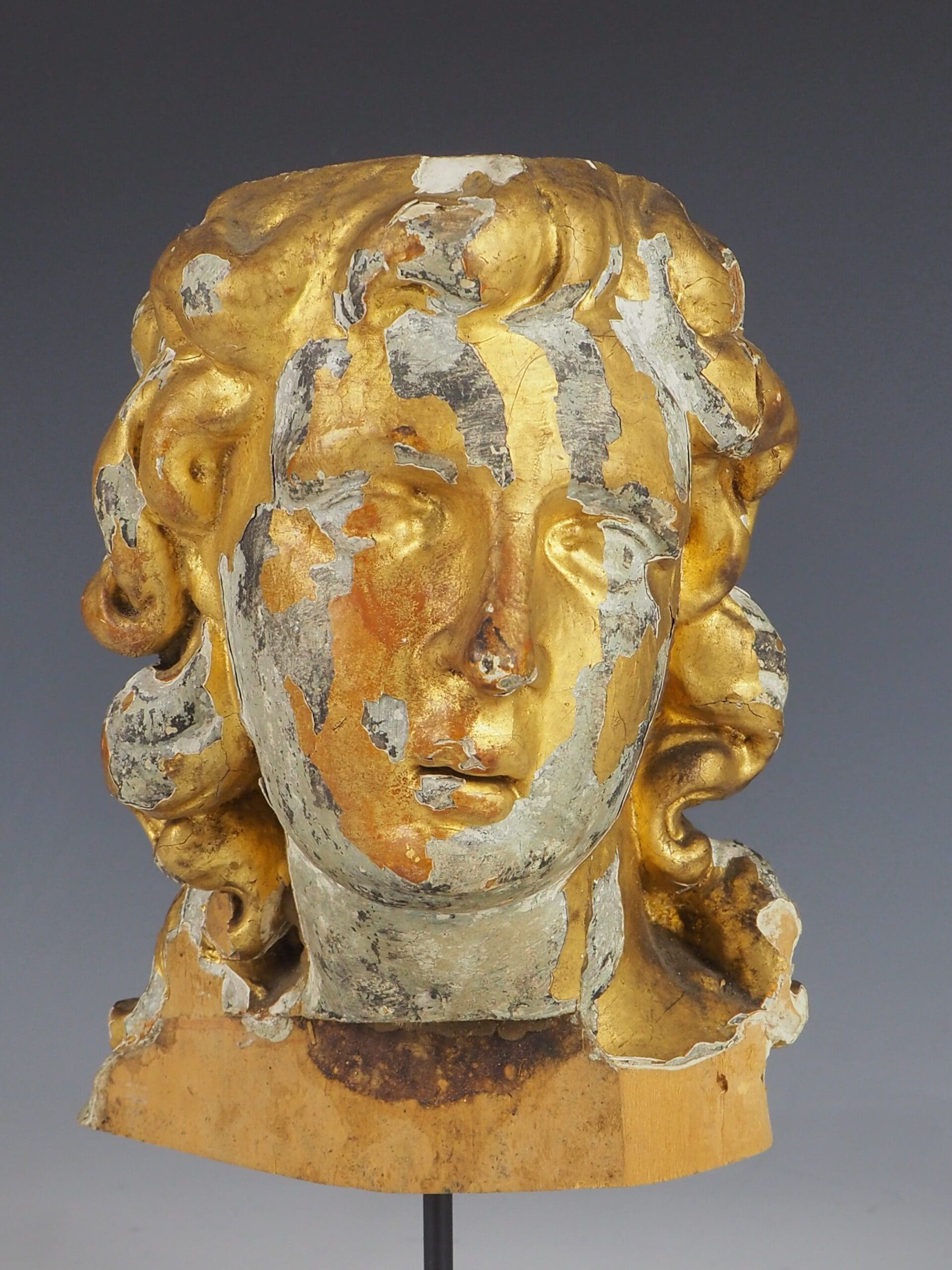
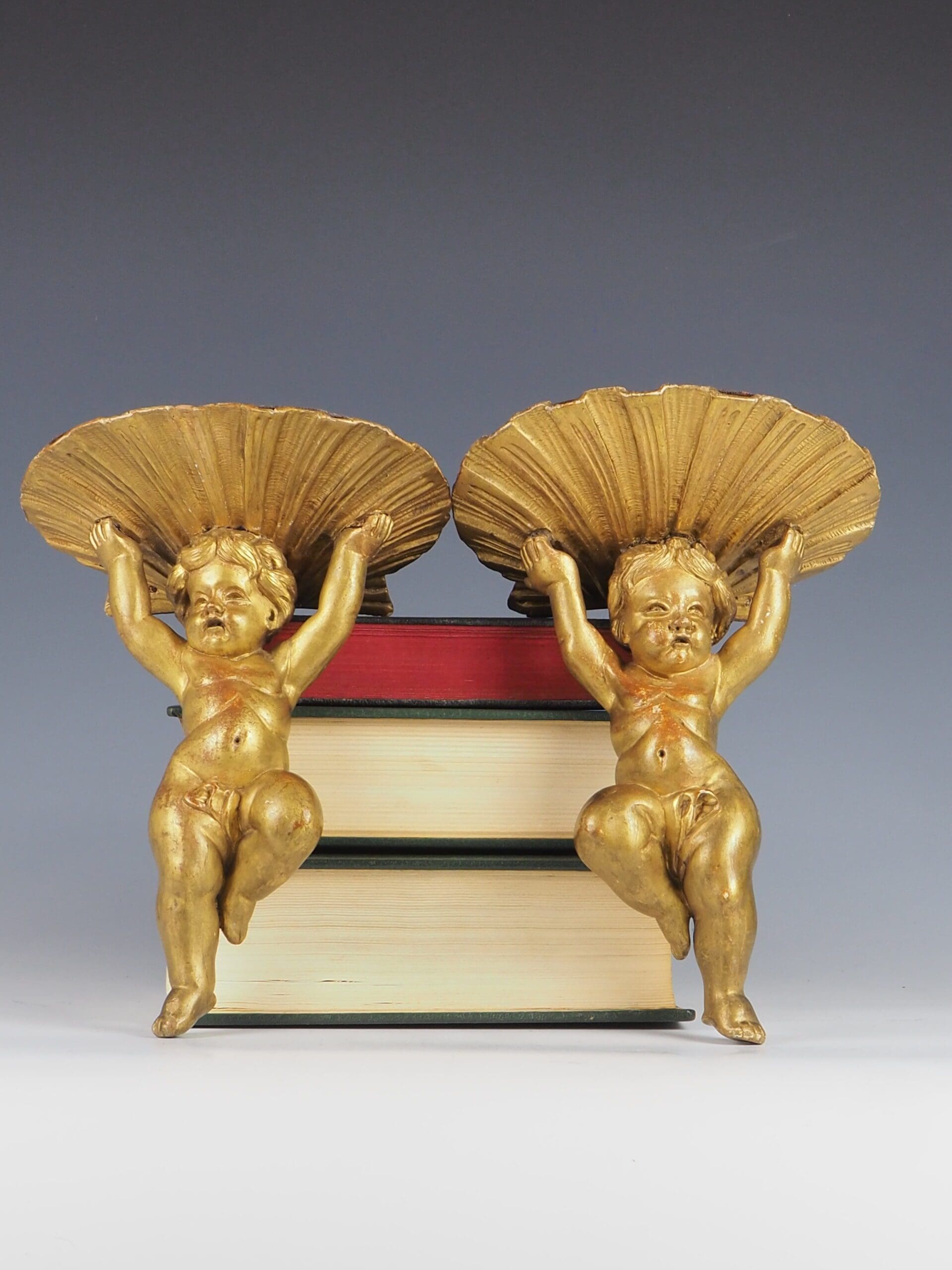
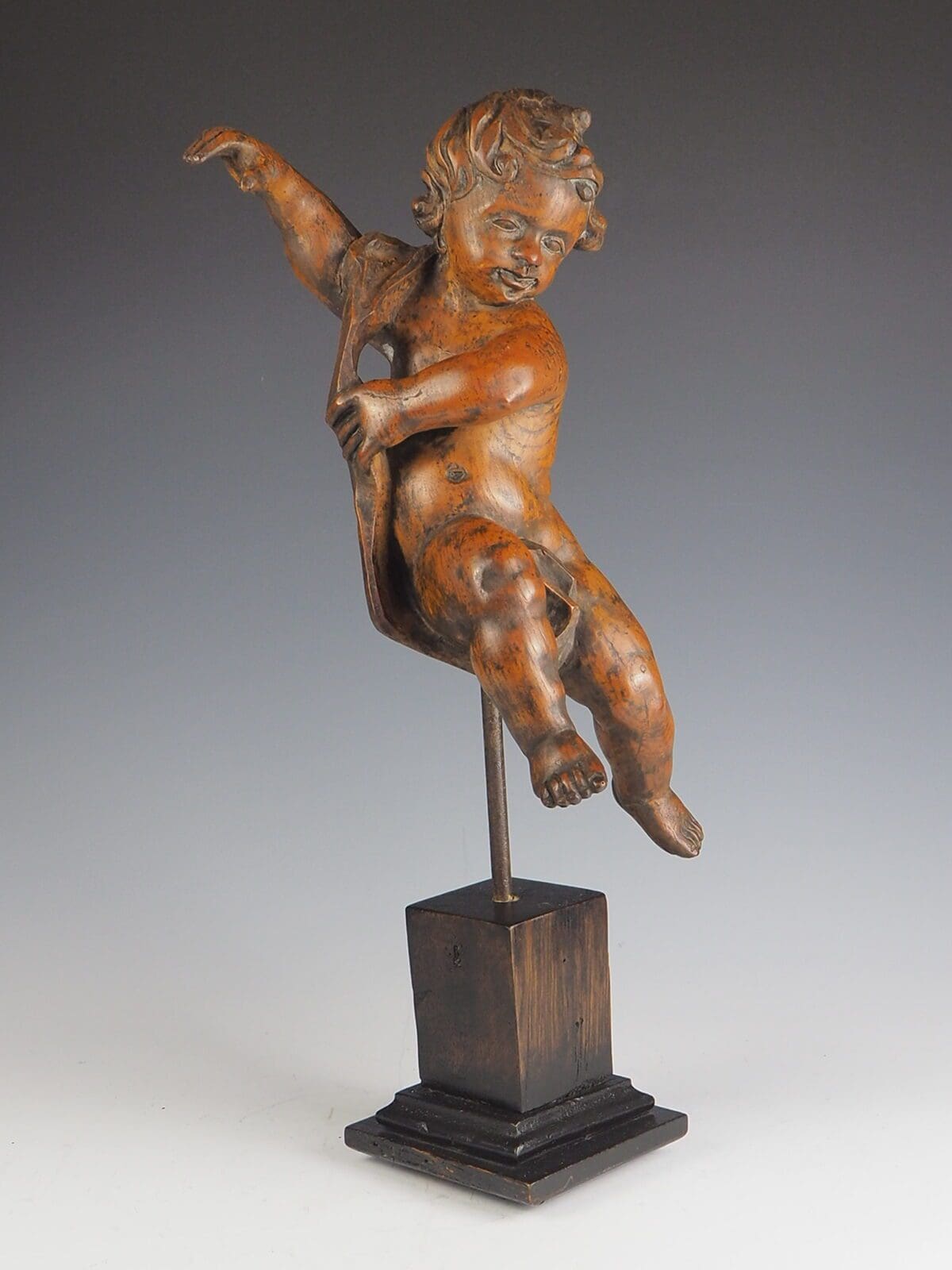
Bronze: Bronze antiques have been crafted over thousands of years; the earliest surviving
sculptures date from 2500 BCE. Most of the antique bronze items circulating today were
produced in 17 th and 18 th century, a historical period that re-kindled a global appreciation for
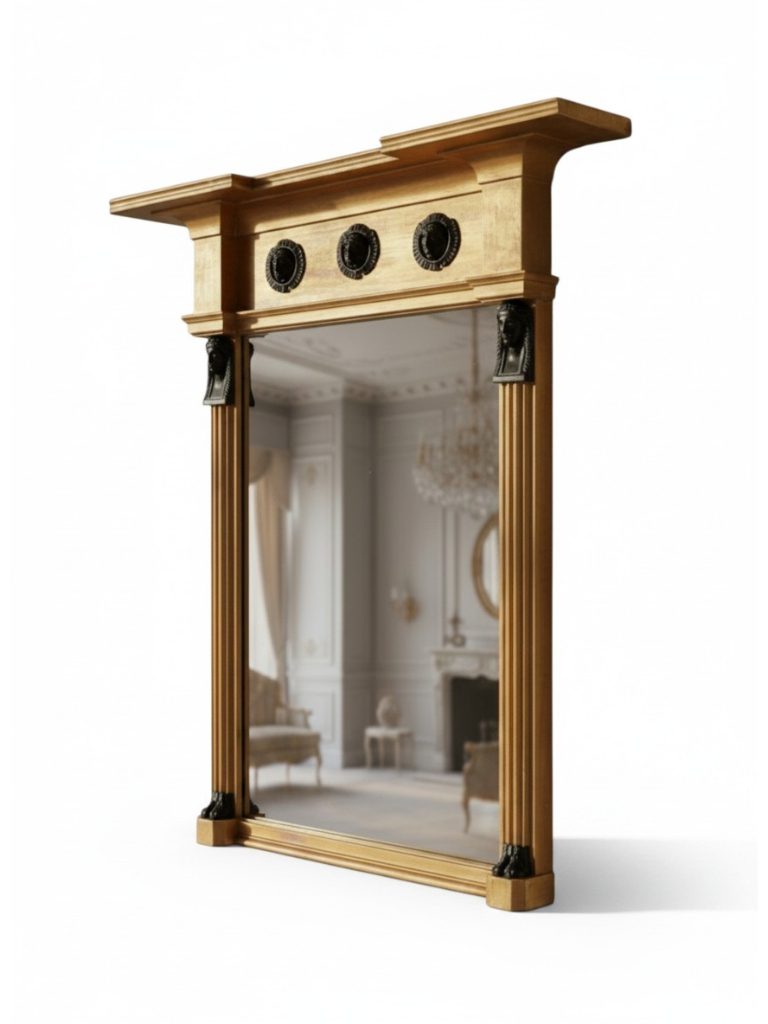
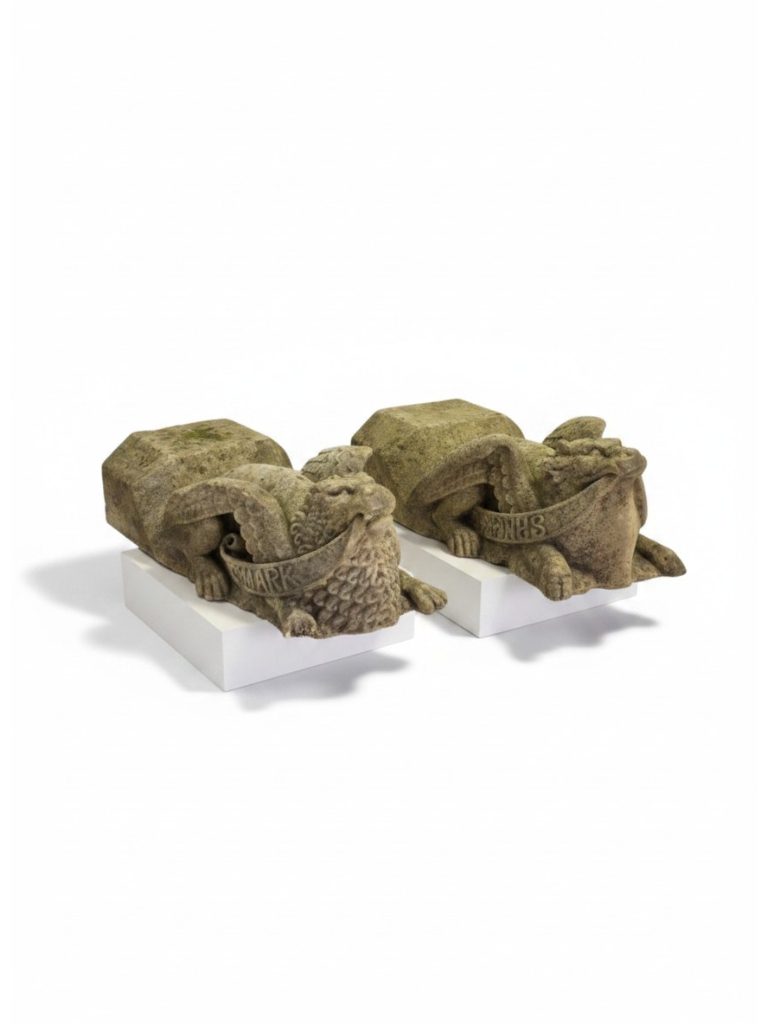
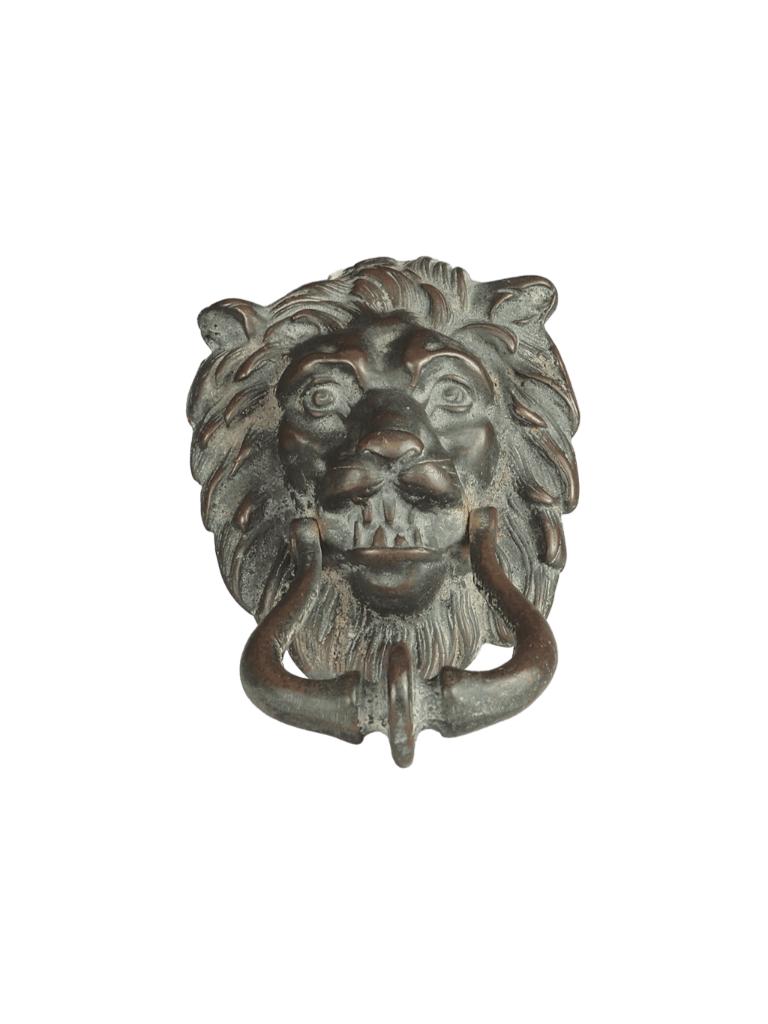
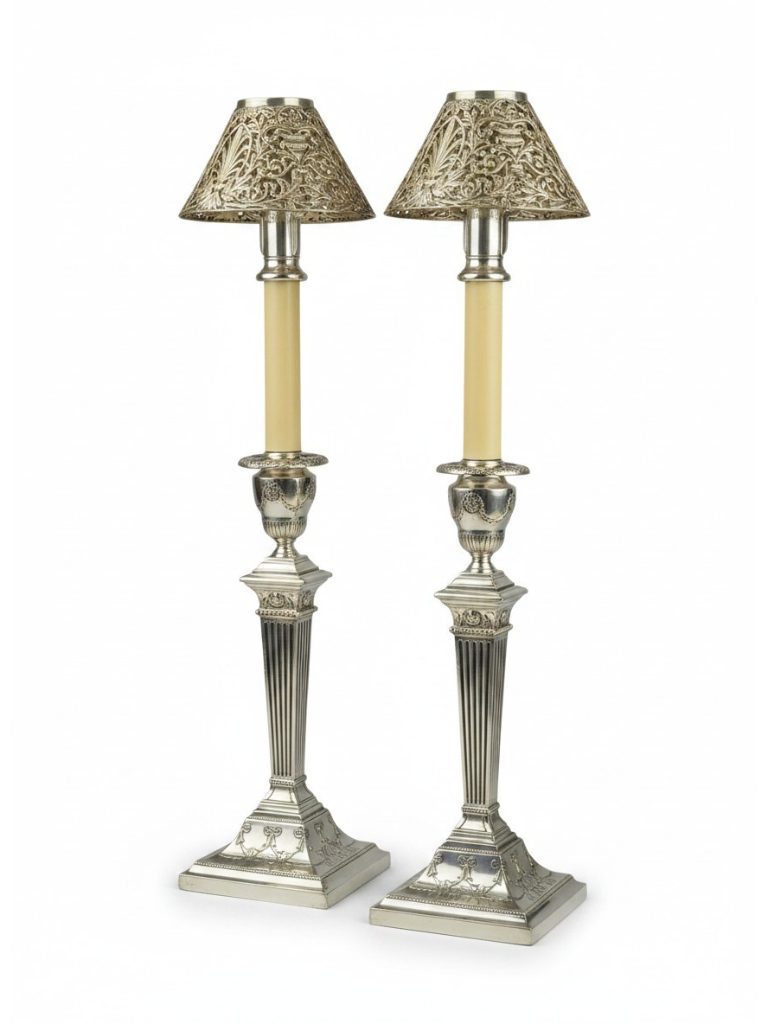
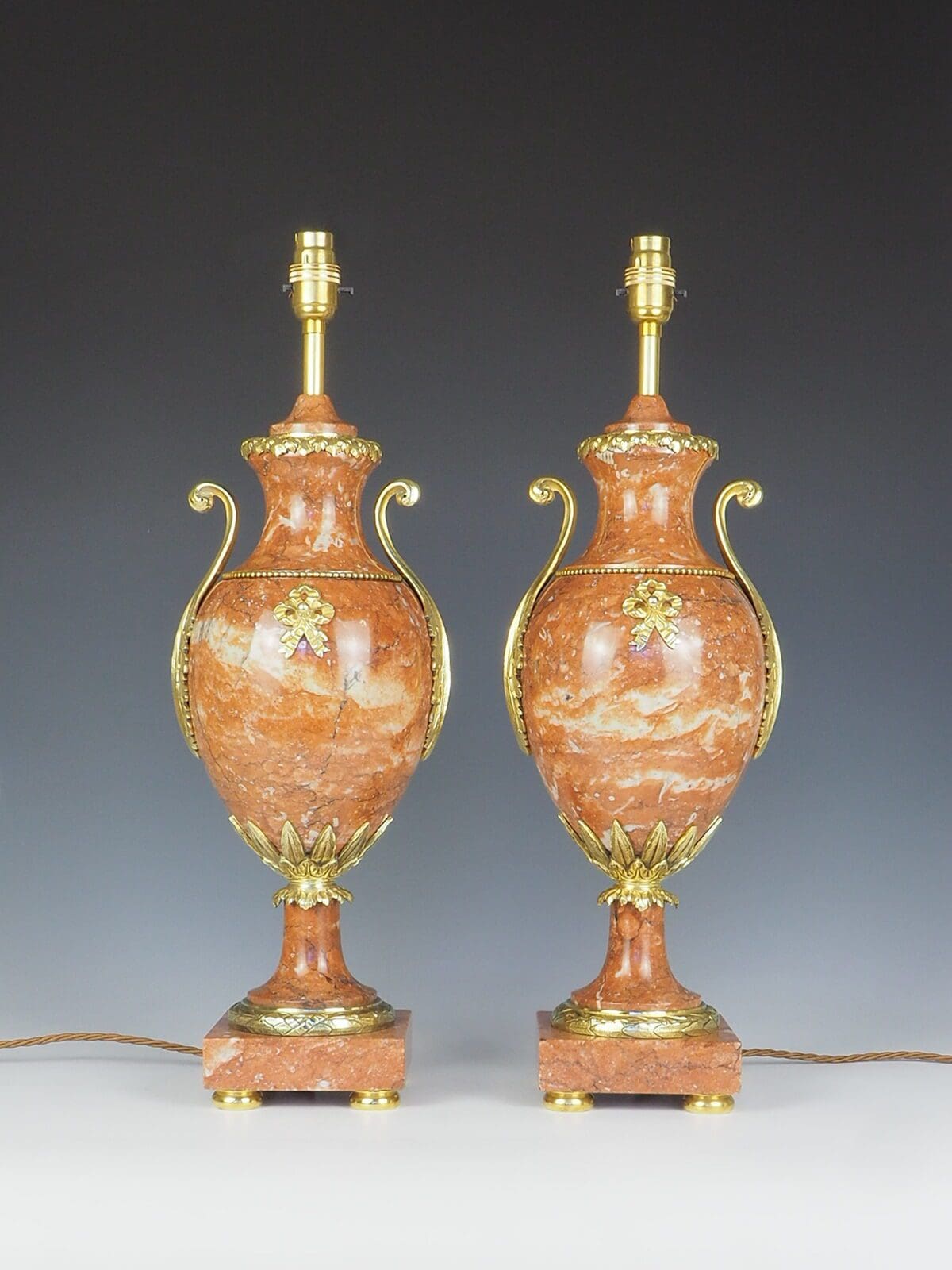
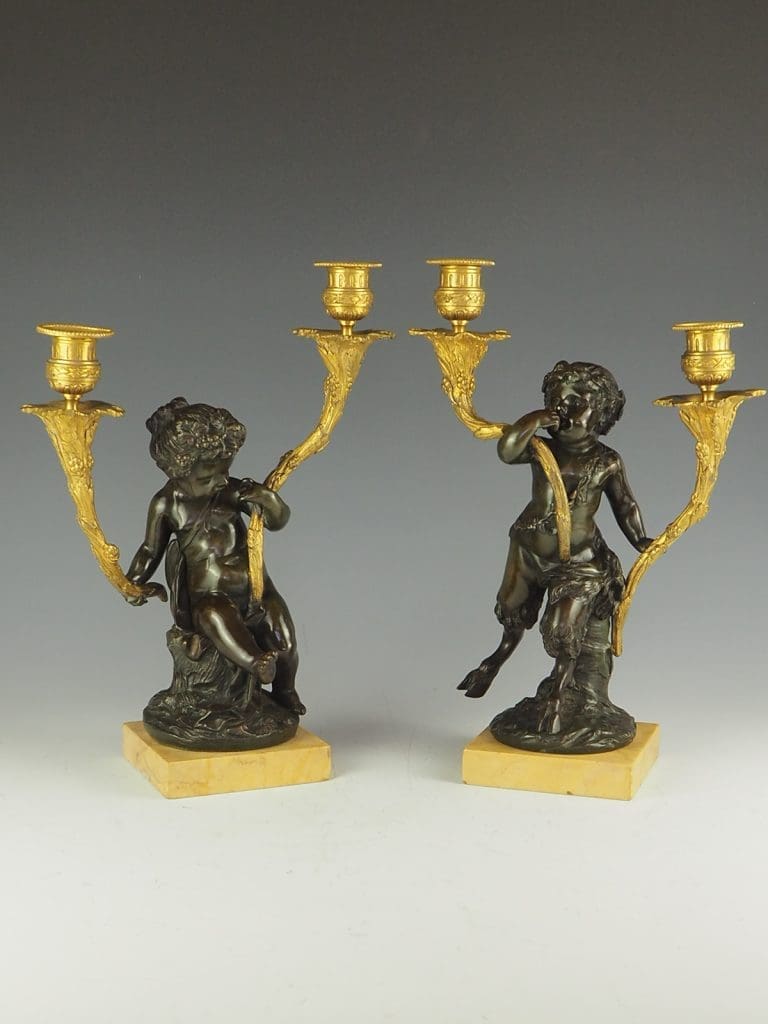
the arts. Signature statues; Egyptian wall mirrors; French lamps and lighting; capture a
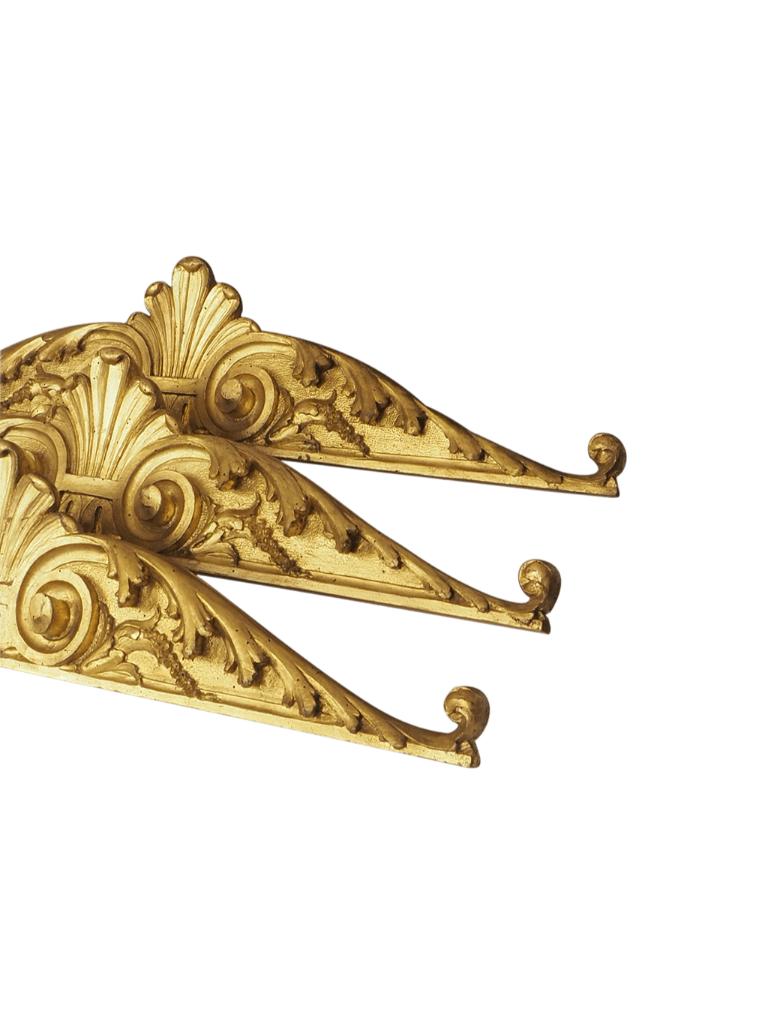
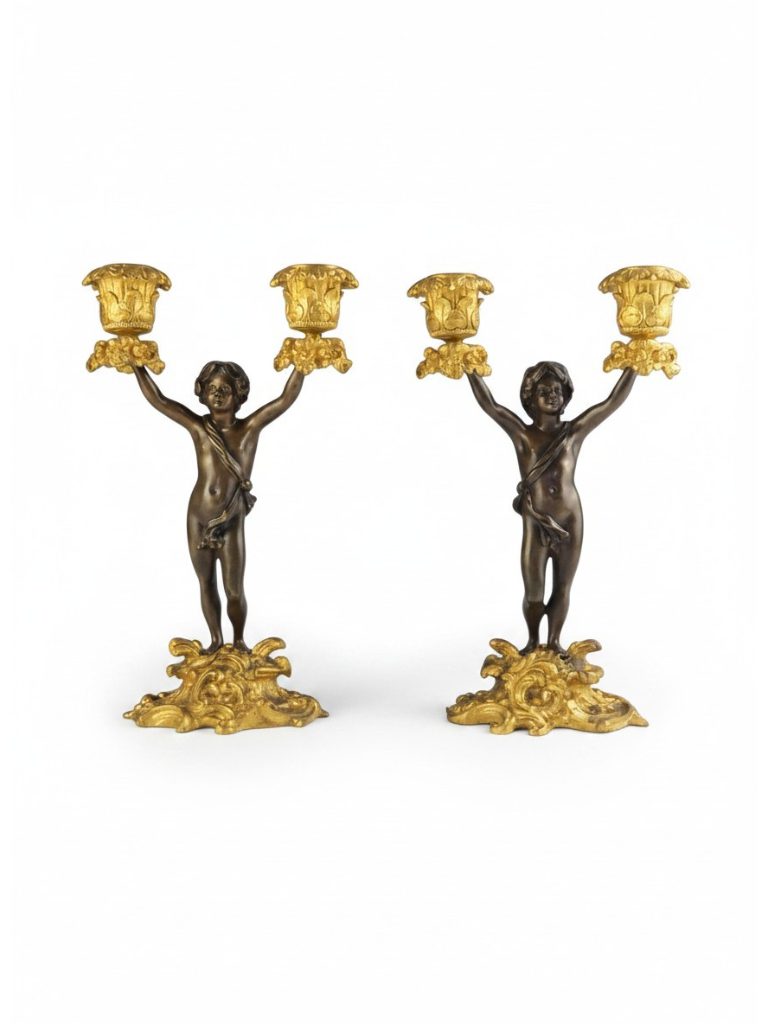
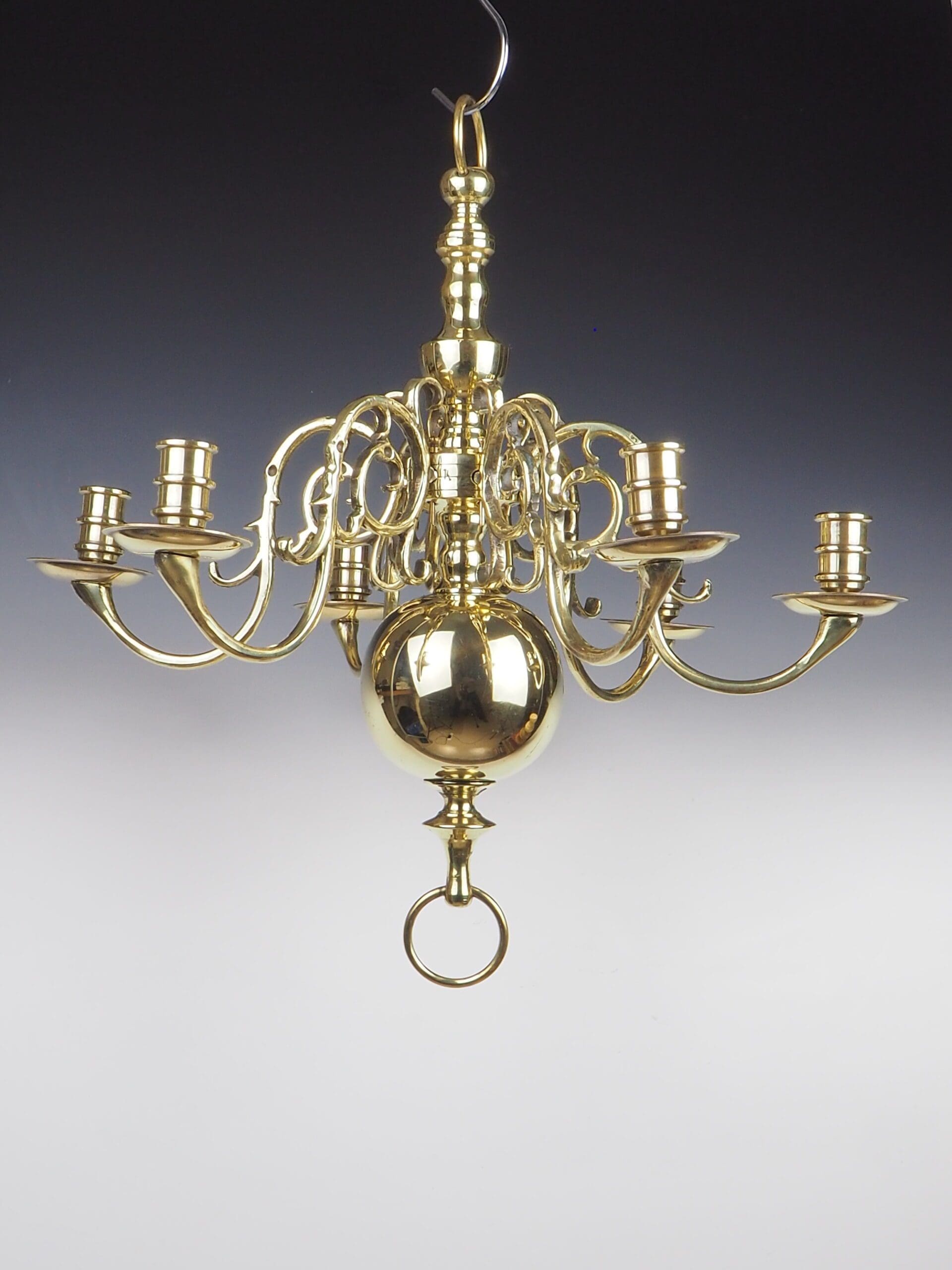
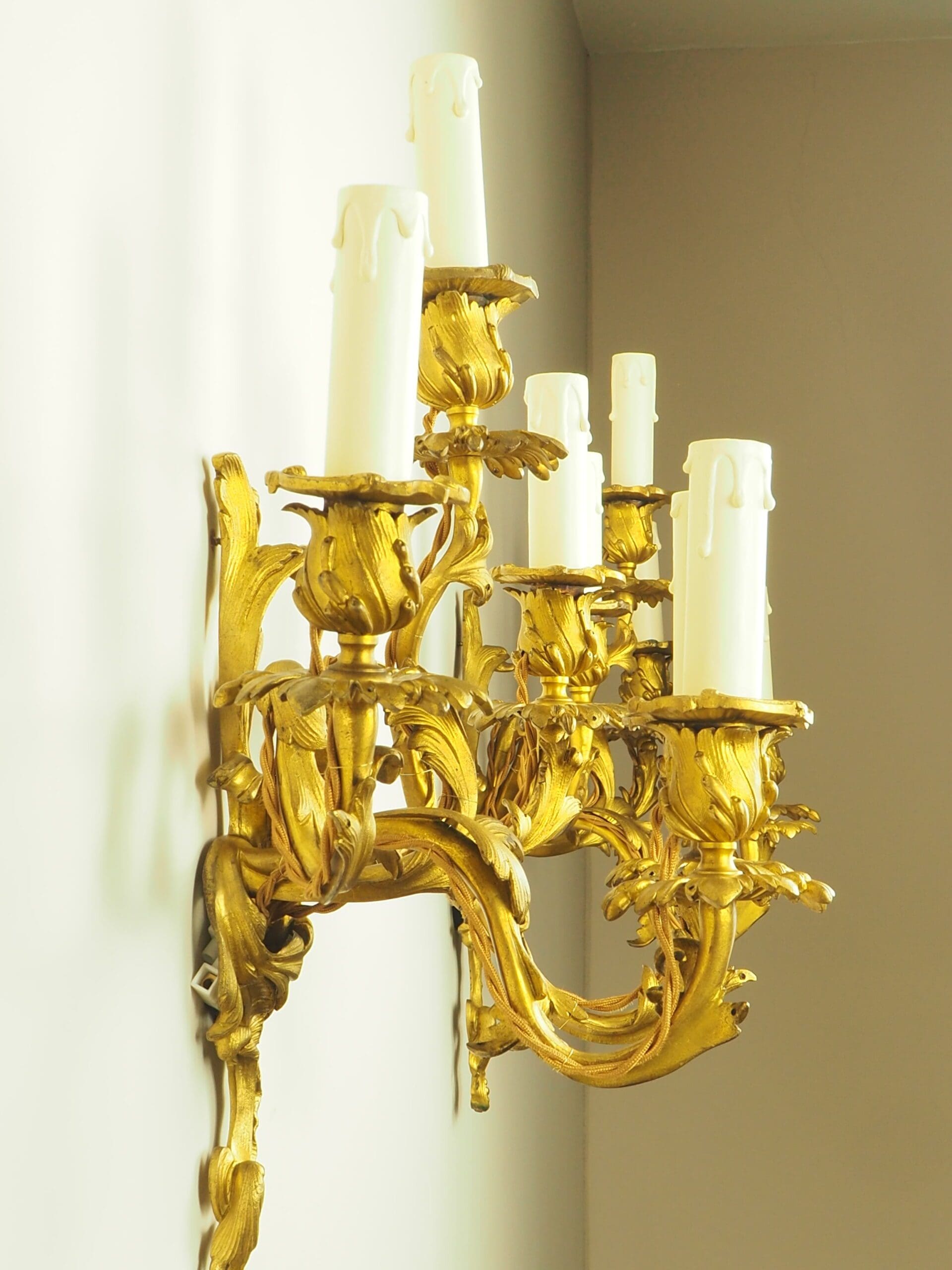
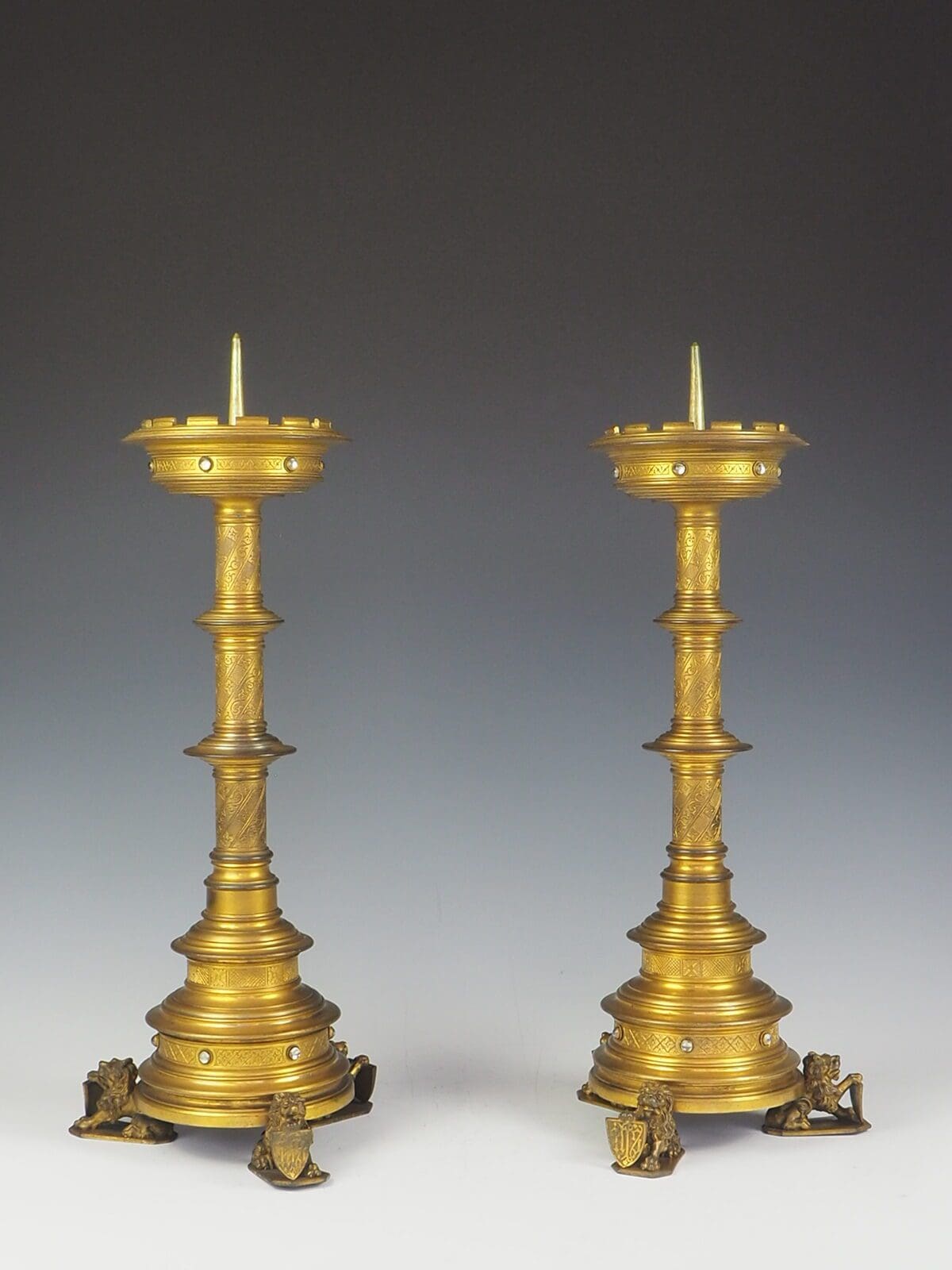
culture and a history with bronze material. Renaissance homes were adorned with gilt bronze
candlesticks and chandeliers, displaying grandeur and wealth.
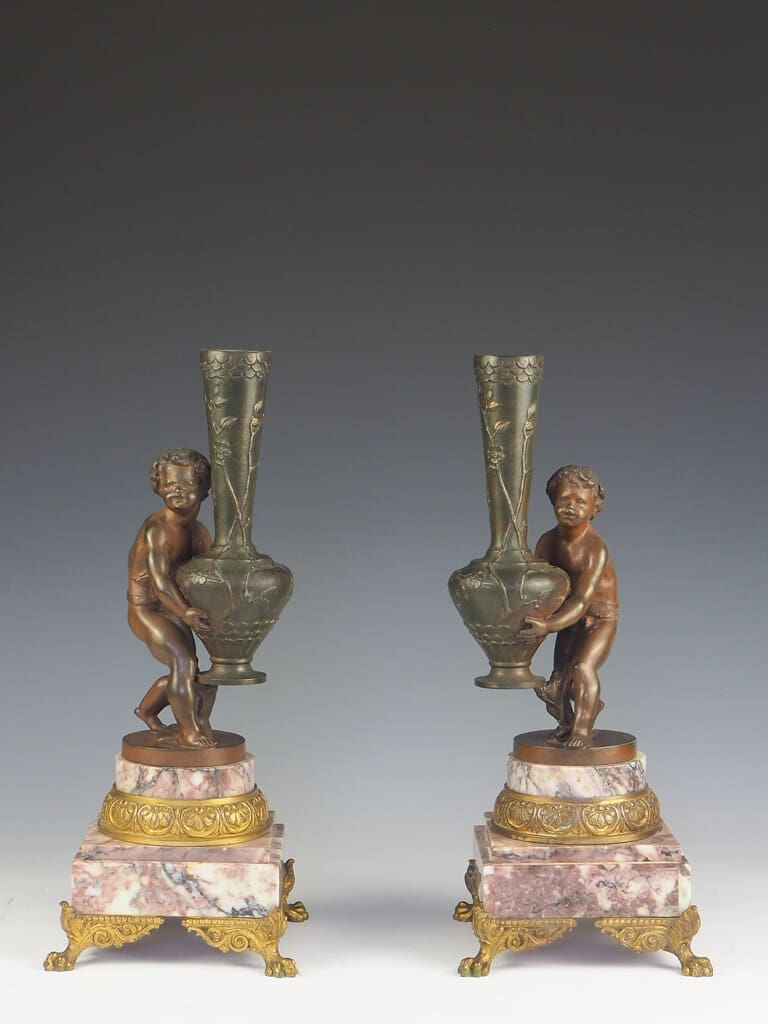
Spelter: Amid the 19th century spelter was used as an affordable method of emulating
bronze and was used for the production of antique items on a mass scale. Art Deco and Art
Nouveau figures rose in popularity; candlesticks, lamps, and vases were progressively crafted
with spelter.
Price: Due to the lower cost of the material, spelter items often sell for less in comparison
to bronze antiques today. However, spelter can be more expensive depending on the item, for
instance if it is a one off – or collectable. Bronze is a more expensive material to use for
crafting antiques because of its high melting point, therefore, requiring skill to sculpt. The
labour-intensive work it takes to produce bronze sculptures increases its value. Bronze
17 th and 18 th century antiques are often higher in price because of the item’s history; they are
desirable, collectable, and often denote a cultural significance.
Damage and Colouring: Spelter, made from lead and zinc, is more corrosive than
bronze, and is susceptible to scratches that leave white or grey markings. Spelter is cast thinly
and deteriorates in outdoor environments, whereas bronze - thicker and more durable -
develops a protective patina when exposed to harsher conditions reducing the probability of
being scratched; any marks on a bronze antique will reveal a golden hue of copper. A way to
test your item is by scratching the under surface.
Size: Only miniature bronze sculptures are normally cast solid. On the other hand, small
sculptures crafted with spelter, are commonly hollowed. Larger bronze sculptures, designed
for outdoor display, tend to be bronze because it is a more durable material than spelter.
Weight: Bronze as a rule is heavier, and spelter comparatively lighter.
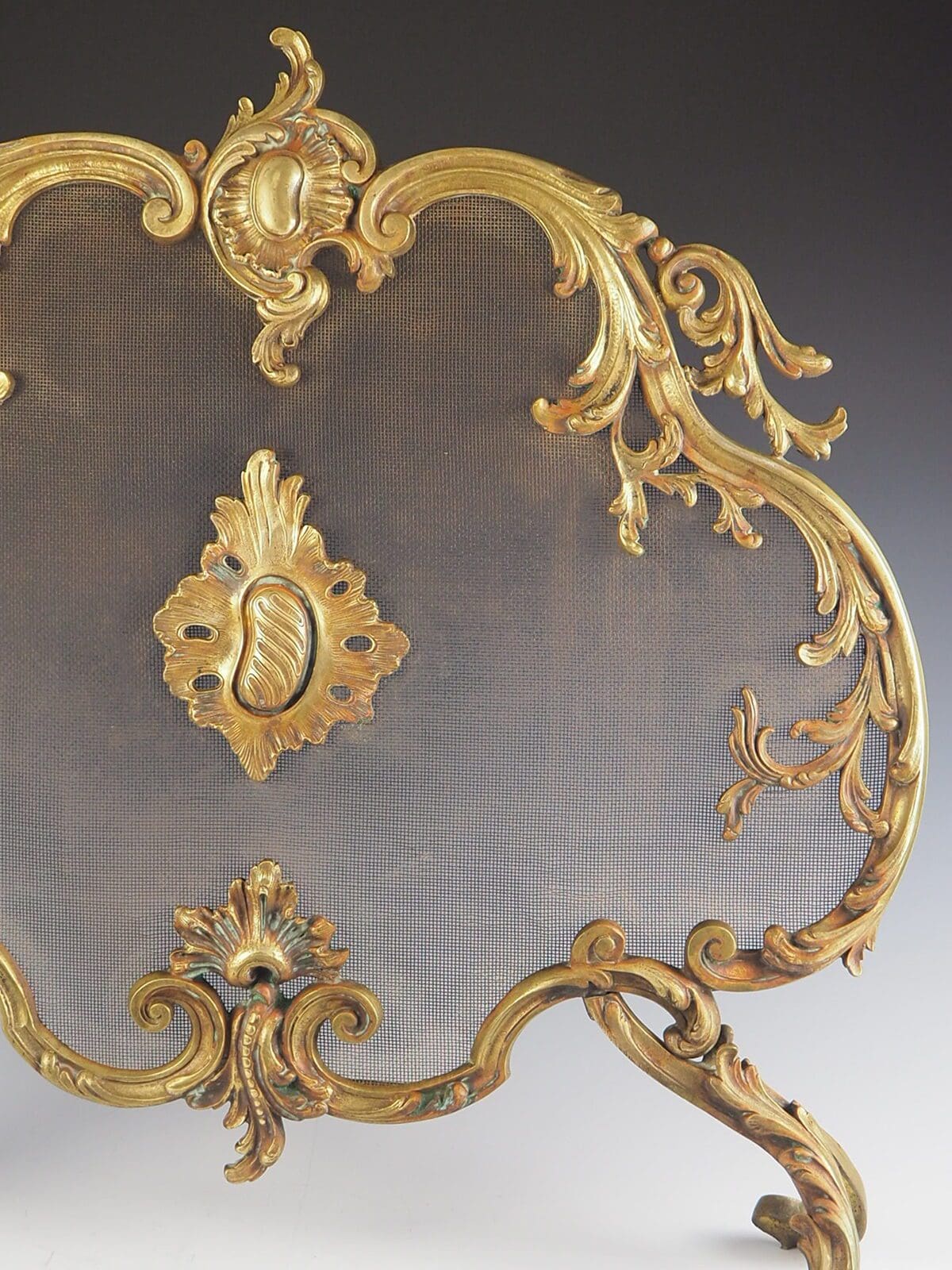
Quality: Other ways to base assumption of the metal is through looking for intricate and
detailed artistic work. Our bespoke items, opulent by design, are generally Bronze.
Traditionally craftsman dedicating the time to produce aesthetic detail would select a more
expensive material for a high-quality product.
Sound: By tapping on the side of an antique made of bronze it will produce a deeper
ringing sound, whereas when a spelter item is tapped it will make a lighter noise.
Signatures: Often bronze sculptures will be found with a signature; some research of the
craftsman may provide insight into the materials they tended to work with.
Written by Guest Blogger: Anya Tindale