
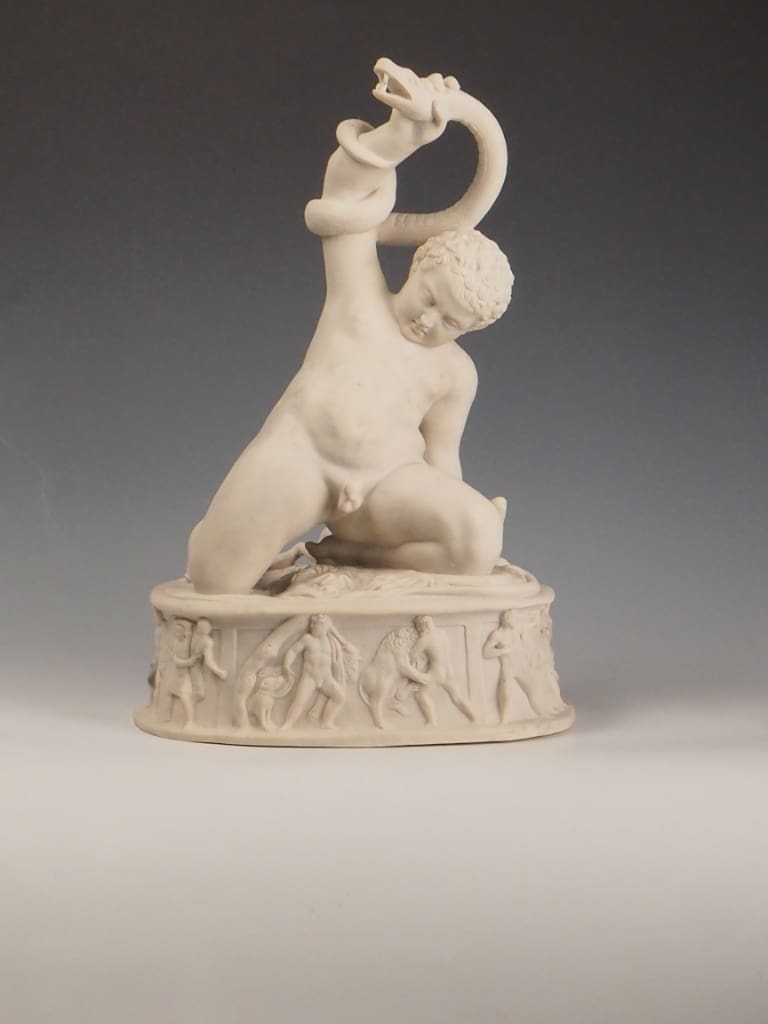
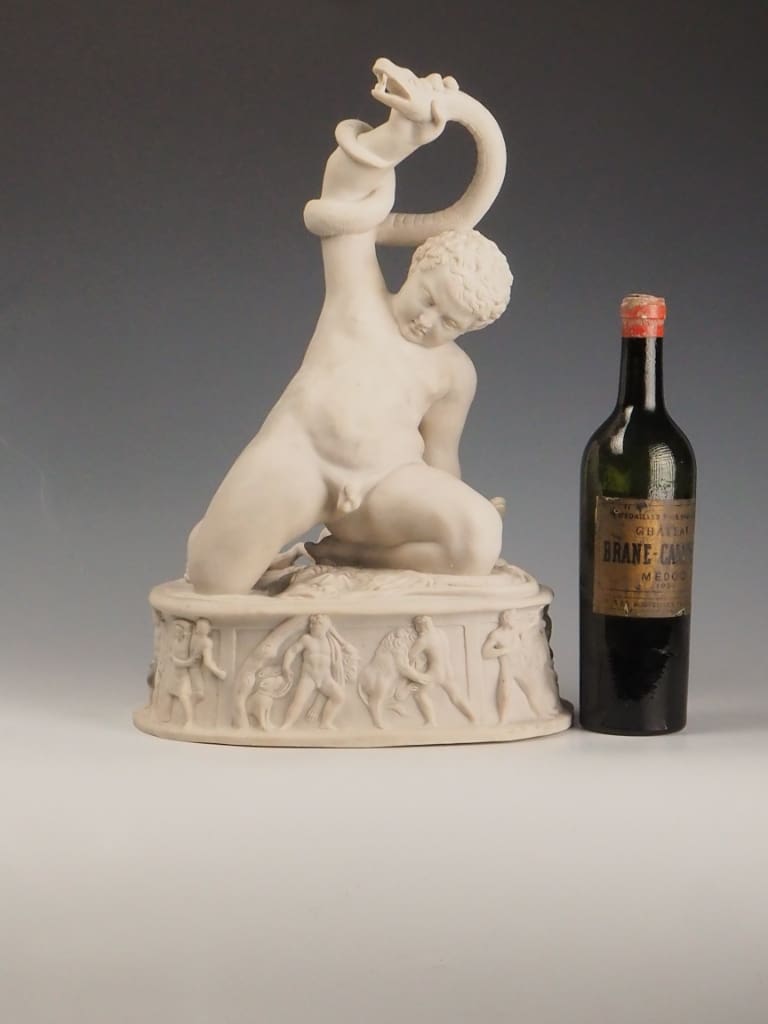
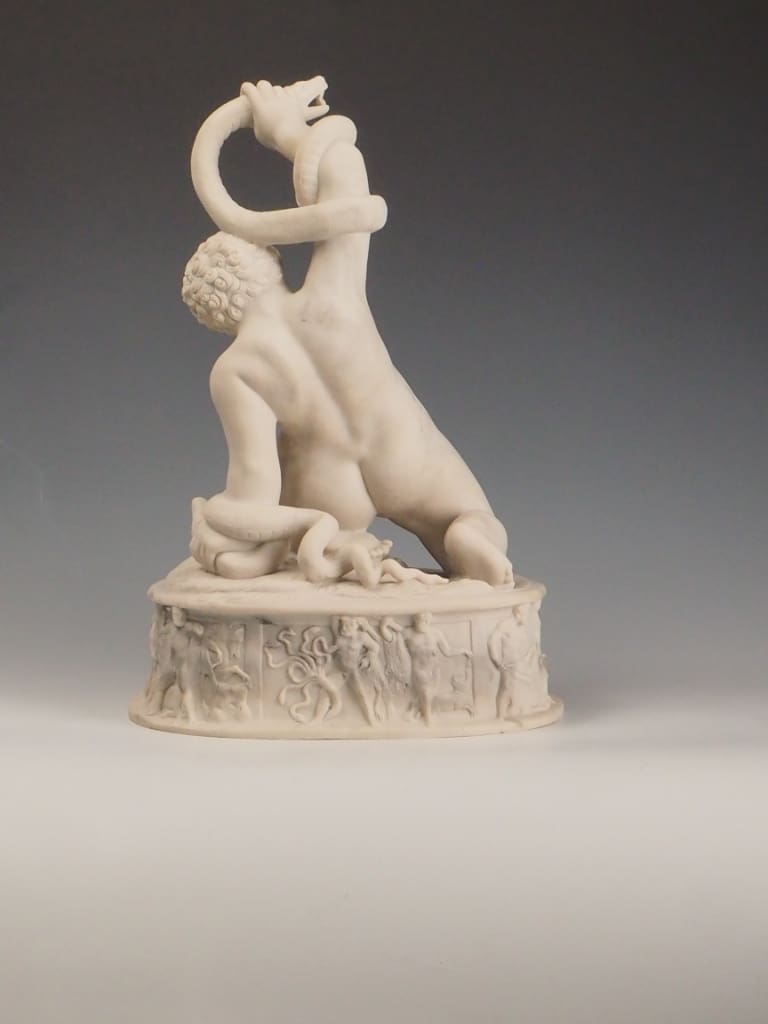
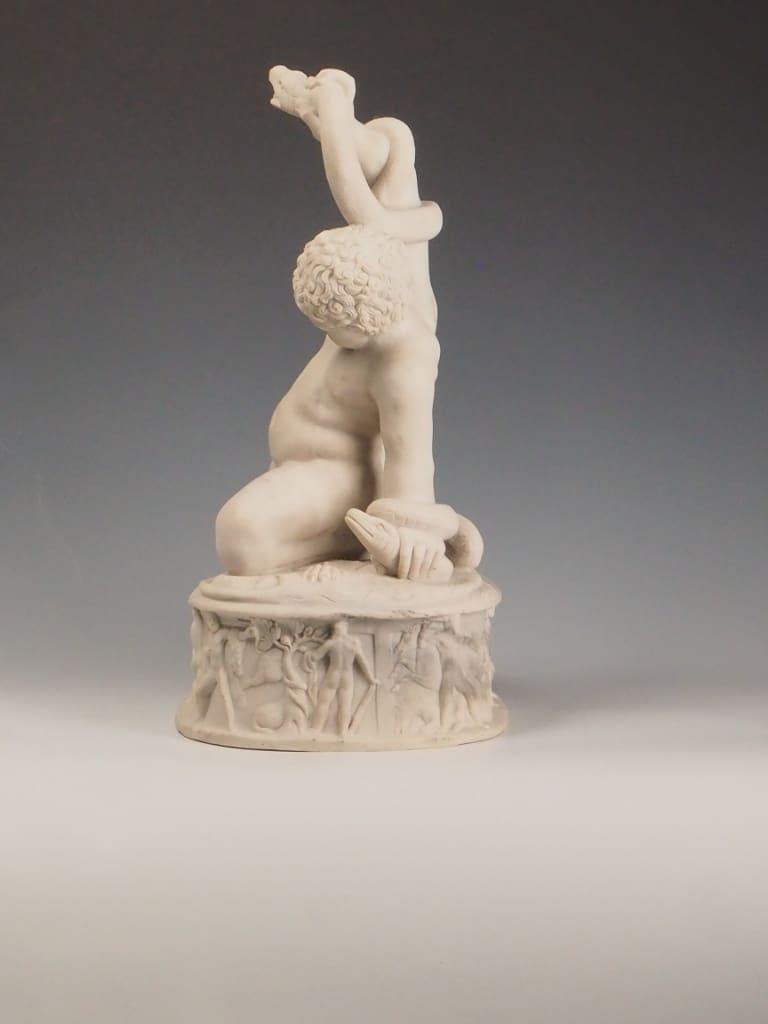
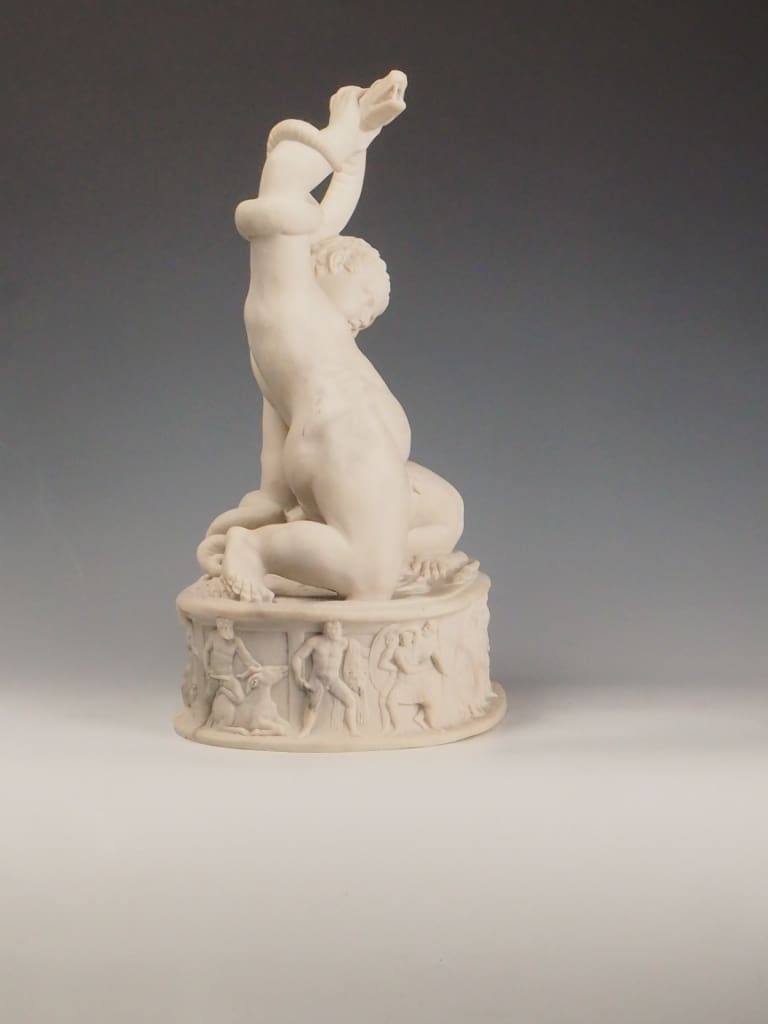
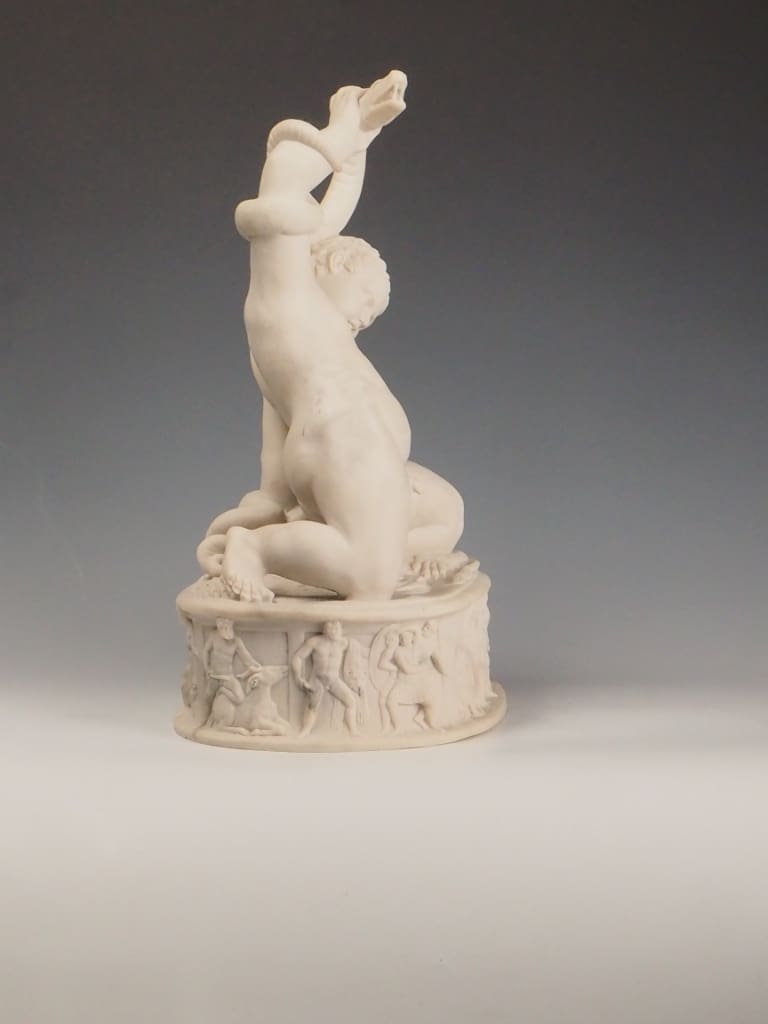
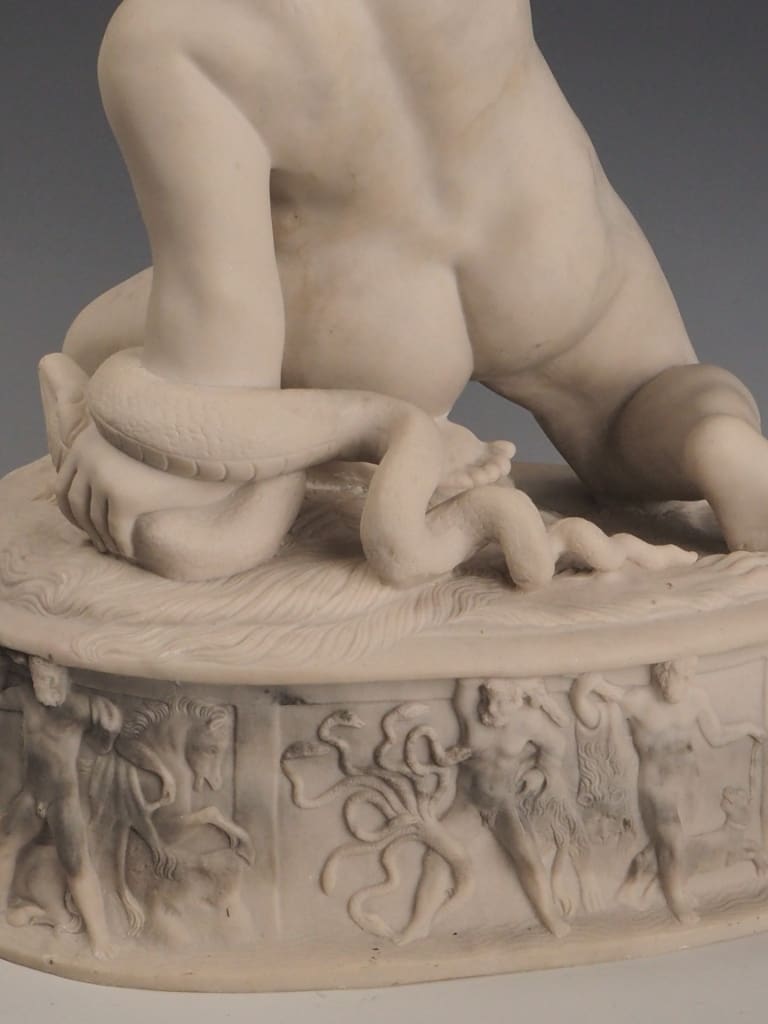

This striking sculpture captures the legendary strength of Hercules from the very beginning of his mythological life. Reproduced in composite marble, the artwork is based on the renowned Neoclassical statue "Infant Hercules Strangling Two Serpents", sculpted by Bertel Thorvaldsen in the early 19th century and now housed in the Thorvaldsen Museum, Copenhagen.



Inspired by the original by Bertel Thorvaldsen – A 19th-Century Classical Reproduction
This striking sculpture captures the legendary strength of Hercules from the very beginning of his mythological life. Reproduced in composite marble, the artwork is based on the renowned Neoclassical statue "Infant Hercules Strangling Two Serpents", sculpted by Bertel Thorvaldsen in the early 19th century and now housed in the Thorvaldsen Museum, Copenhagen.
According to ancient Greek myth, Hercules—son of Zeus and the mortal Alcmene—was targeted in infancy by Hera, the jealous wife of Zeus. In an attempt to destroy him, she sent two deadly serpents into his cradle. Instead of succumbing, the infant hero is said to have seized a serpent in each hand and strangled them—demonstrating his divine strength and heroic destiny even as a child.
A Testament to Strength and Classical Beauty
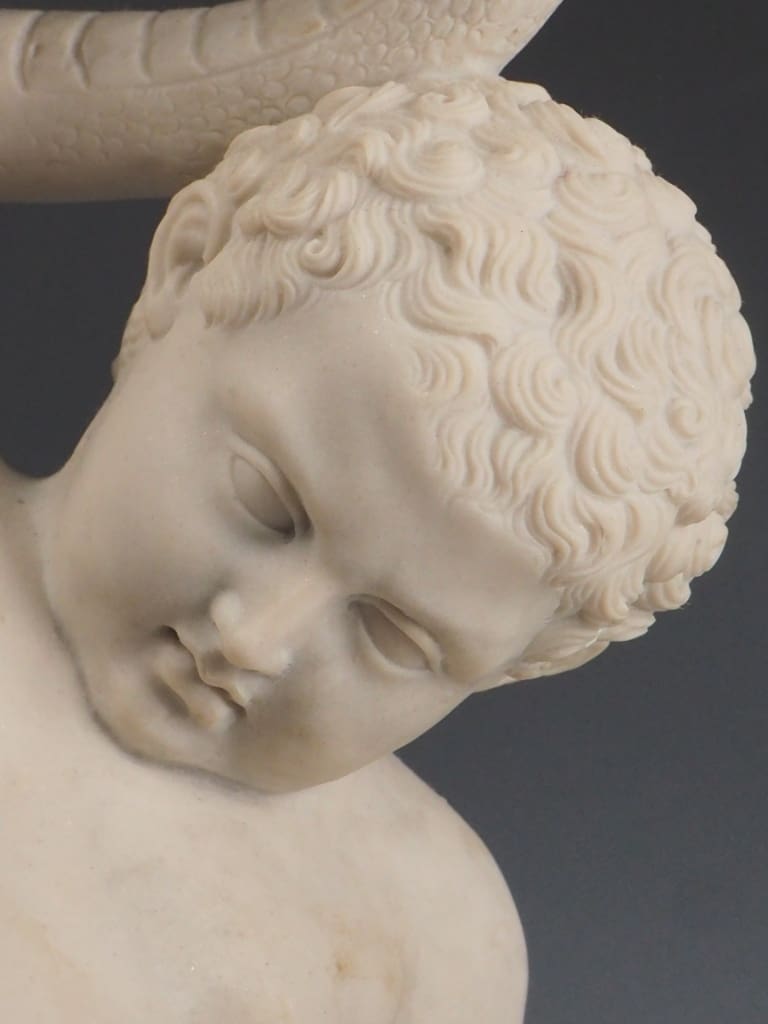
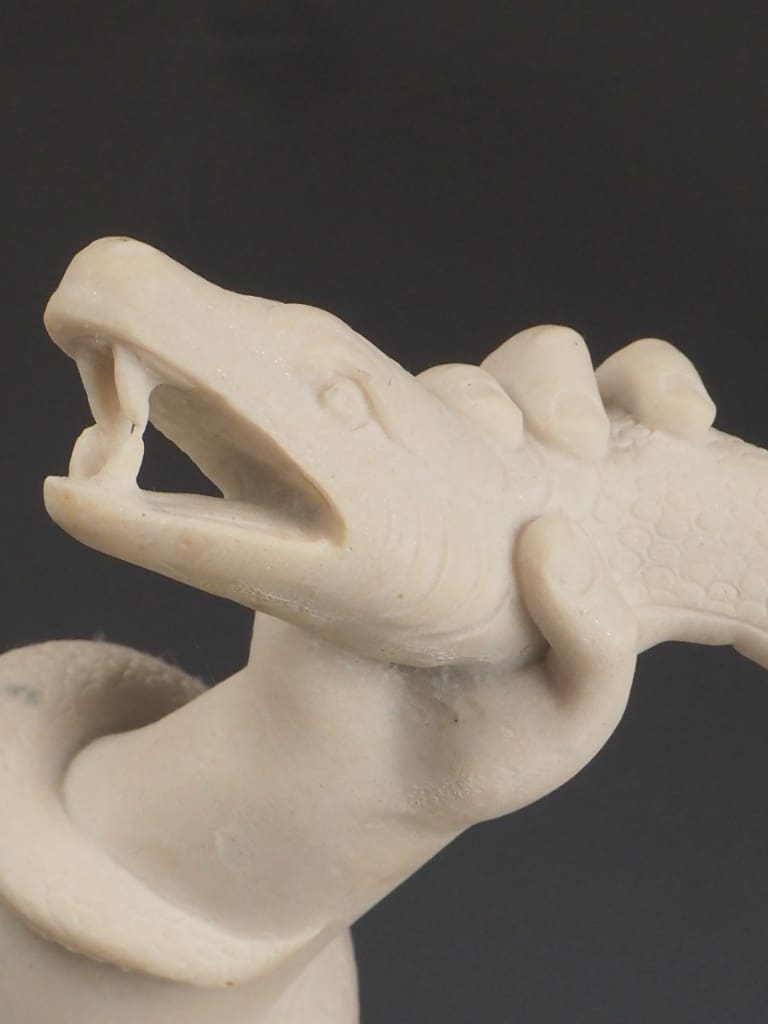
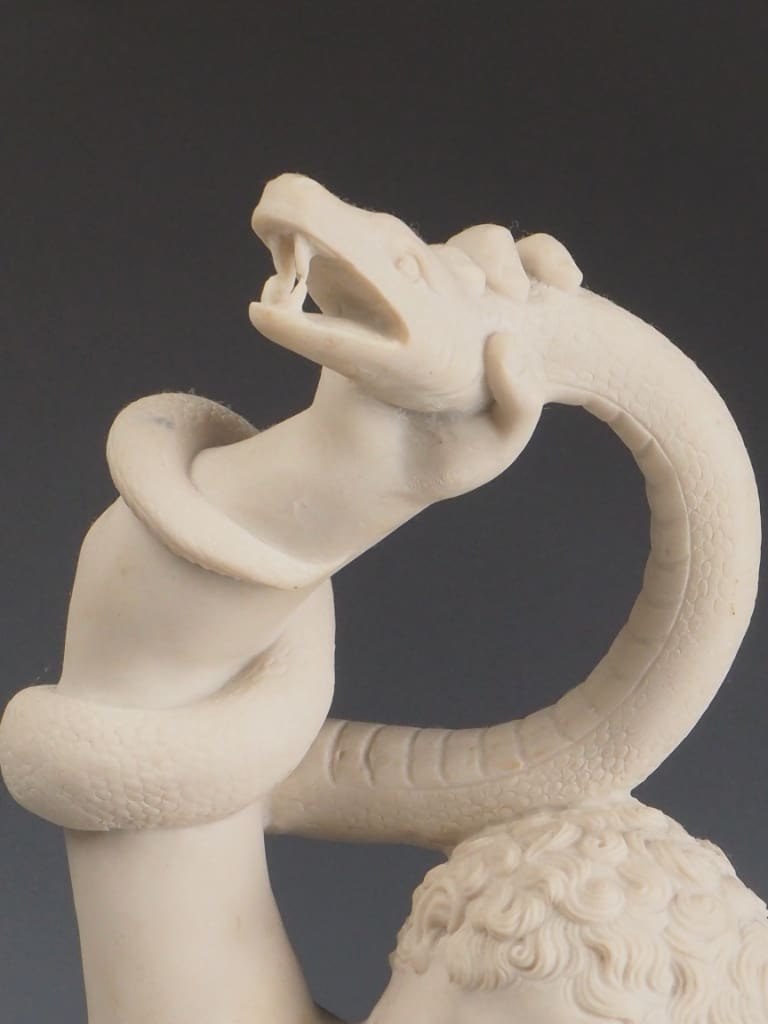
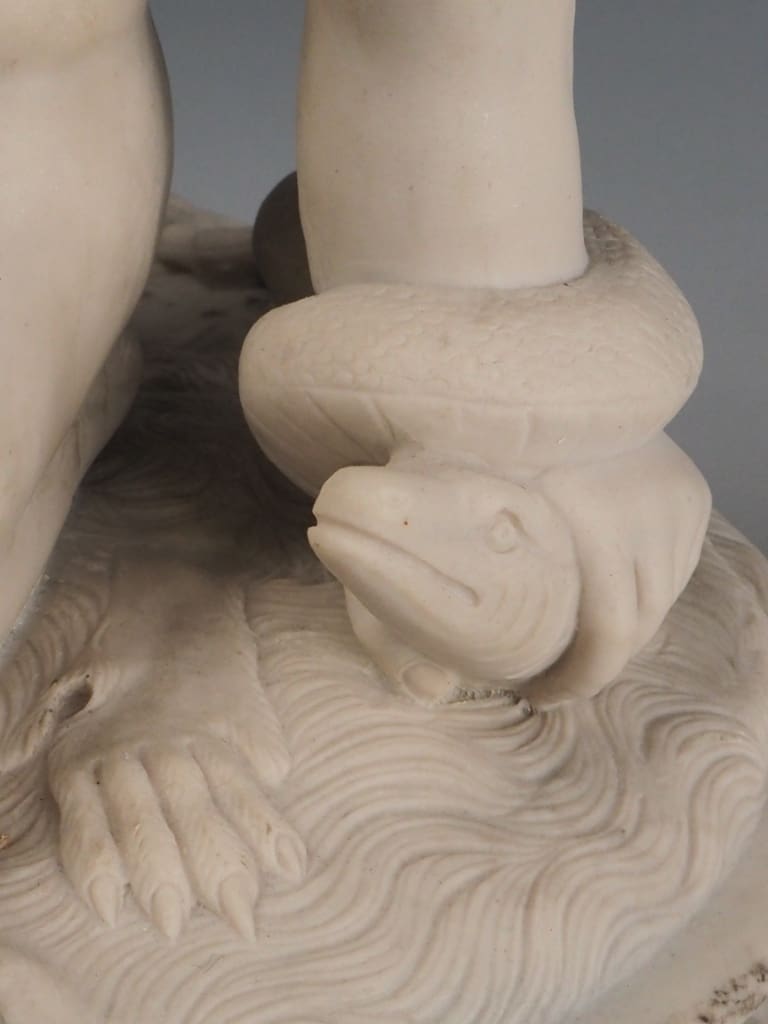
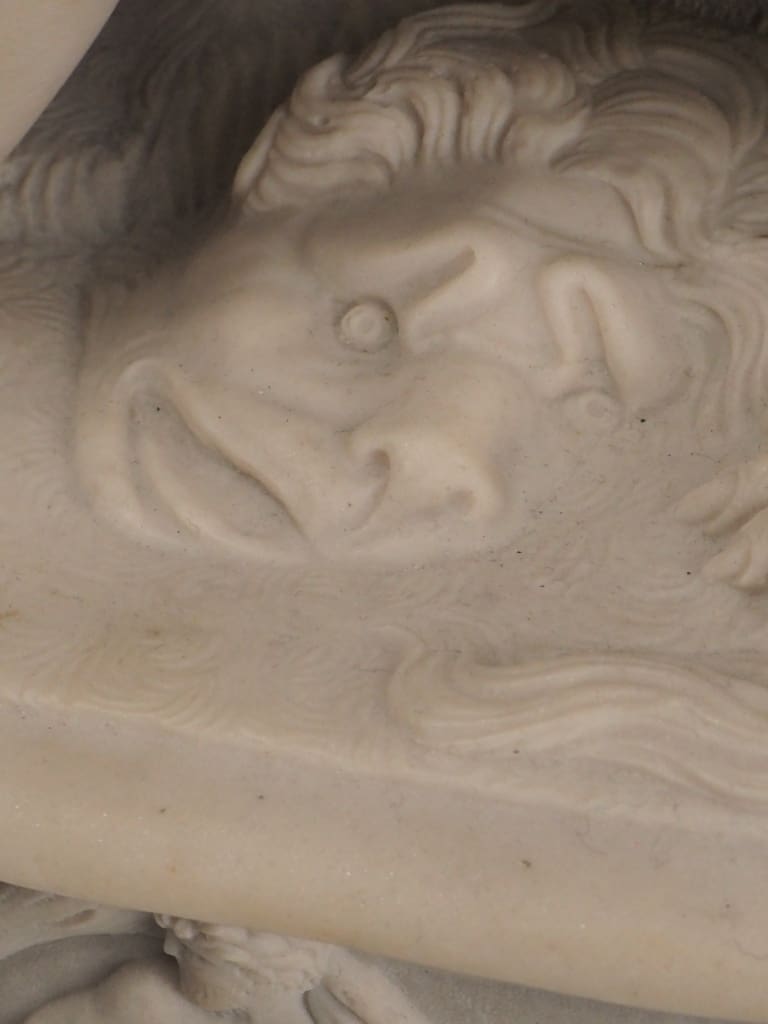
This reproduction powerfully conveys that dramatic moment. Hercules is shown kneeling firmly on a tiger skin, his expression calm but focused, as he grips the writhing serpents, each rendered with muscular realism. His youthful form is finely modelled in the Neoclassical tradition—idealised yet natural, capturing both innocence and latent power.
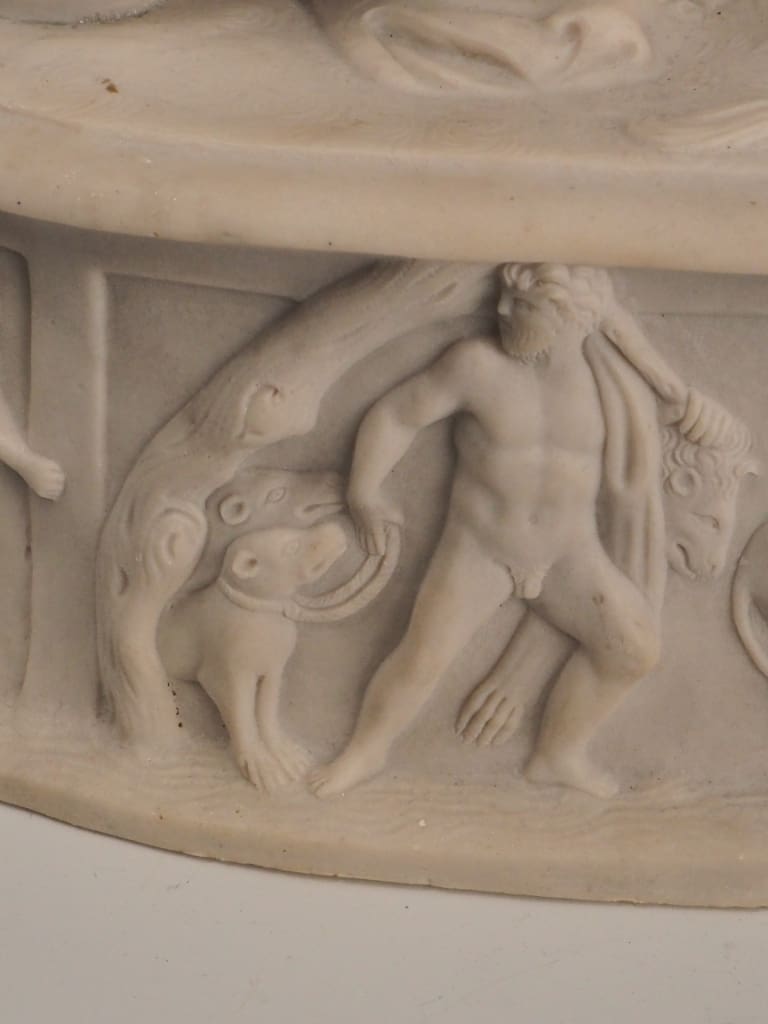
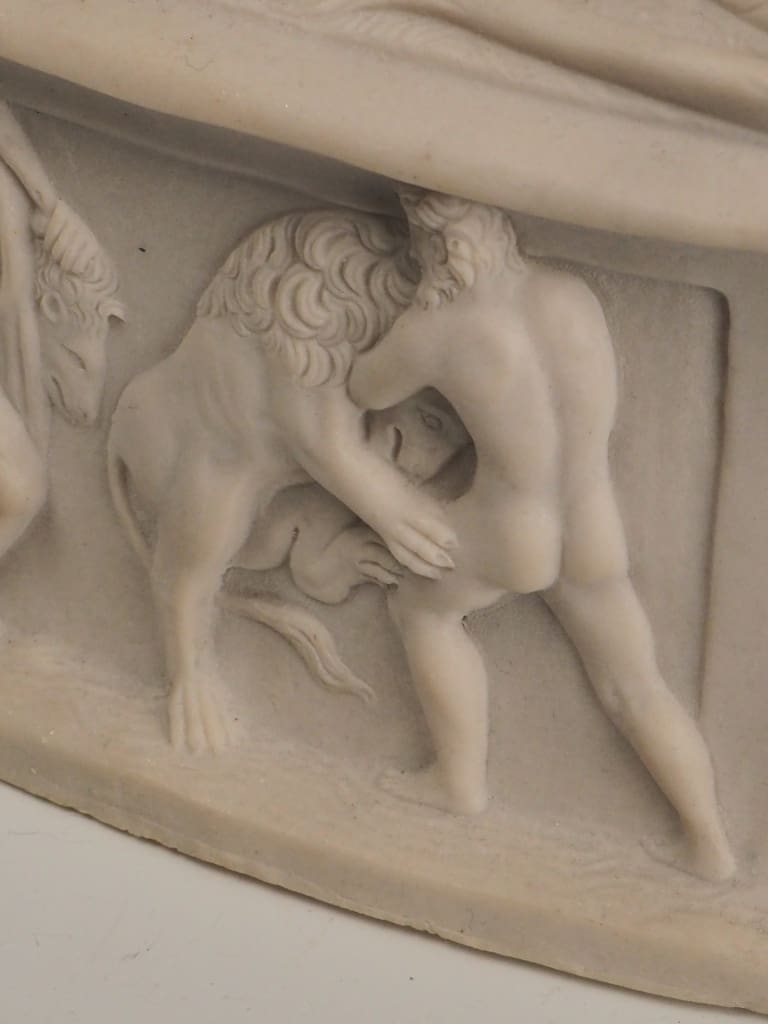
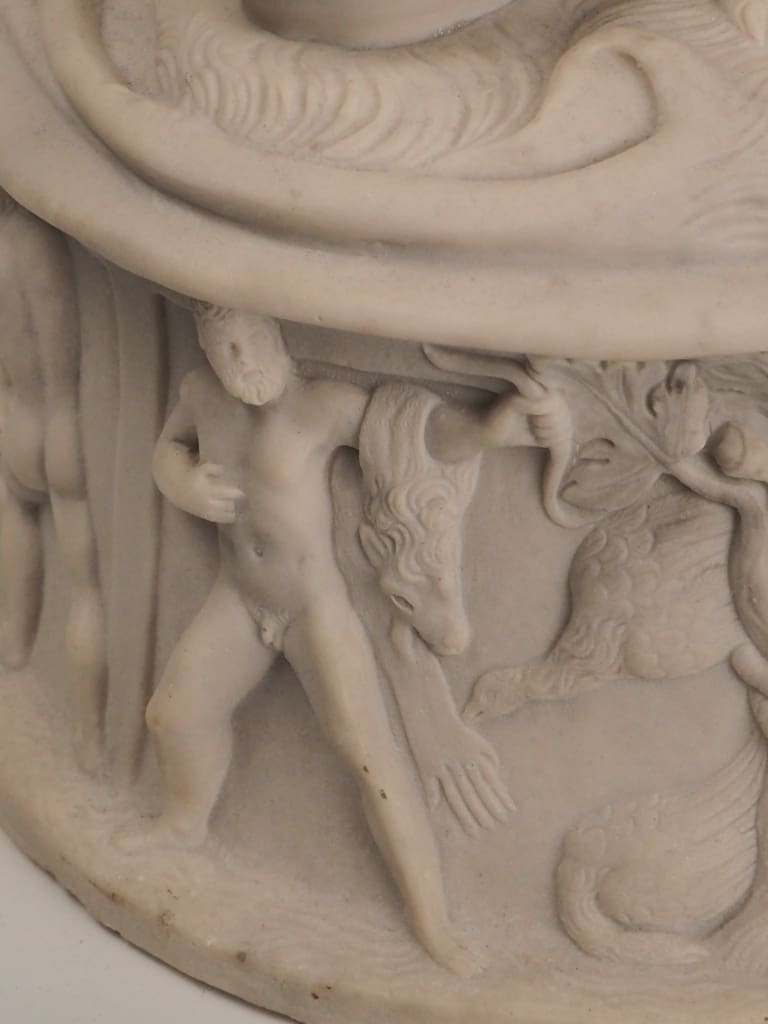
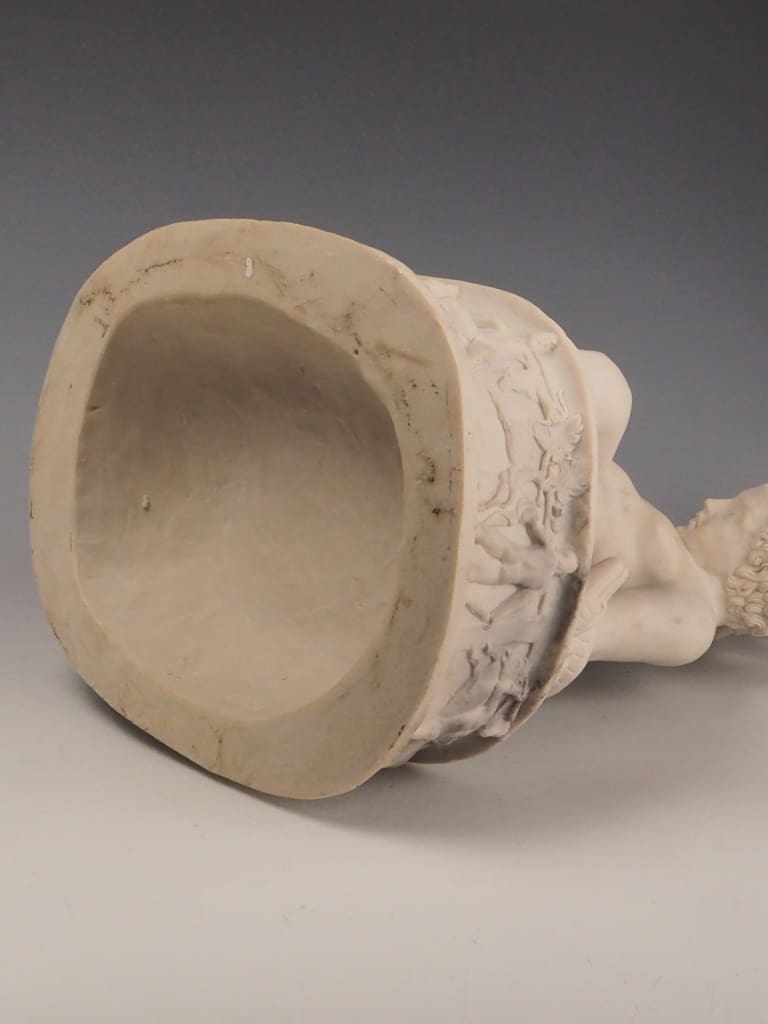
The sculpture rests atop a finely detailed plinth, edged with a sculpted frieze depicting scenes from the Twelve Labours of Hercules—from slaying the Nemean Lion to capturing Cerberus. These intricate carvings offer both decorative richness and deeper symbolic meaning, reinforcing Hercules' legendary journey from mortal to immortal.
Bertel Thorvaldsen (1770–1844) was one of the leading figures of European Neoclassicism, often considered the successor to Antonio Canova. His works were celebrated for their serene grandeur and strict adherence to classical ideals. The original Infant Hercules sculpture is a testament to his ability to blend myth with idealised human form. It remains a focal point of the Thorvaldsen Museum in Denmark, dedicated exclusively to his works.
Excellent – This composite marble sculpture is in very good condition, with no visible cracks, chips, or structural damage. The surface retains its original finish with only minimal, age-appropriate wear.
Surface & Detailing:
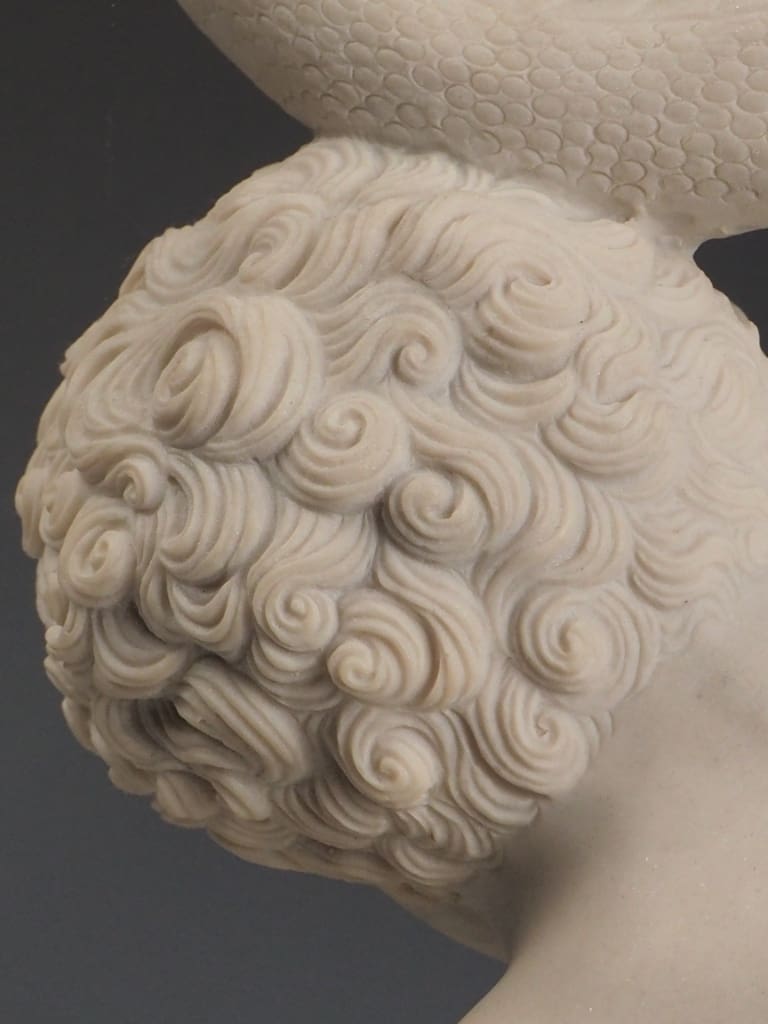
All sculptural details, including the serpent forms, facial features, and plinth reliefs, are crisp and well-defined.
The tiger skin base and Twelve Labours frieze show excellent preservation of texture and line.
Slight natural patina enhances the classical appearance and depth.
Base/Plinth:
Stable and intact.
No repairs or replacements observed.
Minor scuffs to the underside consistent with previous placement on a flat surface.
Modern reproduction in the style of Bertel Thorvaldsen’s 19th-century masterpiece, based on the original held in the Thorvaldsen Museum, Copenhagen.
An outstanding display piece with excellent sculptural integrity, ideal for collectors of classical or mythological art.
Height: 47 cm / 18.5 inch
Width: 30 cm / 11.8 inch
Depth: 21 cm / 8.3 inch
Weight: 12.8 k.g. / 28.2 Ilbs
All our collections have been through our workshop and where possible, we always try to maintain the original finish preserving the patina and colour, some items are sympathetically restored and this is done by our own skilled craftsmen using only traditional methods