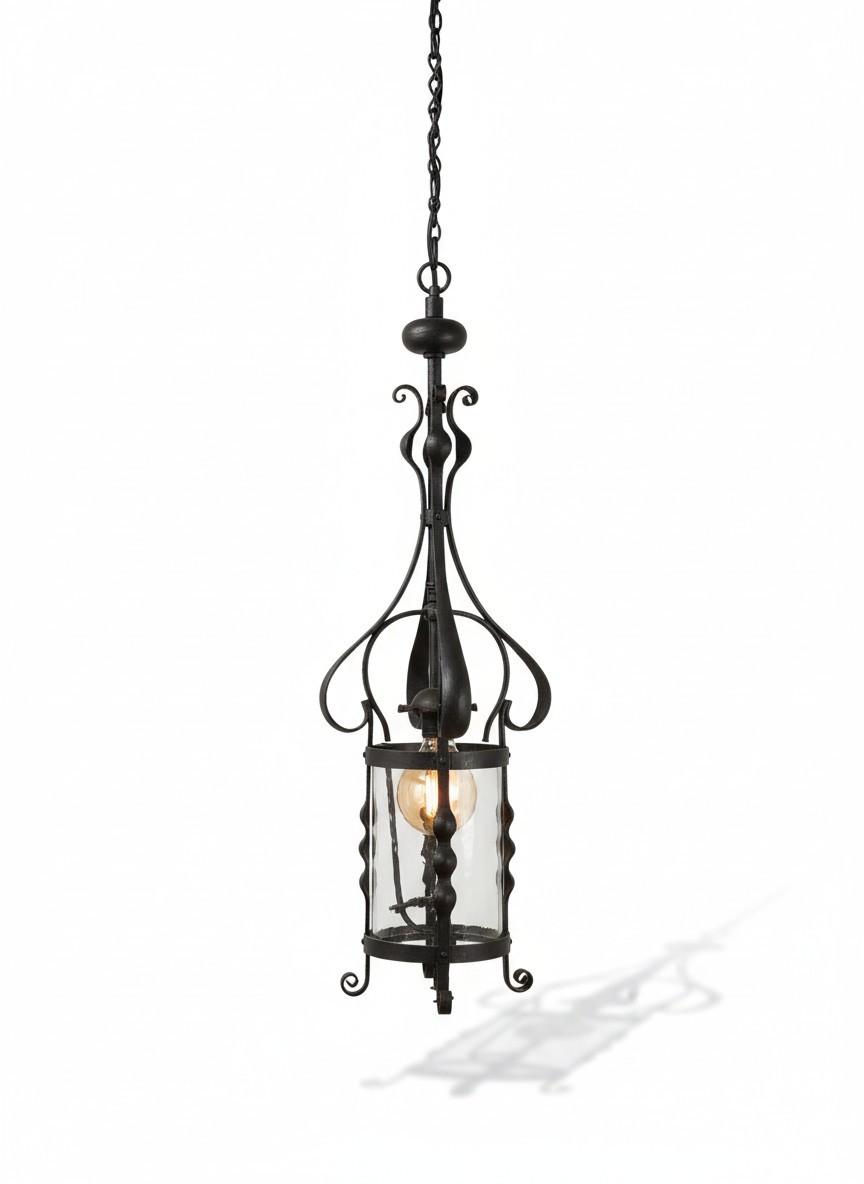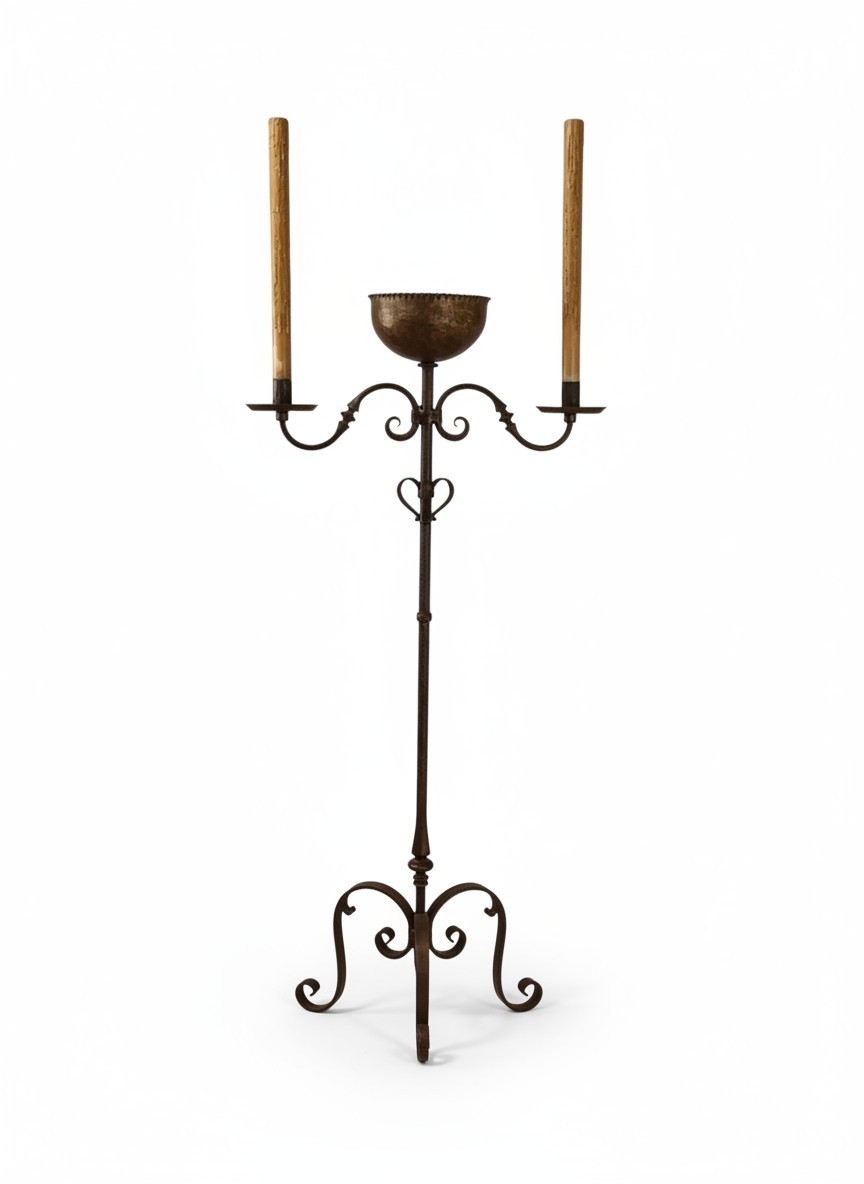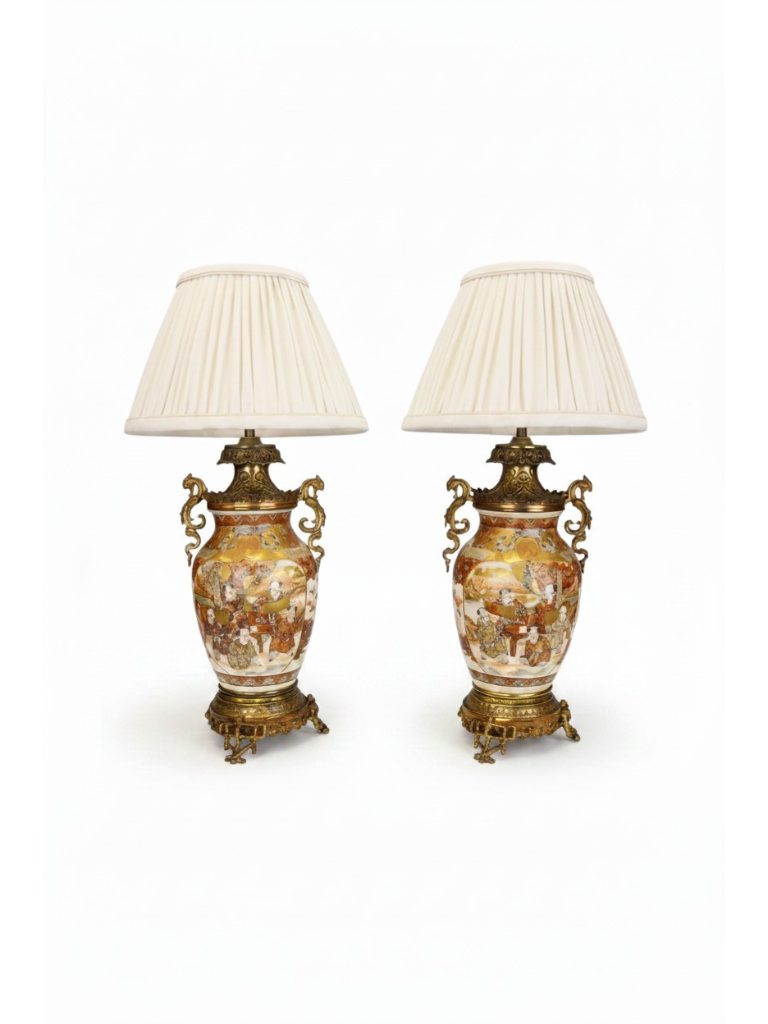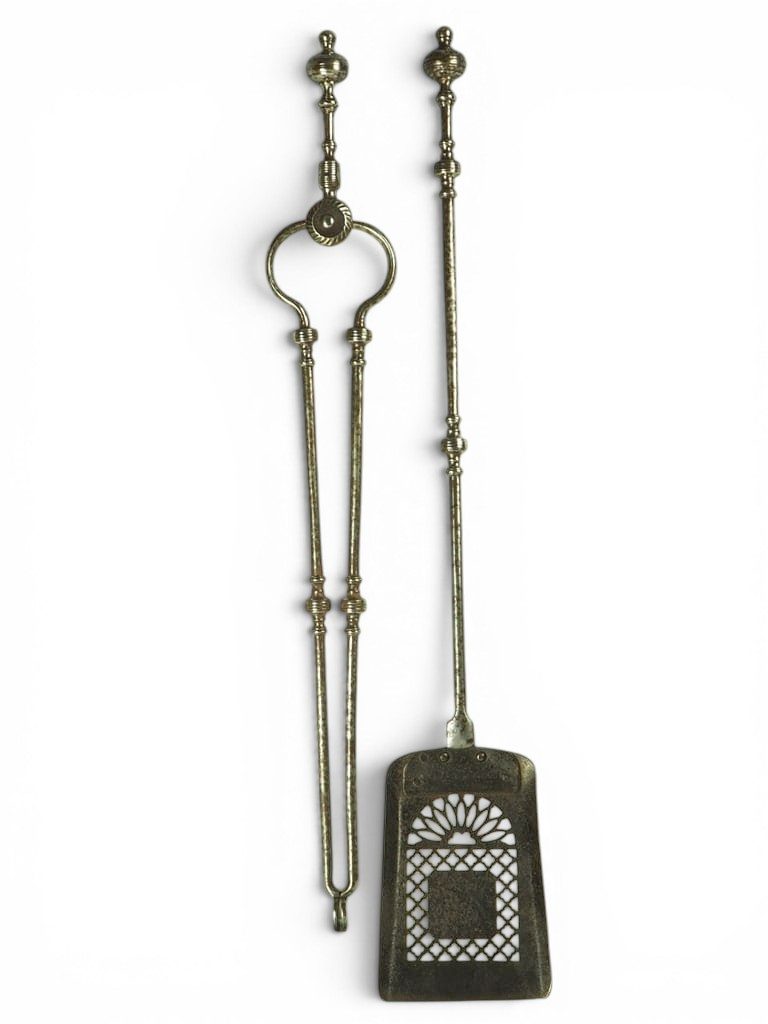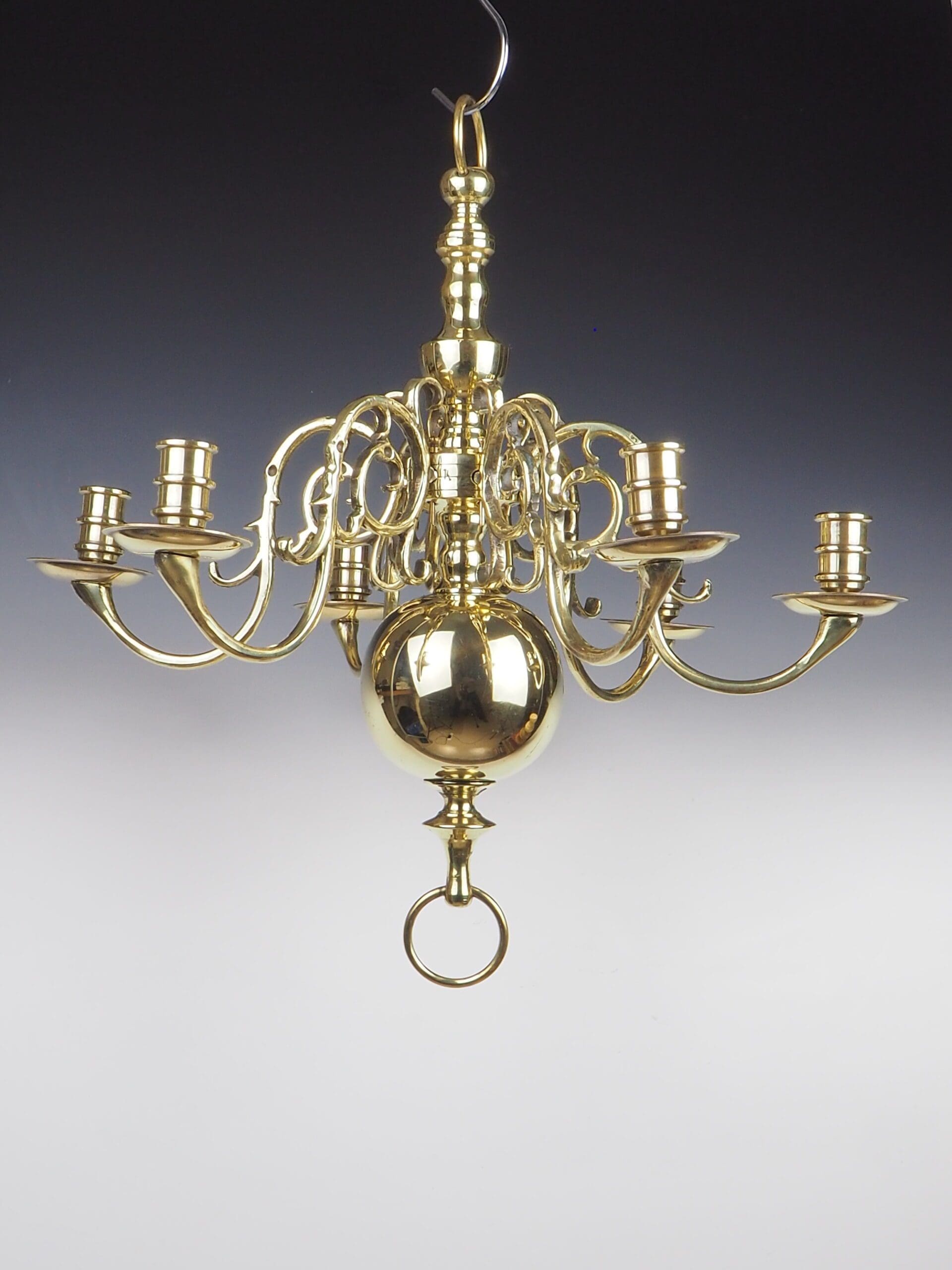
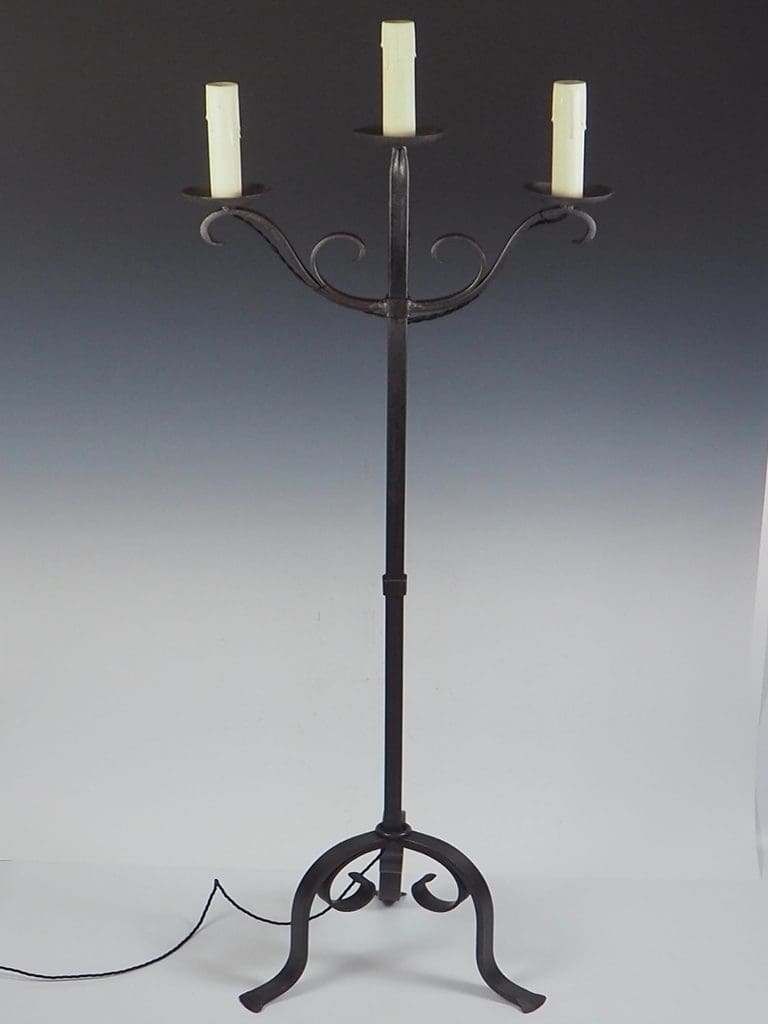
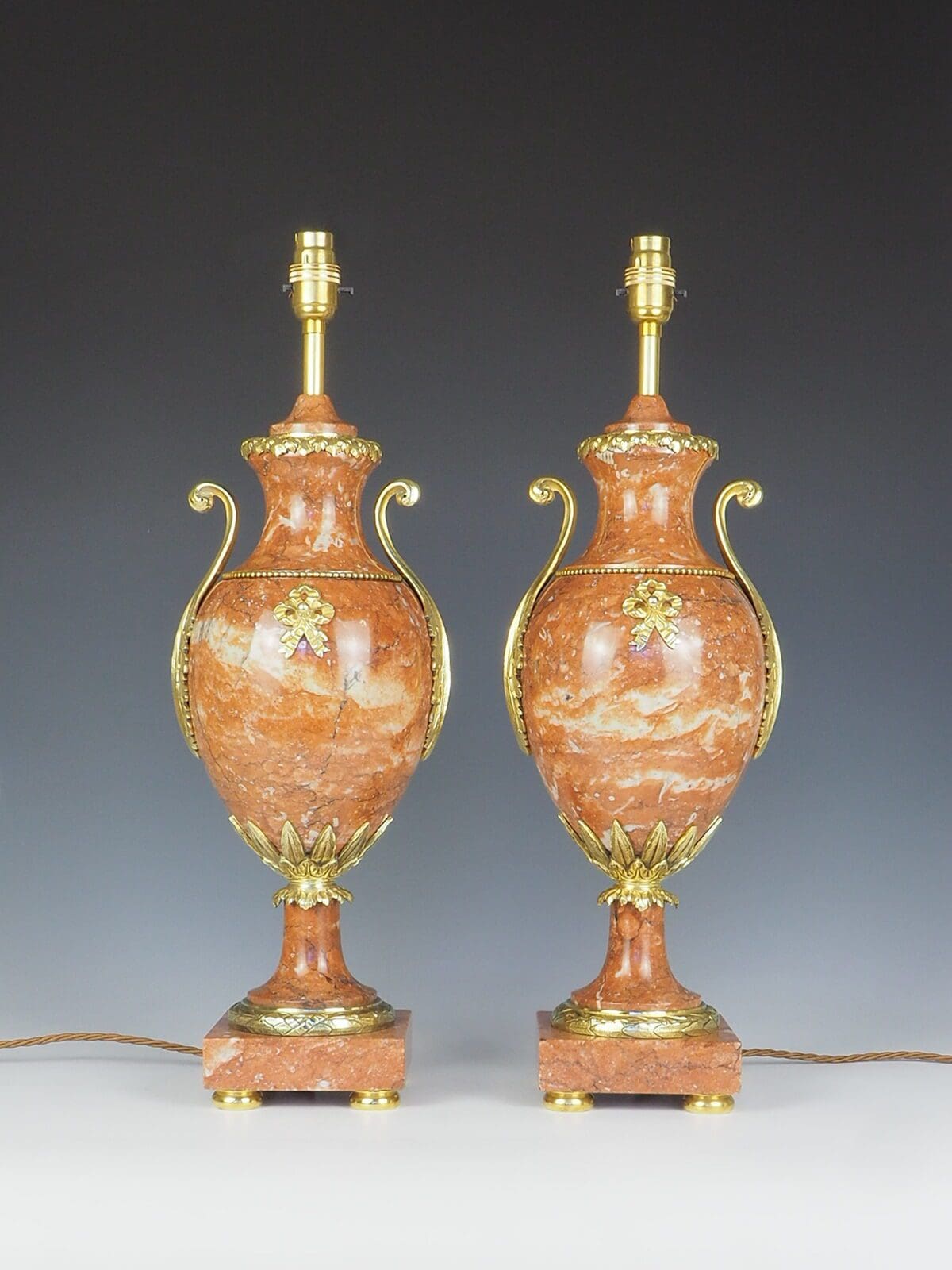
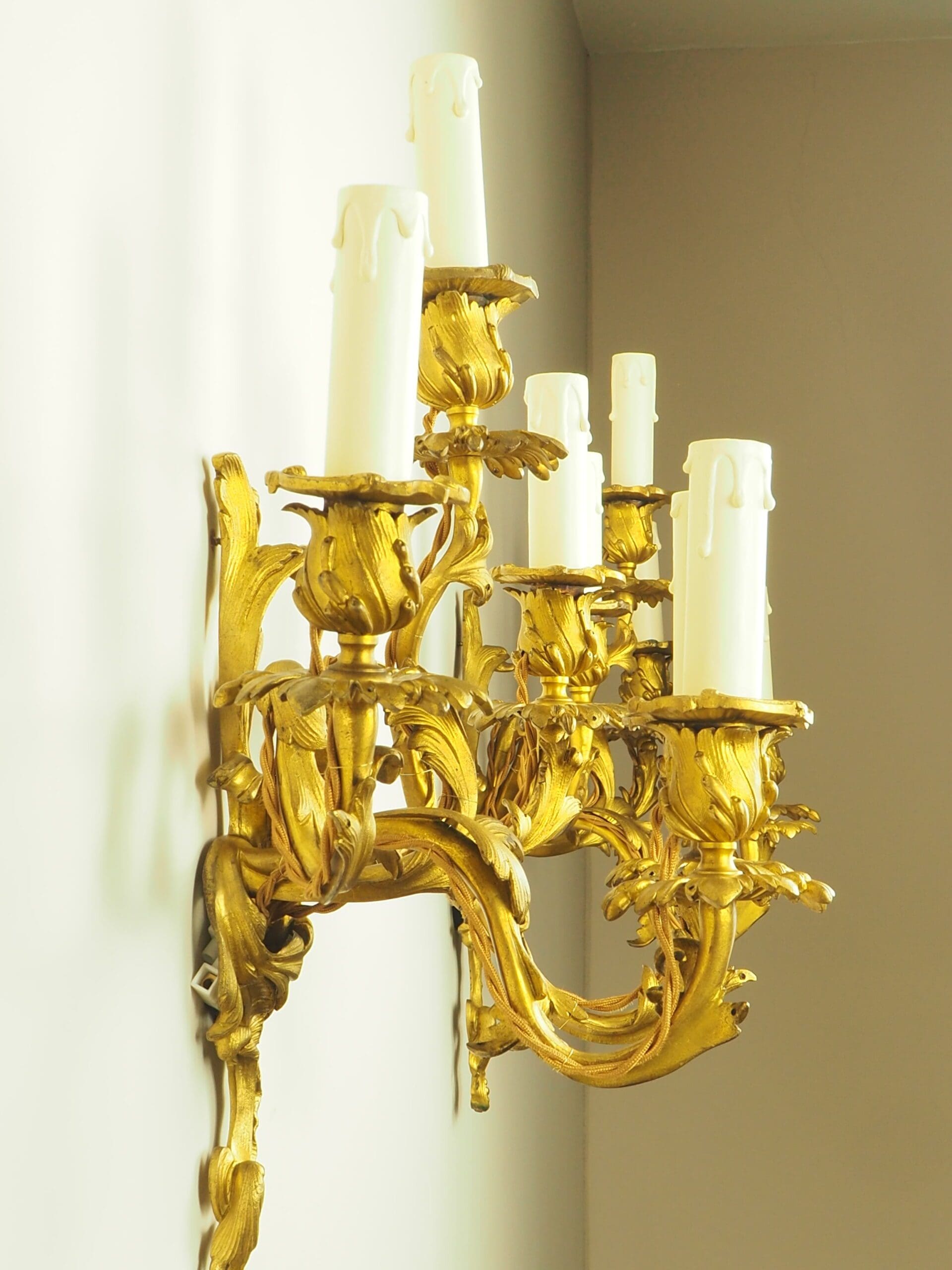



















In an era where climate change and conscious consumption are central to design and lifestyle choices, lighting has taken on a new role: one that marries aesthetic beauty with environmental responsibility. At Shackleton Fox, our approach to sustainable lighting is rooted in timeless craftsmanship, thoughtful restoration, and a deep respect for the planet.
As proud recipients of the "Best Online Antique Lighting Retailer" and "Sustainability Excellence" awards in 2025, we are leading a movement that proves that lighting can be both elegant and ethical.
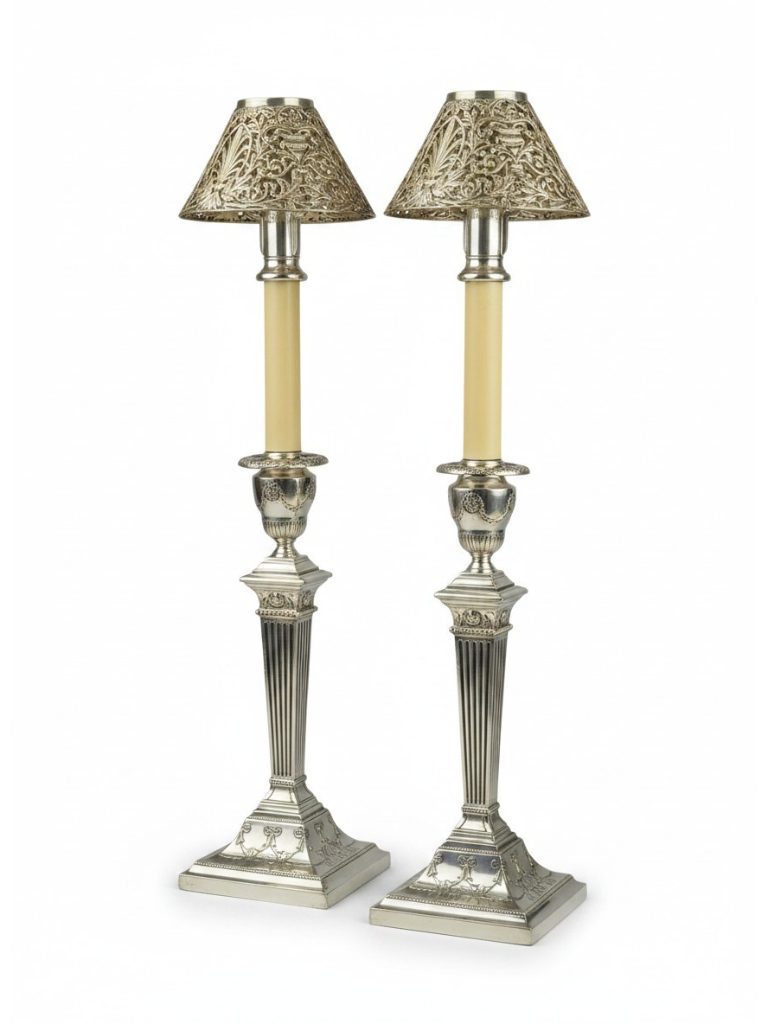
Sustainability is often associated with the new: solar panels, smart systems, energy-efficient manufacturing. But at Shackleton Fox, we champion the old—not out of nostalgia, but for the sustainable values antiques inherently represent.
Antique lighting is inherently eco-conscious. Each piece we restore avoids the carbon-intensive processes associated with new production: mining, smelting, transportation, and packaging. In fact, research shows that reusing a vintage lighting fixture can reduce the embodied carbon footprint by up to 80% compared to manufacturing a new one.
We take pride in our rigorous restoration methods, ensuring that every chandelier, wall light, and pendant is not only visually stunning but also functionally modern and safe. This includes:
Rewiring to meet current safety standards using eco-conscious cabling.
LED compatibility, enabling energy-efficient operation without sacrificing the fixture’s character.
Responsible sourcing of parts and finishes, often salvaged from non-functional period pieces.
Low-impact cleaning and polishing, avoiding harsh chemicals and waste.
Each restored piece is a testament to circular design thinking—where quality and longevity take precedence over disposability.
Buying antique lighting is one of the most stylish ways to reduce waste and fight climate change. Here’s how:
Longevity: These fixtures have already stood the test of time—often over a century. They’re built to last longer than most mass-produced modern lights.
No New Resources Needed: The metals, glass, and embellishments in antique lighting require no additional mining or industrial processing.
Low Carbon Footprint: Minimal emissions are involved beyond transportation and restoration.
Preserving Craftsmanship: Supporting heritage design reduces demand for fast-furniture lighting.
One of the biggest concerns customers have is energy usage. Thankfully, advances in LED technology mean that nearly all of our restored fixtures are LED-compatible. LED bulbs now come in candle, globe, and filament styles to preserve the authenticity of antique aesthetics while slashing energy consumption.
On average, replacing incandescent bulbs with LEDs can reduce lighting energy use by 75%, making antique lighting just as efficient as modern alternatives.
Interior designers are increasingly turning to antique lighting to create meaningful, sustainable spaces. A single antique pendant can:
Reduce demand for mass-manufactured fixtures
Add character and uniqueness to minimalist interiors
Tell a story that engages homeowners and guests
At Shackleton Fox, we work closely with designers to supply lighting that enhances both ambiance and eco-credentials.
Sustainability doesn’t stop at the light fixture. We carefully package our products using recycled, biodegradable materials wherever possible, and work with carbon-offsetting delivery partners to minimize emissions in transit.
Our commitment to sustainability is not just a trend—it's our ethos. We believe that lighting can be both beautiful and responsible. Every antique light we restore and sell represents a step toward a more sustainable future—one that values history, conservation, and craftsmanship.
As you illuminate your home or project, we invite you to consider the lasting impact of your choices. With Shackleton Fox, you’re not just buying a light—you’re making a statement for sustainability.
Explore our curated collection of sustainable antique lighting at www.shackletonfox.co.uk, and join us in lighting the path to a greener future.