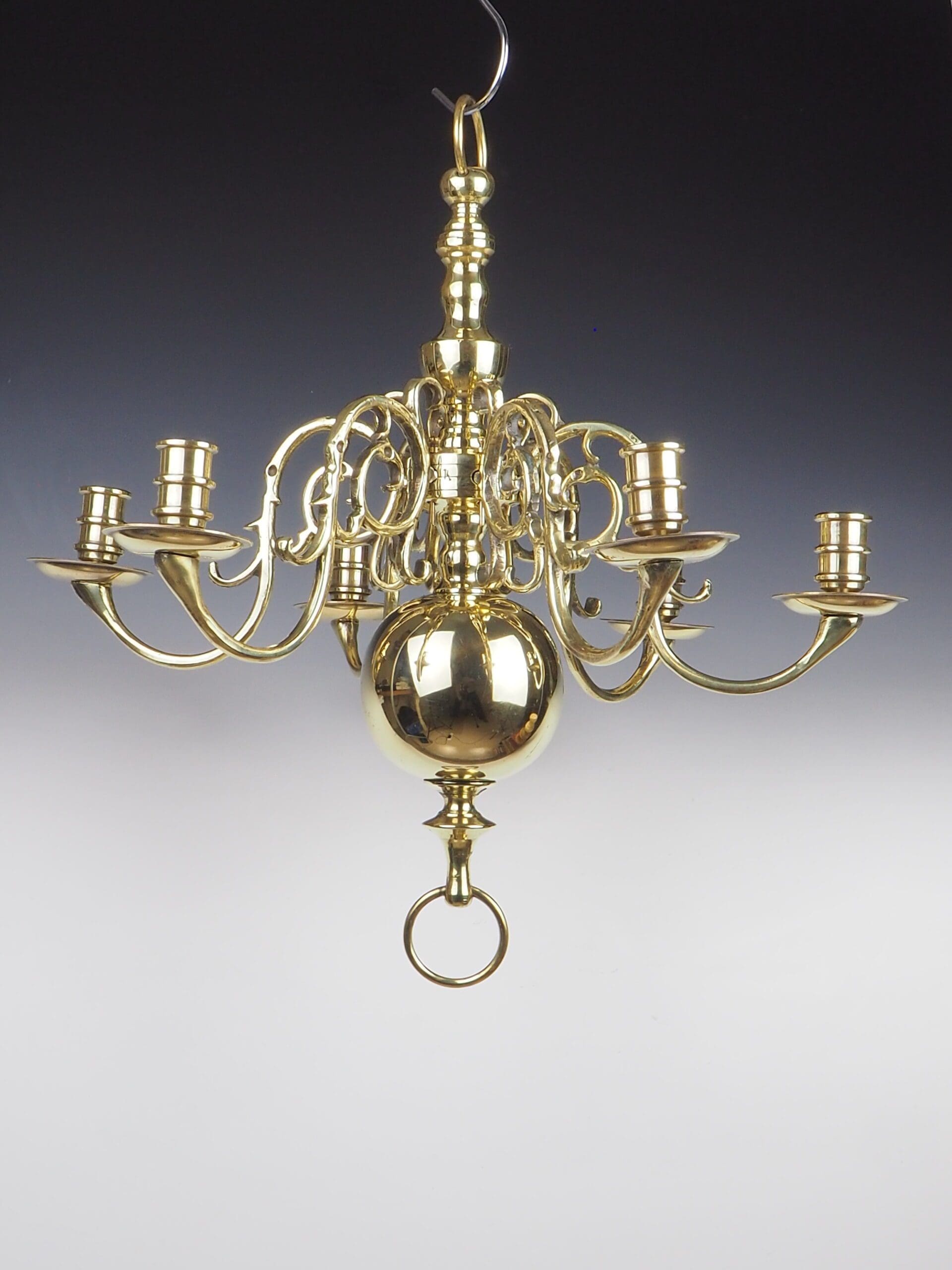
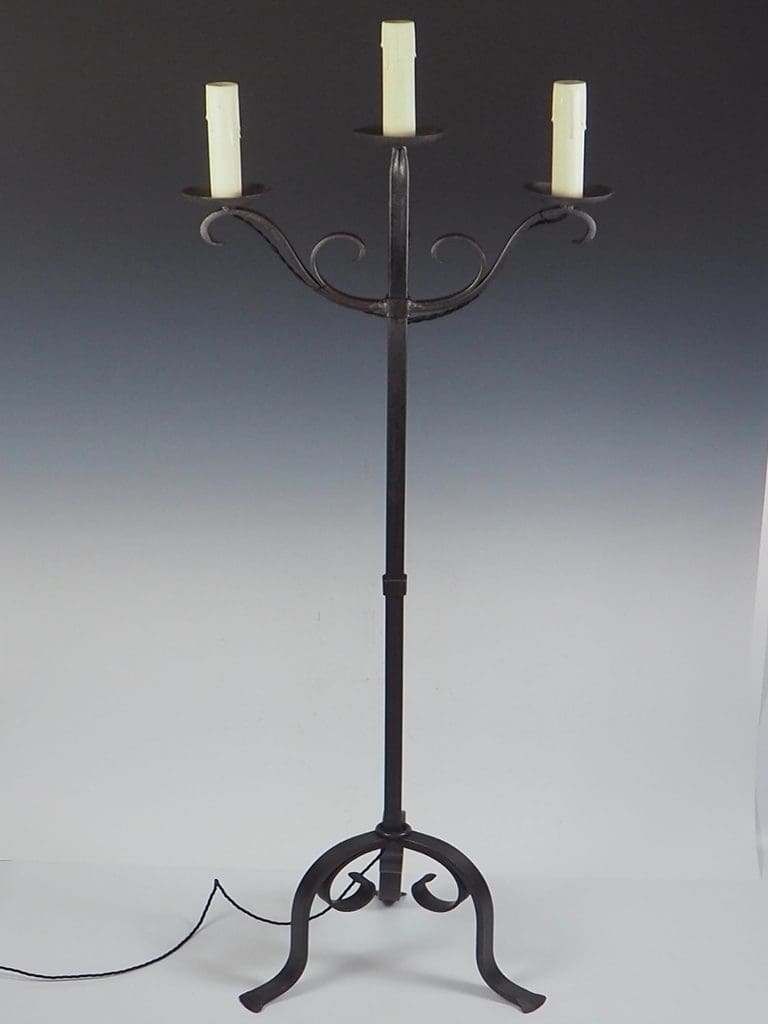
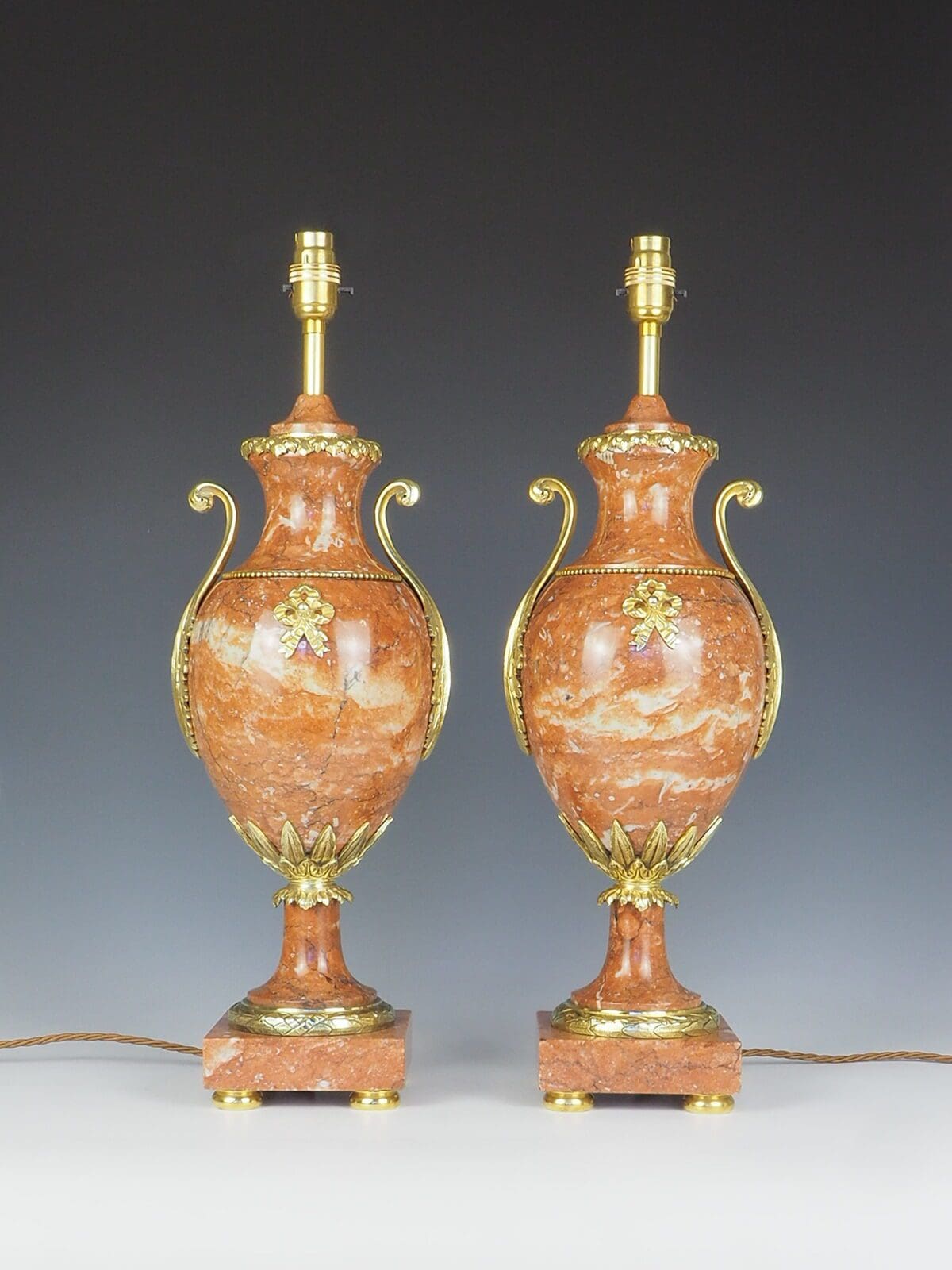
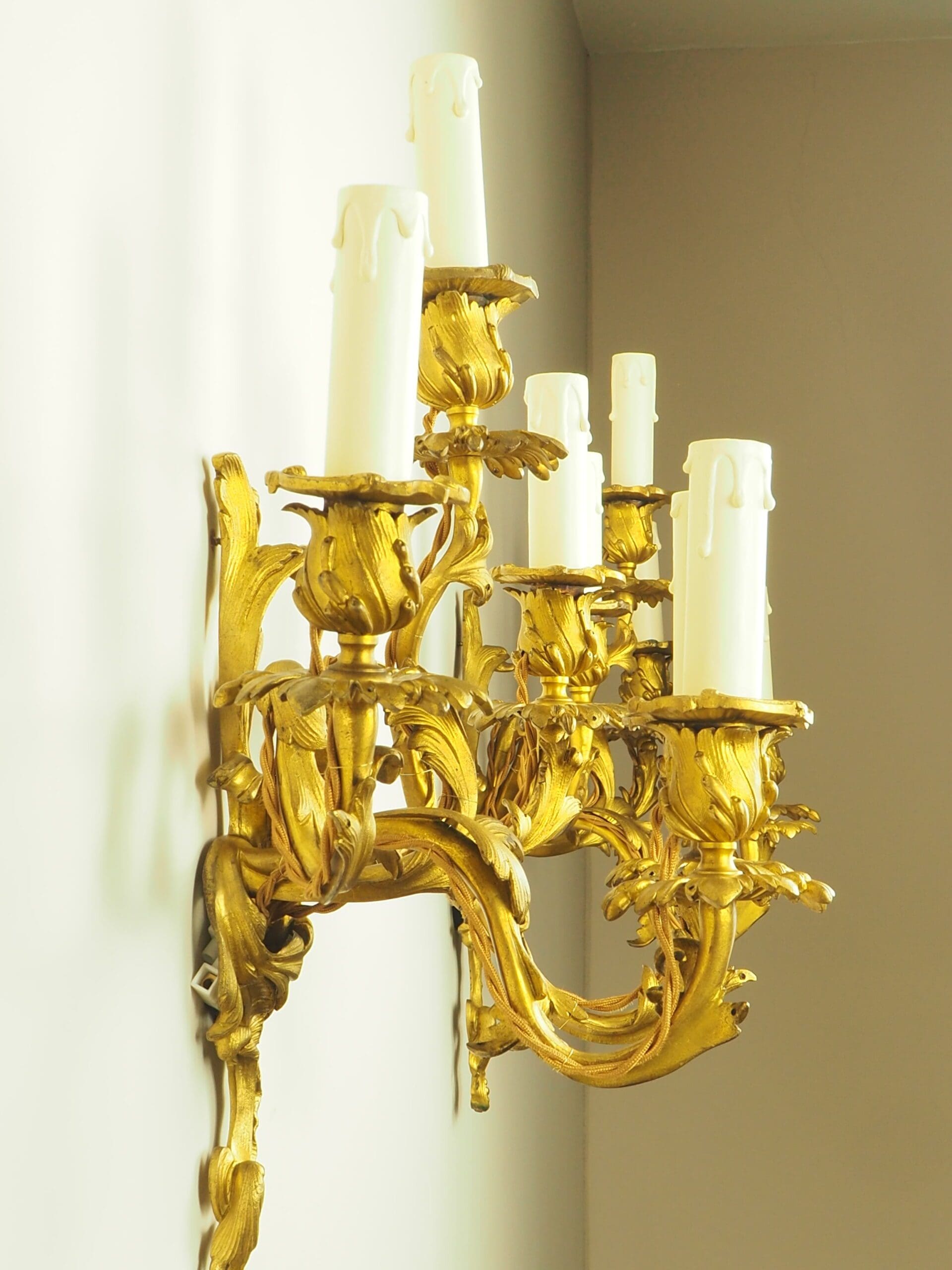
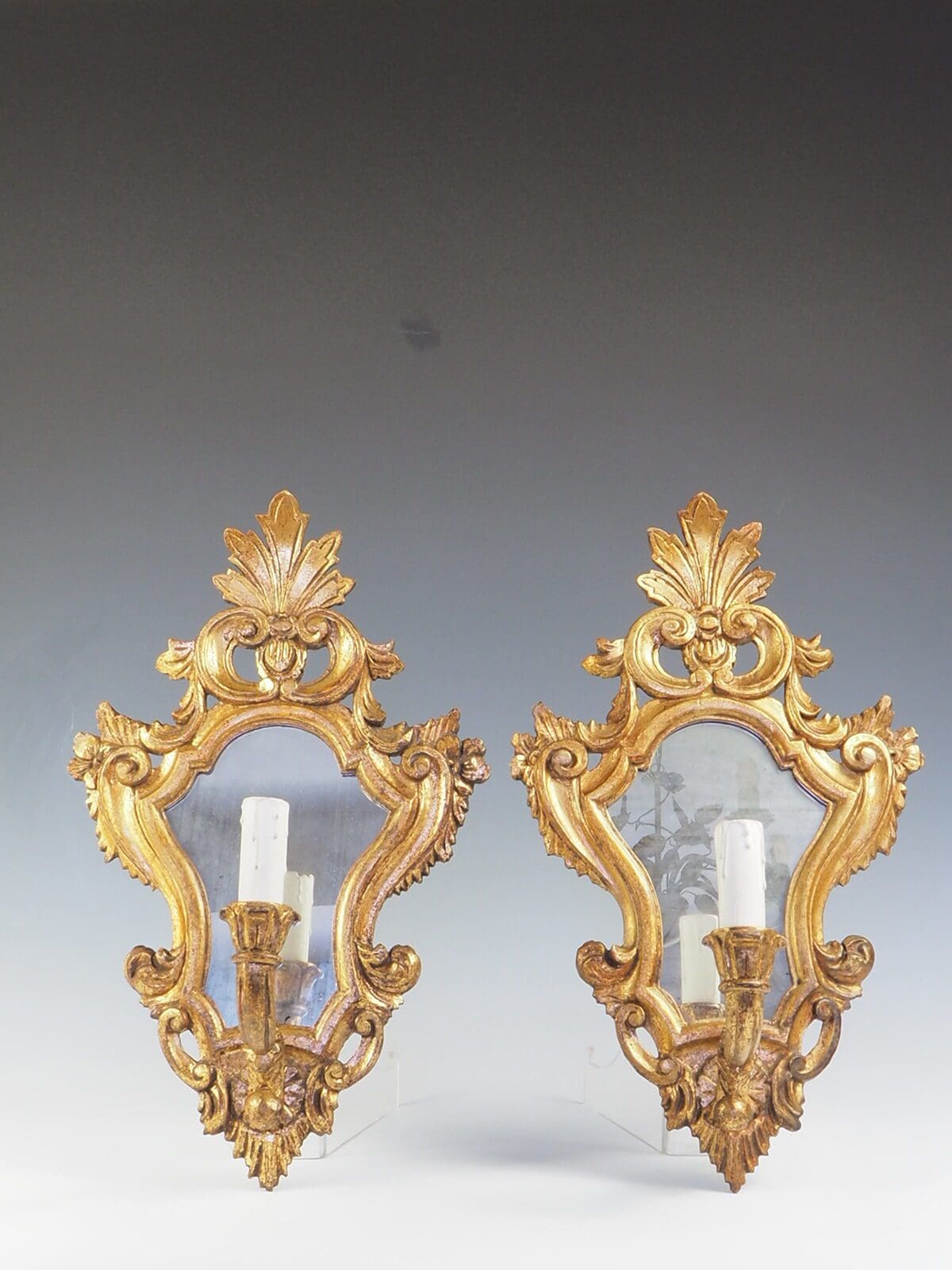
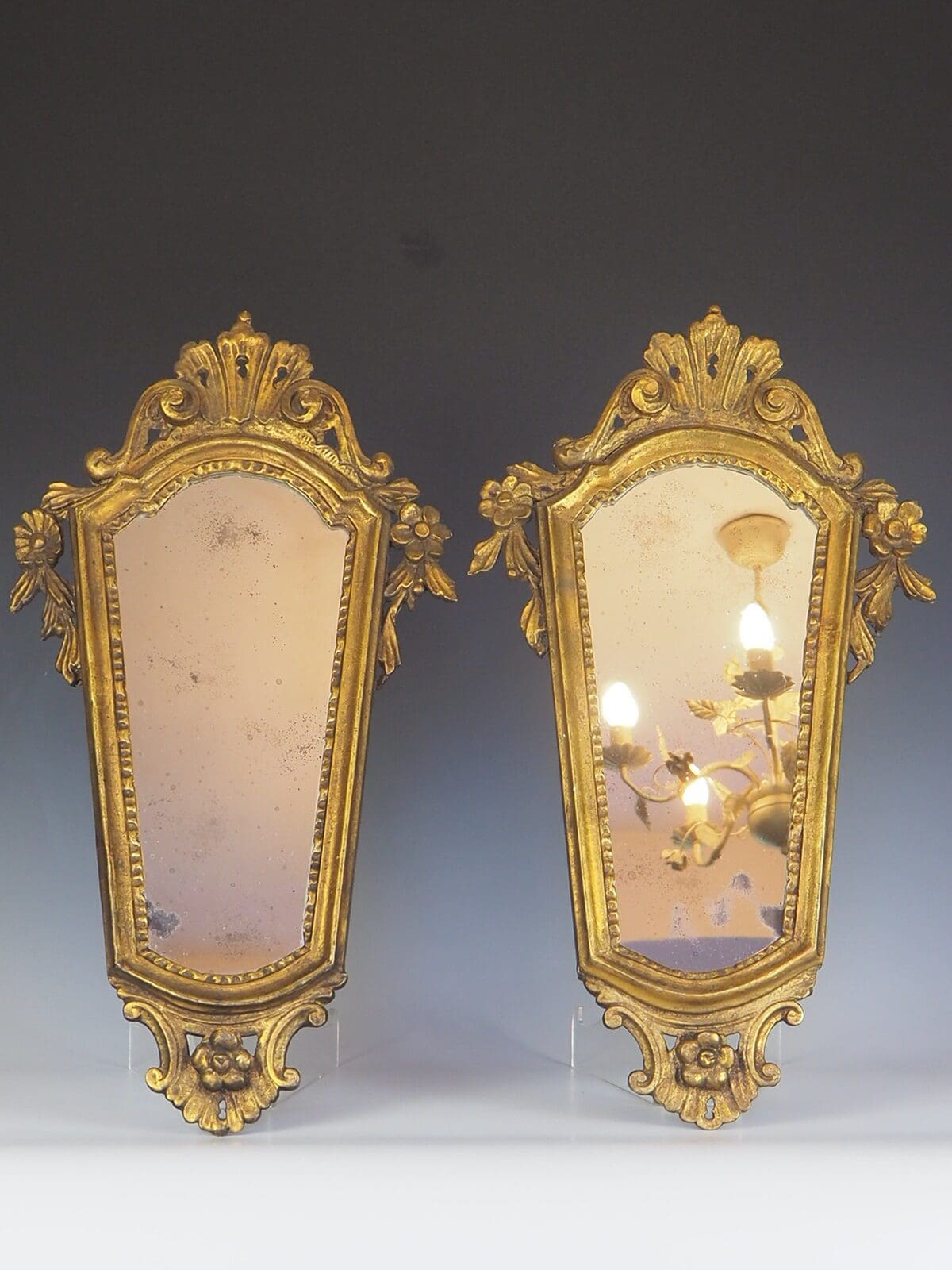

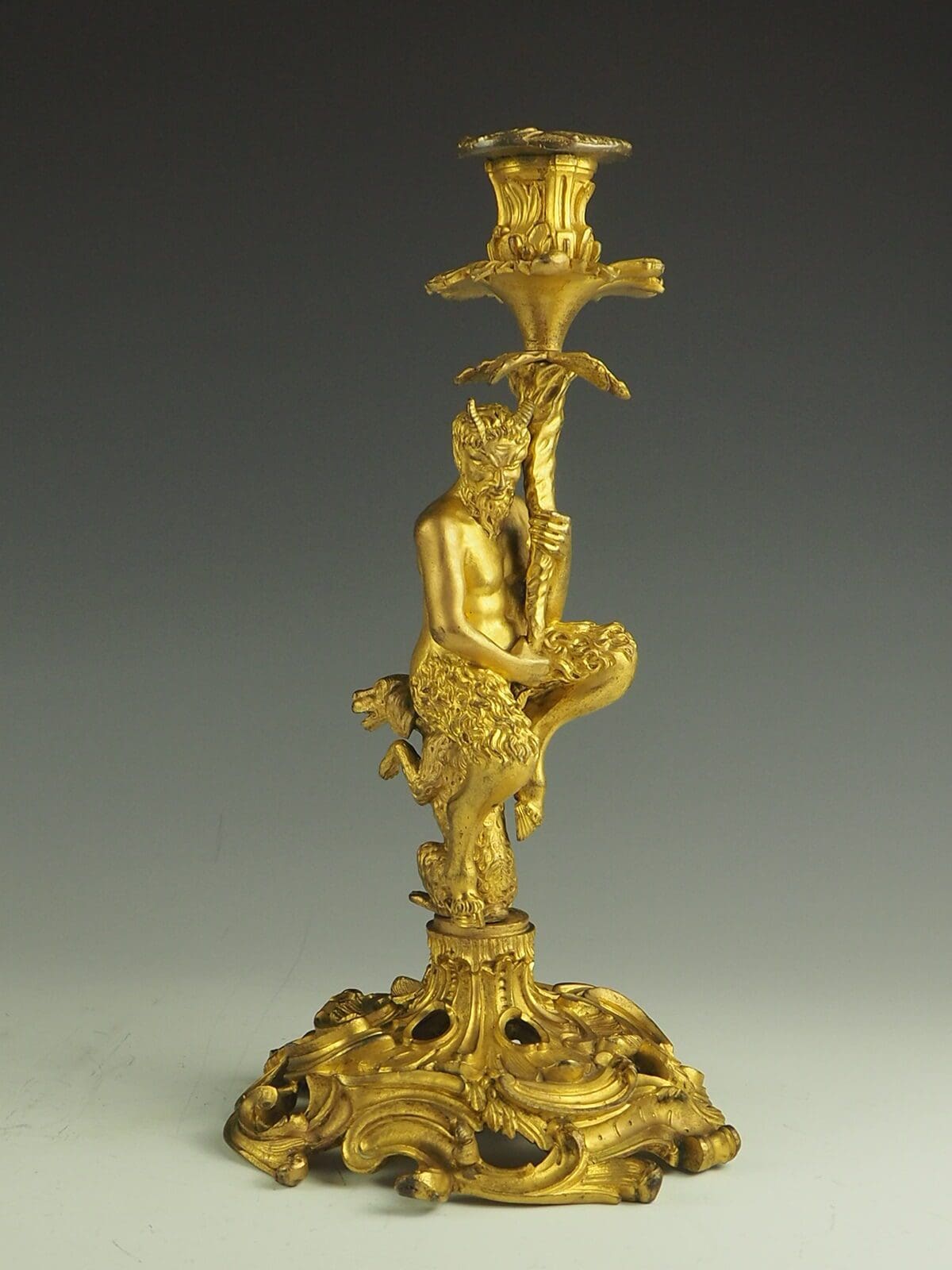
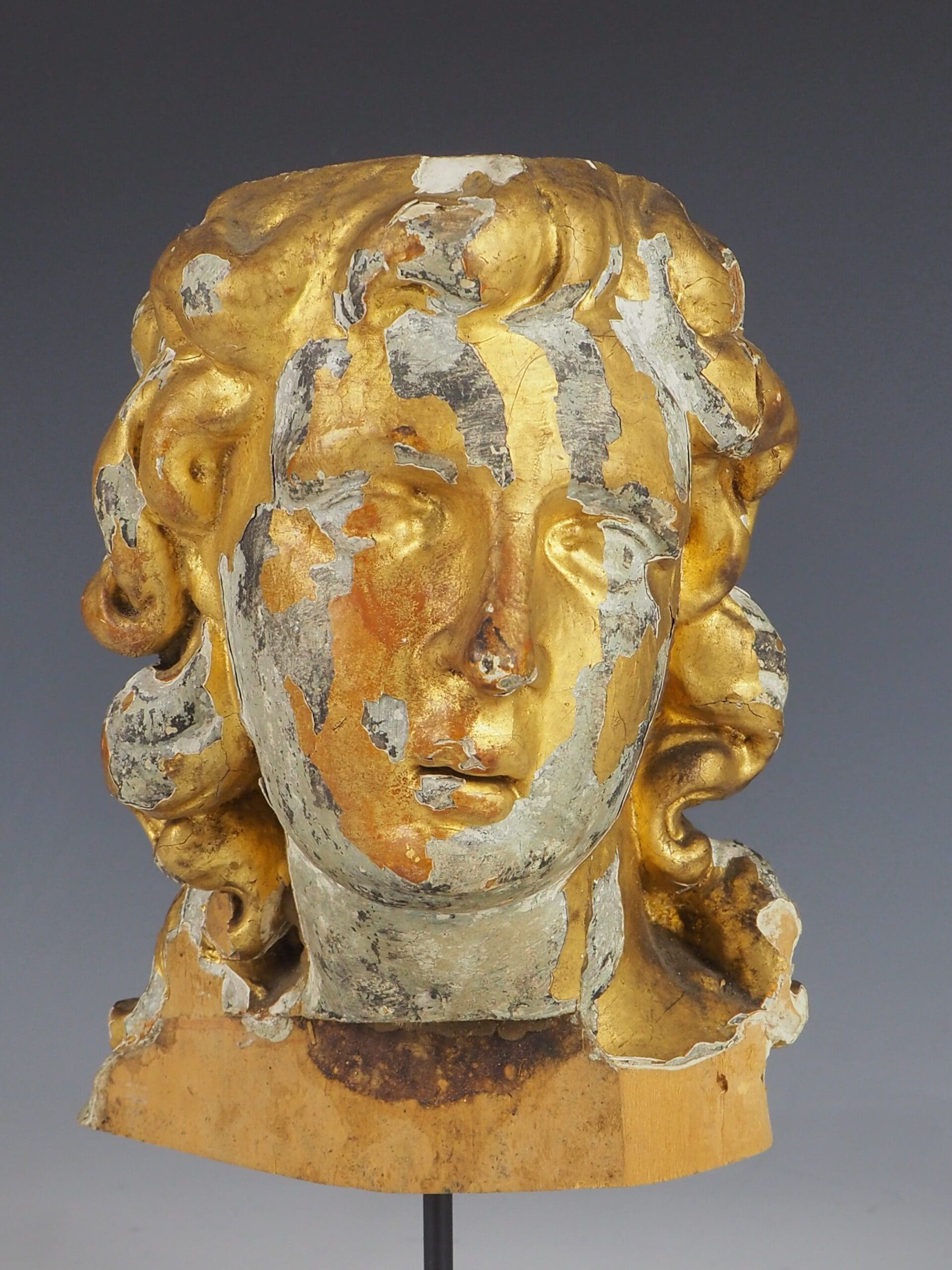
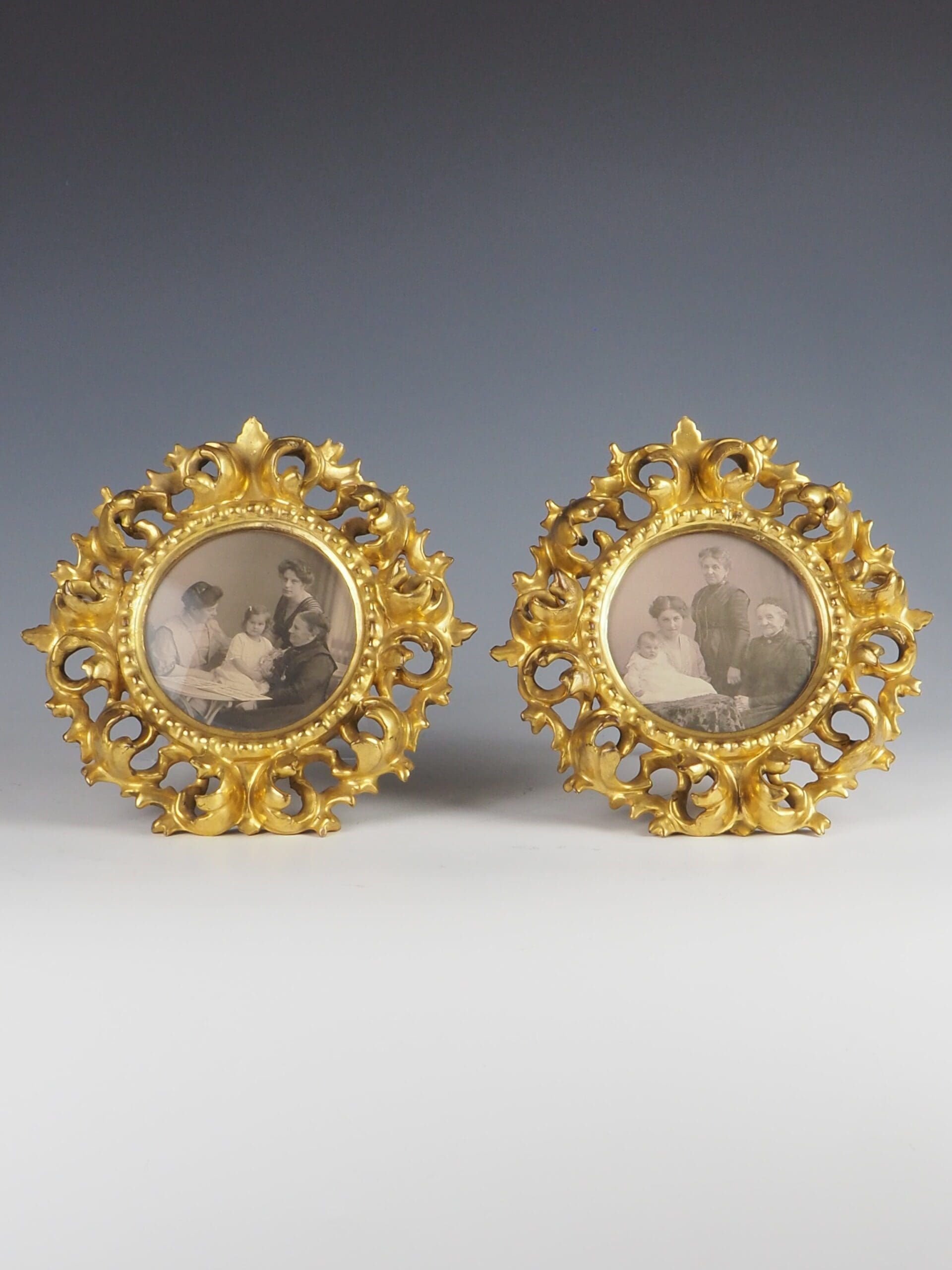
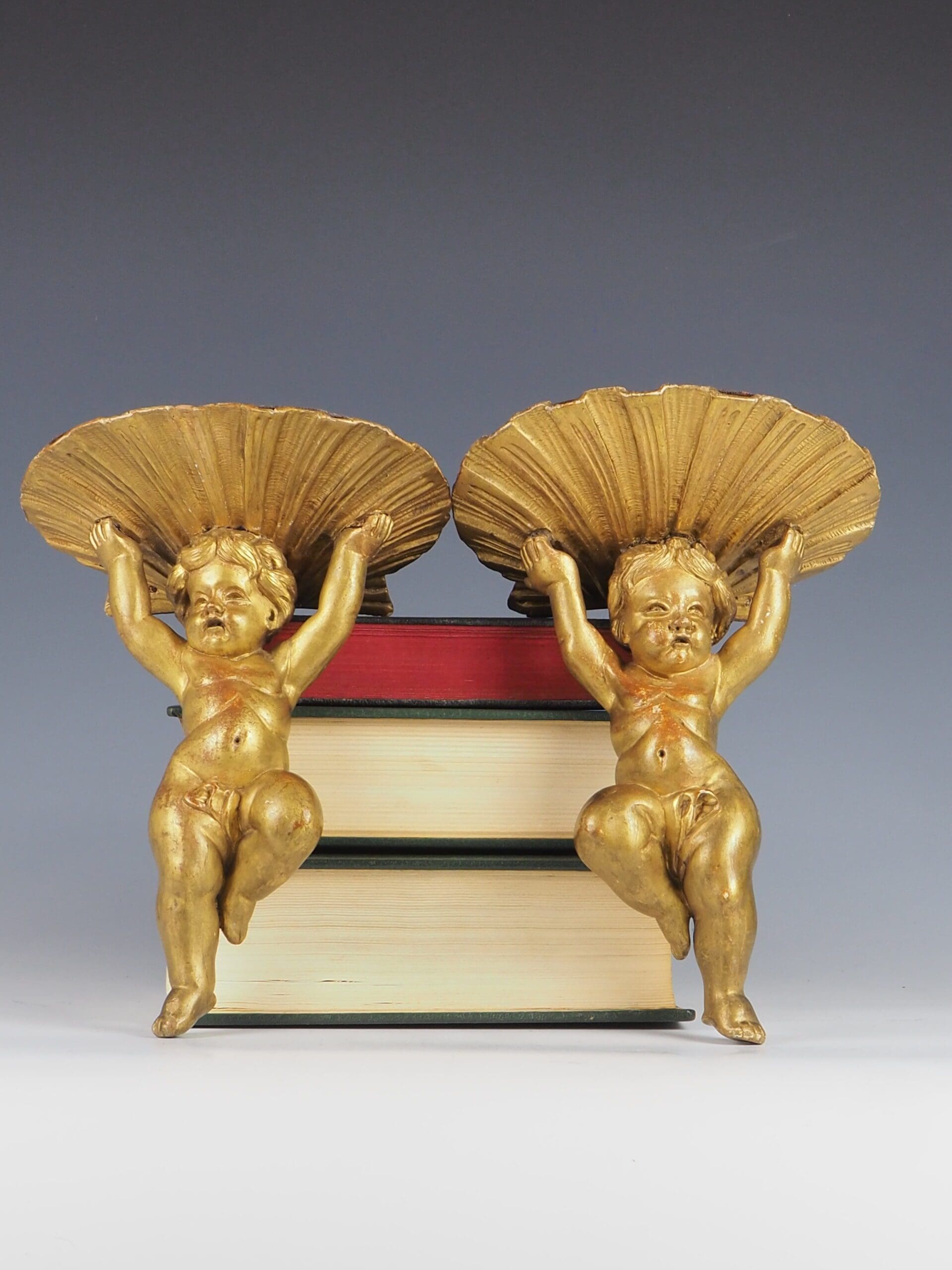
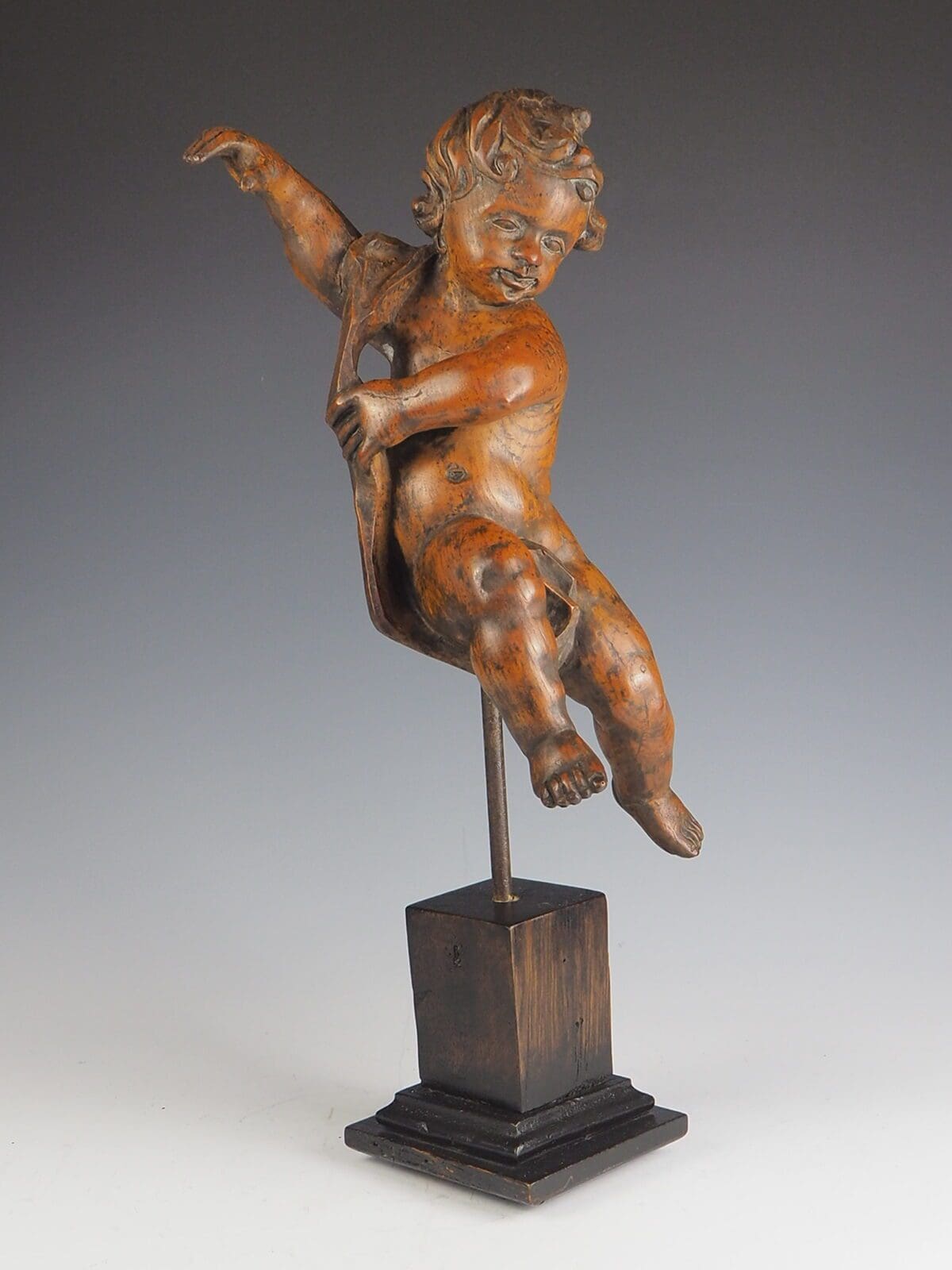

Introduction: Giltwood Origins
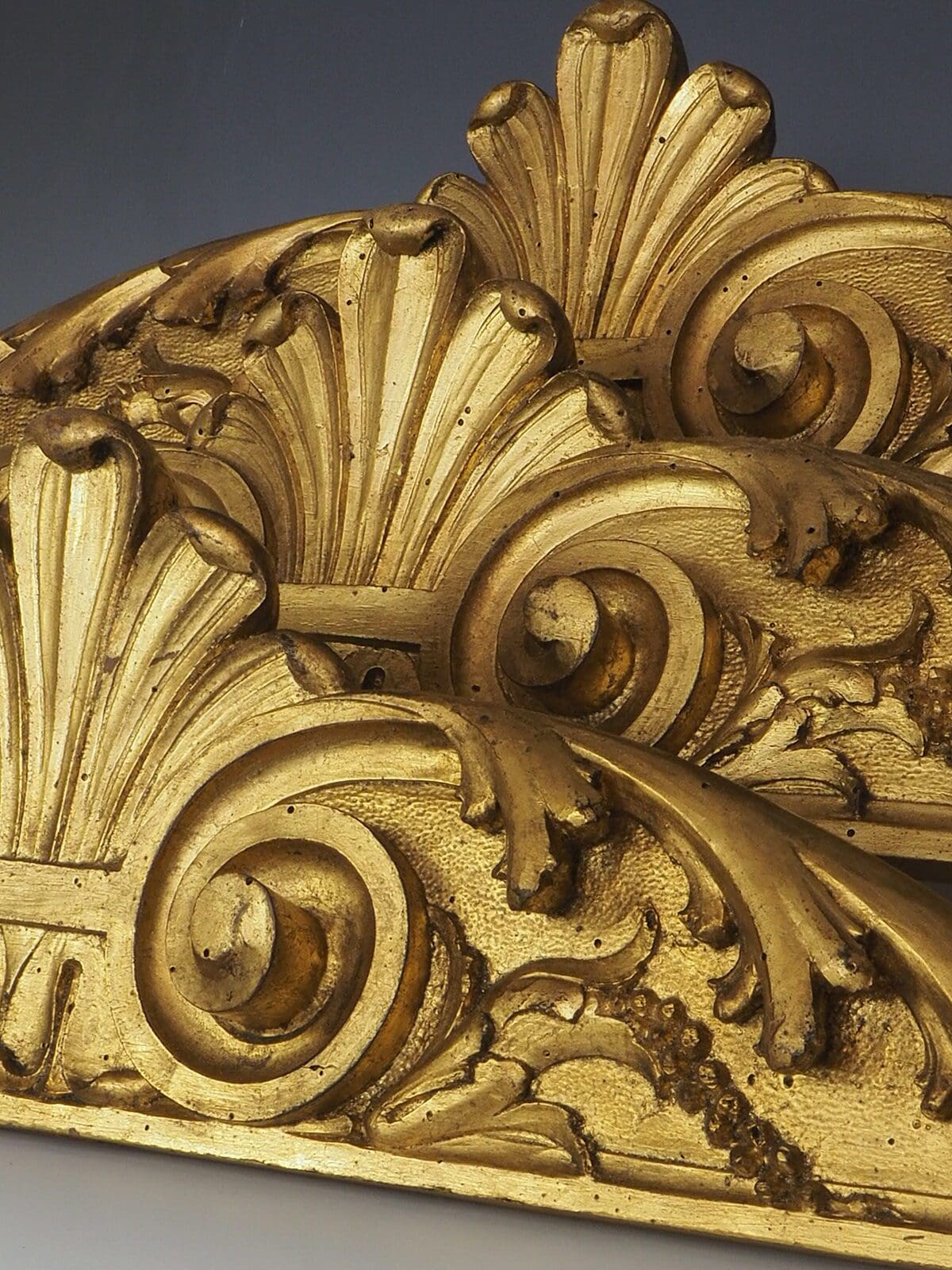
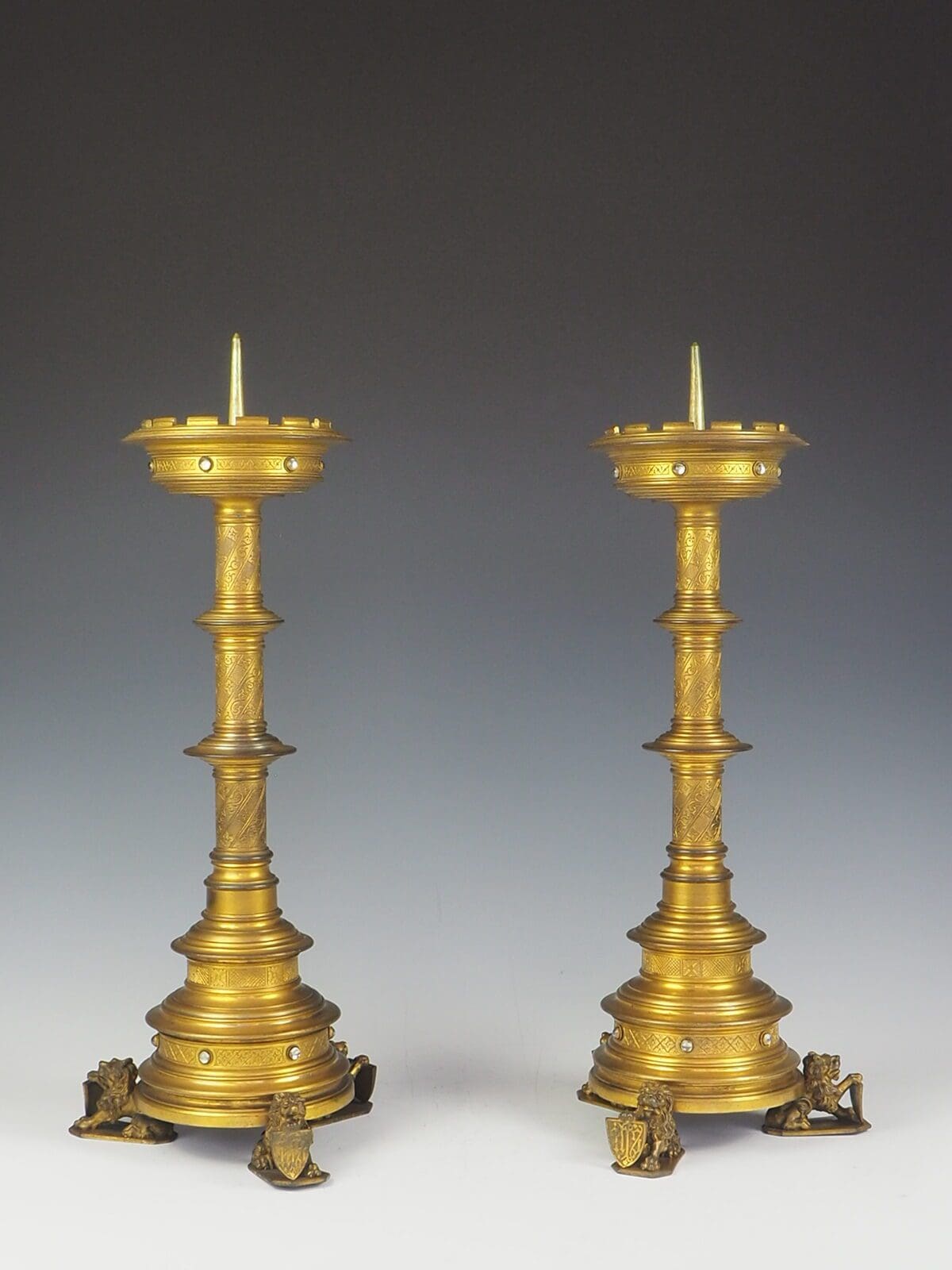
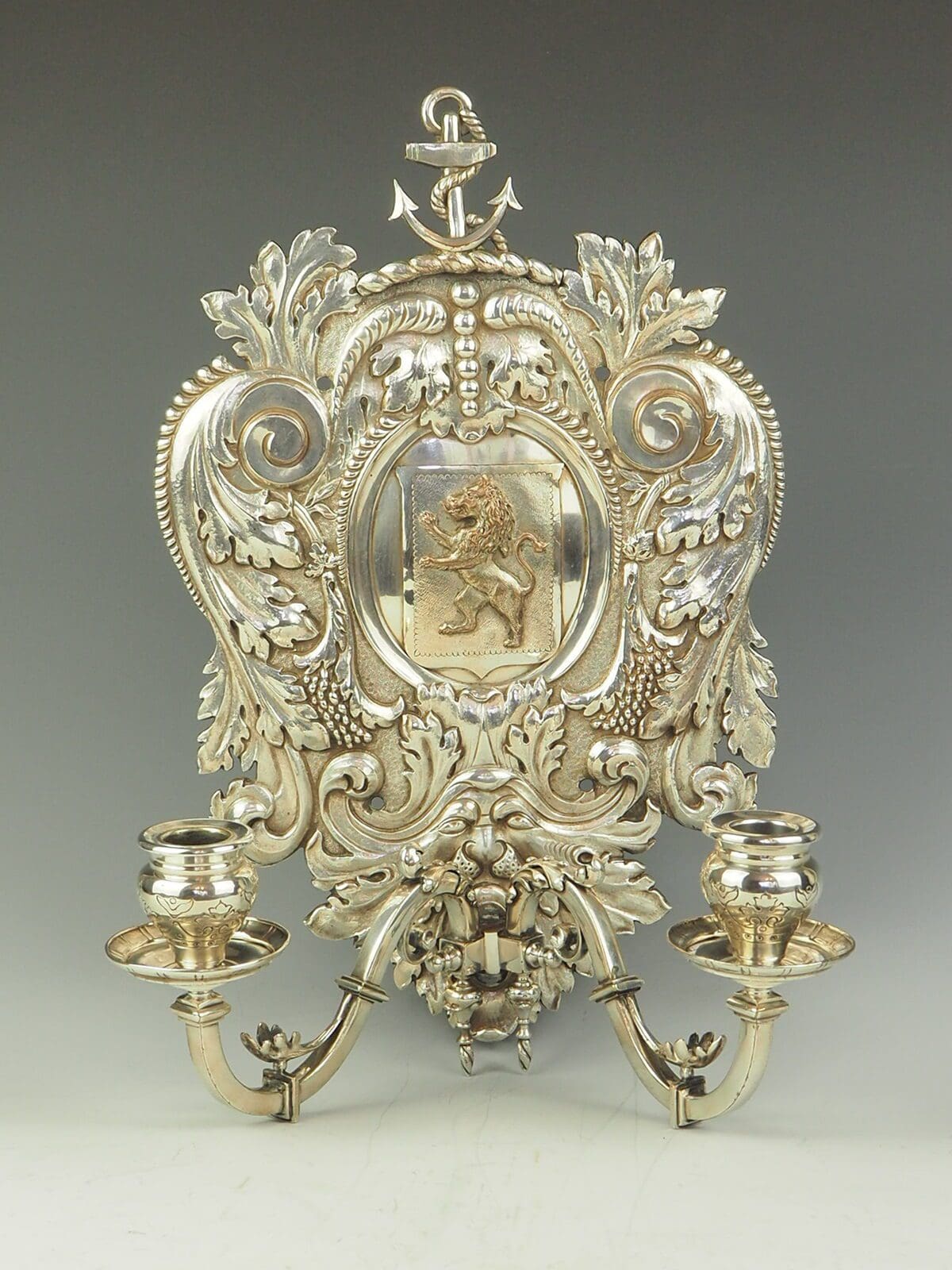
Giltwood refers to an antique that is surfaced with gold leaf, which is traditionally applied
via the process of water gilding. Gilded antiques have been dated back to 3000BCE
originating in the Middle East, where tomb paintings have been discovered that represent
gold beaters preparing to gild. Gilded items identified over this time period are located from
Egypt, and in 400BCE from China and Athens. The ancient Egyptians gilded tombs, furniture,
and Palaces, rooting the historical value of gilded antiques to ancient art practices, and a
shared human desire for luxury and beauty, that associates the gold material to wealth.
Water Gilding
Water gilding is a gradual process, in which a craftsman must consider the items surface and
prepare it accordingly, milling, sanding, and joining the item before applying the first layer.
Gesso (a primer made from chalk and glue) is painted on to the surface to fill grooves and
gaps in the wood, often several coats are layered before filing and sanding the surface to its
desired state. Next, bole (a thick paste that warms the surface) is heated and added as
another layer. The ancient practice of gilding requires the gold to be tapered, by turning and
hammering, to stretch the material equally, and ensure a soft, thin layer. Before applying
gold leaf, water and alcohol are used to varnish the surface which activates the adhesive
properties in the bole. Then the craftsman - using a tip brush – with meticulous attention to
detail, will lift and place the gold leaf and use a mop brush to smooth and sweep off the
excess gold. Often gold leaf ornaments are burnished, a technique that removes layers of
the gold for an aeneous tone, providing a darker and aged appearance. If left un-burnished,
the gold exhibits an aureate lustre, however is more susceptible to natural weathering.
Giltwood in the West
English craftsmen practised water-gilding, starting in the 17 th century, when gilded items
became increasingly sought after. Throughout the late Renaissance period, an age of
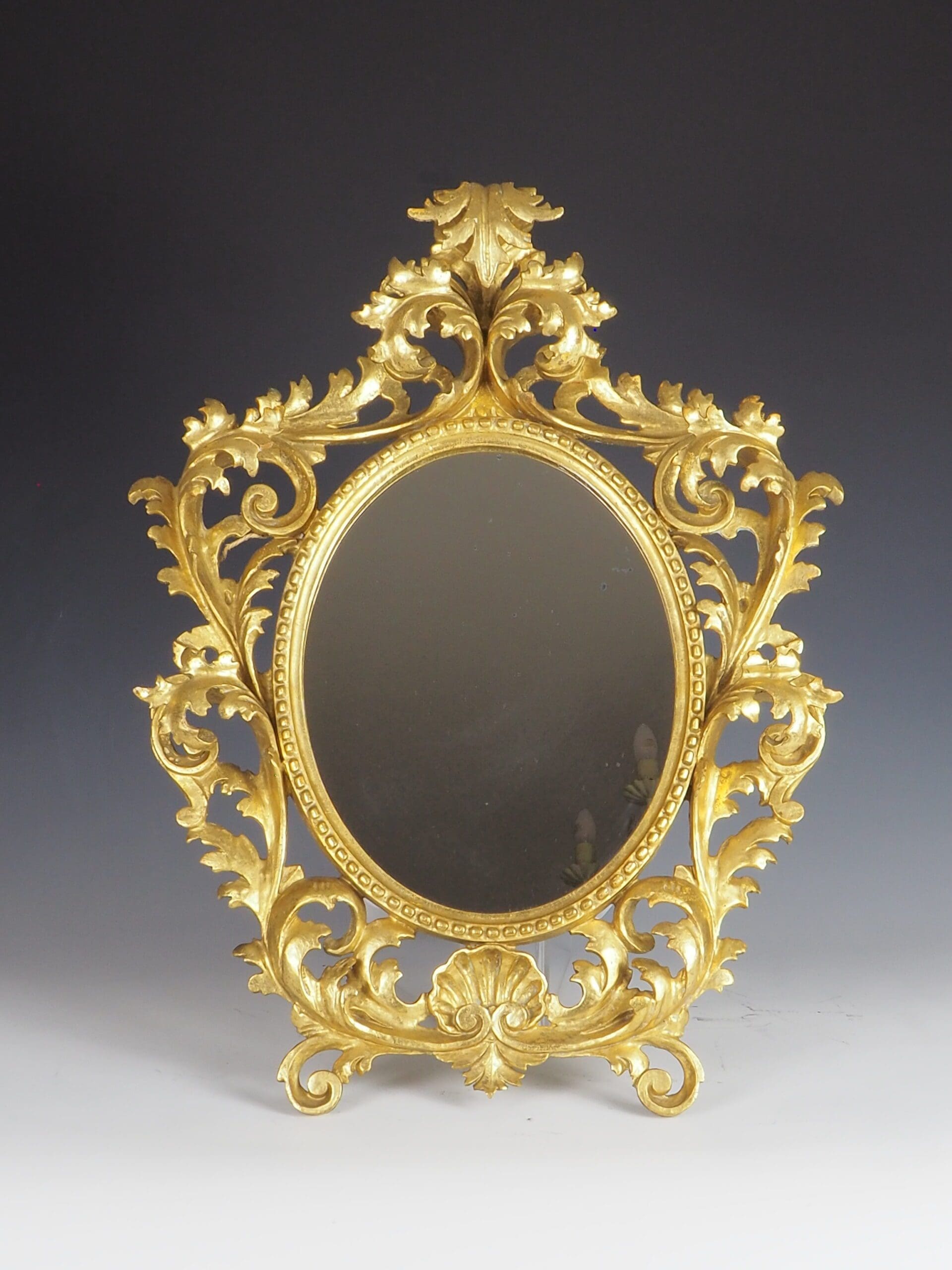
political, cultural, and artistic revival; the possession of; giltwood furniture, sculptures,
frames, and mirrors suggested an eminence of social assiduity and a tasteful appreciation
for art and culture. Georgian society continued to favour gilded antiques, sustaining a
market demand that increased the production, and the price of, pre-existing antiques.
Today, gilded items possess both a rich historical and monetary value and are high-grade
antique collectables.
At the end of the 19 th century owners of modern buildings in the West demanded the skills
of gilding techniques, to be used in the construction of housing to emulate French and
Italian aesthetics in American mansions. This period was known as the Gilded Age, in which
Americas economy was increasingly prosperous and profited Americas ‘royalty’ and most
bourgeois society. Investments were made to embellish the mansions structurally and
decoratively by gilding; homeowners hosted lavish parties in ballrooms surrounded by gold
leaf mirrors, gilded chandeliers, and ceilings.
Conclusion
In the 21 st century, gold is often beaten by a machine, liberating the human relationship
between the craftsman and the material, and provides a less malleable gold to work with.
The intense labour that gilding requires explains why fewer giltwood antiques are produced
today. The method of gilding remains the same today as in the 17 th century, however
modern items are not as valuable as the older antiques, because they do not share the
historical and artistic sentiments which provide a narrative of the past.
Written by Guest Blogger: Anya Tindale