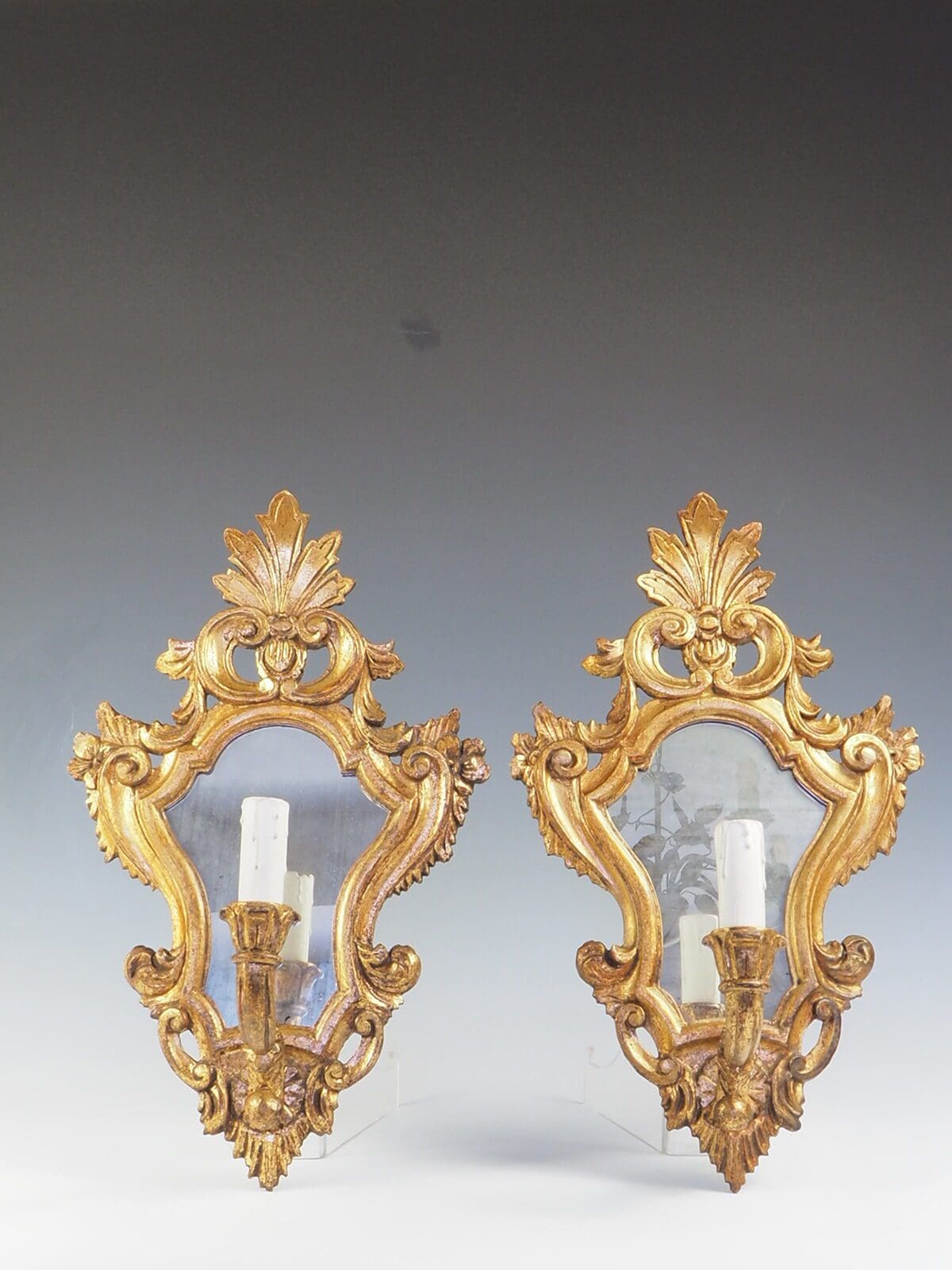
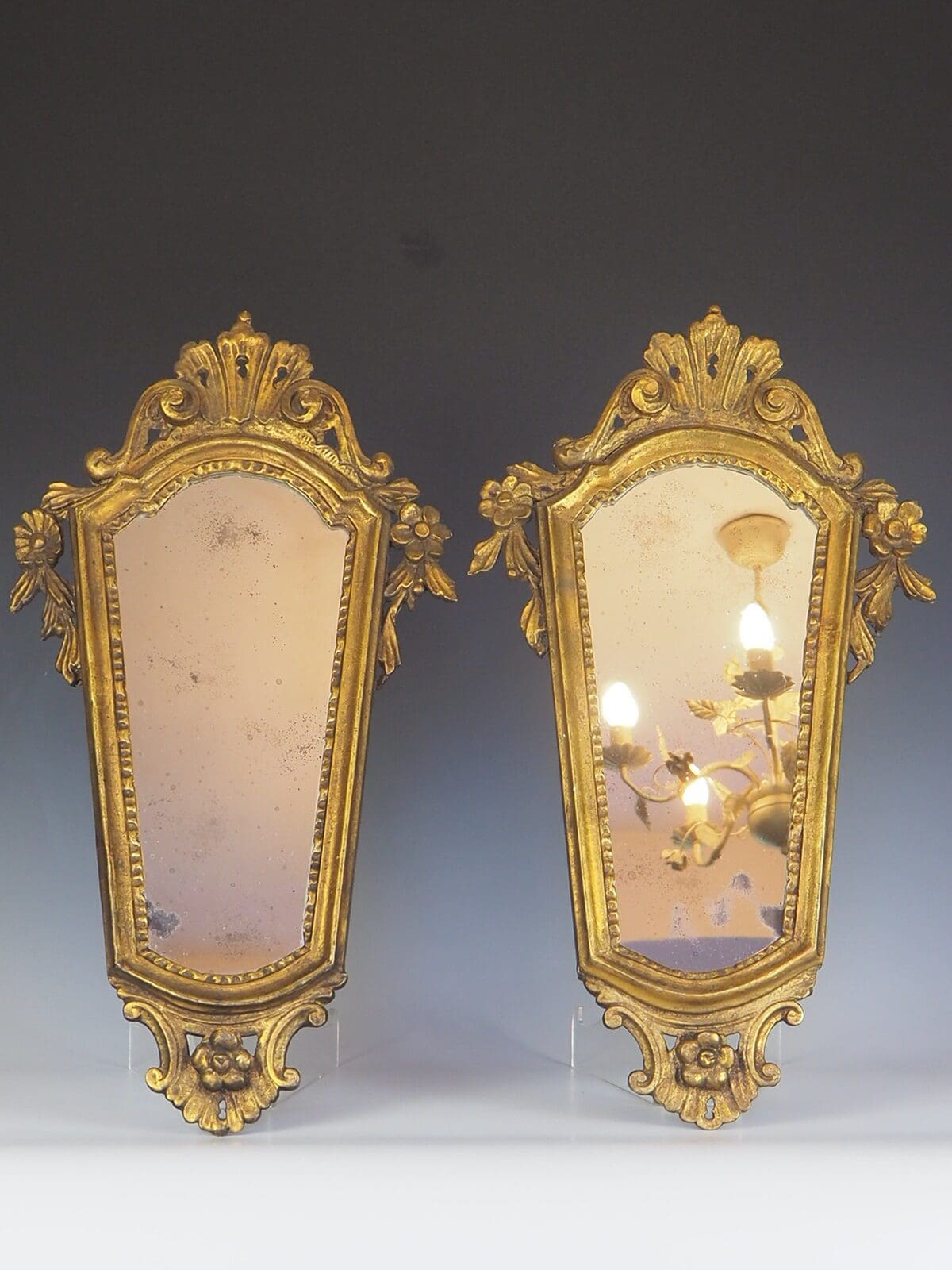
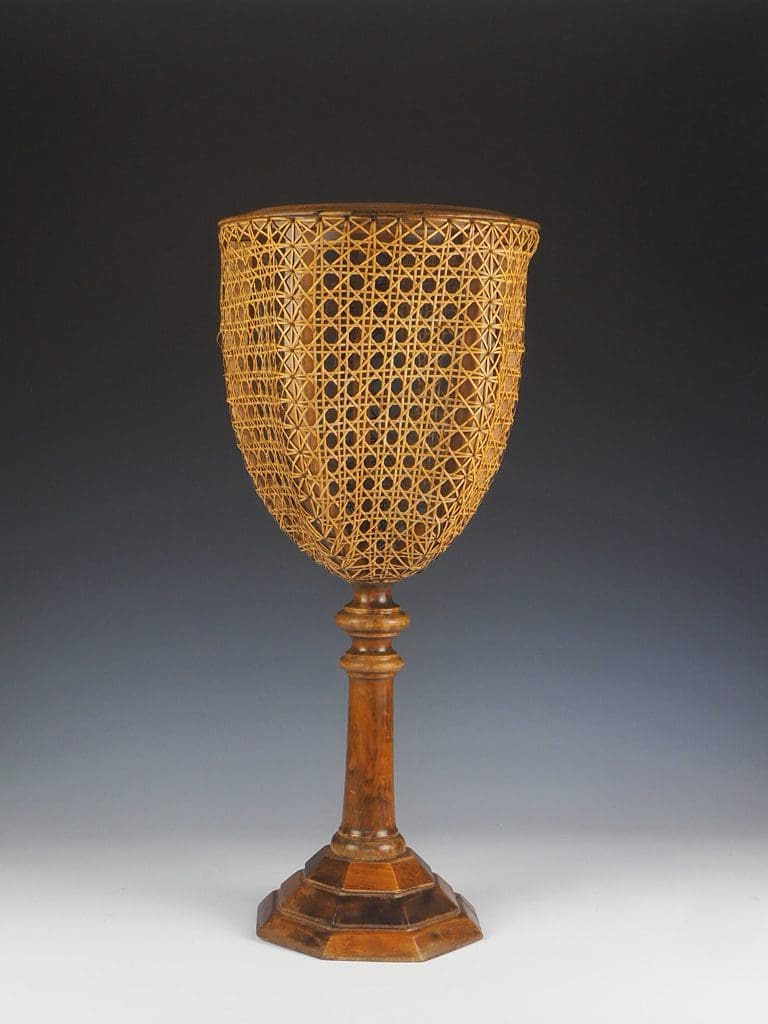
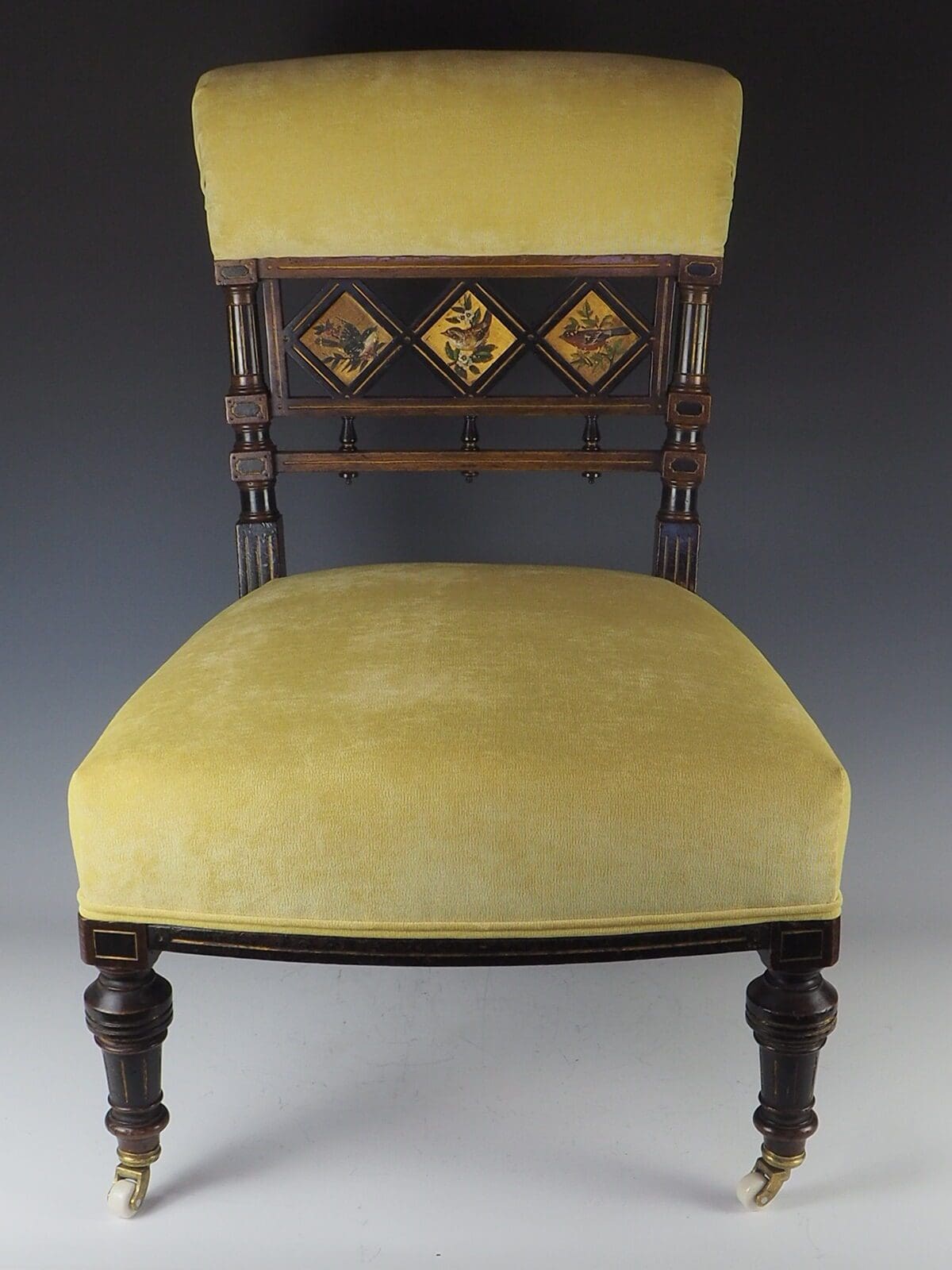


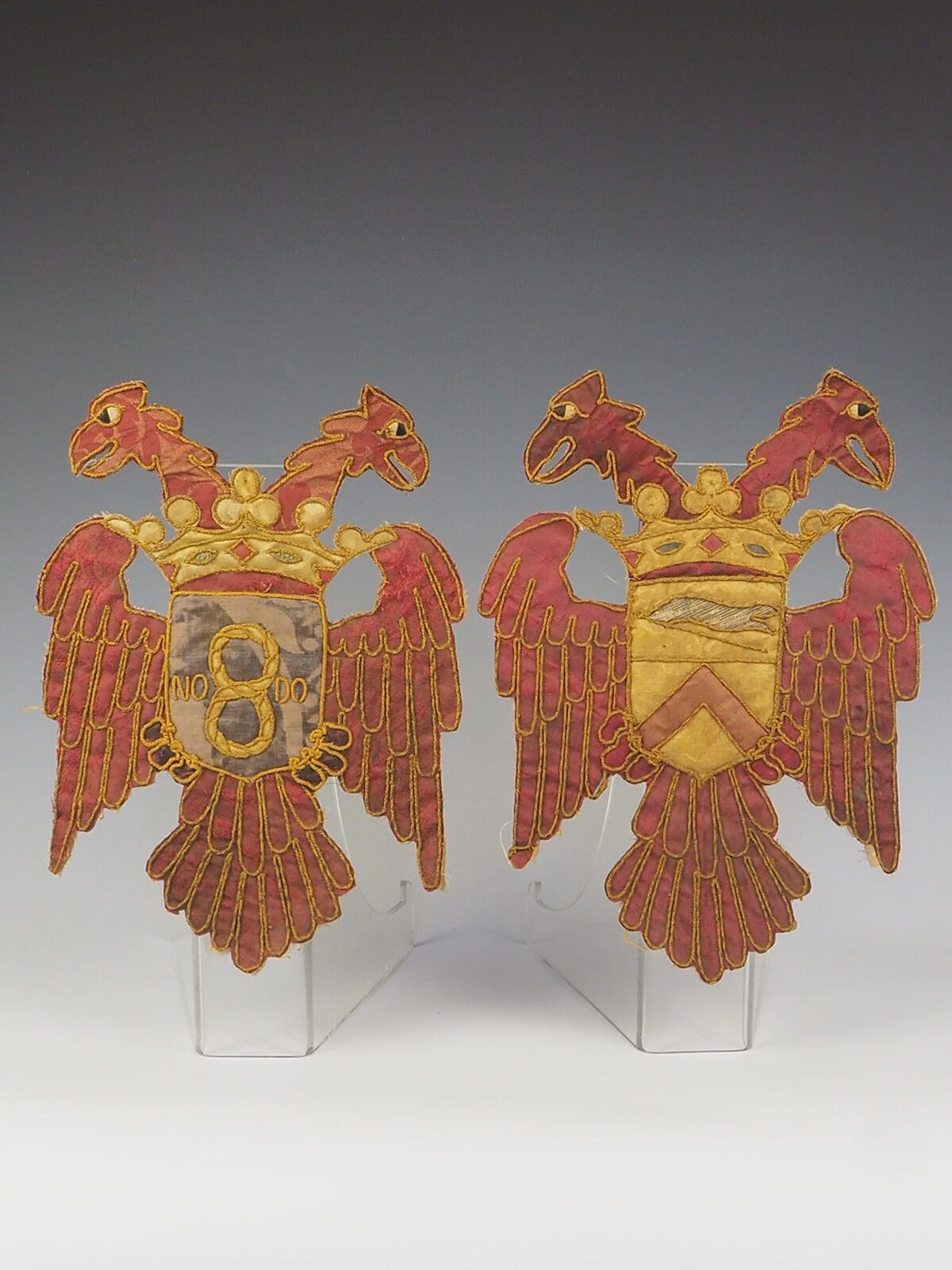
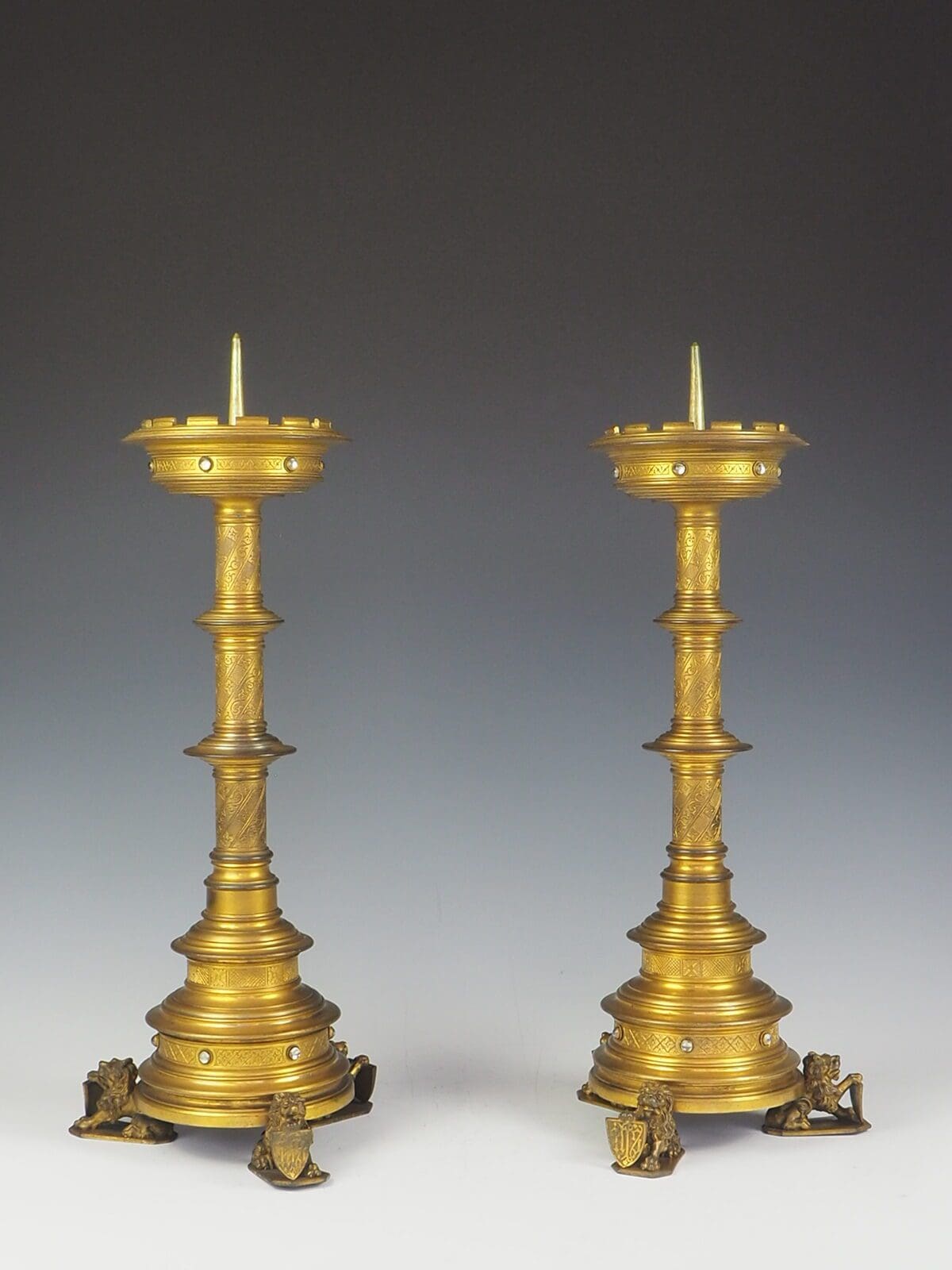
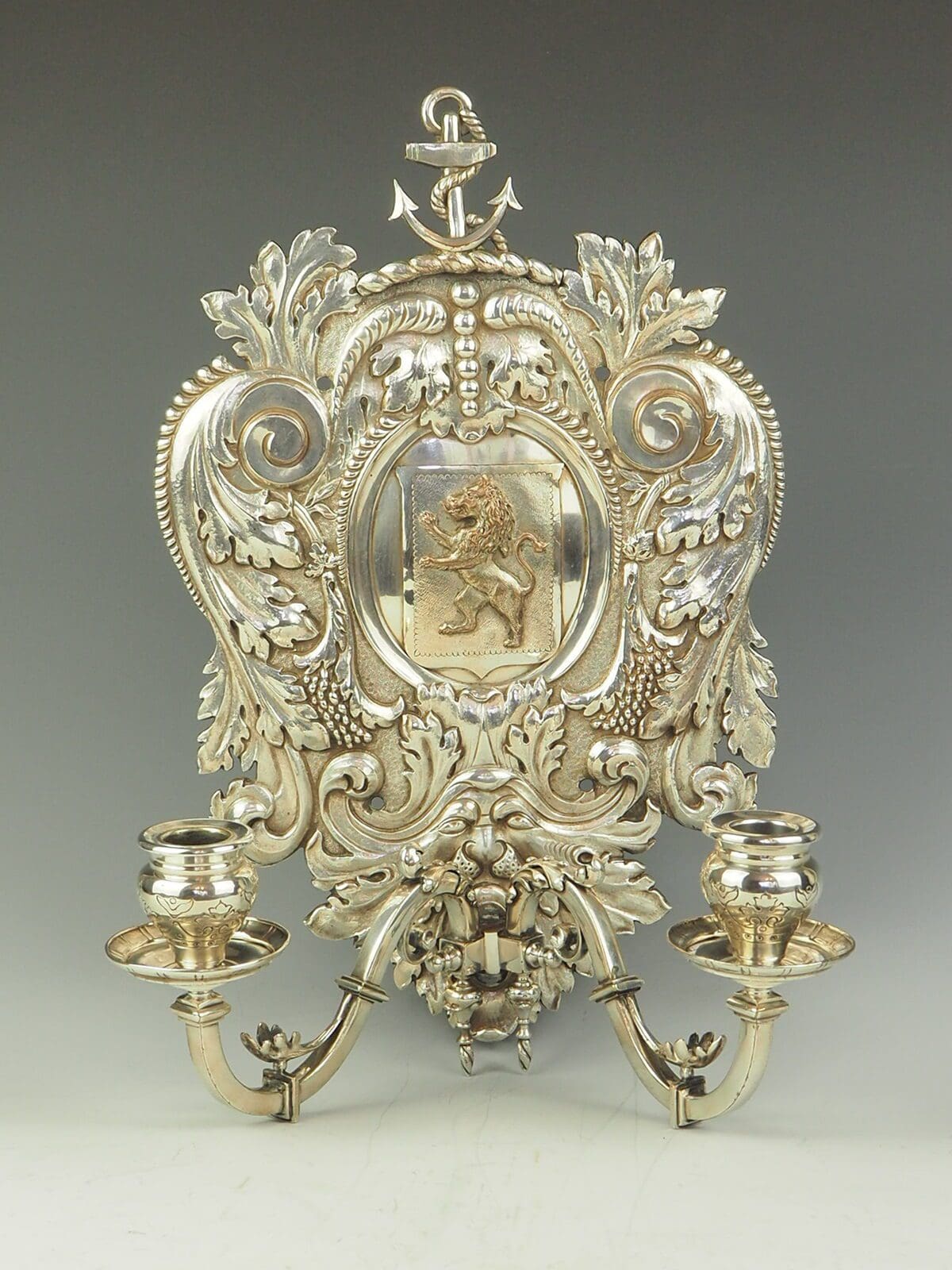

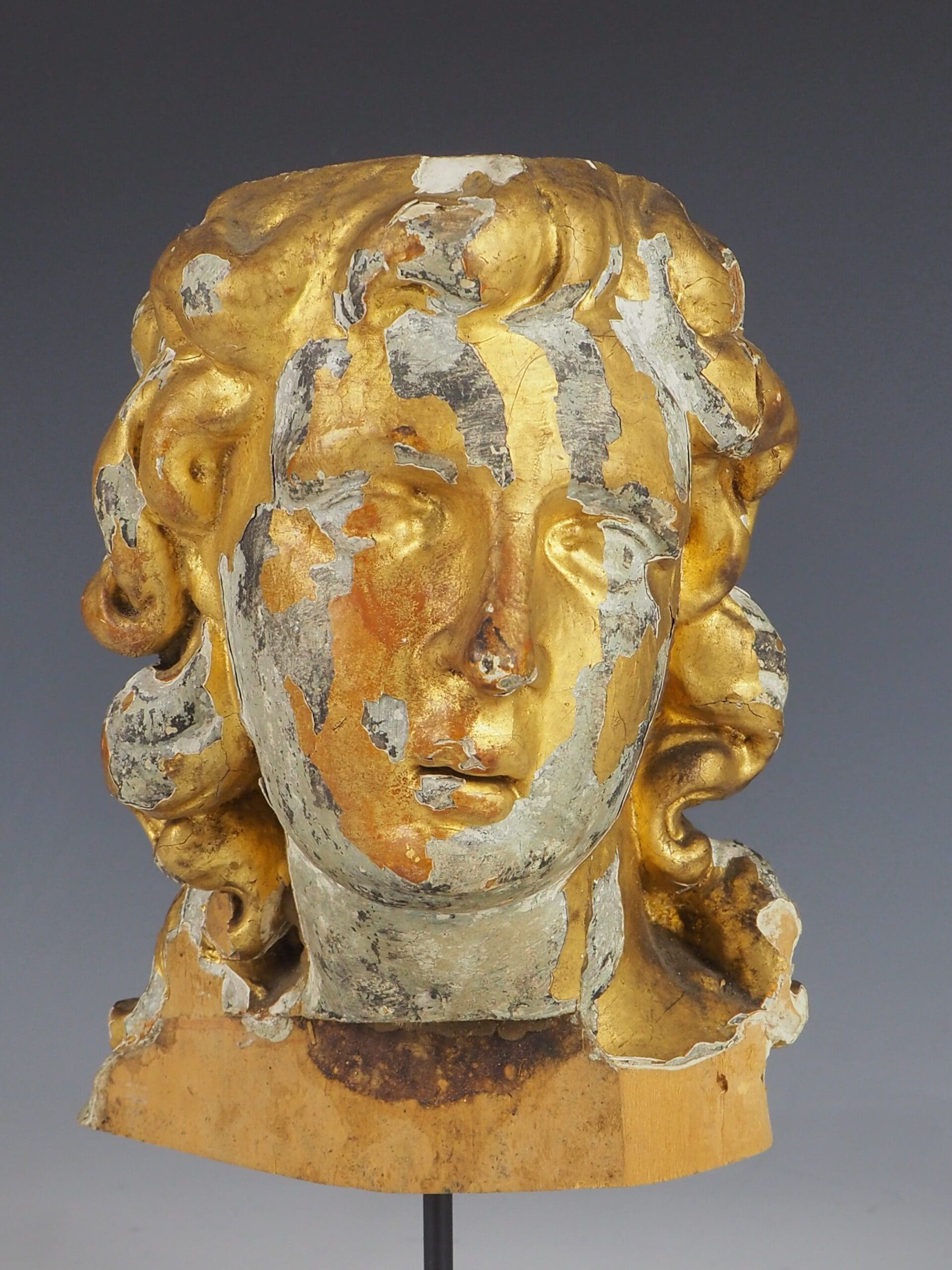
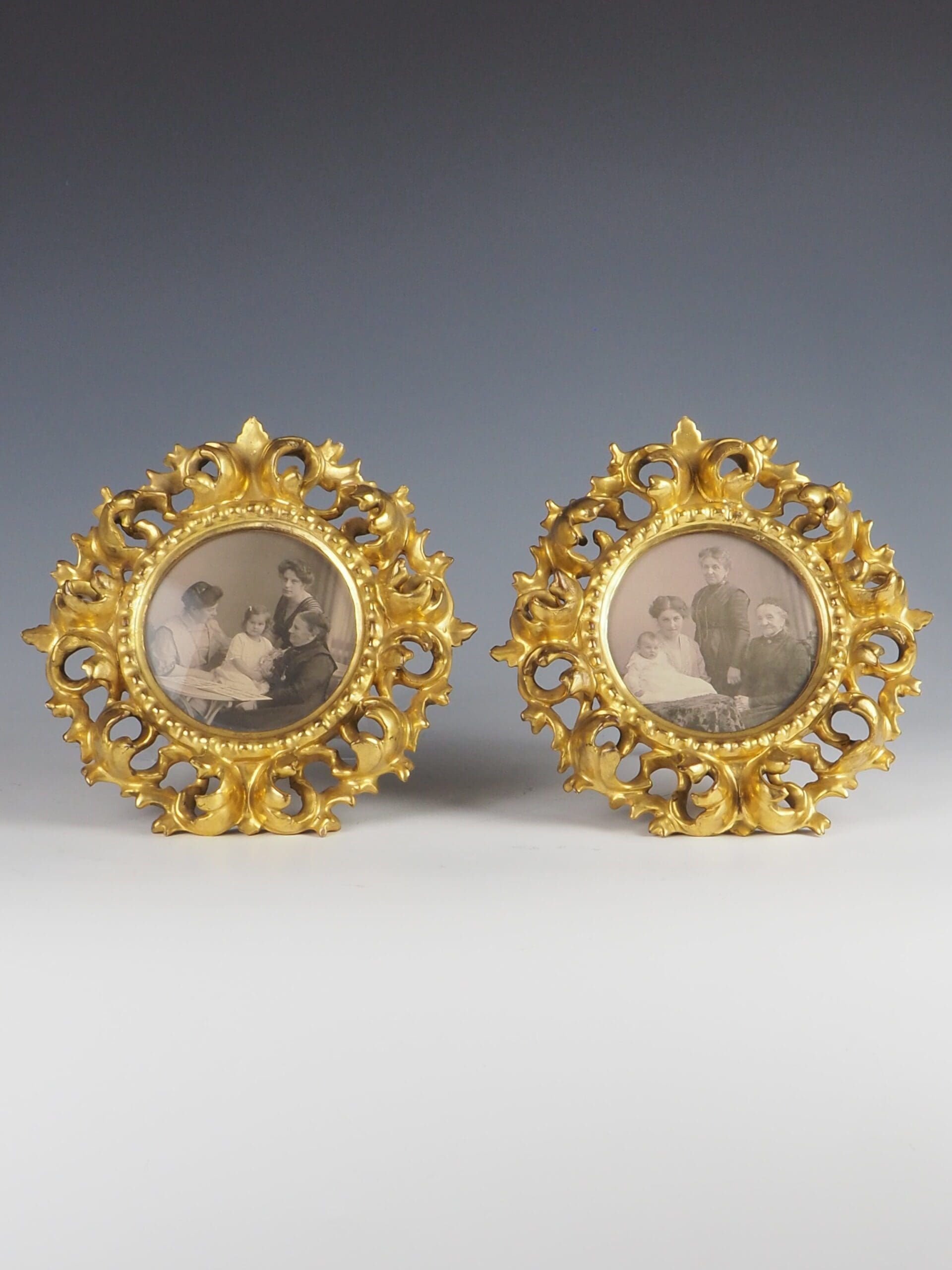
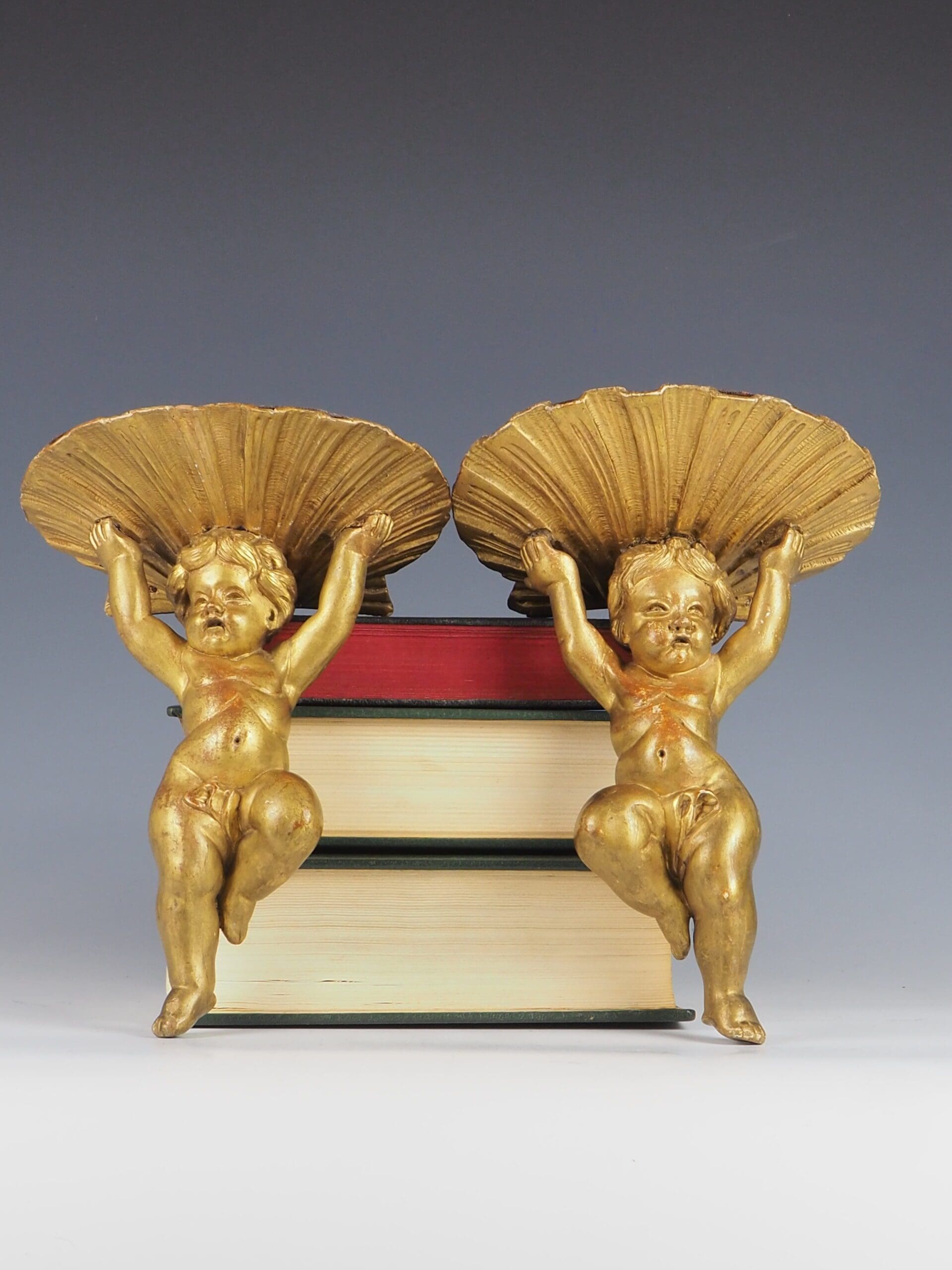
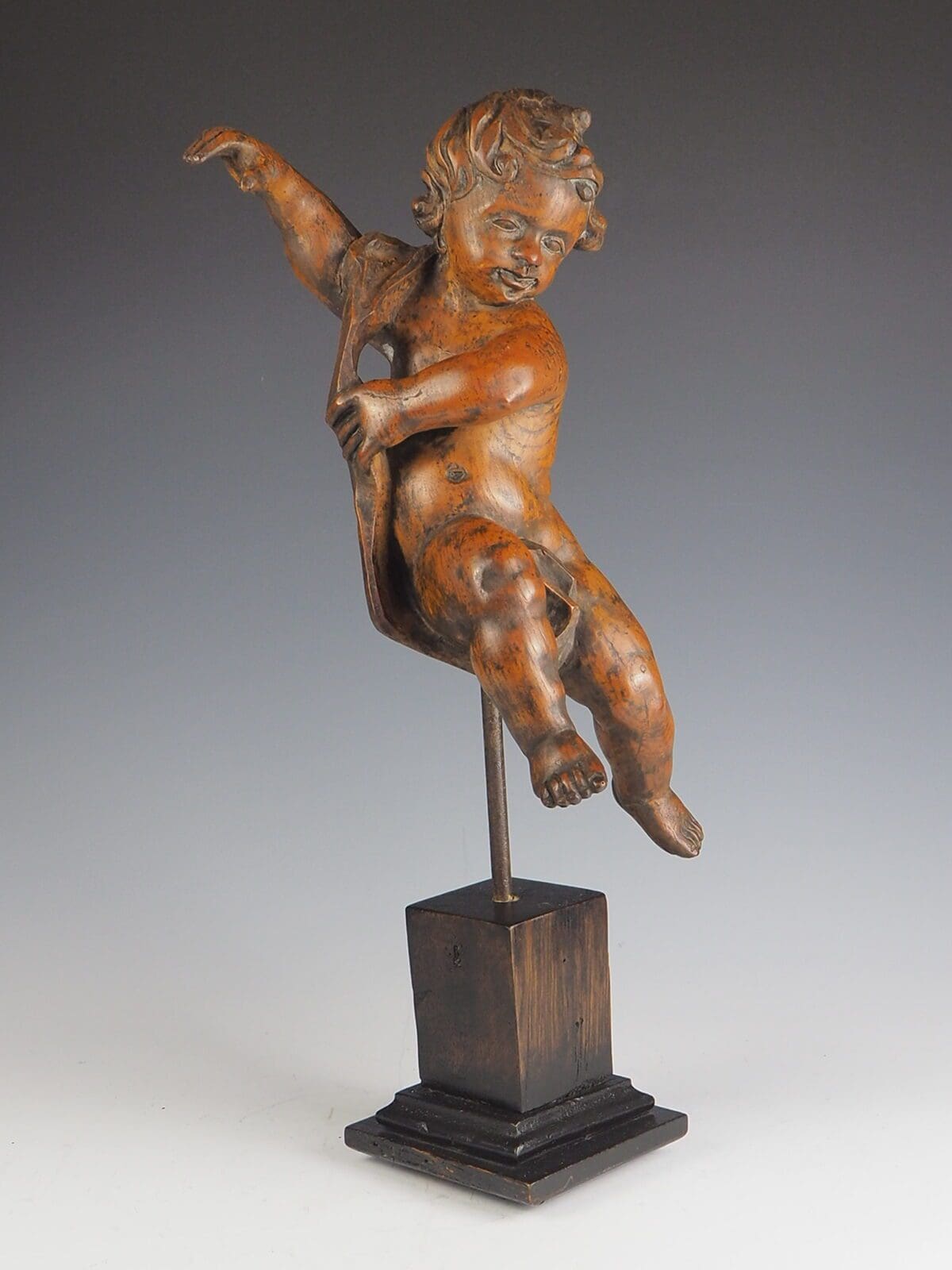

For collectors, decorators, or antique enthusiasts, there's nothing quite like the thrill of discovering a beautiful piece with history and character. But in today's market, the line between authentic antiques and skillful reproductions can be blurry. Knowing how to distinguish between the two is key to making informed, confident purchases and protecting your investment.
Whether you're shopping in a high-end showroom, at a local market, or online, this guide will give you essential insights into how to spot a genuine antique from a reproduction.
Generally speaking, an item is considered an "antique" if it is at least 100 years old. This classification applies to furniture, lighting, art, ceramics, textiles, and more. Anything newer may be referred to as vintage, collectible, or retro depending on its age and value.
True antiques typically reflect the materials, craftsmanship, and design aesthetics of the time in which they were made. Reproductions, by contrast, mimic older styles but are made using modern tools and techniques.
One of the most reliable ways to distinguish an antique from a reproduction is by examining the materials:
Wood: Antique wooden furniture often shows signs of age like shrinkage, warping, and irregularities. Look for solid wood construction (as opposed to veneered particleboard) and hand-cut dovetail joints, particularly in drawers and joints.
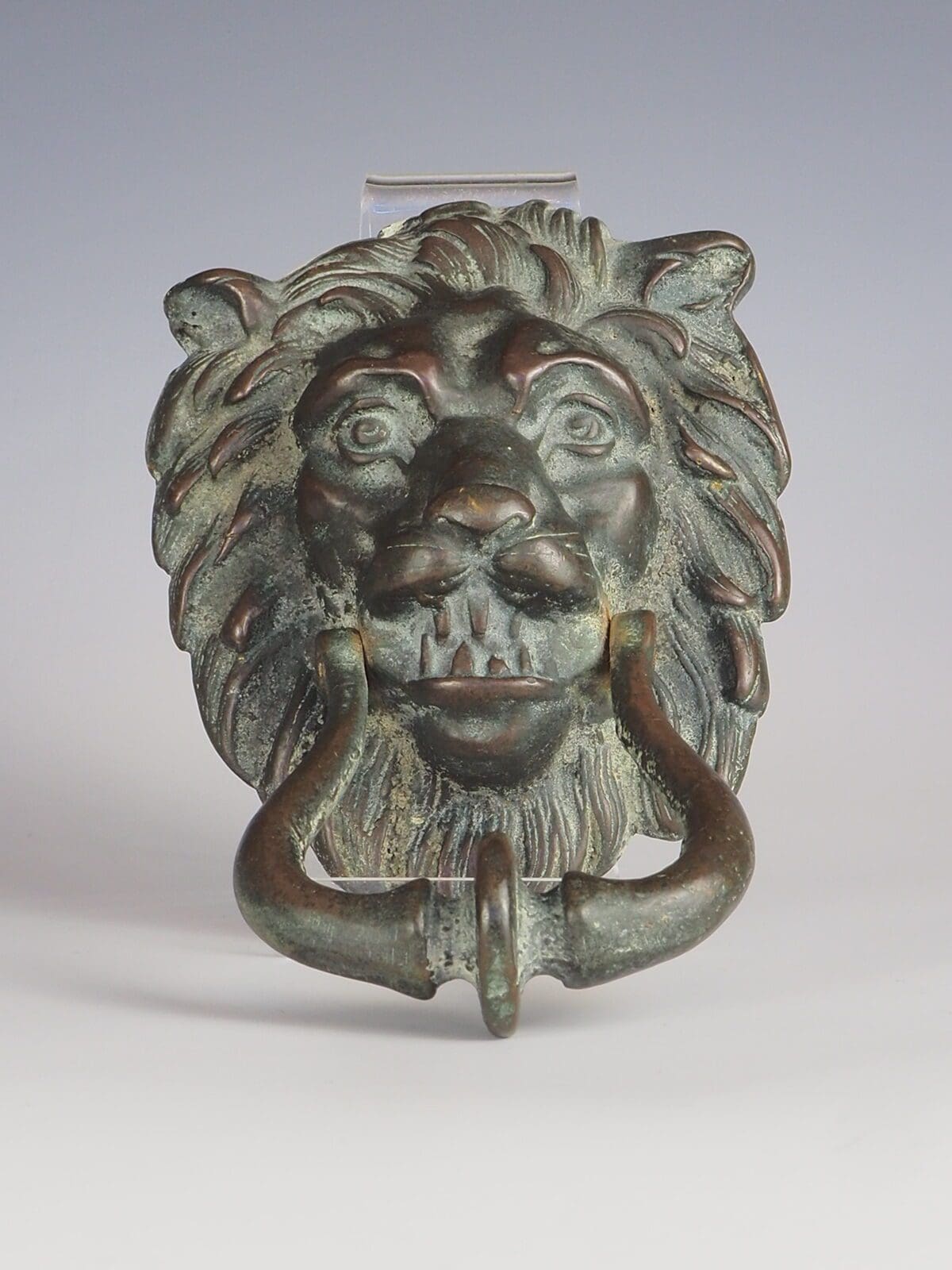
Metal: Older metal components may have a soft patina, greenish oxidation (verdigris), or uneven wear. Reproductions often use mass-produced castings and may have uniform finishes.
Glass: Antique glass may contain small bubbles, waviness, or a slight grey tint due to historic manufacturing techniques. Modern reproductions tend to be clearer and more uniform.
Fabric & Upholstery: Natural fading, worn edges, and hand-stitched seams are good indicators of age. Newer pieces will often use synthetic materials and machine stitching.
Genuine antiques were typically made by hand or with limited tools. This gives rise to telltale imperfections and unique construction features:
Tool Marks: Hand-planed wood or chisel marks indicate manual work. Machine-made surfaces will be smooth and too precise.
Joinery: Look for traditional joinery methods like dovetails, mortise and tenon joints, or pegs and dowels. Nails and screws should be handmade (irregular and not uniform), whereas modern fasteners are machine-made.
Symmetry: True antique pieces may not be perfectly symmetrical. Small inconsistencies in carving or construction suggest a handmade origin.
Patina refers to the natural wear and oxidation that develops over time. It’s one of the most important clues to authenticity:
Wood Patina: Softened edges, worn handles, and changes in finish tone are natural outcomes of decades of use.
Metal Patina: Oxidation or tarnish, especially in corners or crevices, indicates long-term aging.
Wear and Tear: Check for uneven fading, small chips, or surface wear in logical places (e.g., chair arms, table edges). Artificial aging is often too even or in unlikely spots.
Many antique items include some form of maker’s identification:
Furniture may have branded or handwritten labels inside drawers or on the back.
Silver and Ceramics often feature hallmarks, which can be cross-referenced with databases to determine origin and date.
Art or Prints may include signatures, watermarks, or publisher stamps.
Keep in mind: some fakes may also include marks. Research thoroughly to ensure they're consistent with the period and origin.
Believe it or not, your senses can help:
Smell: Antique furniture often has a musty, woody smell due to decades of storage or age. Reproductions tend to smell of newer wood or finishing chemicals.
Touch: Run your hand along the piece — does it feel worn or too perfect? Age brings texture, softness in high-contact areas, and occasional roughness.
Hardware can reveal much about a piece's age:
Drawer pulls, hinges, and screws in antiques may be slightly rusted, misshapen, or hand-forged.
Reproductions often use modern brass or steel hardware that looks too clean or uniform.
If you suspect parts have been replaced, that doesn’t automatically make the piece a fake — just note it when evaluating authenticity and value.
When available, provenance (the history of an item’s ownership) can offer strong evidence of authenticity. Auction houses, reputable dealers, and collectors may offer receipts, catalogs, or certificates of authenticity. Always ask for documentation when purchasing a high-value item.
If the price seems too good to be true, it often is. Research comparable items and be cautious of sellers who can't provide background or clear photos.
Buy from reputable antique dealers or platforms that vet their listings. When buying online, look for detailed descriptions and close-up images of joints, marks, and wear.
If you're ever in doubt, hire a professional appraiser or take the item to a certified antique dealer. A trained eye can quickly spot inconsistencies or modern reproductions, saving you money and disappointment.
Learning to differentiate between a genuine antique and a reproduction takes time and a careful eye — but it's well worth the effort. Authentic antiques are not only beautiful but also carry stories, craftsmanship, and value that reproductions can’t replicate.
As you build your collection or furnish your space, trust your instincts, do your research, and don’t be afraid to ask questions. The more you learn, the more confident and discerning you'll become.