Lampshade Guidelines
Choosing the right lampshade is one of the simplest ways to elevate a room. It influences the quality of light, the mood, the balance of a lamp, and the overall character of a space. At Shackleton Fox, where antiques and interiors meet craftsmanship and style, lampshades are an essential finishing touch—especially when pairing them with unique or vintage lamps.
This streamlined guide covers everything you need to know: shape, size, material, colour, proportion, and how to match a shade to the lamp and the room with confidence.
This streamlined guide covers everything you need to know: shape, size, material, colour, proportion, and how to match a shade to the lamp and the room with confidence.
1. Start With the Lamp: Shape, Style & Proportion
Your lamp determines most of your decisions, so begin by assessing its form and character.
Shape
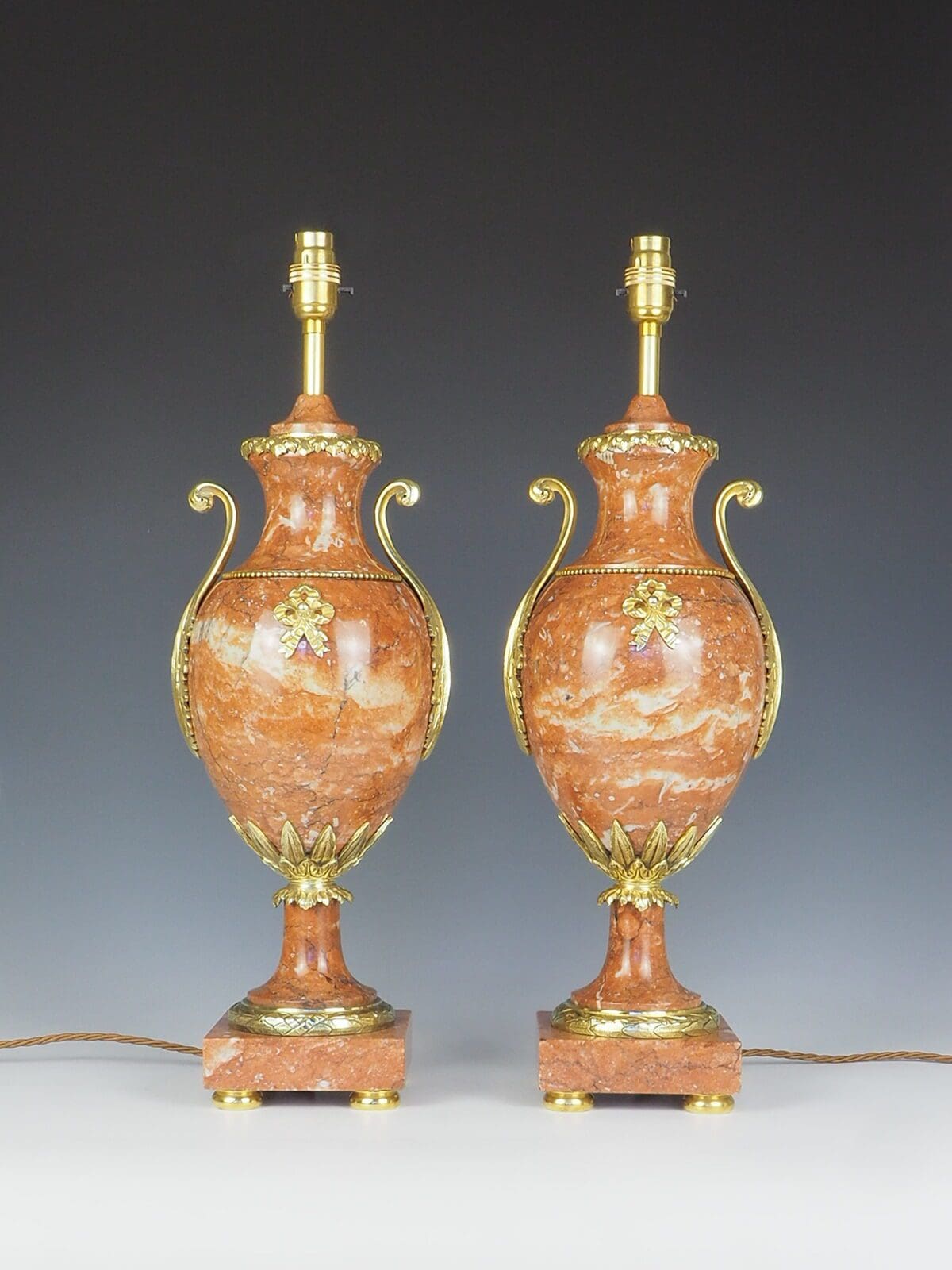
A simple principle guides most lamp-and-shade pairings: Echo the lamp’s silhouette.- Curved bases (ginger jars, urns) pair well with tapered or rounded shades.
- Straight or geometric bases suit drum or square shades.
- Most antique lighting will suit the classic design empire or Coolie
Style
Antique lamps often look best with textured, classic materials—linen, silk, or pleats—while contemporary lamps suit clean-lined drum shades. But contrast can also be beautiful: a crisp drum shade on a Victorian base or a pleated shade on a minimalist lamp creates unexpected depth.Proportion
This is where many pairings go wrong. A shade too big or too small throws everything off. Use these guidelines:- Shade height ≈ ⅔ the height of the lamp base
- Shade width ≈ equal to the height of the base
- The shade should hide the bulb and holder without overpowering the lamp
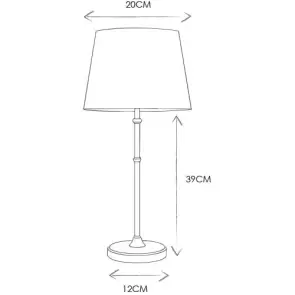
For antiques with unusual proportions, trust your eye—aim for a balanced silhouette.
2. Lampshade Shapes & What They Communicate
Different shapes create different visual and lighting effects.
Empire Shades
- Narrow top, wide bottom
- Classic and flattering on most lamps
- Directs more light downward—good for reading or soft evening pools of light
Drum Shades
- Straight sides
- Clean, modern, versatile
- Even light output
- Ideal for contemporary rooms or to modernise an antique lamp
Coolie Shades
- Very wide bottom
- Strong directional lighting
- Functional for desks or task lighting
- Also striking on bold, sculptural lamps
Bell Shades
- Gentle curves
- Traditional and elegant
- Softer, warmer glow—perfect for bedrooms or antique bases
Rectangular or Oval Shades
- Make sense for narrow console tables
- Great for square or column lamps
- Practical in tight spaces
Pleated Shades
- Add texture, charm, and warmth
- Work beautifully in English country or eclectic interiors
- Currently a favourite in boutique design
3. Choosing the Right Fabric
Fabric affects light, mood, and style.
Linen
- Natural, understated, timeless
- Works with almost any lamp base
- Gives soft, diffused, flattering light
- Perfect for antique-heavy or contemporary interiors
Silk
- Luxurious and traditional
- Enhances warm tones in brass and wood
- Ideal for formal or atmospheric spaces
Cotton Pleats
- Textured and cosy
- Bring classic British charm
- Great for traditional or layered interior schemes
Paper or Parchment
- Clean, crisp, slightly architectural
- Beautiful with minimalist or sculptural lamps
- Offers focused, atmospheric lighting
Patterns
- Best with simple lamp bases
- Add personality and colour without overwhelming the room
- Useful when you want the shade to act as the decorative highlight
4. The Importance of Colour
Colour influences both the lamps’ appearance and the mood of the room.
Light Colours (white, cream, natural)
- Brightest illumination
- Versatile and timeless
- Excellent for reading lamps and everyday lighting
Dark Colours (black, navy, forest, deep red)
- Create dramatic, moody lighting
- Reduce overall brightness but add atmosphere
- Perfect for living rooms, dining rooms, and cosy corners
Muted or Tonal Colours
- Soft greens, warm taupe’s, faded reds
- Add subtle interest without dominating
- Ideal for antique settings where calm elegance is key
Patterns or Contrasts
- Use when you want the shade to be a style feature
- Great for modern interiors needing warmth or character
5. Special Considerations for Antique Lamps
Antiques often require more thoughtful styling.
Unique Proportions
Some antique lamps don’t follow standard sizing. You may need:- A bespoke shade
- A shade carrier to adjust height
- A slightly non-standard width
Materials Matter
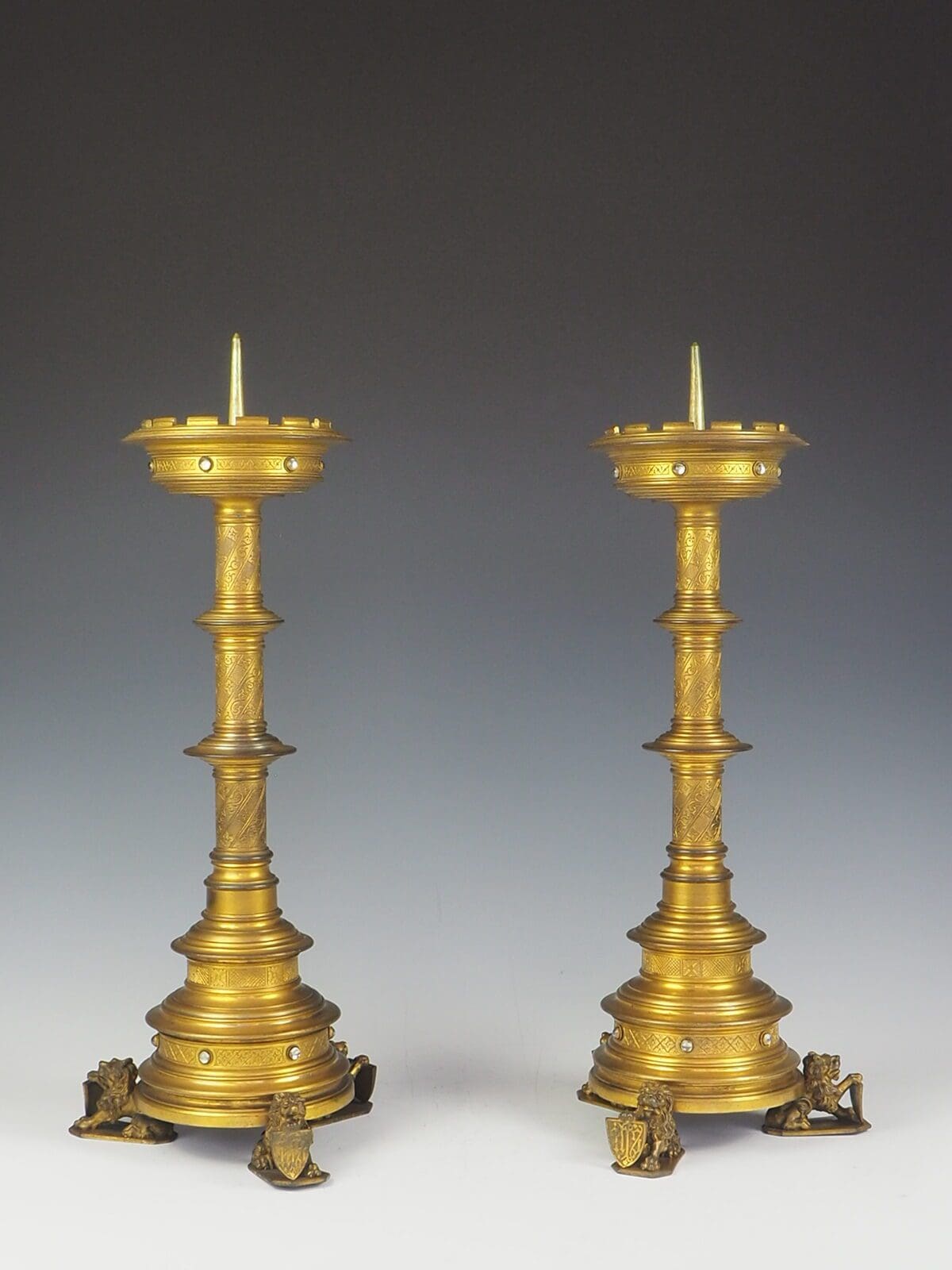
- Brass and bronze look wonderful with warm-toned shades
- Painted or patterned ceramic bases pair best with simple linens
- Wood bases are complemented by natural fabrics and neutral colours
Let the Lamp Shine
If the lamp itself is decorative, keep the shade understated so the base remains the focal point.6. Atmosphere: How Shades Shape Mood
Small choices dramatically change the room’s feel.
Warm & Cosy
- Pleated fabrics
- Straw-coloured linens
- Warmer bulbs (2700K)
- Slightly smaller shades that pool the light downward
Bright & Fresh
- White or cream linen
- Larger shades
- Unlined or lightly lined fabrics
Dramatic & Sophisticated
- Darker shades
- Clean drum shapes
- Silk for a subtle sheen
Final Thoughts
The right lampshade transforms a lamp, elevates a room, and helps create the atmosphere you want—calm, dramatic, functional, or cosy. At Shackleton Fox, we understand that antiques and interiors deserve harmony and character, and a well-chosen shade is often the final touch that brings everything together.