
An Italian Liberty Decorative Study: Polesine (1910)
£650.00
Description
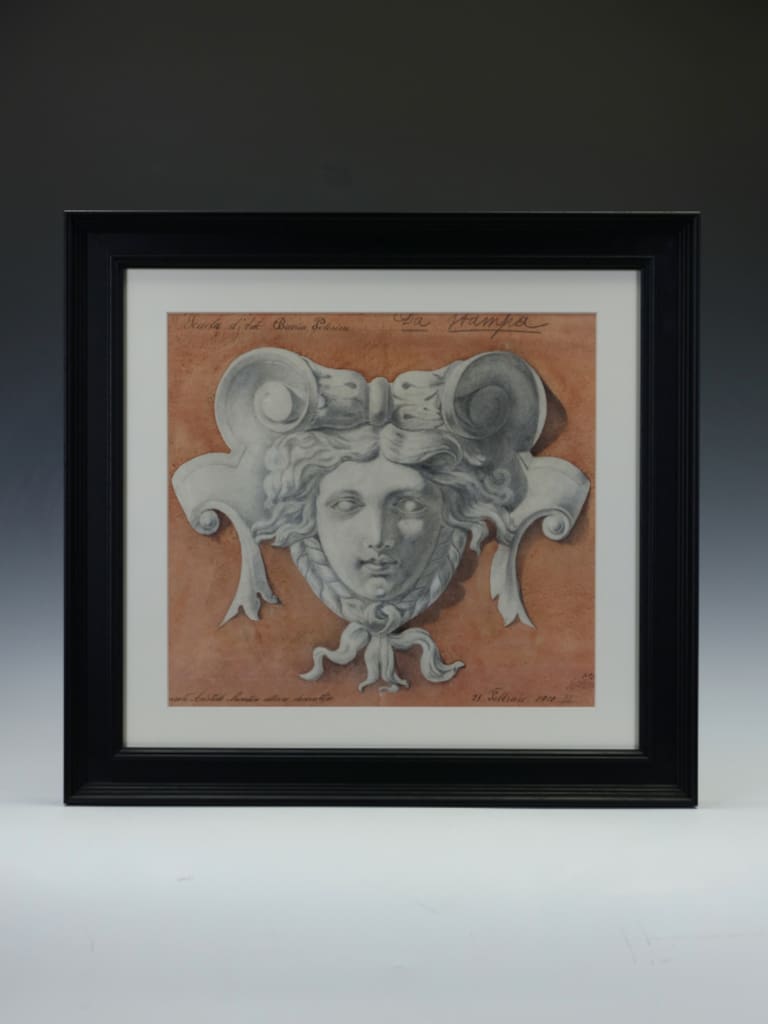
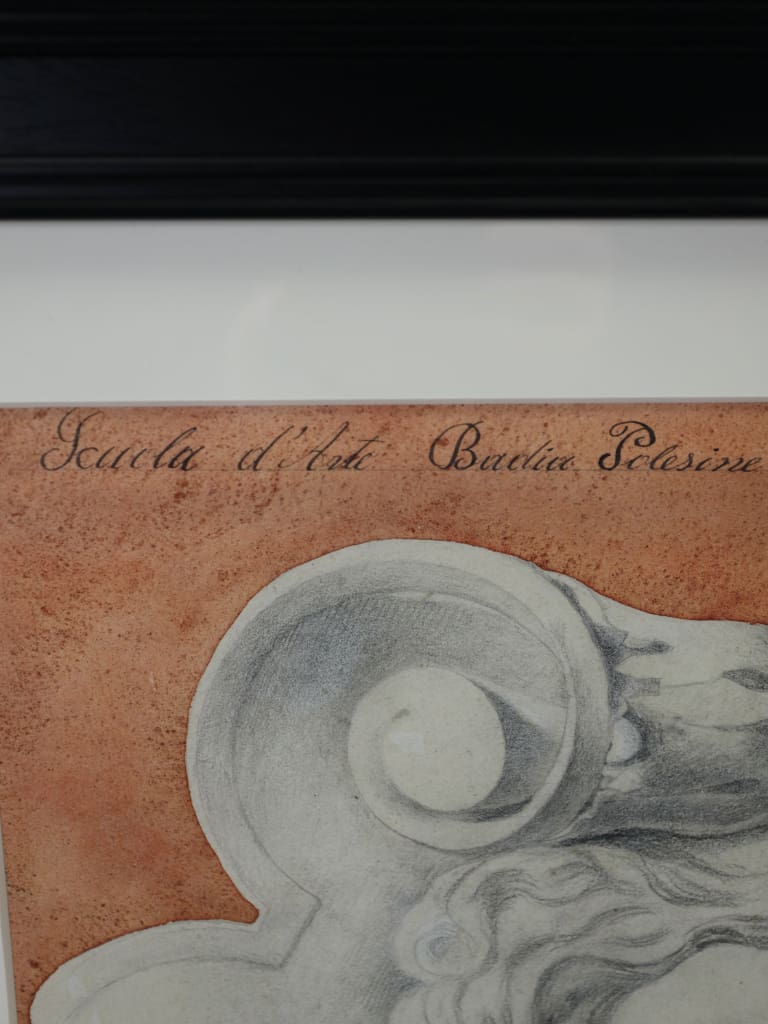
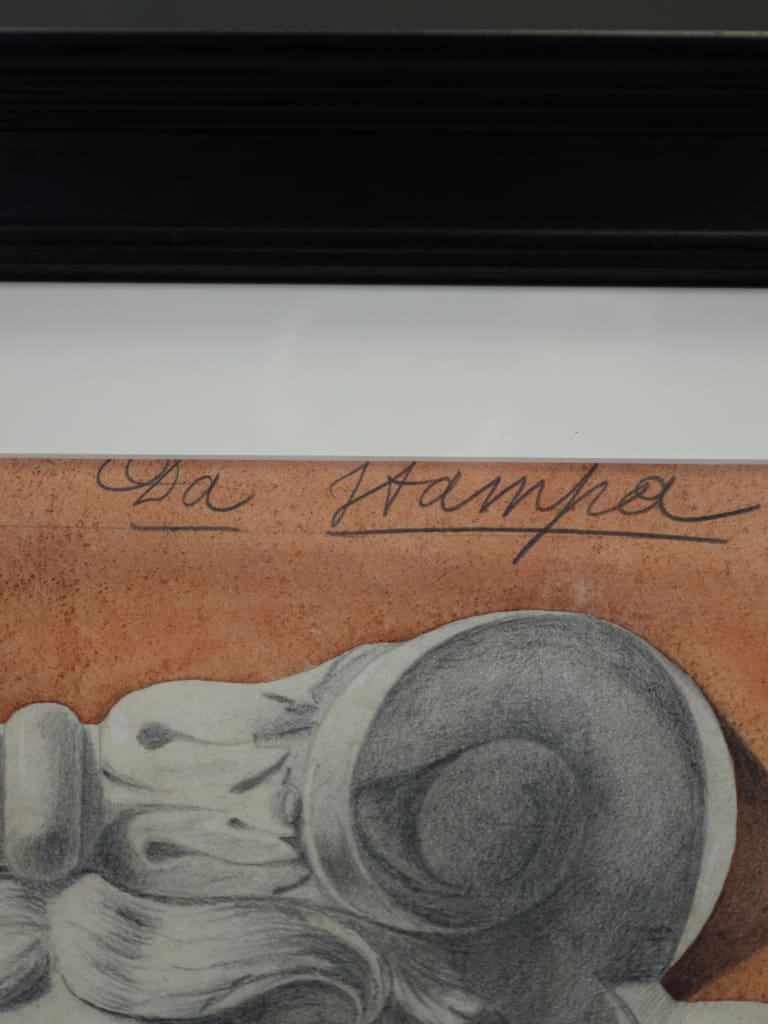
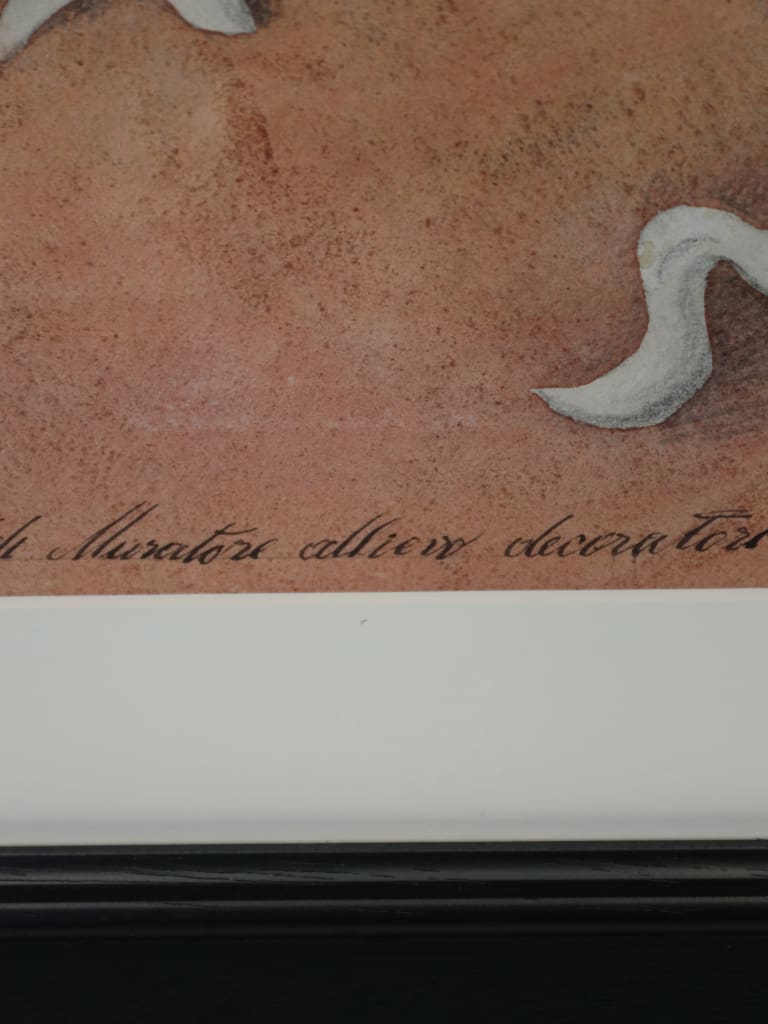
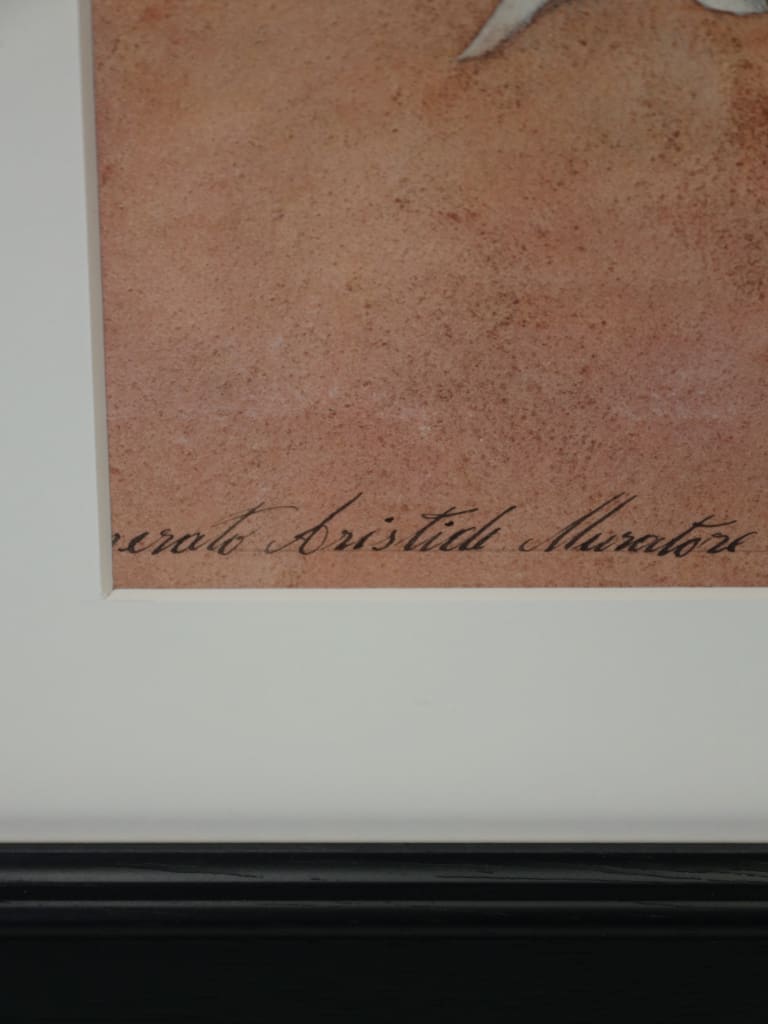
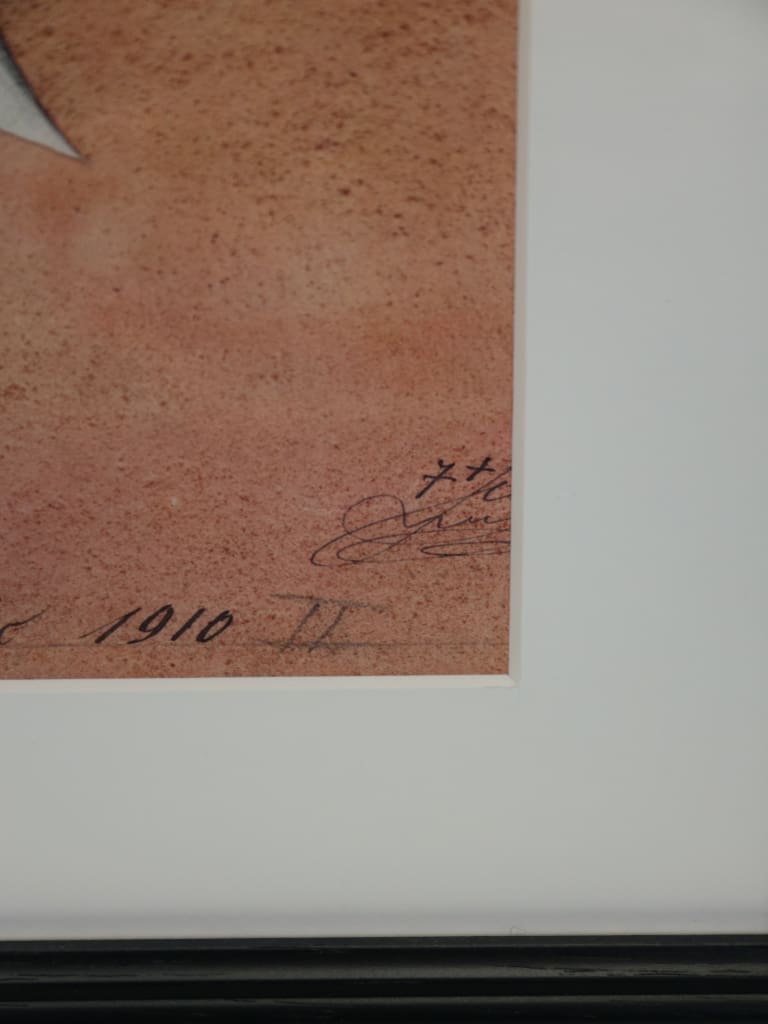
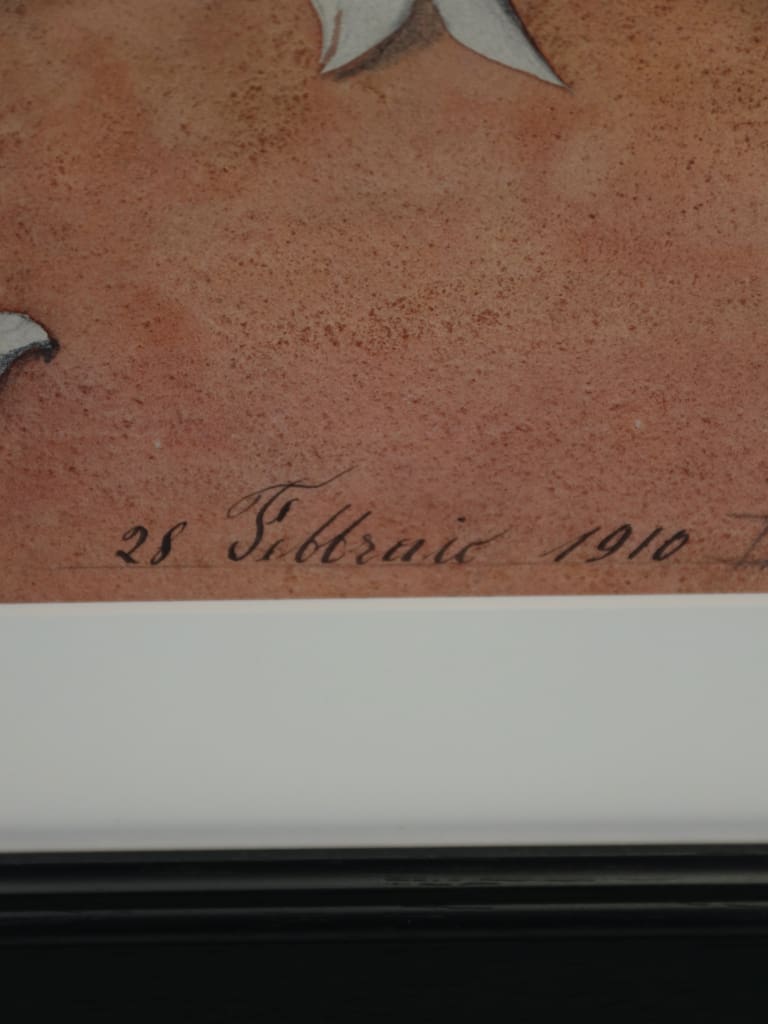
This evocative work is a rare survival of an Italian artisan’s studio practice from 1910. The piece is rich with provenance, featuring a detailed inscription that identifies the artist and their profession. It appears to be a study or a "bozzetto" (sketch) by a "Decoratore" (Decorator/Painter), a role that was central to the grand interior design projects of the Italian Edwardian era.
Mainland UK Delivery Included

International Shipping
Delivery Leadtime
International delivery is estimated at 5-7 working days.
Full details will be confirmed during the ordering process.

An Italian Liberty Decorative Study: Polesine (1910)
This evocative work is a rare survival of an Italian artisan’s studio practice from 1910. The piece is rich with provenance, featuring a detailed inscription that identifies the artist and their profession. It appears to be a study or a "bozzetto" (sketch) by a "Decoratore" (Decorator/Painter), a role that was central to the grand interior design projects of the Italian Edwardian era.
The work is rooted in the Polesine region of Northern Italy, an area known for its traditional villas and architectural heritage. This is not just a painting, but a historical document that captures the hand of a professional artist planning a larger mural, fresco, or decorative scheme.
Dealer’s Comments
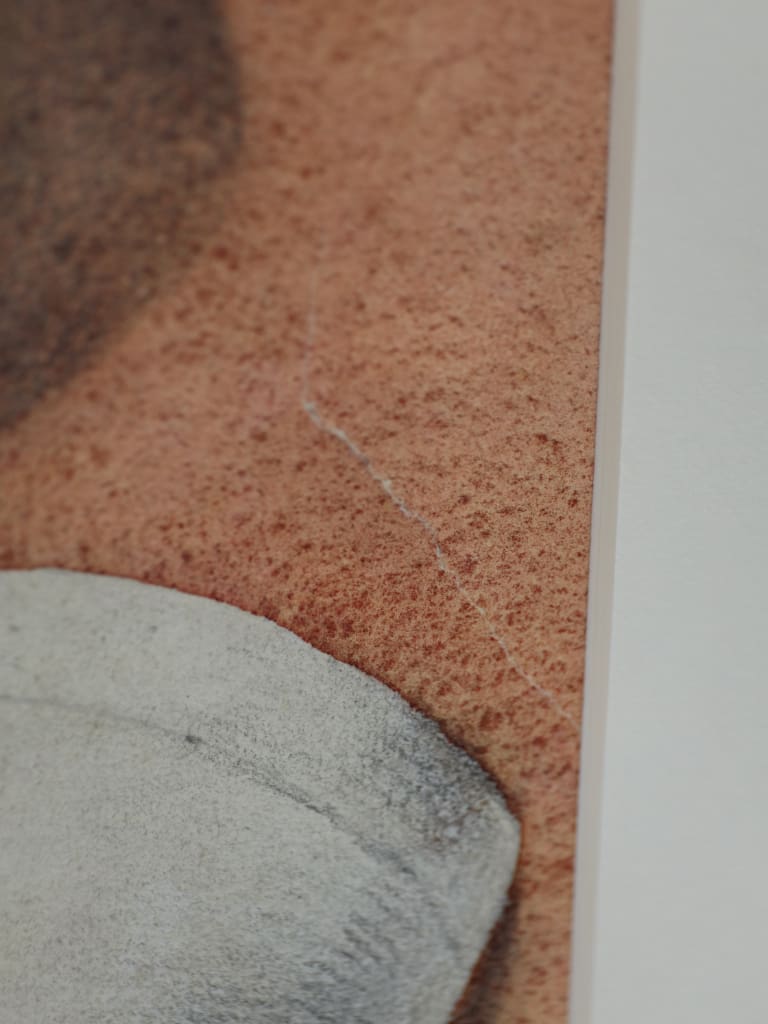
"I love pieces like this because they feel so personal. You can almost see the artist in a villa in Polesine in 1910, jotting down these notes. The small tear in the paper is a badge of its survival; it was likely a working drawing used on a job site. By framing it in this sleek, black ebony-style moulding, we've given this 'fragment of history' a very modern, curated look. It is a wonderful conversation piece for a hallway or a library."
Condition Report
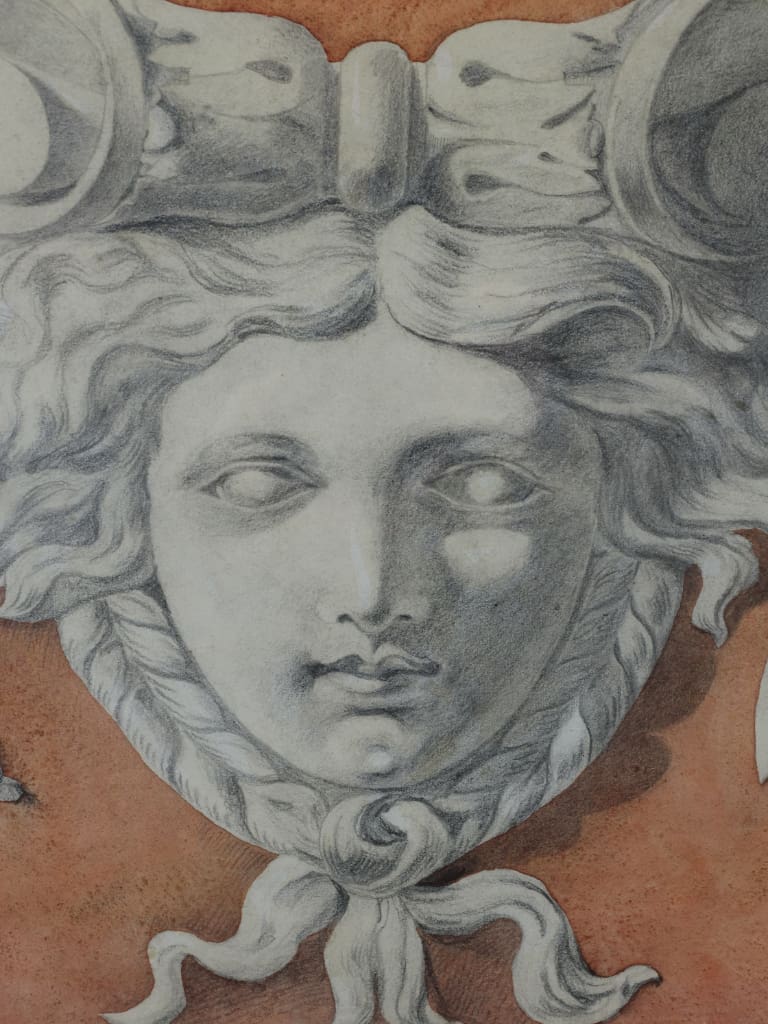
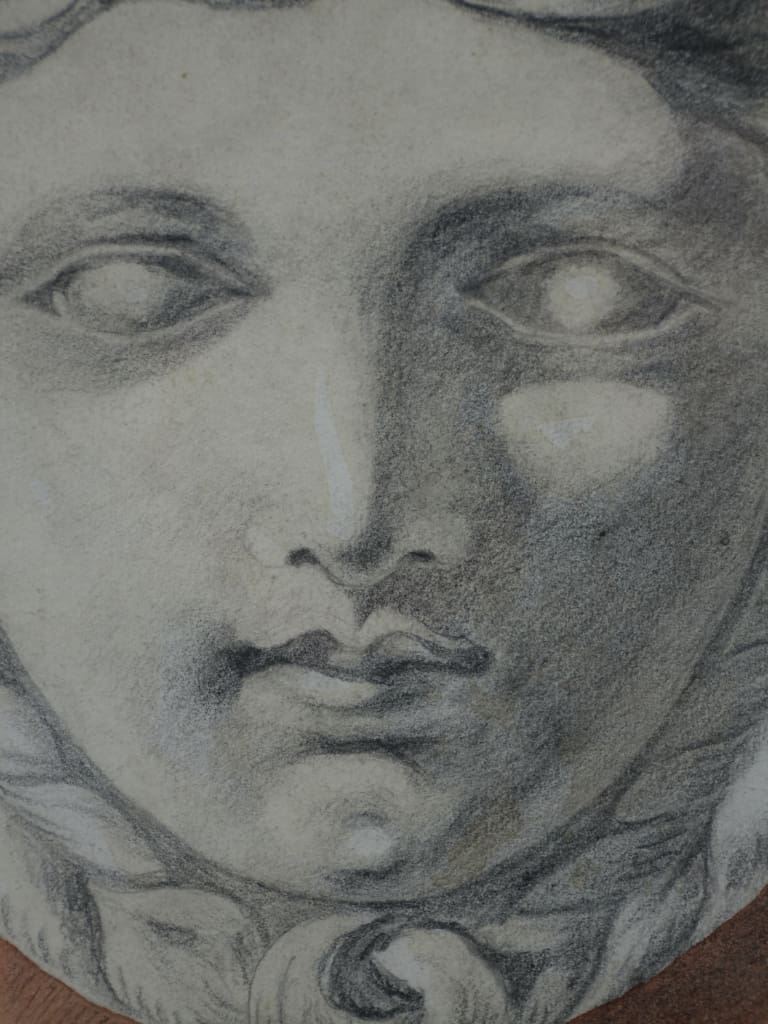
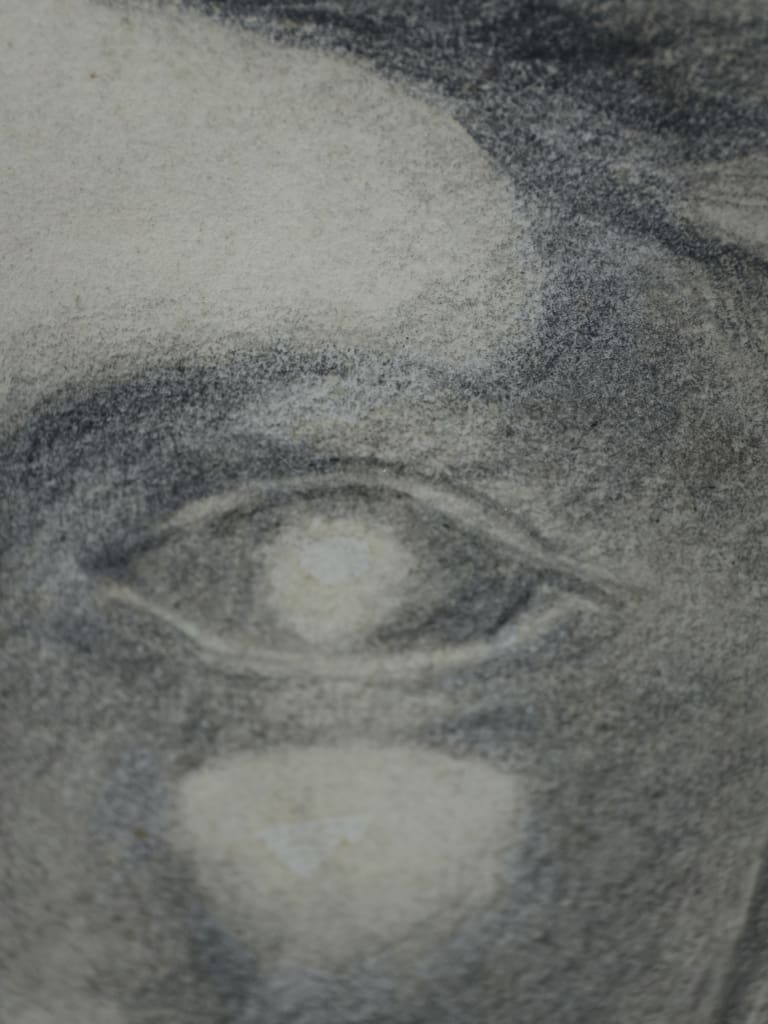
The pigments remain true to the period, showing the soft, matte finish characteristic of early 20th-century Italian studio works.
There is a small, honest tear within the painting. Rather than detracting from the piece, this small "scar" serves as evidence of the work's history as a working studio document. It has been stabilised by the new professional mounting and framing.
The paper has a natural, warm age-patina.
Newly presented in an ebony-style frame. The work is framed using acid-free materials to prevent further aging and to ensure the tear does not travel.
Measurement
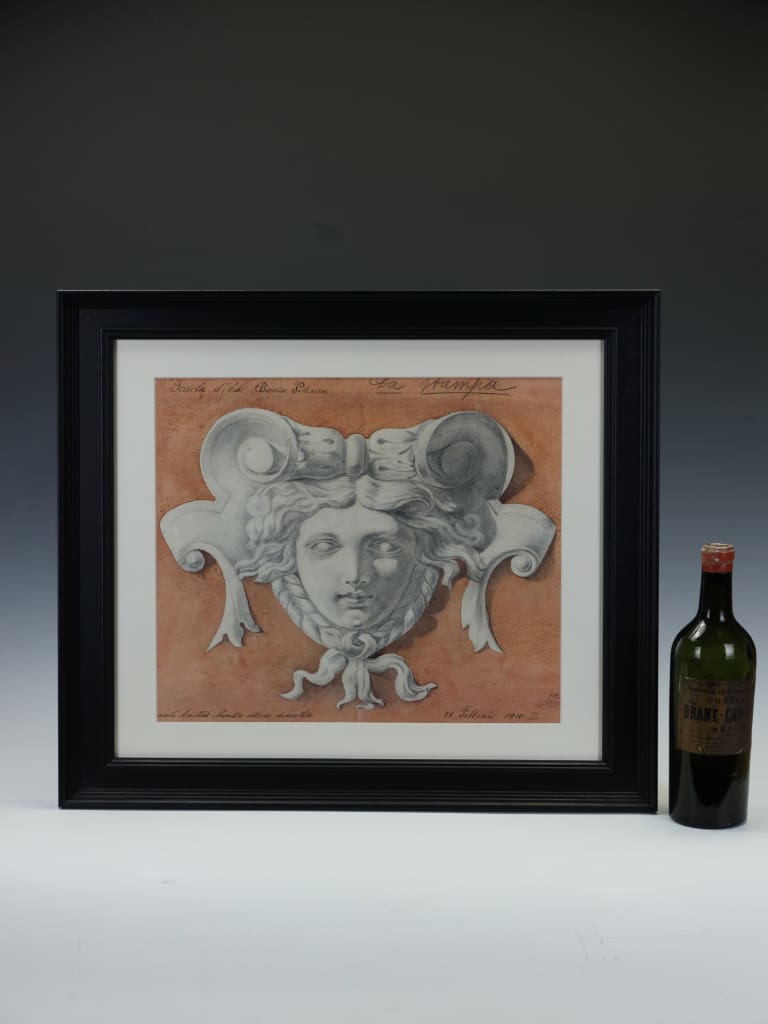
Height: 58 cm / 22.83 inch
Width: 59 cm / 23.22 inch
Depth: 3 cm / 1.18 inch
Weight: 3.5 k.g. / 7.71 lbs
Cleaning, Polishing & Restoration
All our collections have been through our workshop and where possible, we always try to maintain the original finish preserving the patina and colour, some items are sympathetically restored and this is done by our own skilled craftsmen using only traditional methods