£2,800.00



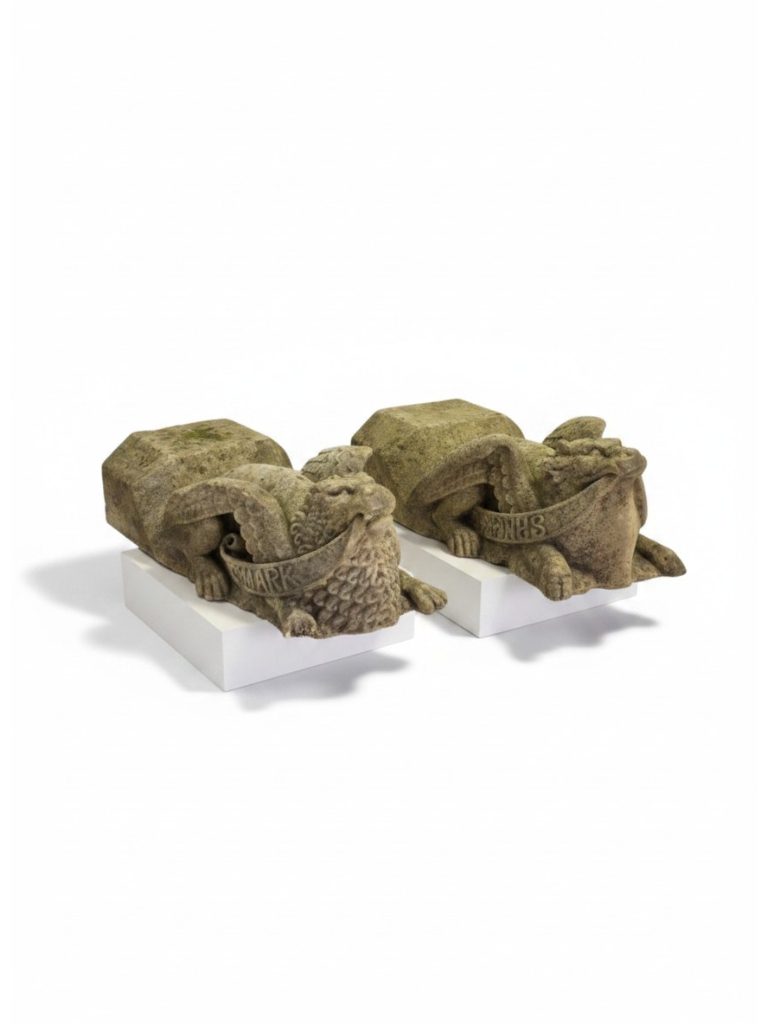
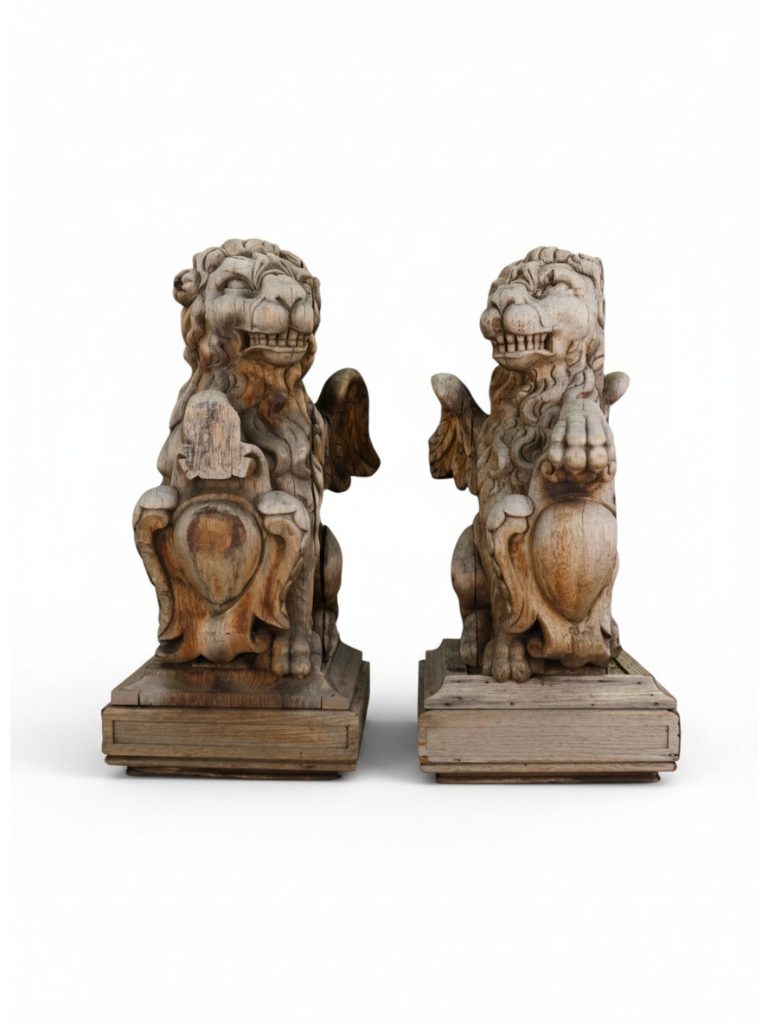
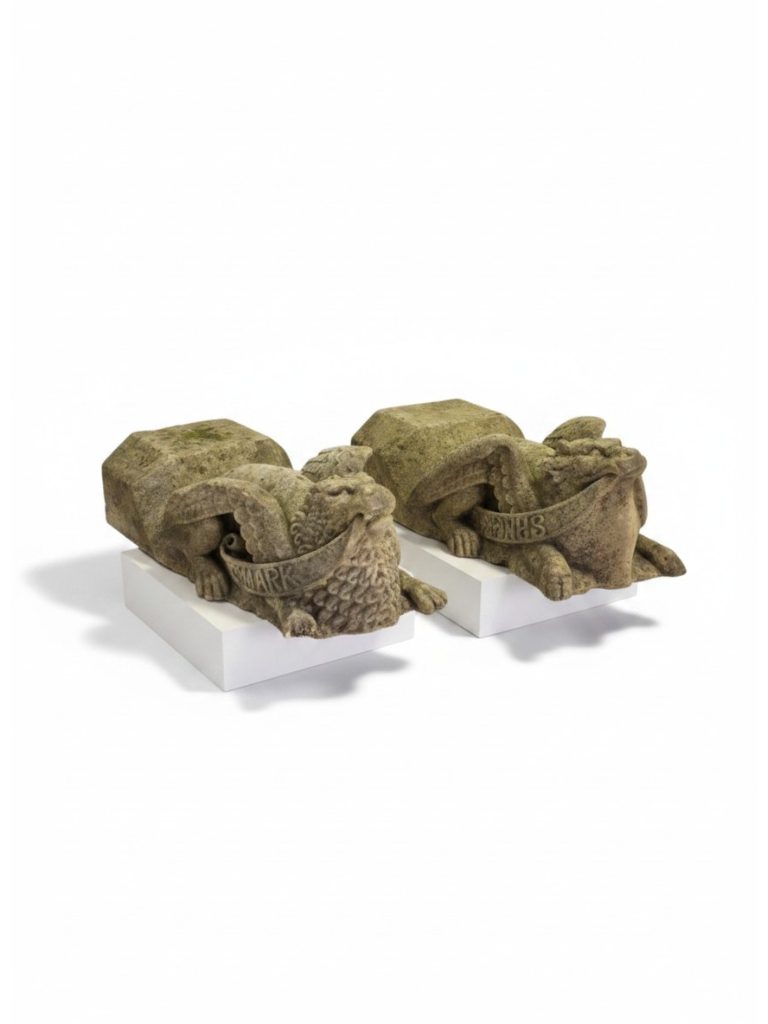
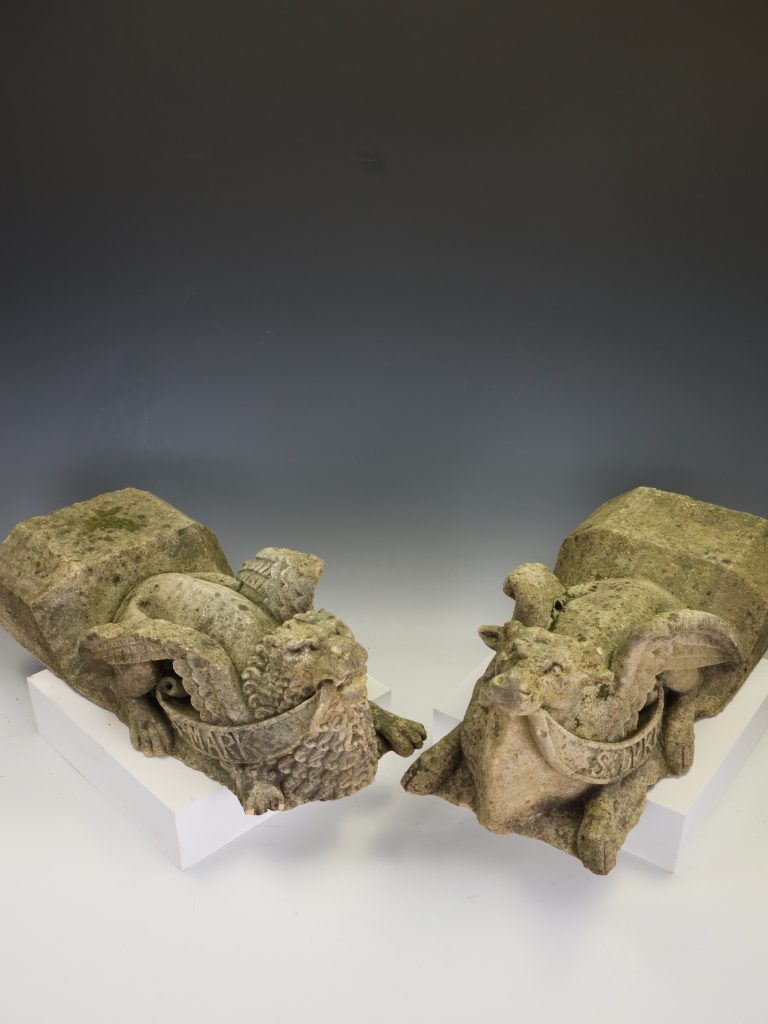
An exceptional and highly imposing pair of Victorian Gothic Revival limestone architectural corbels, dating to the height of the Gothic Revival movement circa 1860–1880. Originally carved as structural supports for a vaulted roof or stone arch, these monumental fragments embody the scale, craftsmanship and theological symbolism of high Victorian ecclesiastical design.
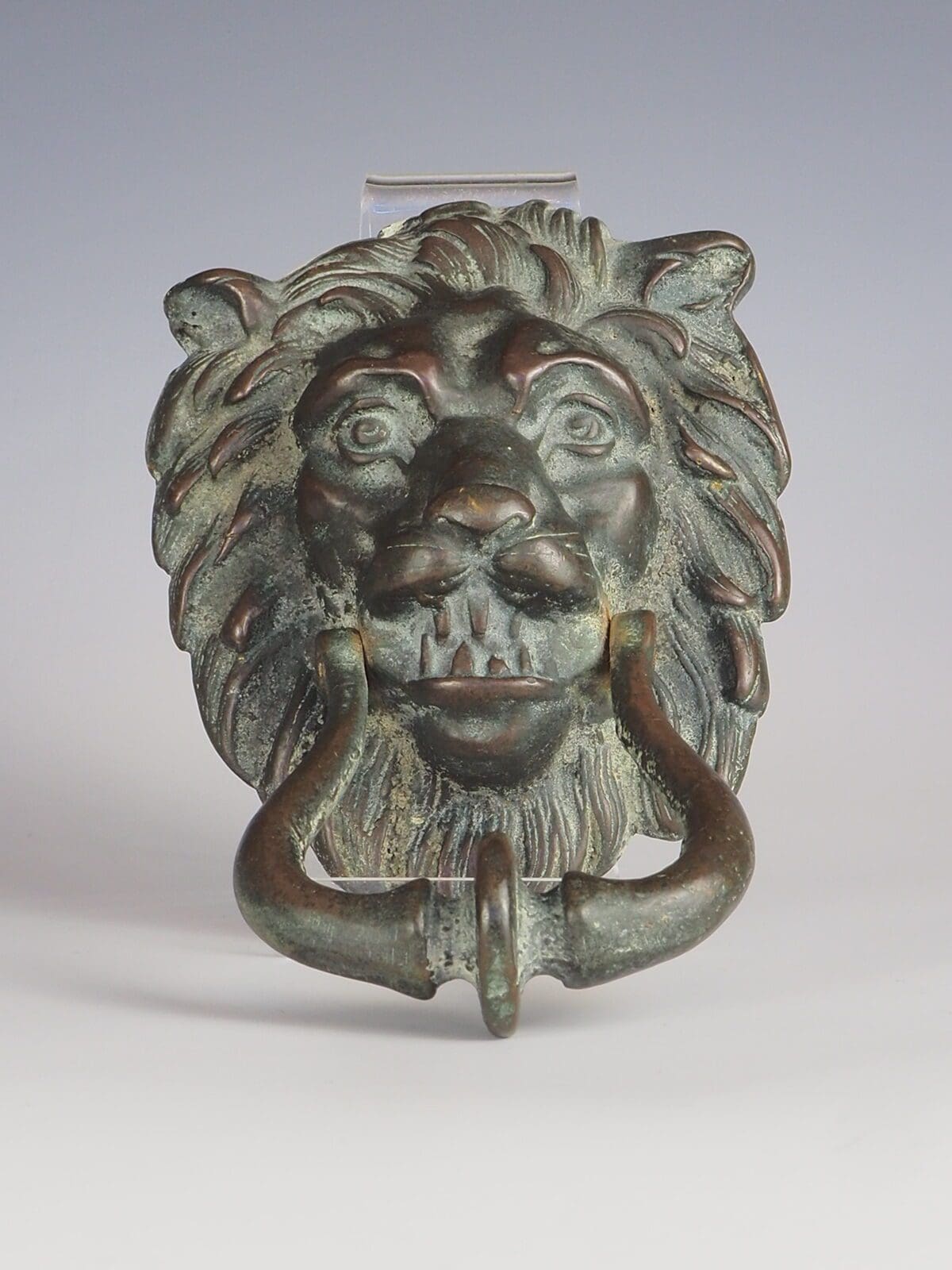
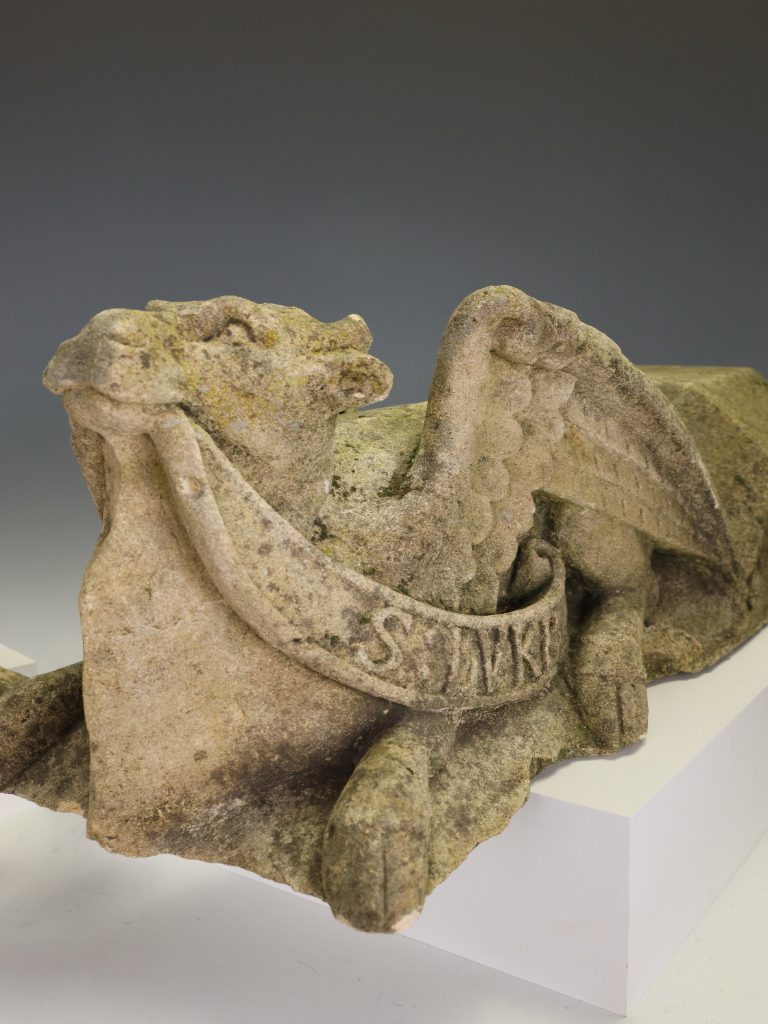
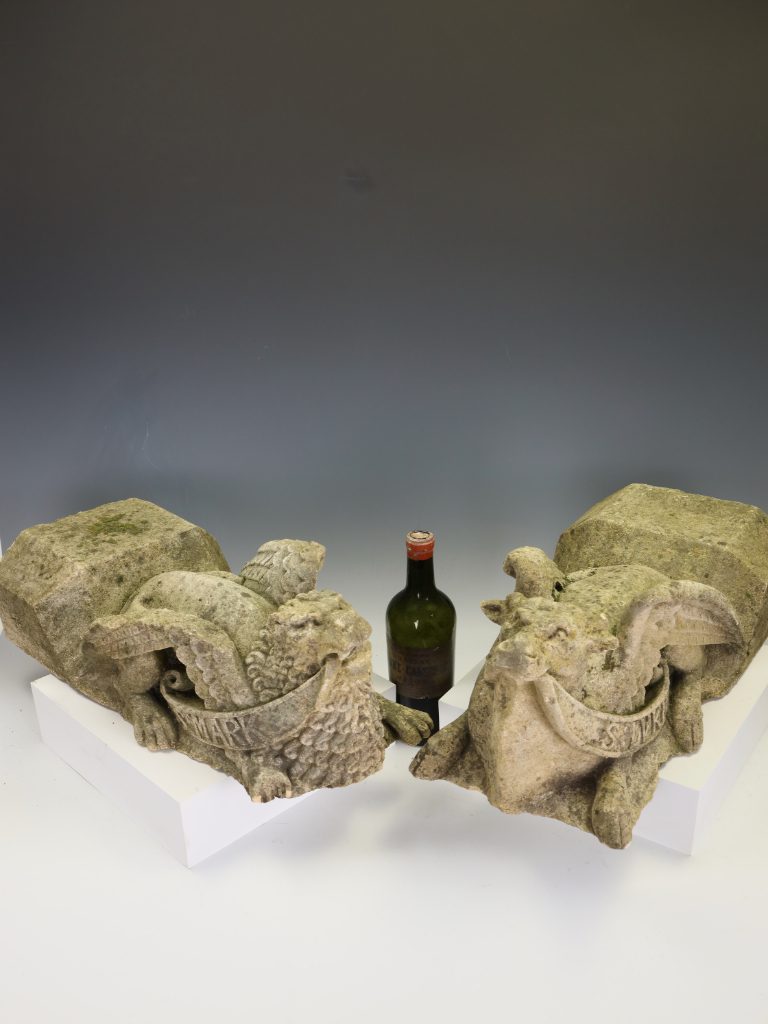
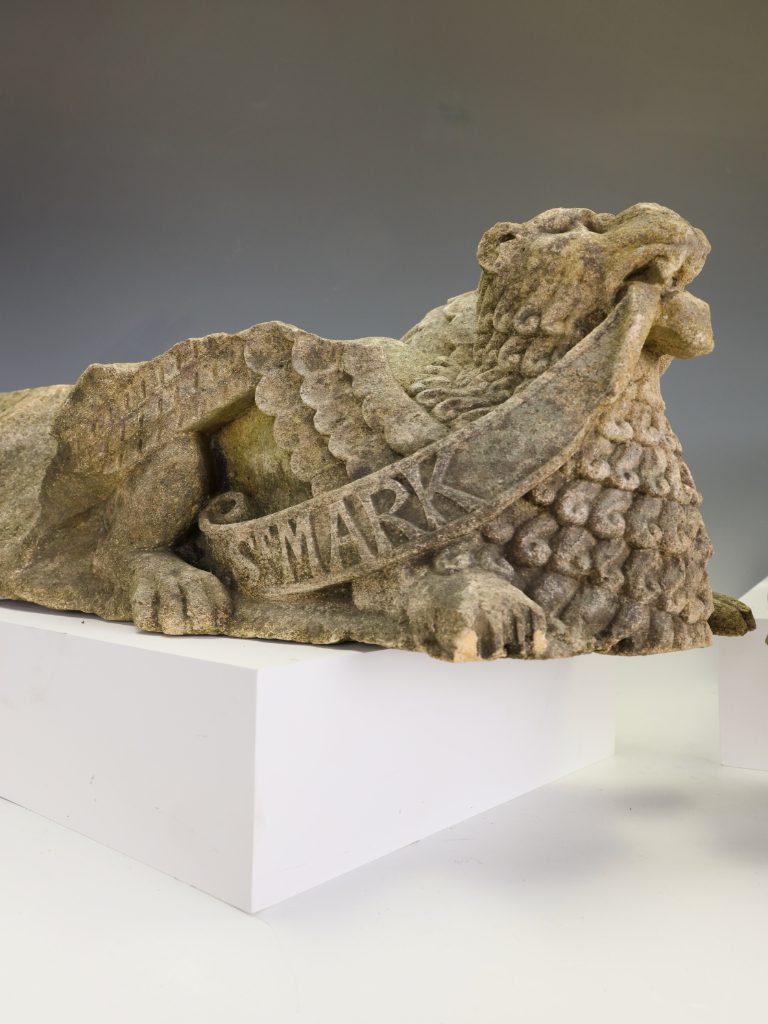
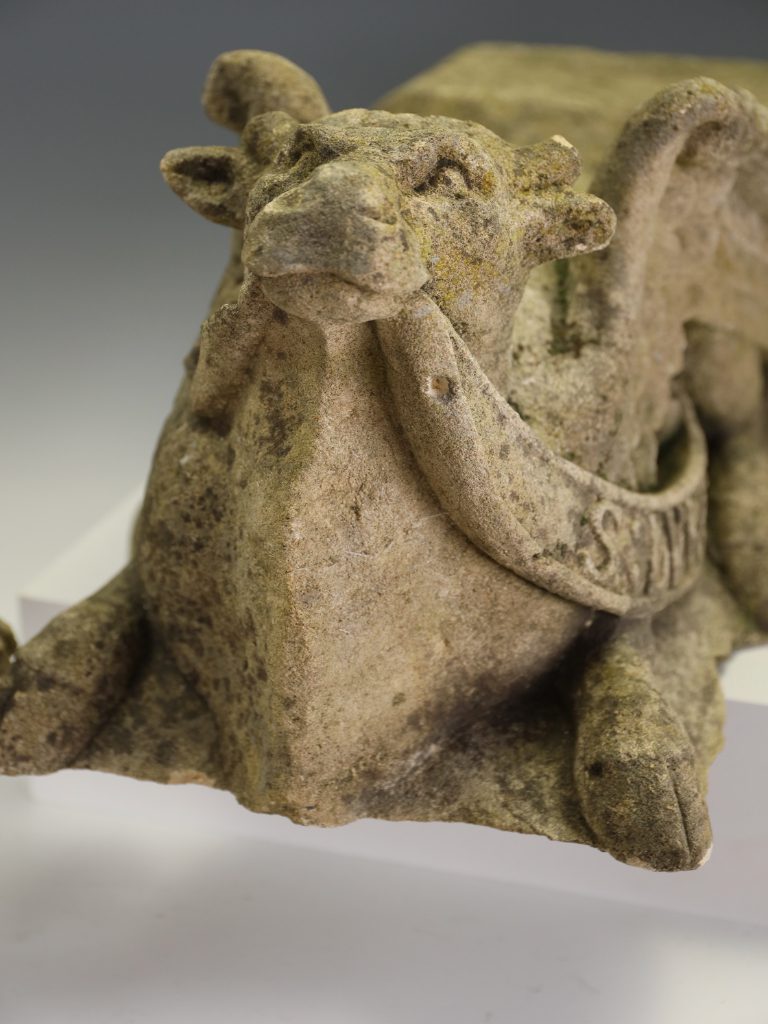
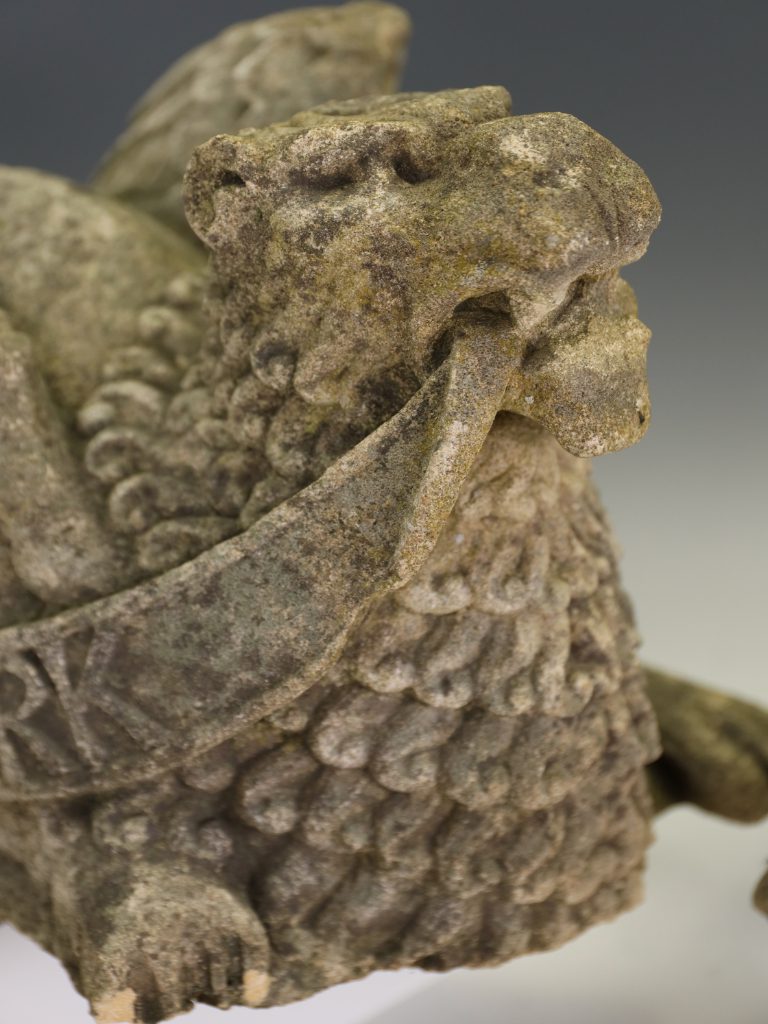
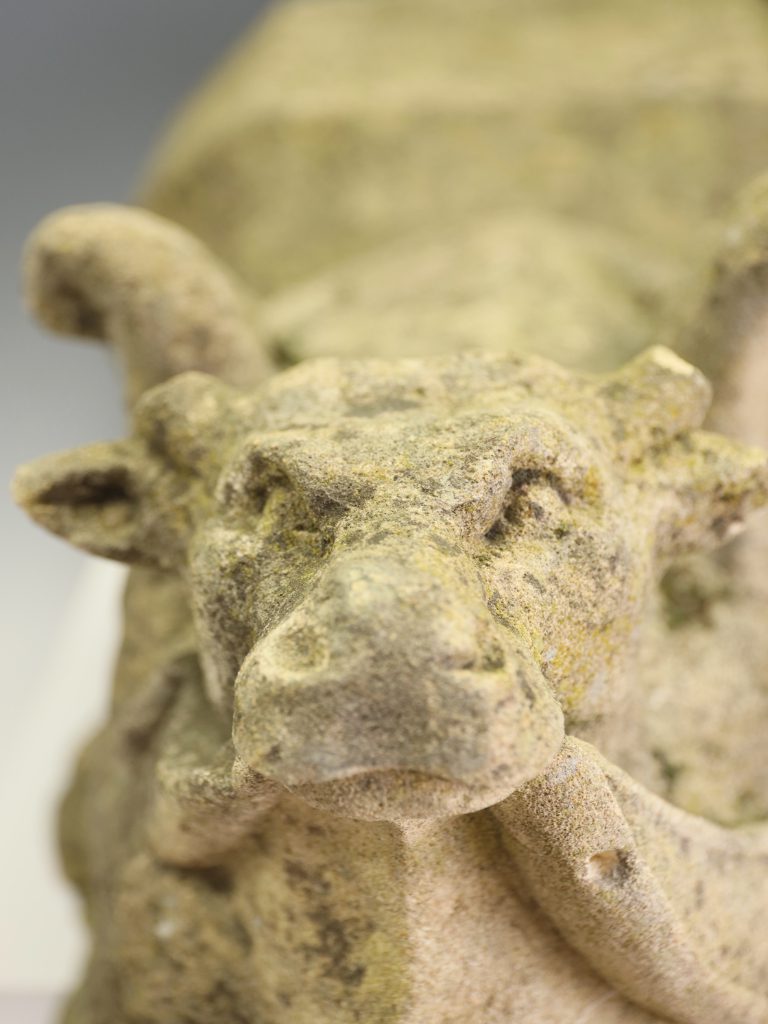
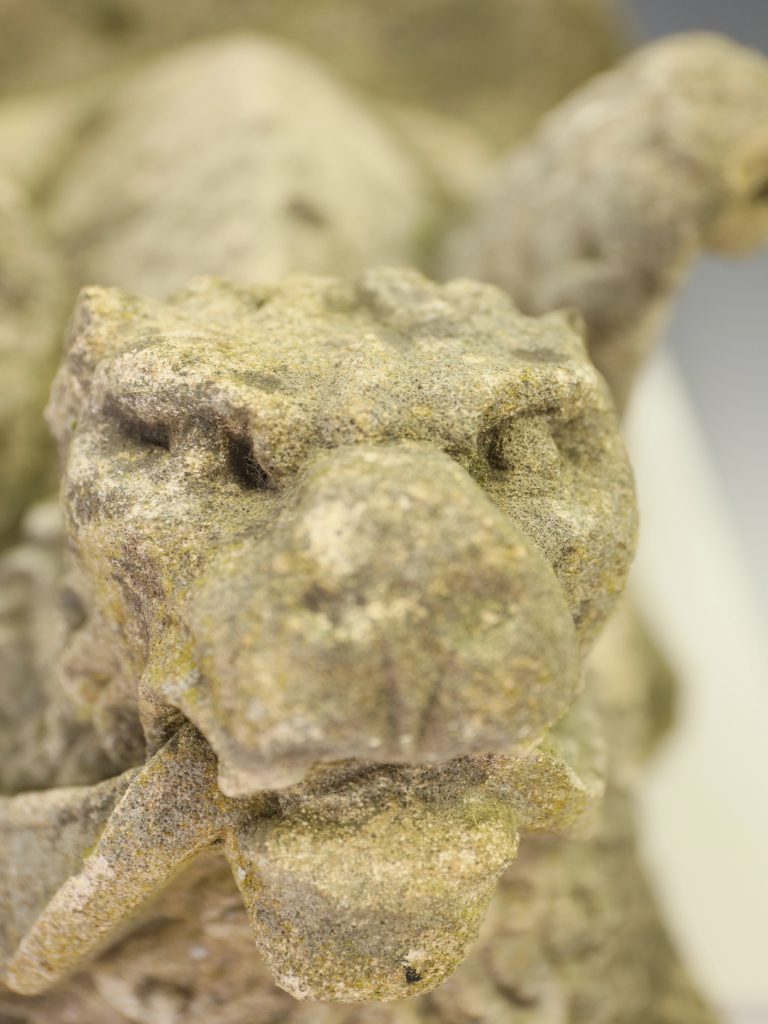
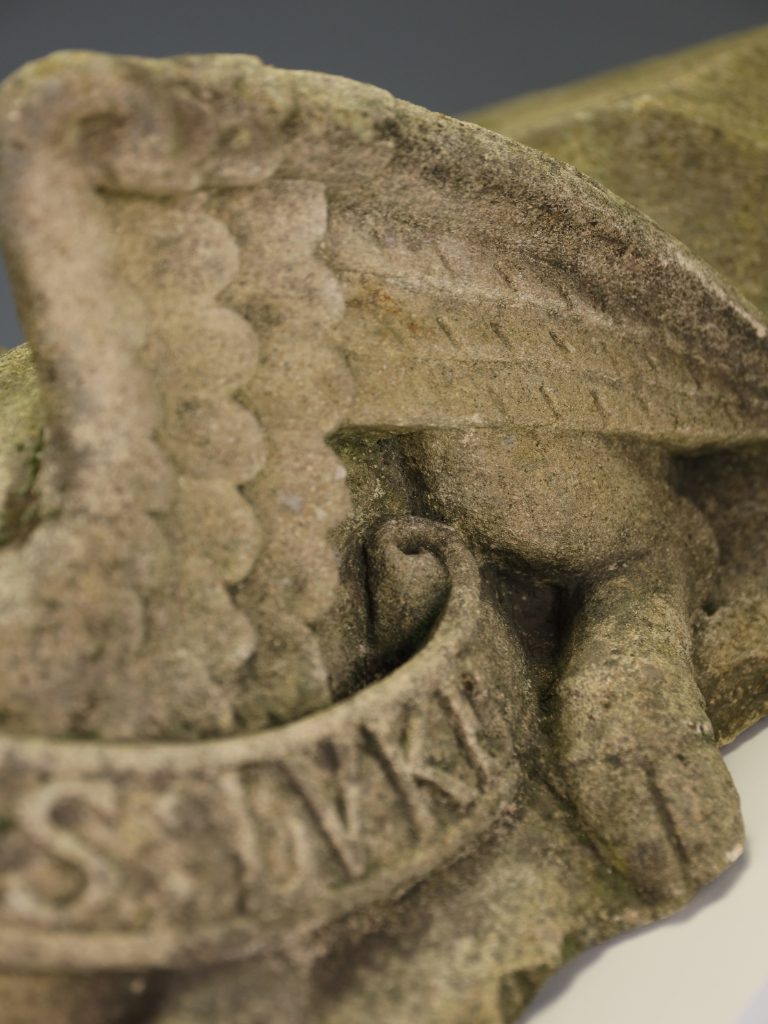
Each corbel is carved in deep relief and represents one of the Tetramorph symbols of the Evangelists. One depicts the Winged Lion of St. Mark, while the other represents the Ox of St. Luke.
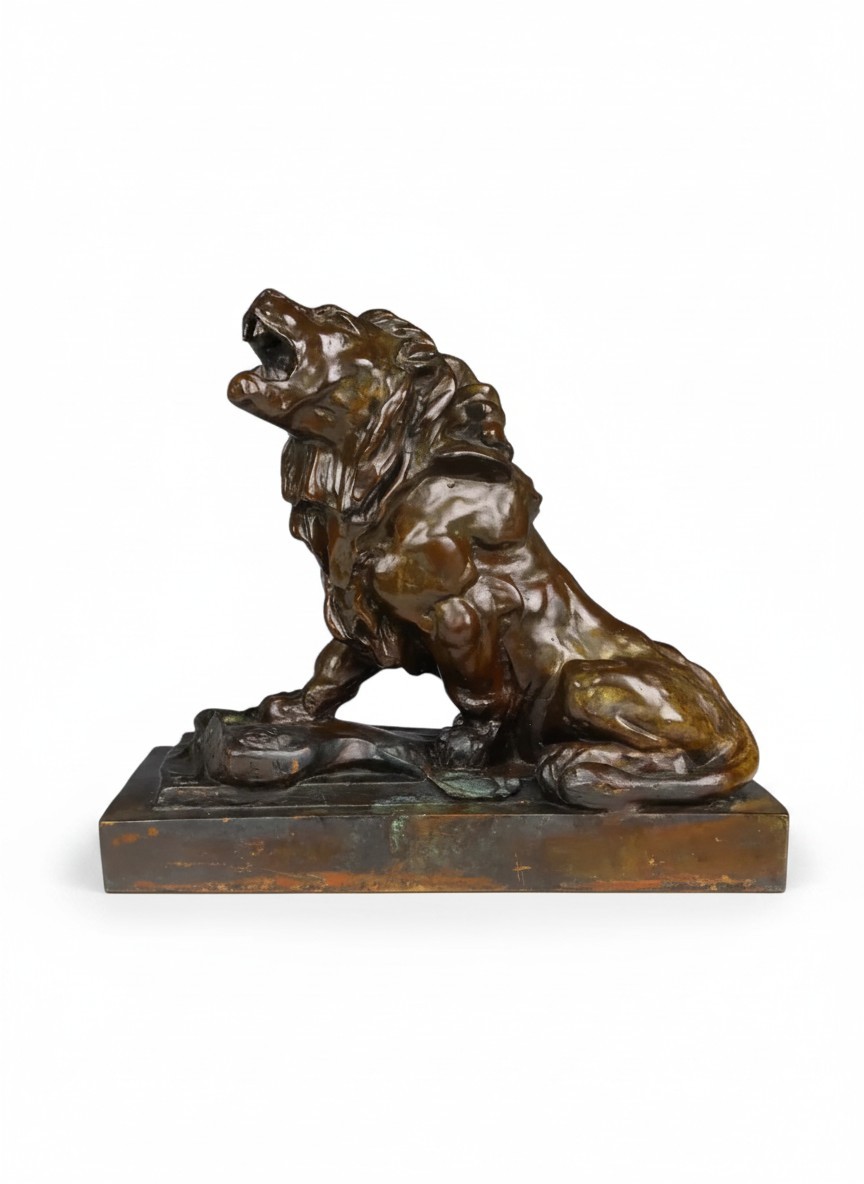
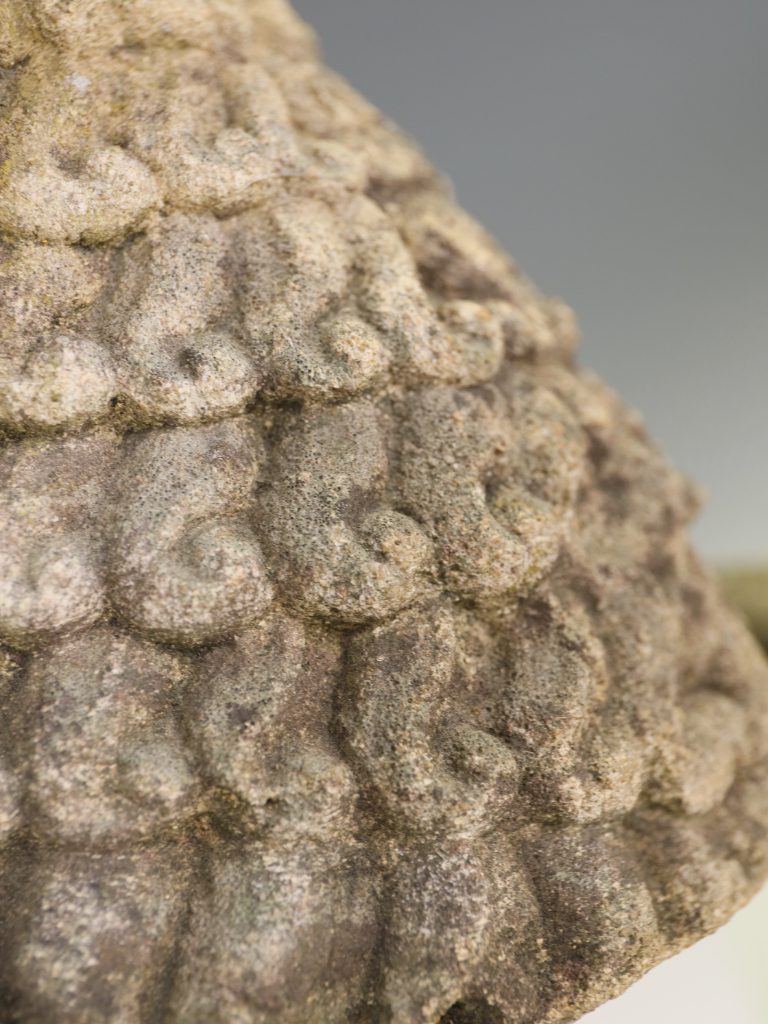
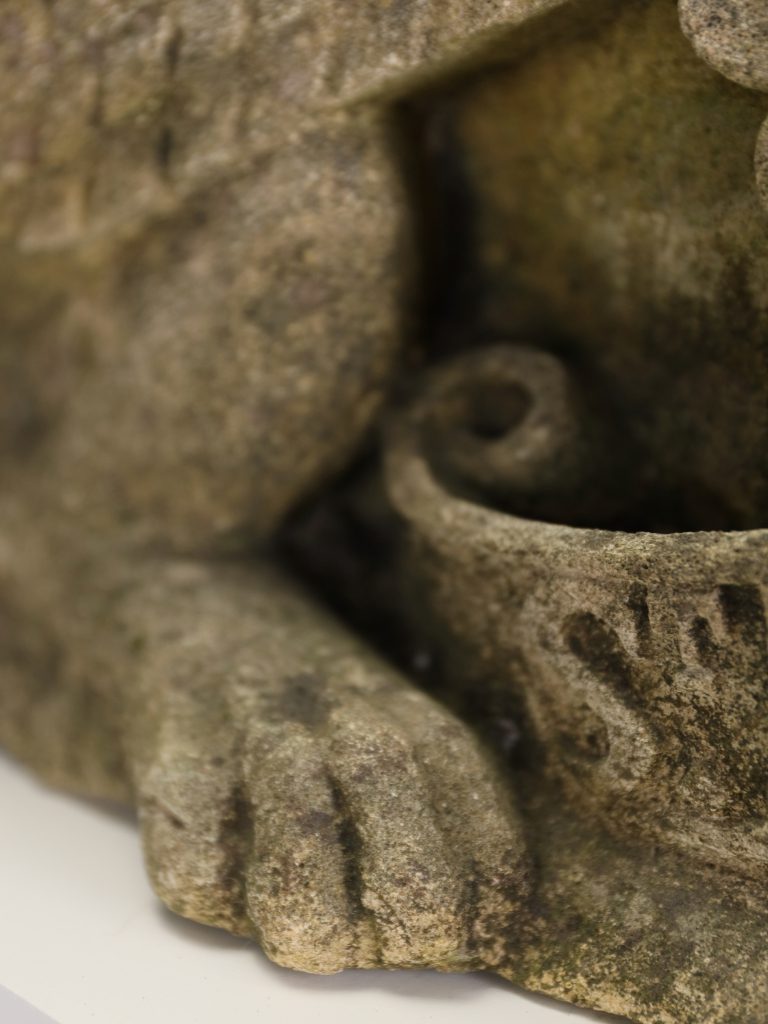
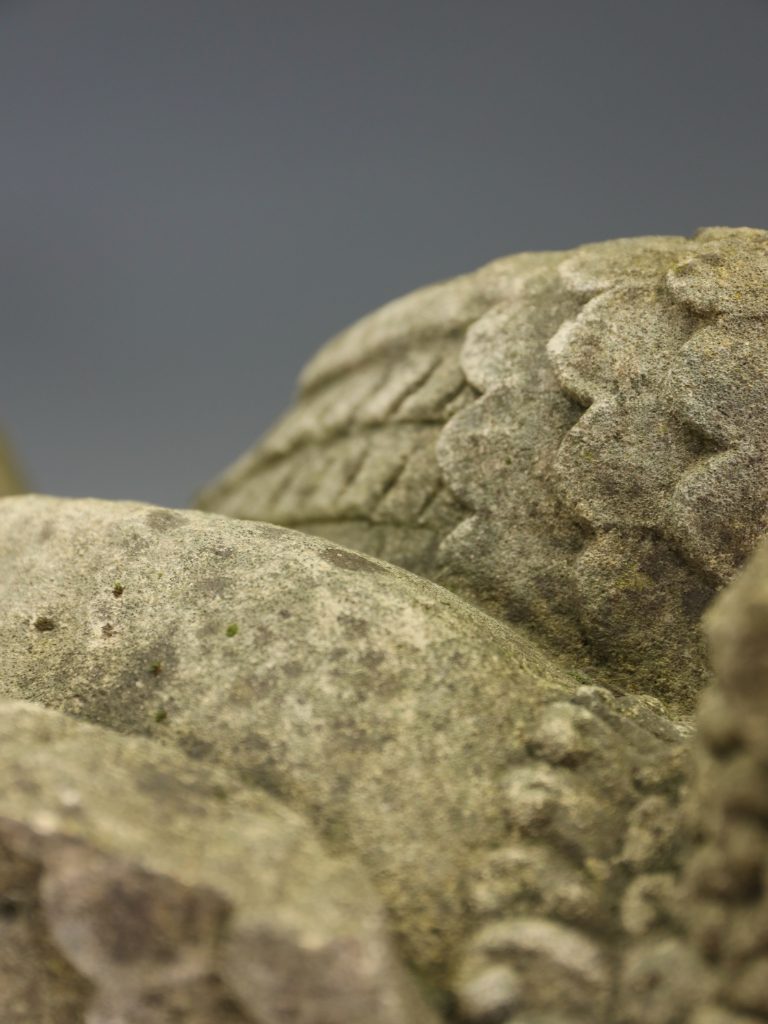
The Lion of St. Mark is powerfully modelled with a strongly defined mane, expressive facial carving and outstretched wings, creating dramatic shadow and depth. The Ox of St. Luke is carved with a broad, calm expression and finely shaped horns, integrated into the architectural form with remarkable balance and solidity.
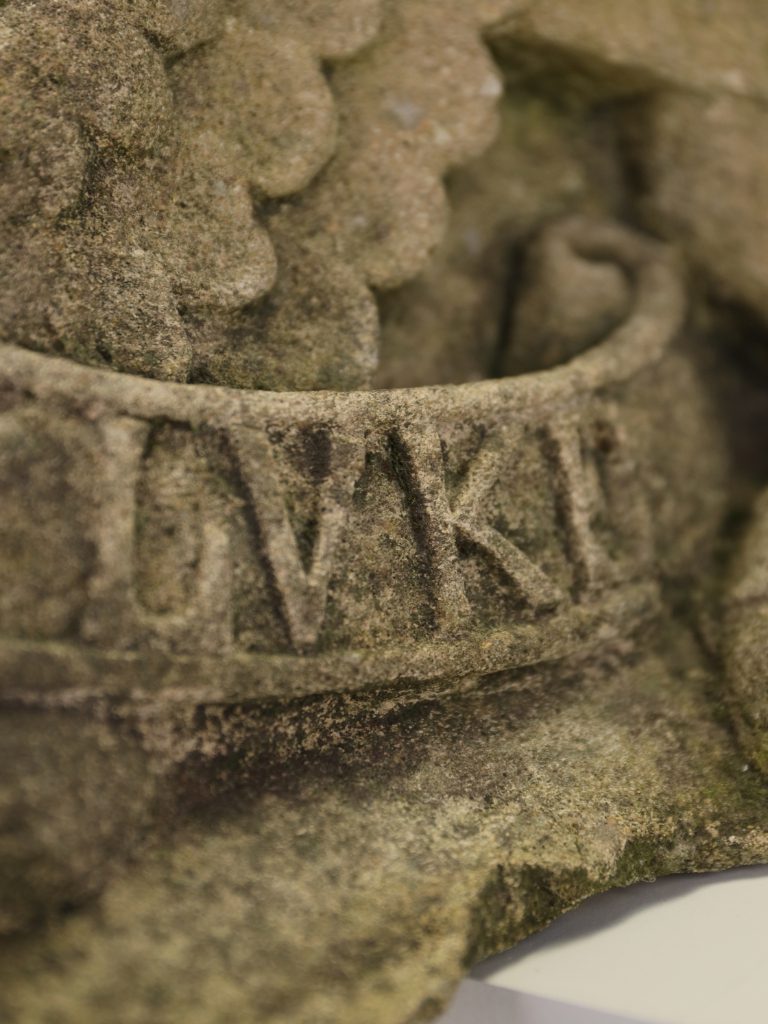
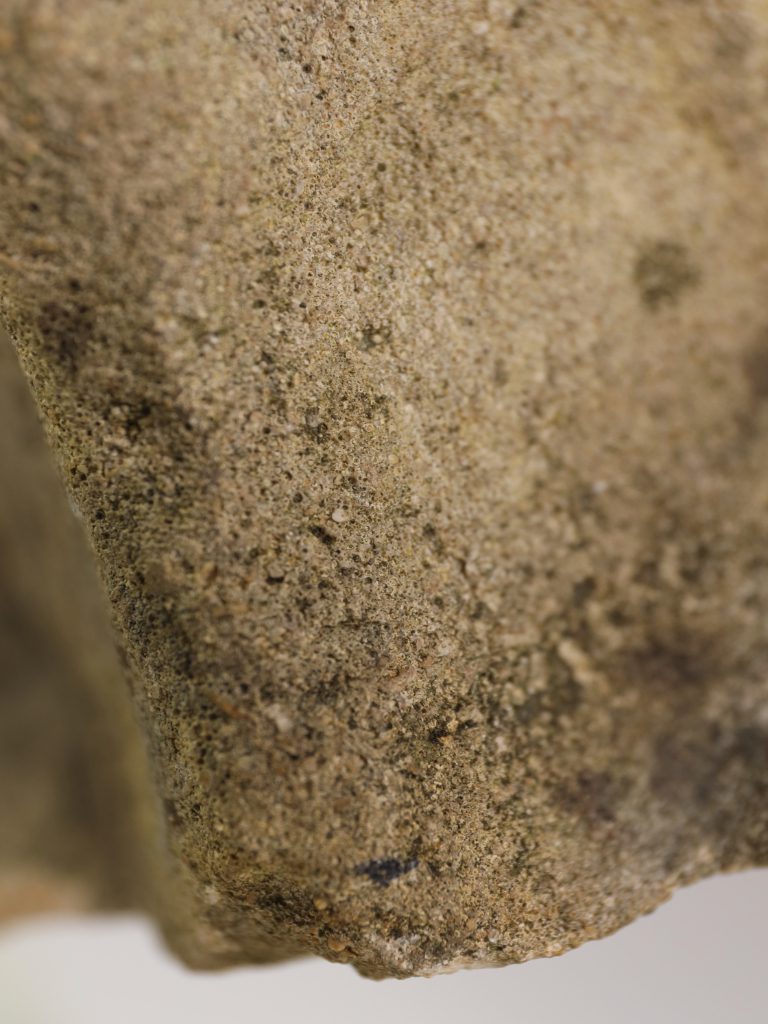
Both pieces are hand-carved from dense British limestone and retain the tactile surface qualities of traditional masonry work, including visible chisel marks, natural stone variation and a rich, time-worn patina developed through decades of architectural use and exposure.
Reclaimed from a Gothic Revival church building in Harrogate, North Yorkshire, these corbels reflect the strong influence of 19th-century architects such as A.W.N. Pugin and George Gilbert Scott, who championed medieval craftsmanship, symbolism and structural honesty in architecture.
The Tetramorph imagery was commonly used in ecclesiastical design to represent the four Evangelists, with the Lion symbolising St. Mark and the Ox representing St. Luke. These carved forms were not merely decorative but formed part of a wider architectural language expressing faith, order and narrative structure.
Today, surviving architectural fragments of this scale and quality are highly sought after for their sculptural presence and ability to introduce authentic historic character into both traditional and contemporary interiors.
Harrogate, North Yorkshire, United Kingdom
Gothic Revival / High Victorian Ecclesiastical Architecture
Circa 1860–1880
Solid hand-carved British limestone.
Deep relief carving with strong undercutting to enhance shadow and sculptural definition. Retains original tool marks, quarrying traces and aged surface patina consistent with historic architectural use.
Excellent structural condition.
These are authentic reclaimed architectural fragments and therefore display natural age-related surface wear including light erosion, softened edges, minor chips and historical abrasion consistent with long-term exposure and salvage.
There are no structural fractures or unstable areas.
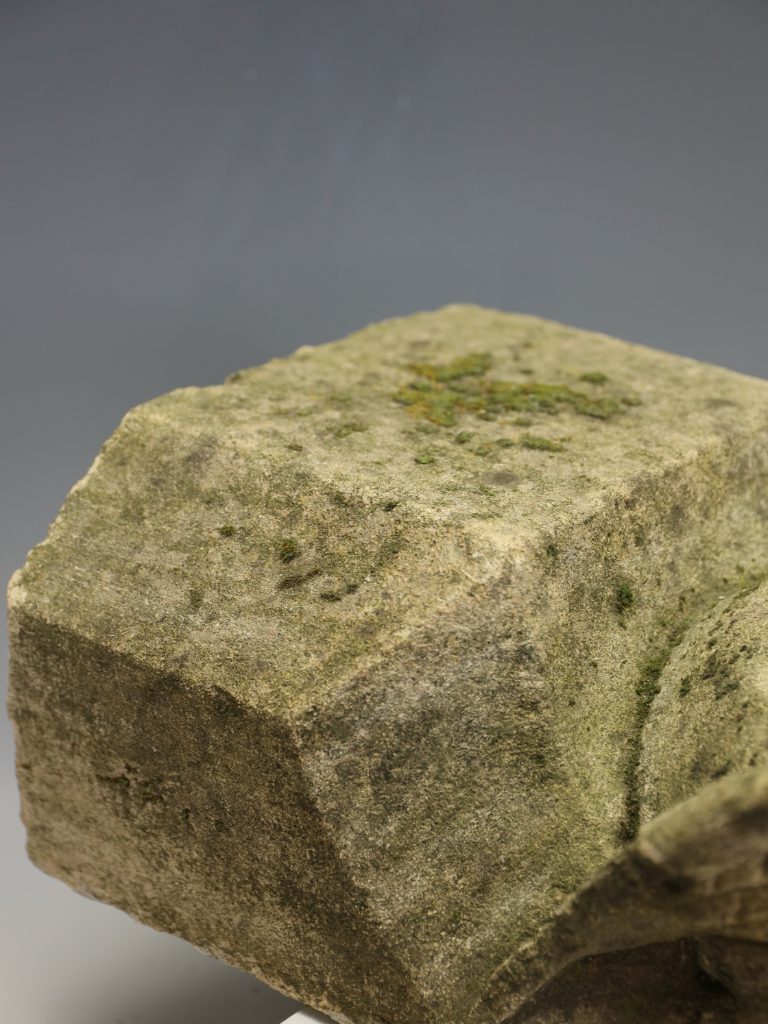
The reverse and upper surfaces retain original tool markings and remnants of historic mortar, confirming their architectural provenance and authenticity.
Height: 23 cm / 9.1 in
Width: 25 cm / 9.8 in
Depth: 52 cm / 20.5 in
Weight: 58.8 kg / 129.7 lbs
All our collections have been through our workshop and where possible, we always try to maintain the original finish preserving the patina and colour, some items are sympathetically restored and this is done by our own skilled craftsmen using only traditional methods