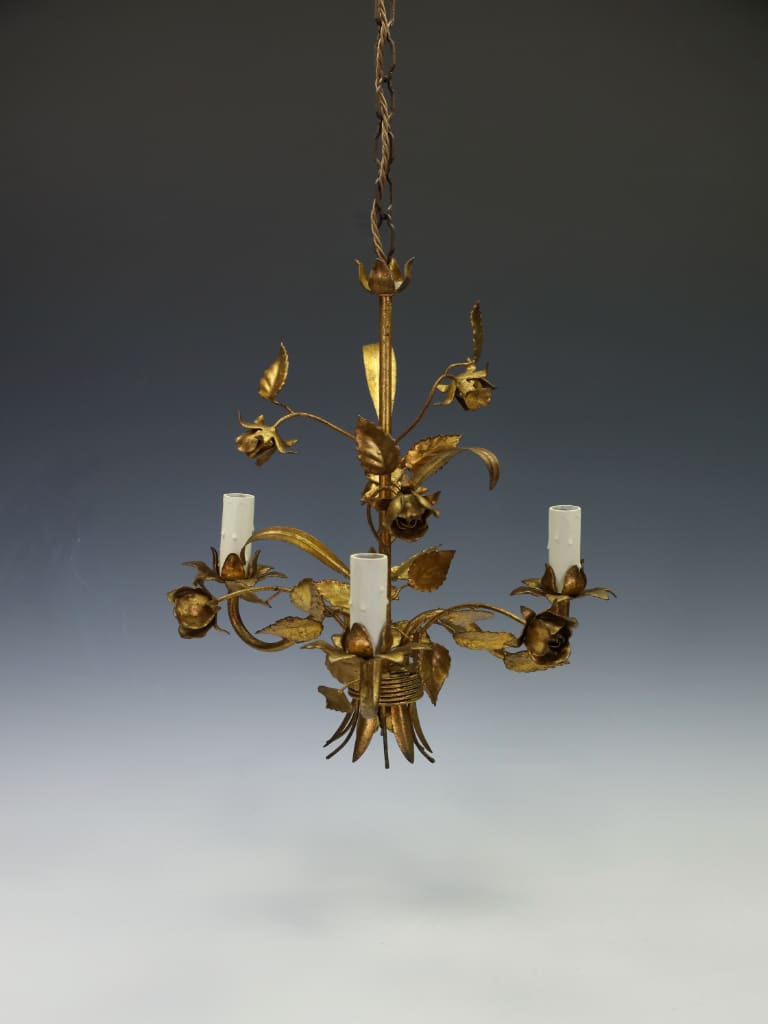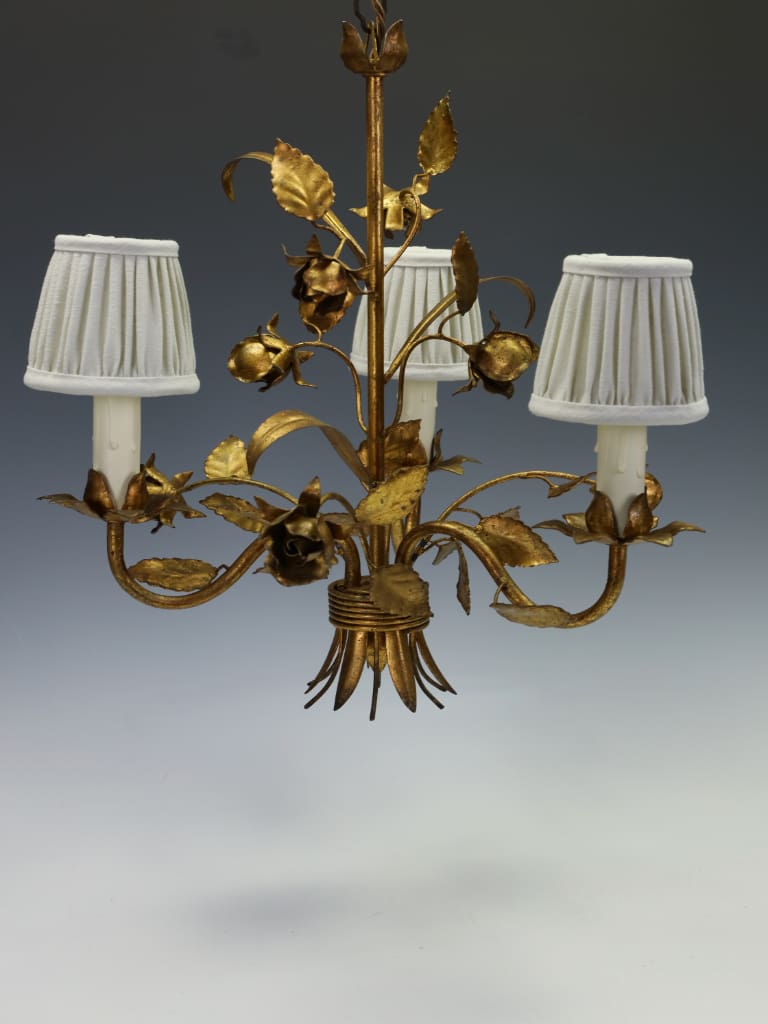

Late 19th Century Hand-Forged Wrought Iron Corona Chandelier
£895.00
Description
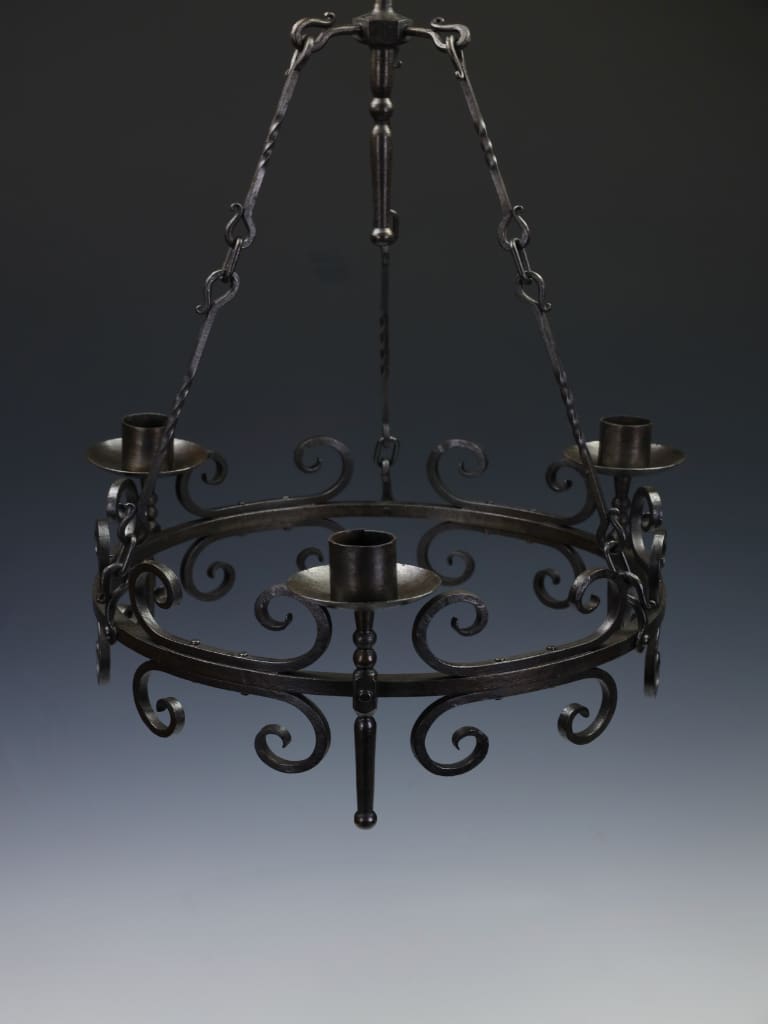
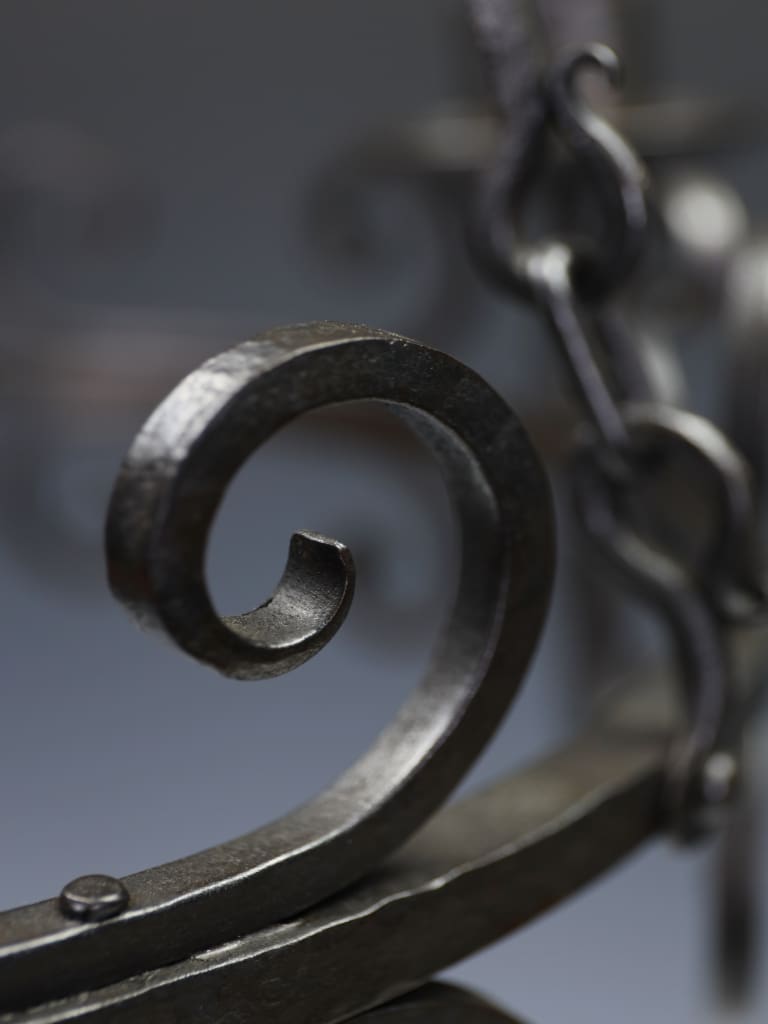
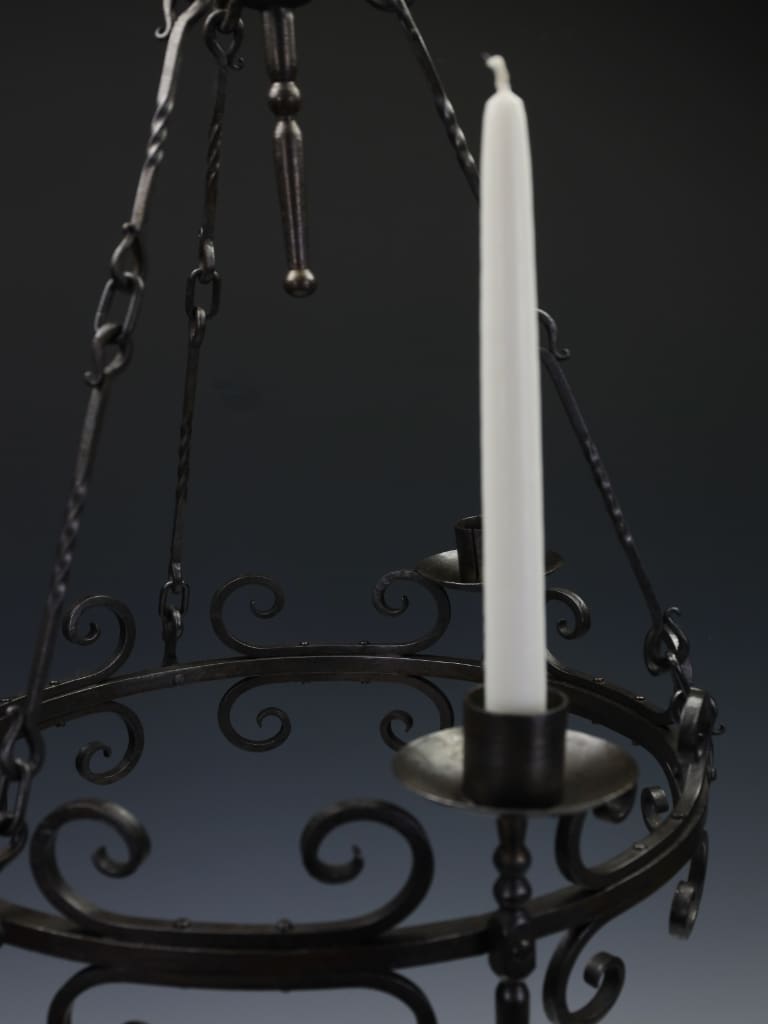
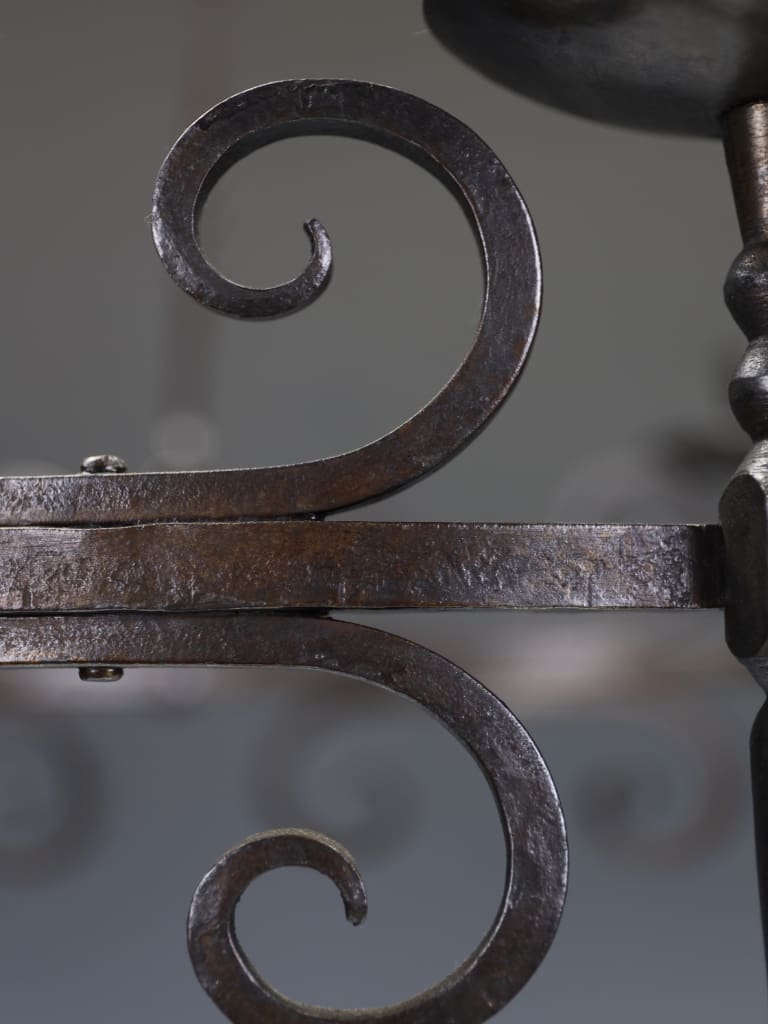
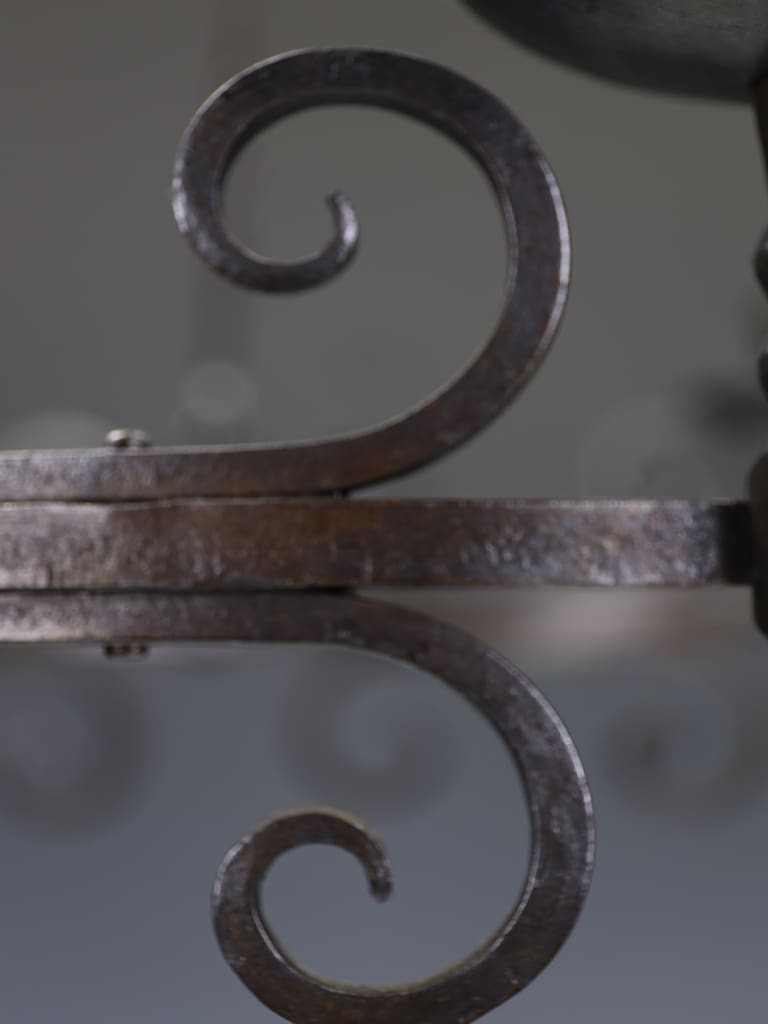
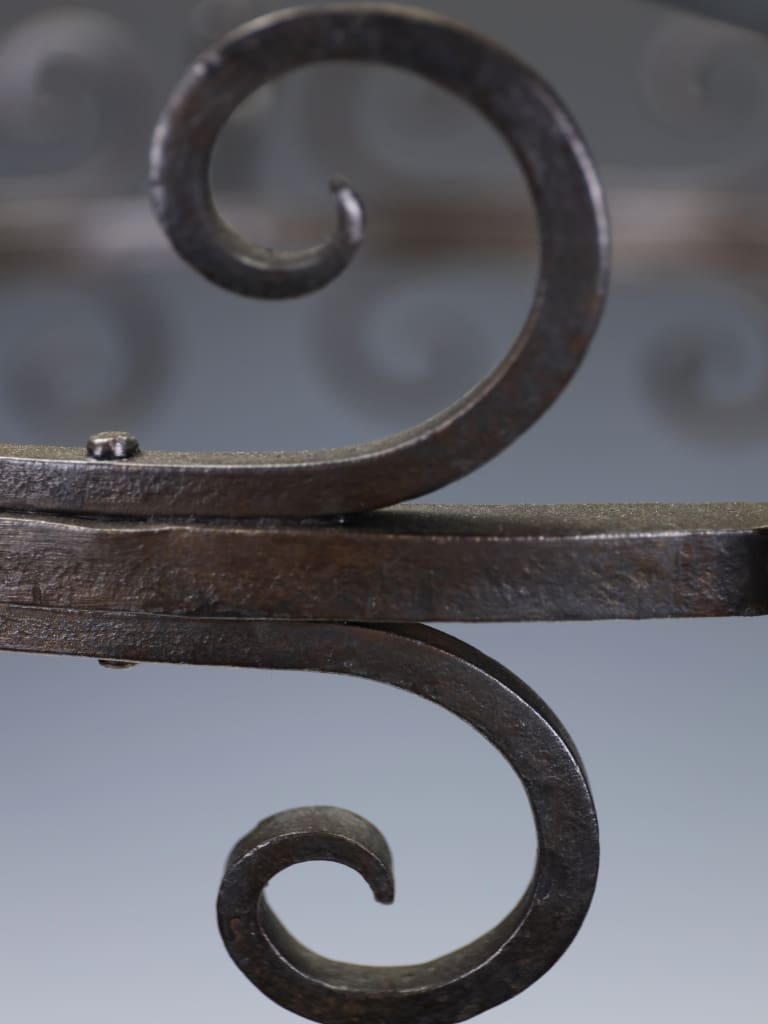
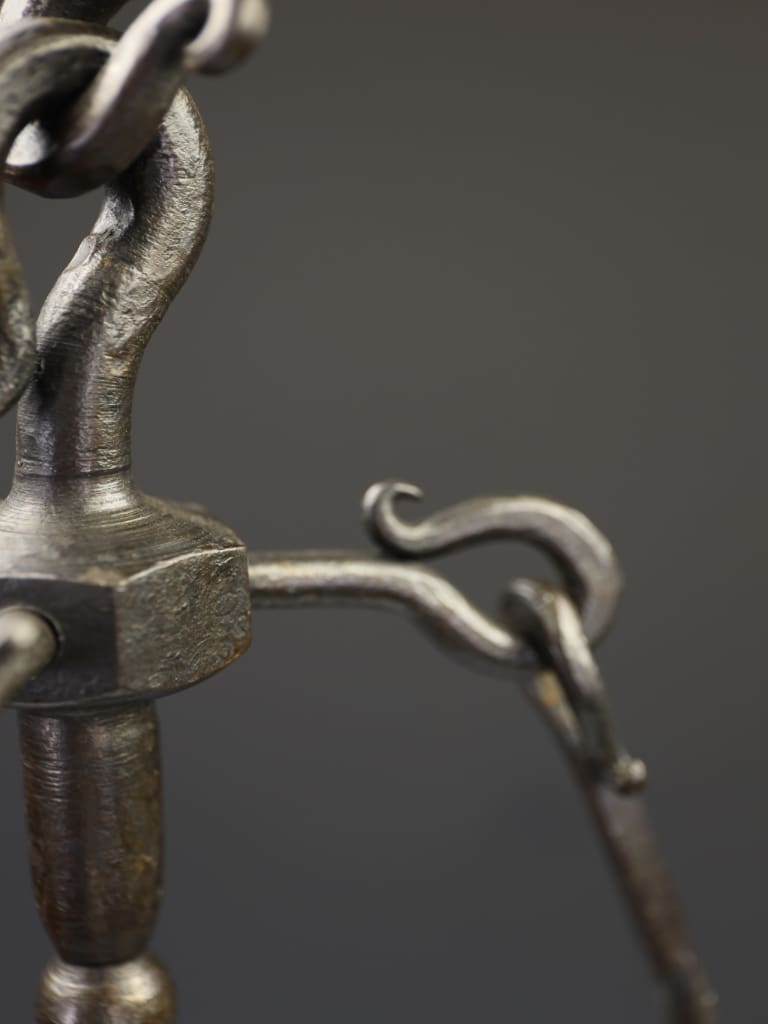
A superb and substantial late 19th-century hand-forged wrought iron chandelier, executed in the traditional "corona" or hoop form. This piece is an exceptional example of Victorian-era blacksmithing, featuring a heavy-gauge circular frame punctuated by hand-beaten C-scrolls and stylised foliate details.
Mainland UK Delivery Included

International Shipping
Delivery Leadtime
International delivery is estimated at 5-7 working days.
Full details will be confirmed during the ordering process.

Late 19th Century Hand-Forged Wrought Iron Corona Chandelier
A superb and substantial late 19th-century hand-forged wrought iron chandelier, executed in the traditional "corona" or hoop form. This piece is an exceptional example of Victorian-era blacksmithing, featuring a heavy-gauge circular frame punctuated by hand-beaten C-scrolls and stylised foliate details.
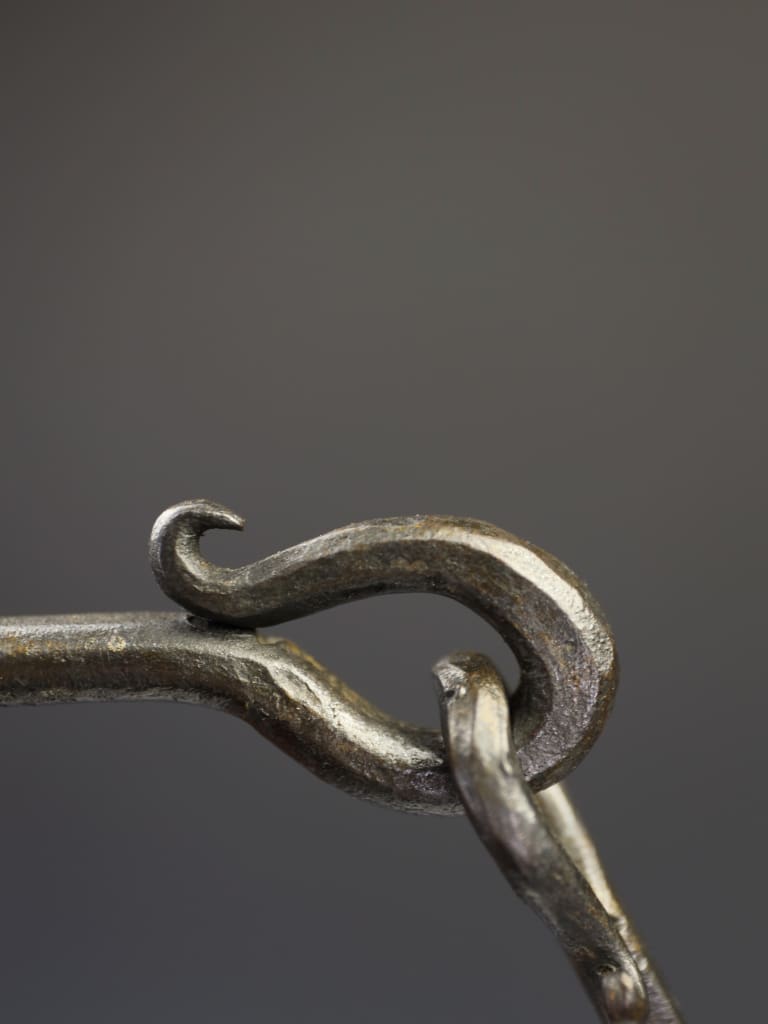
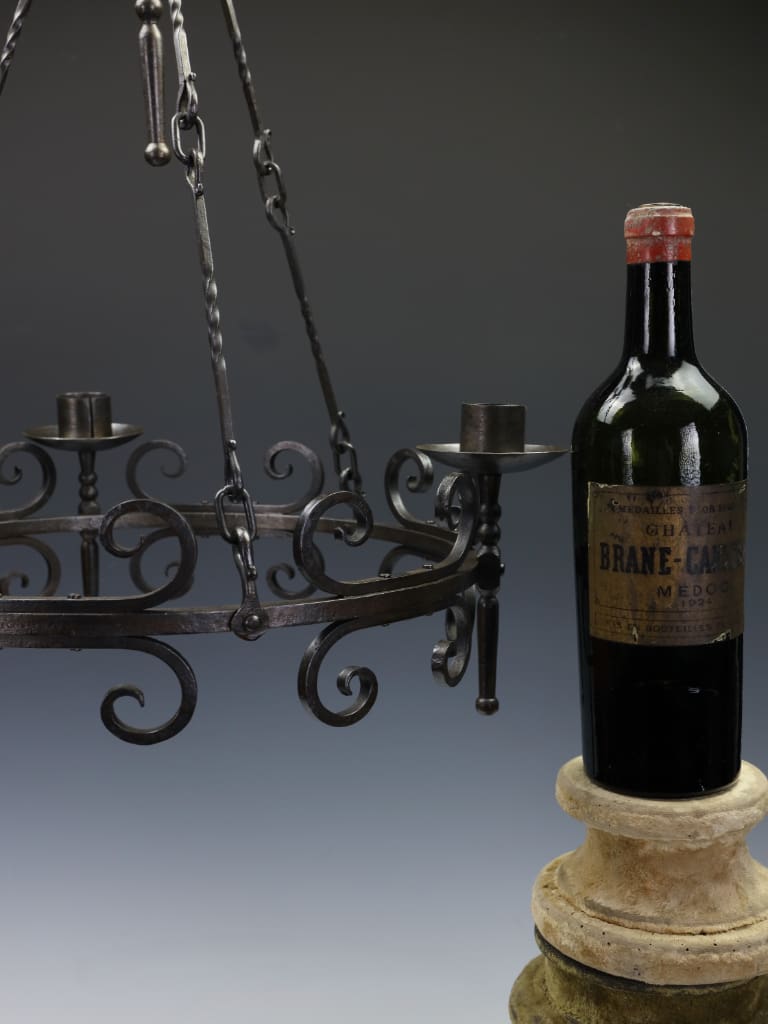
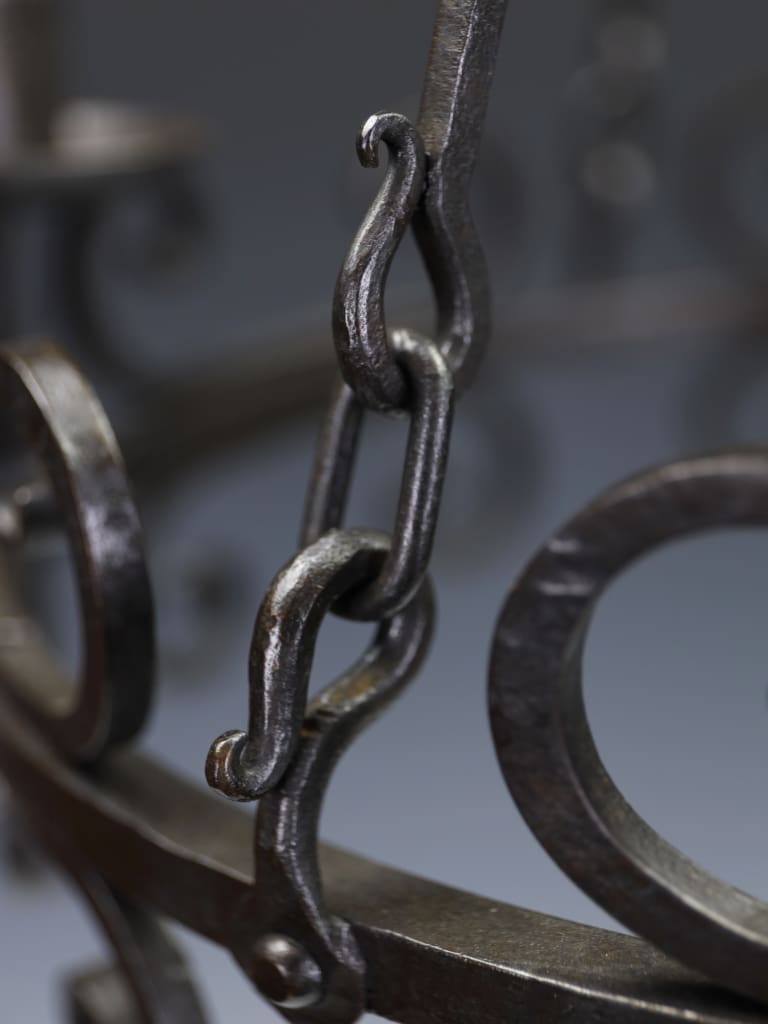
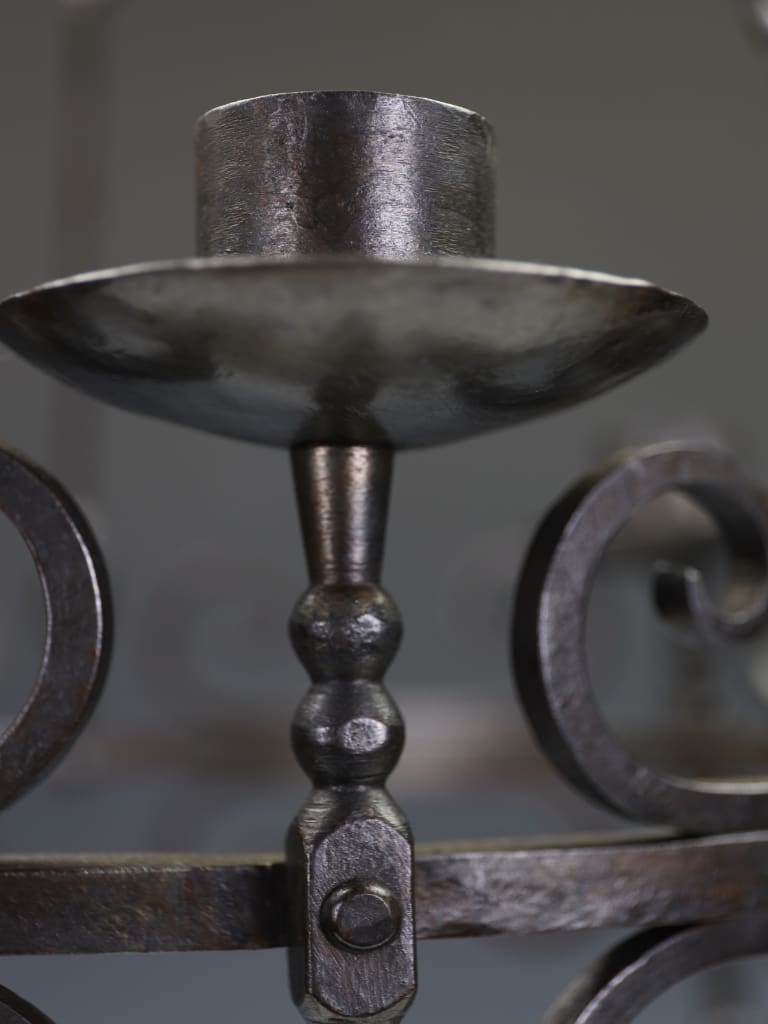
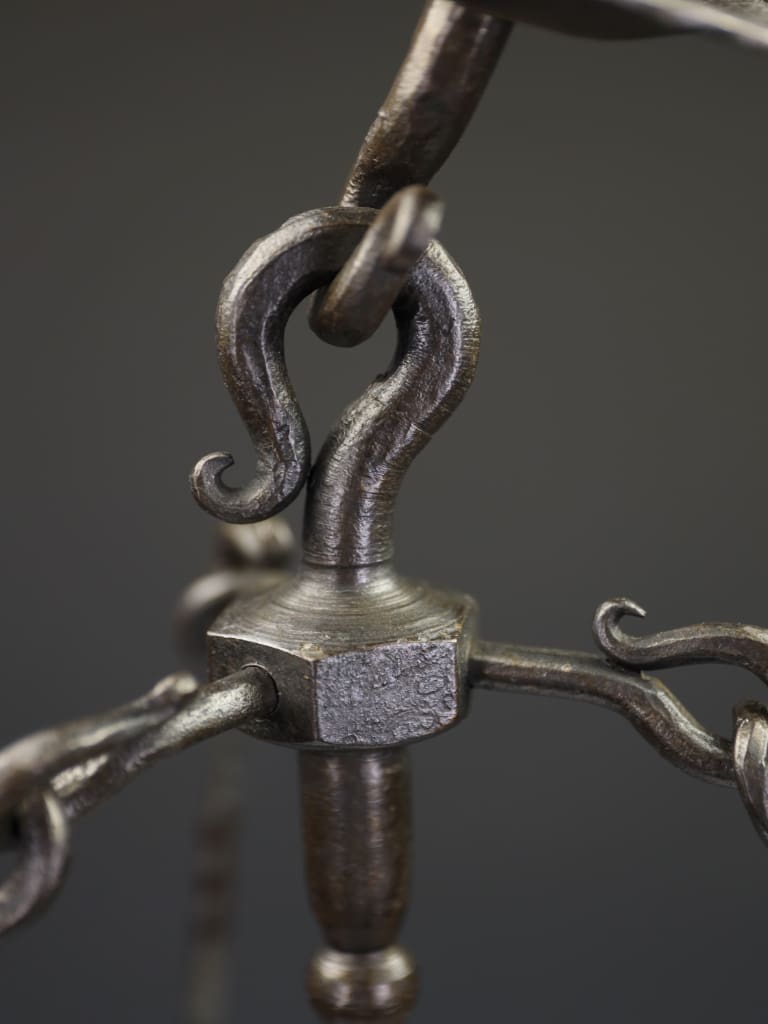
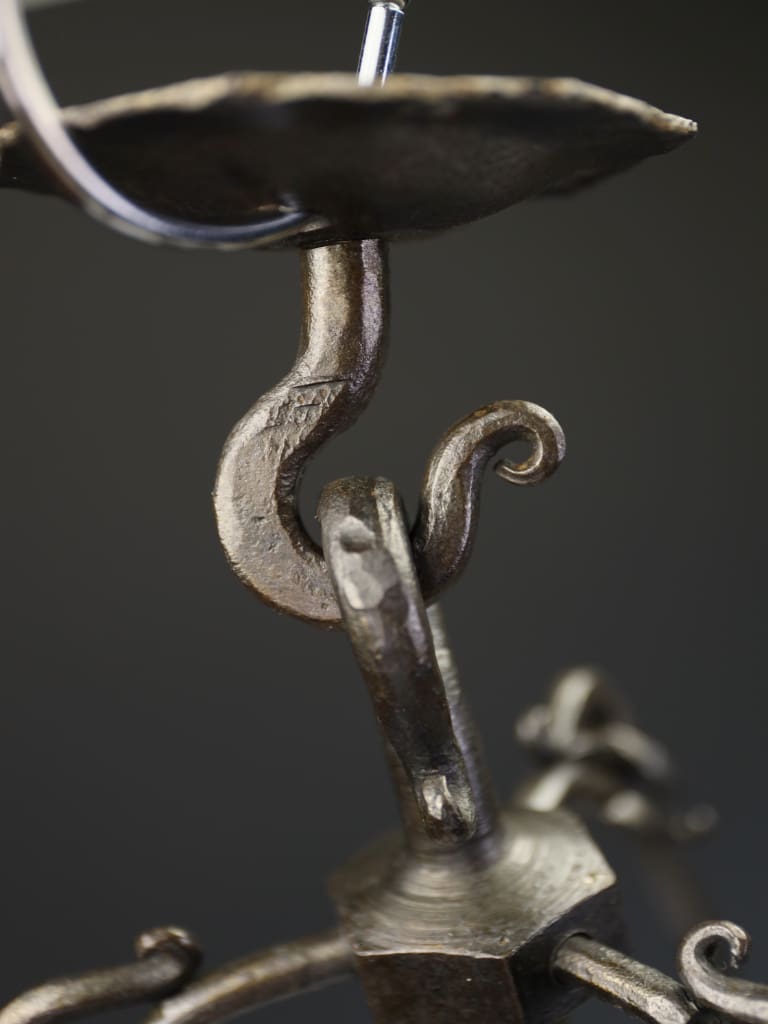
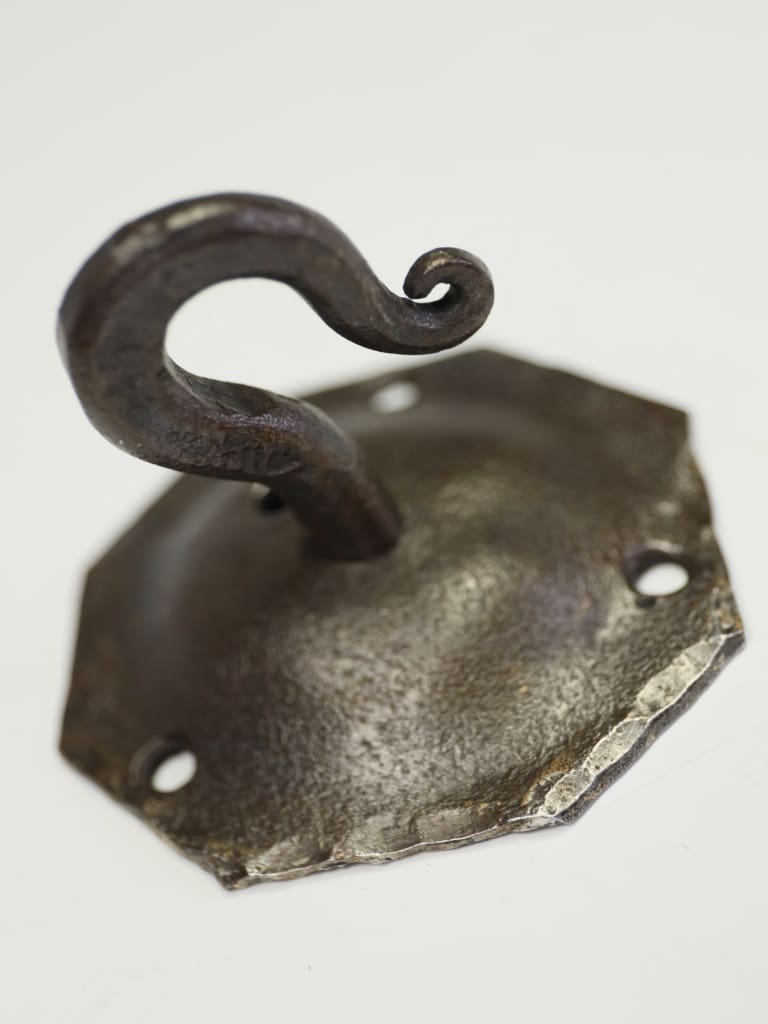
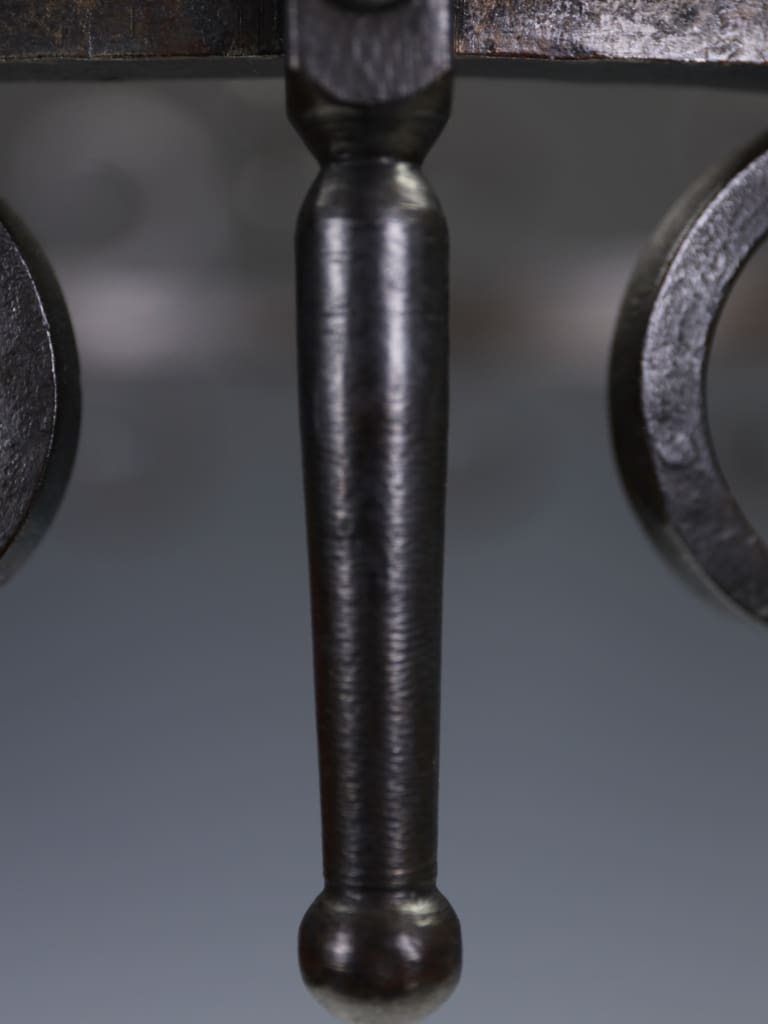
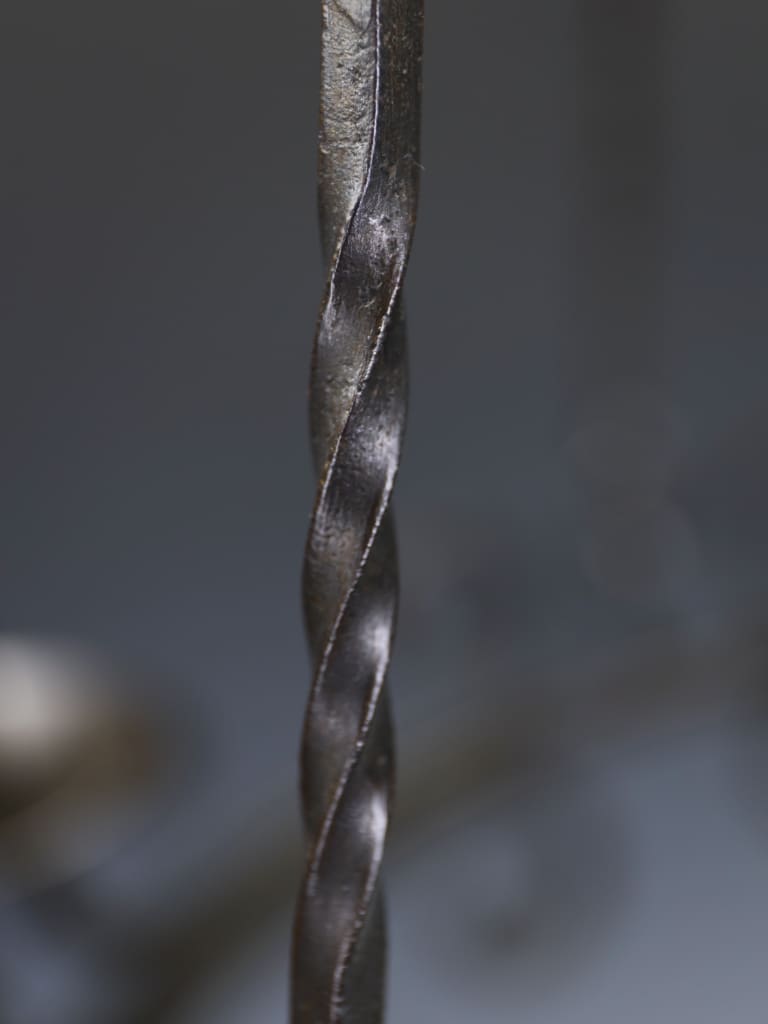
The chandelier is suspended by a triple-chain assembly of hand-linked iron, meeting at a central turned boss with a matching forged hanging hook. It features three integrated candle nozzles with broad, hand-hammered drip pans. The visible rivet work and hammer marks throughout celebrate the artisanal construction, making it a perfect statement piece for a vaulted hallway, dining room, or period library.
-
Period: Late 19th Century (c. 1880–1890)
-
Style: Gothic Revival / Arts & Crafts
-
Material: Hand-Forged Wrought Iron
-
Origin: England
-
Nozzles: 3 Candle Sockets
Dating to the final decades of the 19th century, this chandelier reflects the Gothic Revival's obsession with medieval architectural forms. At a time when gas and early electric lighting were becoming standardised, hand-forged iron pieces like this were commissioned for country houses and "Old English" style interiors to evoke a sense of history and permanence. The craftsmanship is typical of high-end British ironworks of the period, prioritising structural honesty and a dark, atmospheric presence.
Condition Report
Excellent Antique Condition. The ironwork is exceptionally strong with no thinning or structural fatigue. It retains a deep, authentic dark patina with very minor, stable surface oxidation that enhances its antique character. All chains, hooks, and nozzles are original and remain in full functional order.
Measurement
Height: 20 cm / 7.9 inch
Width: 40 cm / 15.7 inch
Depth: 40 cm / 15.7 inch
Max Drop: 56 cm / 22.04 inch
Weight: 3.6 k.g. / 7.9 lbs
Cleaning, Polishing & Restoration
All our collections have been through our workshop and where possible, we always try to maintain the original finish preserving the patina and colour, some items are sympathetically restored and this is done by our own skilled craftsmen using only traditional methods