
Rare 17th Century English Carved Stone Corbel Head
£900.00
Description
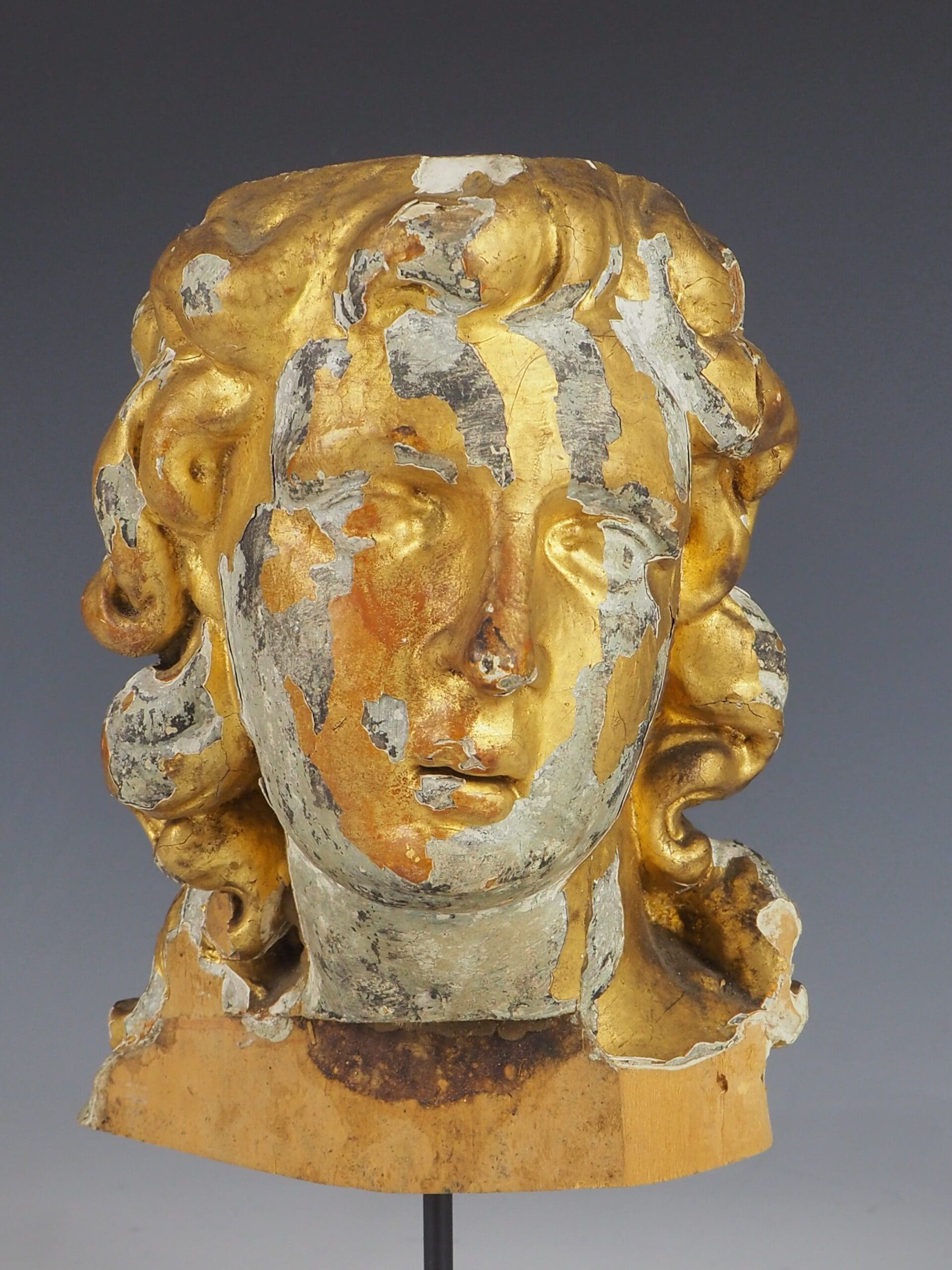
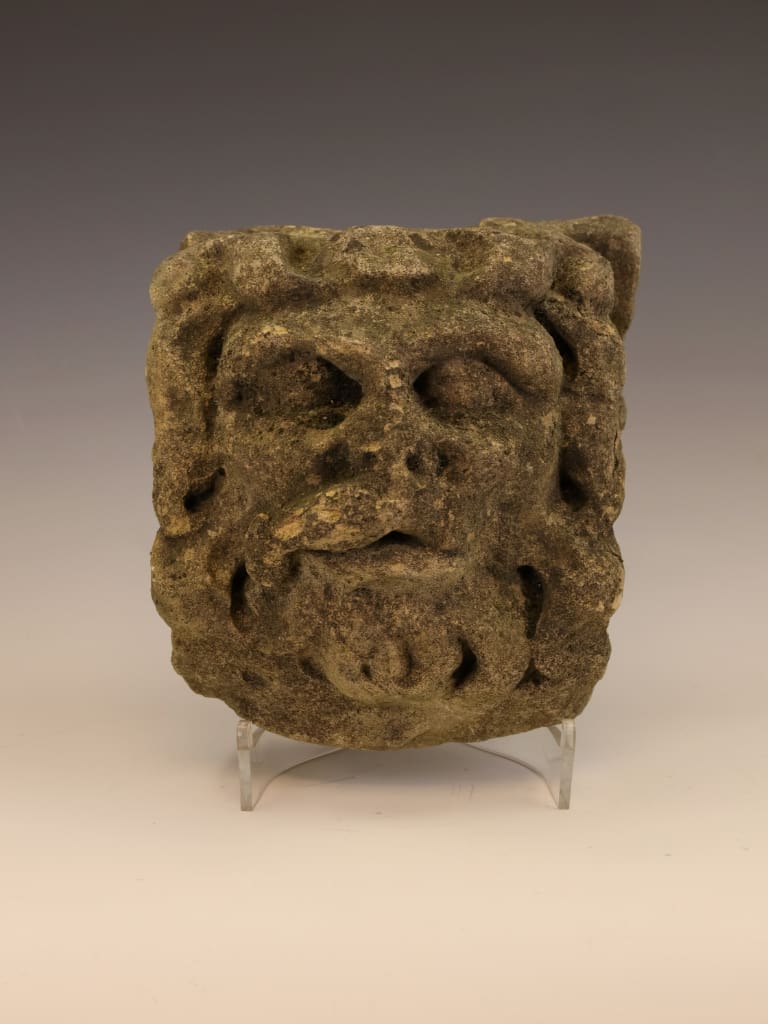
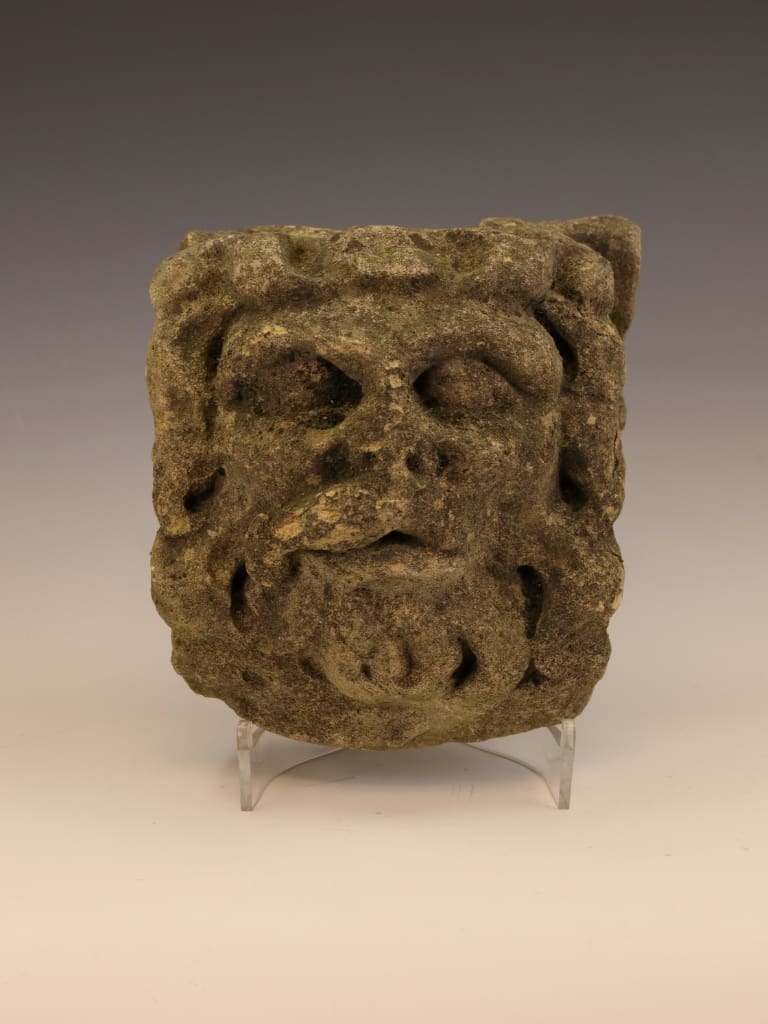
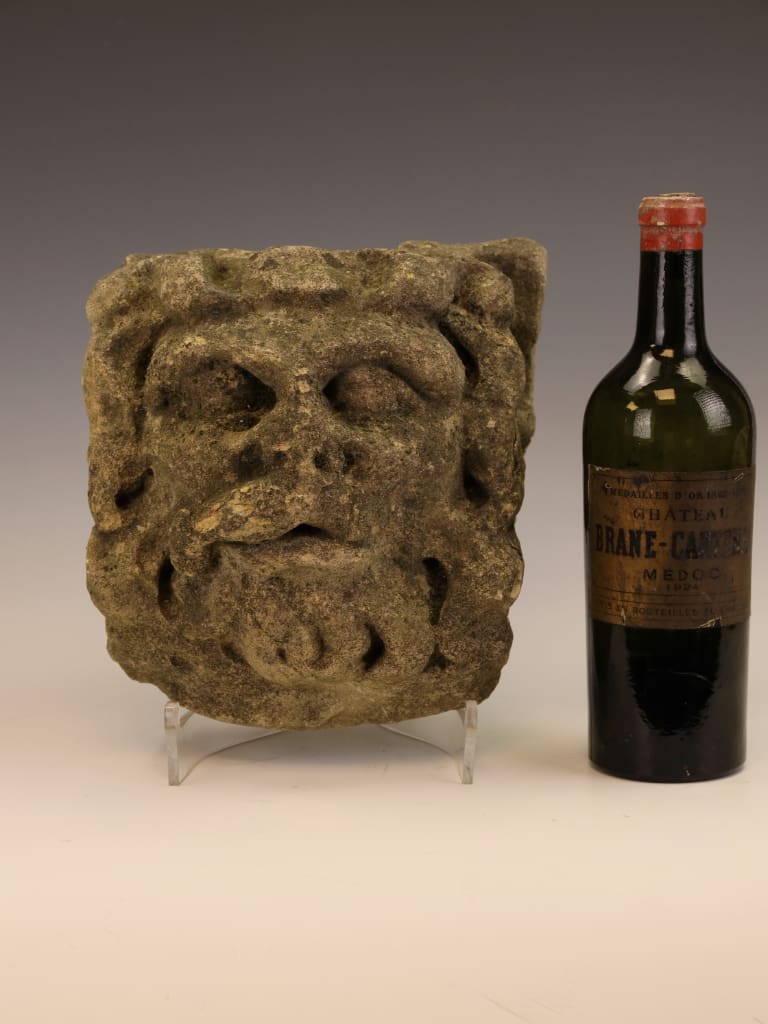
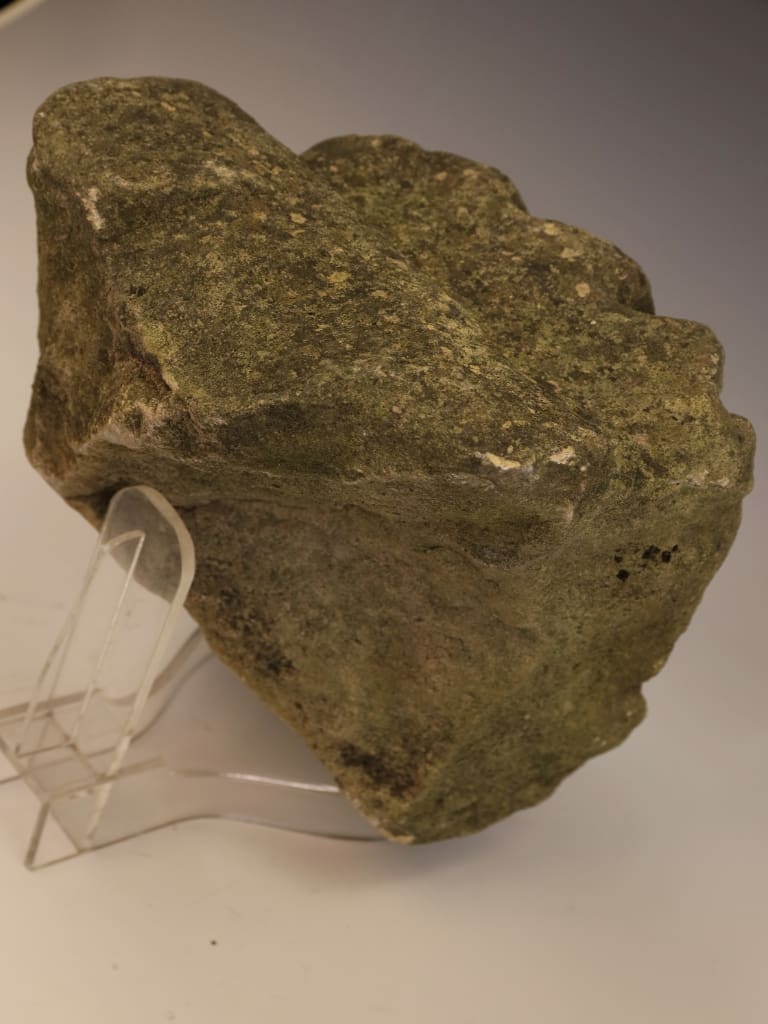
A deeply compelling and powerfully expressive carved stone corbel head, representing the transition from late Medieval Gothic to the early post-Medieval vernacular of the 17th century. This architectural survivor was originally a structural element, likely supporting a hammerbeam roof or stone vaulting in a high-status manor house or an ecclesiastical building.
Mainland UK Delivery Included

International Shipping
Delivery Leadtime
International delivery is estimated at 5-7 working days.
Full details will be confirmed during the ordering process.

Rare 17th Century English Carved Stone Corbel Head
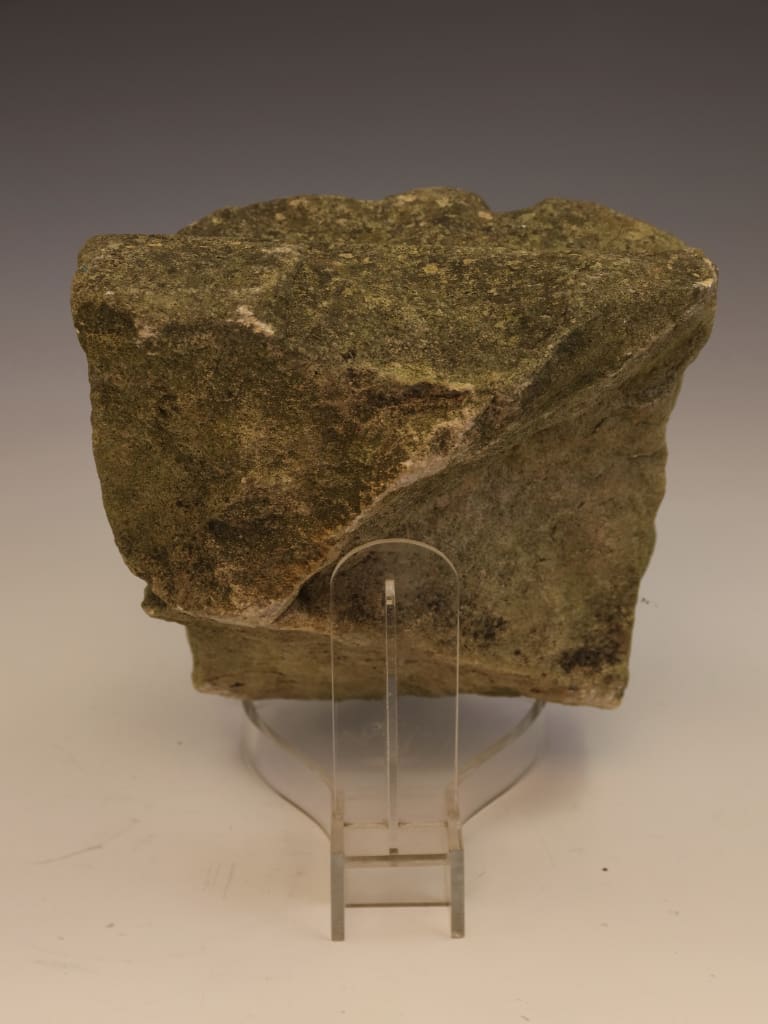
A deeply compelling and powerfully expressive carved stone corbel head, representing the transition from late Medieval Gothic to the early post-Medieval vernacular of the 17th century. This architectural survivor was originally a structural element, likely supporting a hammerbeam roof or stone vaulting in a high-status manor house or an ecclesiastical building.
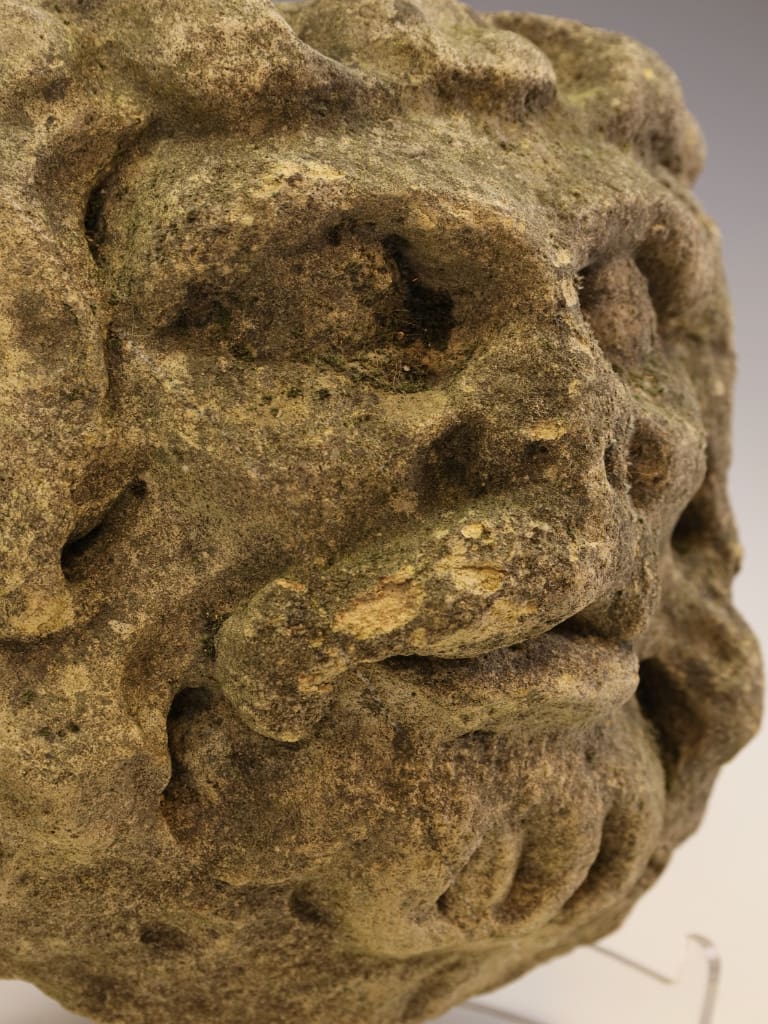
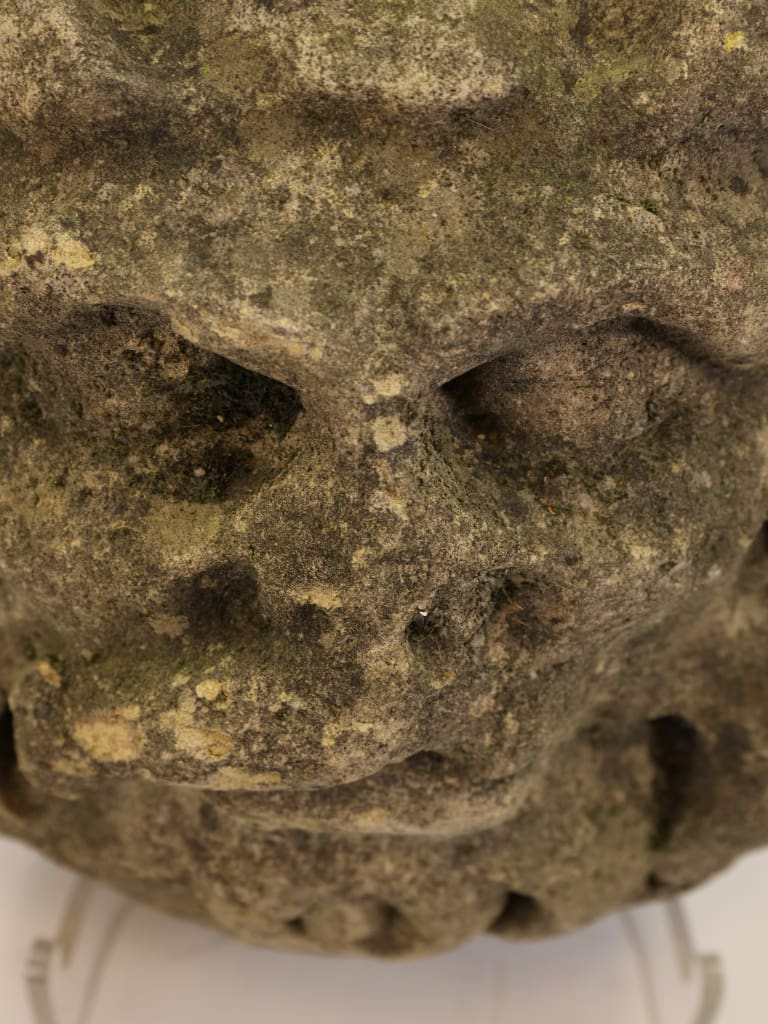
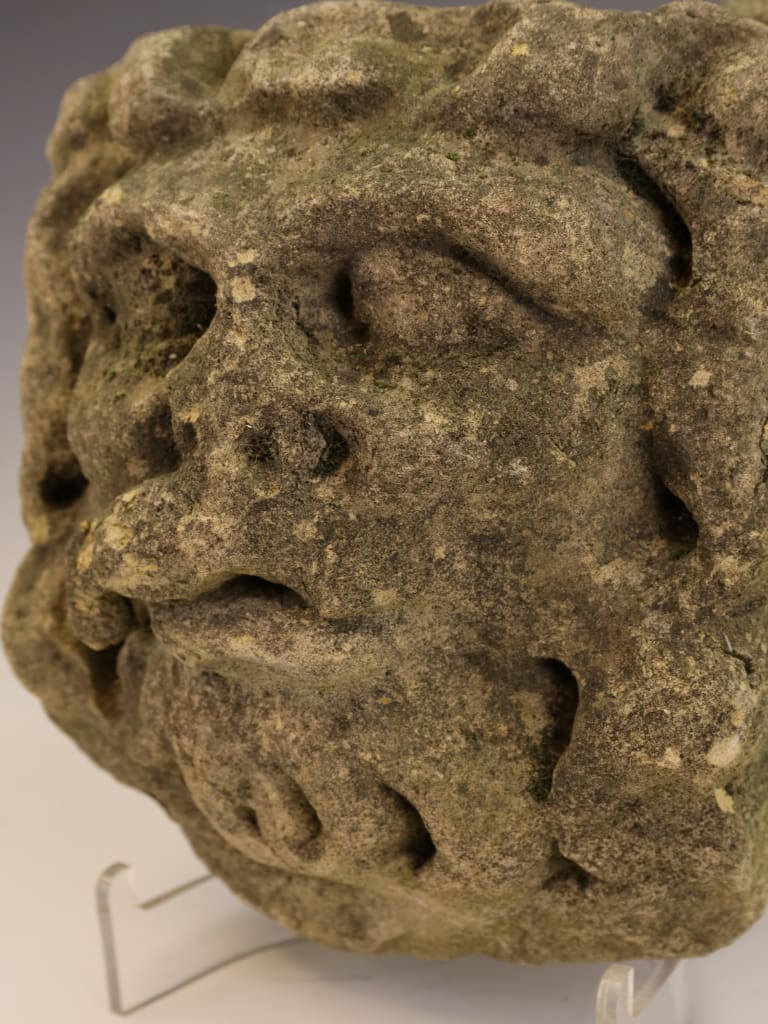
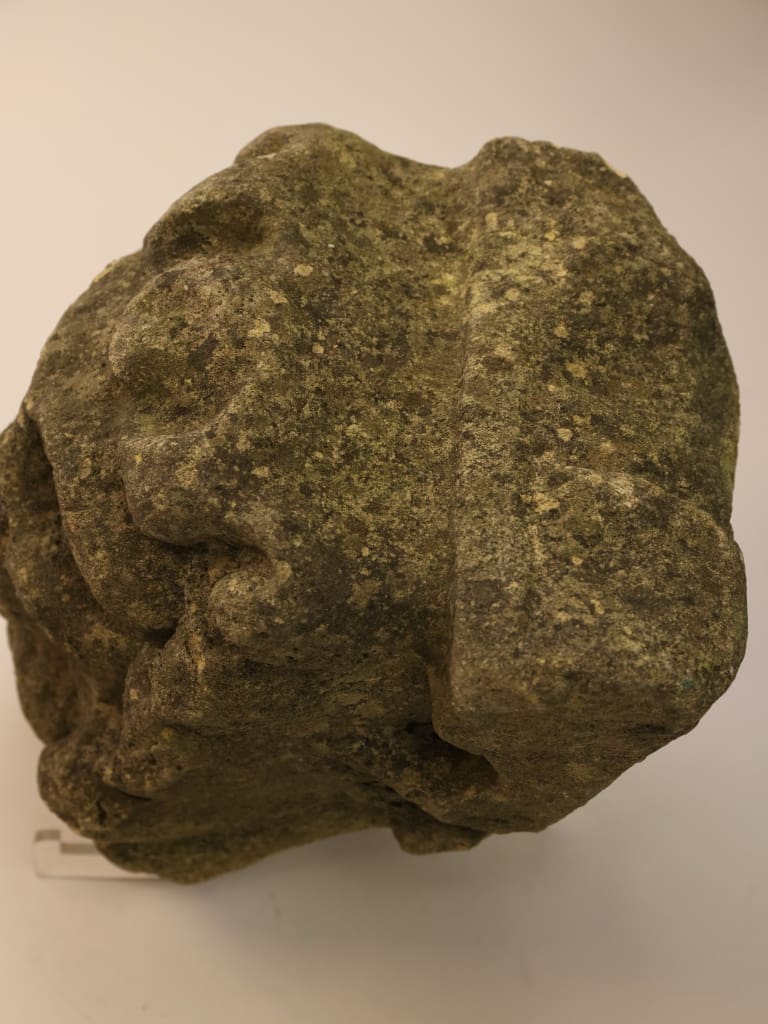
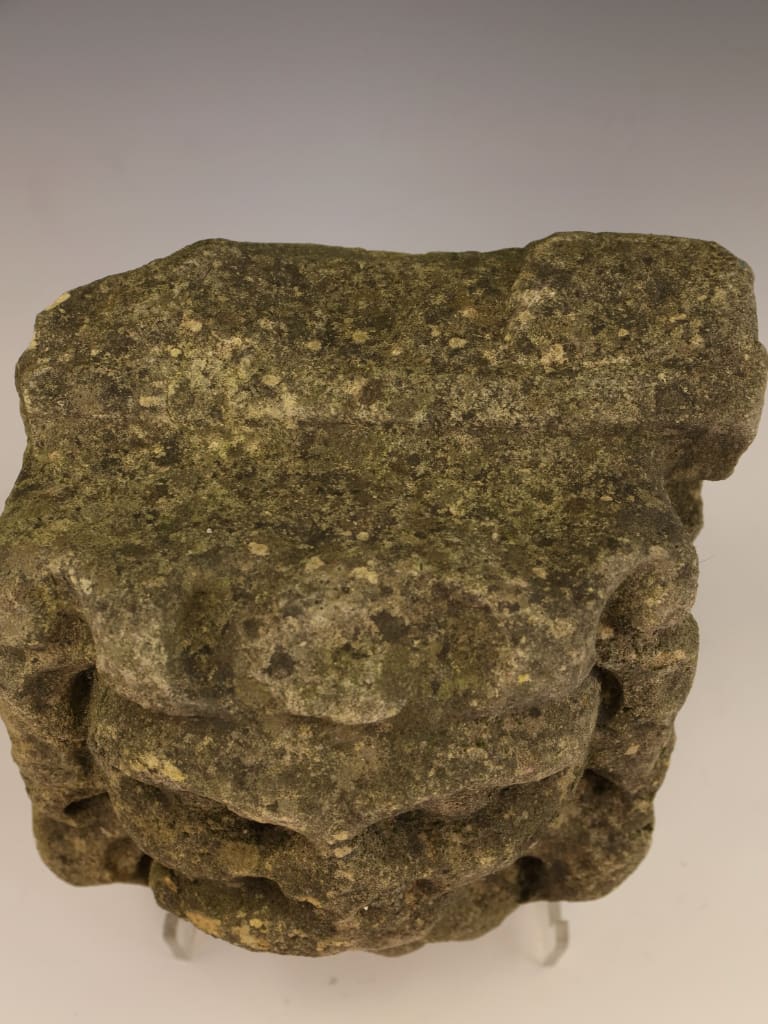
The carving features a classic Grotesque visage, characterised by a furrowed brow, prominent ocular ridges, and a grimacing mouth. The rhythmic, almost foliate treatment of the beard and hair draws on the ancient "Green Man" and "Wild Man" traditions, which remained a popular decorative motif in the British Isles well into the 17th century. Carved from a robust native limestone, the piece displays a monumental quality that commands any space it occupies.
Circa 1550–1650 (Tudor to early Stuart). England, likely from a region with a strong masonry tradition such as the Cotswolds or the North. Acquired from a private collection of architectural salvage. Pieces of this calibre often entered the market following the "Great Rebuilding" of England (c. 1570–1640), where older medieval structures were modernised into the grand secular manor houses of the Elizabethan and Jacobean elite.
Condition Report
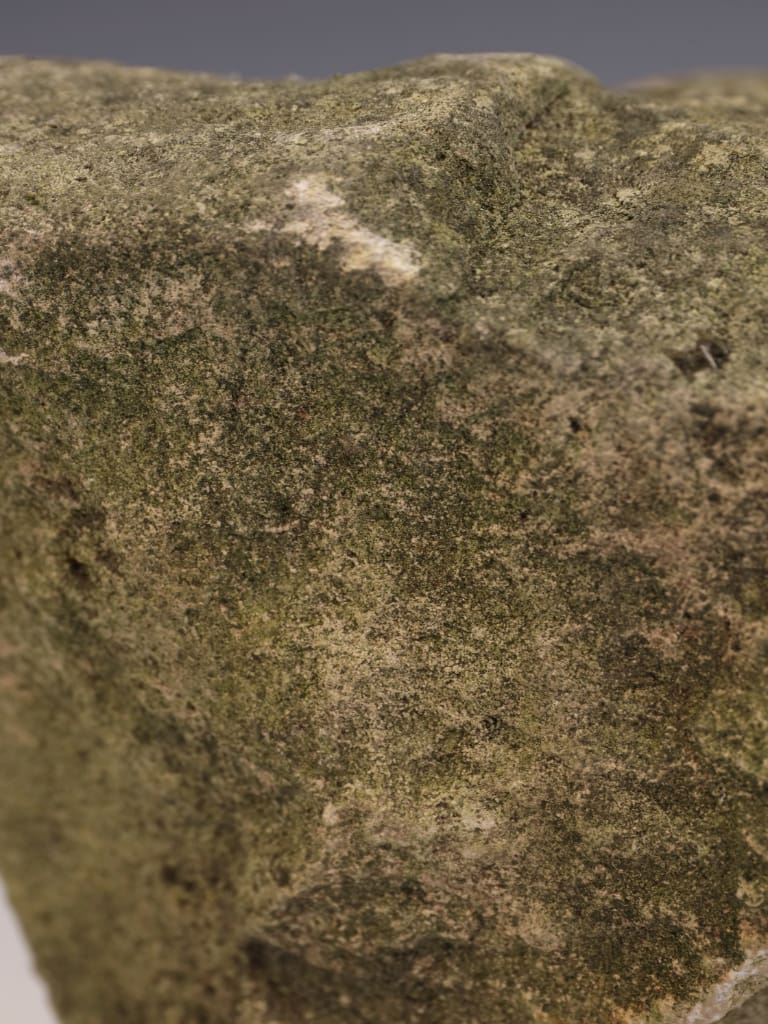
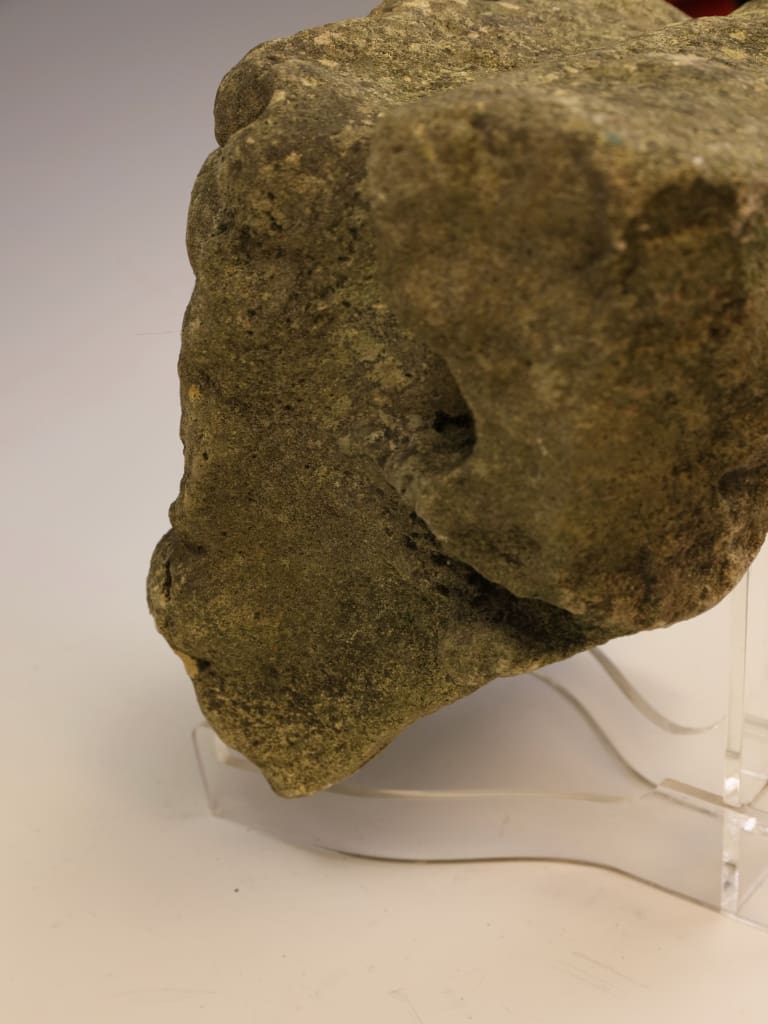
Magnificent weathered condition. Features have been softened by centuries of exposure, resulting in an authentic "Country House" patina. Structurally sound with expected losses to the rear and edges where the piece was originally keyed into the masonry wall. Retains traces of dried lichen in the deeper recesses of the carving, adding to its archaeological appeal.
Measurement
Height: 26 cm / 10.2 inches
Width: 20 cm / 7.9 inches
Depth: 18 cm / 7.1 inches
Weight: 13.3 k.g. / 29.3 lbs