


By Shackleton Fox Antiques
The antiques trade has always been international. From New York apartments furnished with Georgian mahogany to Tokyo interiors adorned with mid-century design, the movement of beautiful objects across borders is central to our business. Yet in 2025, tariffs, shipping rules, and customs procedures have become more complex than ever.
As a UK dealer who ships worldwide, I believe in being transparent with my clients and sharing knowledge with fellow dealers. If we want to keep the antiques trade alive internationally, we must navigate these changes with clarity and precision. Below, I set out the latest position on tariffs, what they mean for antiques and vintage items, and how we can best manage the new landscape.
The distinction between antique and vintage has never mattered more.
Antiques (100+ years old):
Classified under HS/HTS Code 9706, antiques remain duty-free in the U.S., provided they are correctly described and documented. To qualify, the item must:
Be at least 100 years old at the point of import.
Retain its original form and character (repairs are permitted, but major alterations or reconstructions disqualify it).
Be supported by strong documentation—auction catalogues, invoices, or a dealer’s declaration of authenticity.
Vintage / Collectibles (under 100 years old):
Items such as mid-century furniture, Art Deco lighting, or retro design objects do not qualify under 9706. Since July 2025, these pieces are subject to U.S. tariffs—currently 10% for UK-origin goods, and varying rates depending on the origin of other countries.
Key Point: The classification you choose is not optional. Declaring a 1960s Danish chair as an “antique” risks penalties, delays, and reputational damage. Accuracy is everything.
One of the most common misunderstandings is that tariffs are based on the country from which an item is shipped. In fact, U.S. tariffs apply according to the country of origin of the object itself.
Example 1: A George III mahogany chest of drawers made in London is classed as UK-origin.
Example 2: A 19th-century Italian marble bust sold by a UK dealer is still Italian in origin. U.S. customs applies tariffs as if it came directly from Italy.
Example 3: A French Art Deco lamp shipped from London remains French-origin, meaning U.S. tariffs on French goods apply.
This distinction makes origin documentation as important as proof of age. Your invoices, catalogues, and certificates should explicitly state both country of origin and approximate period.
Even when an item is genuinely an antique, if U.S. customs cannot verify it as such, officers may apply a default 6.6% tariff. This is the rate used for many decorative and collectible objects that do not fall under 9706.
This can happen if:
Descriptions are vague (“antique lamp” instead of “Victorian brass table lamp, circa 1880”).
Proof of age or provenance is missing.
The item includes later additions that cause doubt (e.g., rewiring on a lamp, modern upholstery on a chair).
Solution: Always provide detailed descriptions, include evidence of age, and where possible, attach a dealer’s declaration confirming authenticity and origin.
Until August 2025, U.S. buyers benefited from the de minimis exemption, allowing shipments under $800 (£650 approx.) to enter without duties or formal customs clearance. That exemption has now been removed.
Before: A £550 Victorian lamp could pass through without fuss.
Now: Every shipment, regardless of value, requires full customs entry, paperwork, and clearance fees.
This change has created new costs and complications for lower-value items. Clients may now face brokerage charges, courier fees, and state sales taxes—even when antiques remain legally duty-free.
Recommendation: Consider offering Delivered Duty Paid (DDP) shipping, where all duties, taxes, and fees are collected upfront at checkout. It requires more administration but ensures clients do not receive unexpected bills on delivery.
In August 2025, the U.S. extended its Section 232 tariffs to cover a broader range of items containing steel and aluminium. For antique dealers, this particularly affects:
Lighting (e.g., chandeliers, table lamps with metal fittings).
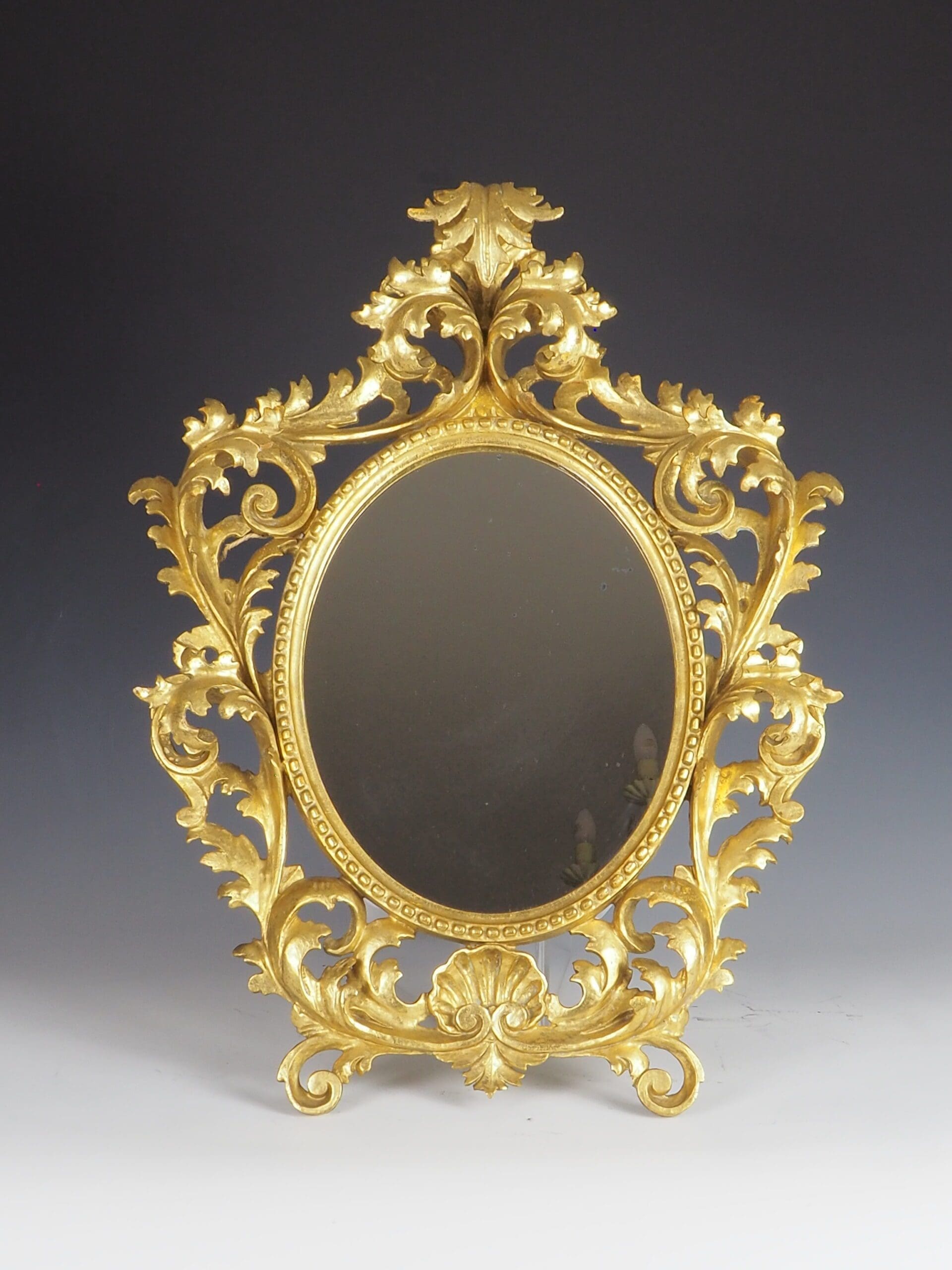
Mirrors with metal frames or mounts.
Decorative objects with significant metalwork.
While genuine antiques remain exempt under 9706, if an object is classified incorrectly—or if customs doubts its status—it may be caught by these tariffs. Clear classification and detailed documentation are the best protection.
The U.S. is not the only challenge. Since June 2025, the EU has implemented its new Import of Cultural Goods regulation, creating additional requirements for shipments into Europe.
Key rules include:
Import statements are now required for paintings, prints, sculptures, coins, manuscripts, and books over 200 years old and valued above €18,000.
Import licences are required for archaeological material, statues, and icons over 250 years old.
The regulation has already led to longer lead times, rejected entries for incorrect paperwork, and more stringent scrutiny at EU borders. Dealers must start paperwork early and ensure provenance is watertight.
Many UK dealers now hold stock in the U.S. for fairs, storage, or partnerships with local galleries. The tariff rules in this case are slightly different.
If the item has already been imported into the U.S. correctly (with duties settled, or exempt under HS Code 9706), it is now U.S.-landed stock. A subsequent sale within the U.S. is treated as a domestic sale, with no further tariffs. The buyer may still be liable for state sales tax.
If the item entered under a Temporary Importation under Bond (TIB) for a fair or exhibition, and it sells:
The bond must be closed.
The item must either be re-exported, or duties paid at the point of sale to regularise its entry.
The applicable tariff still depends on the item’s country of origin and classification.
If the item was imported incorrectly, customs may demand duties or penalties retrospectively before the item can remain in the U.S.
Examples:
A Victorian table (UK origin, antique) imported under HS Code 9706 → duty-free entry. Sold in New York → no further tariffs, only sales tax.
A 1950s Italian chair (Italy origin, vintage) → 10% tariff at entry. Sold in Chicago → no further tariffs.
A French commode (18th century, antique) under TIB → if sold, duties must be paid before the bond can be closed.
Key Point: Once an item has cleared U.S. customs properly, tariffs are not applied again on resale. The main issues for dealers are ensuring correct importation from the start, and managing sales taxes on U.S. transactions.
Classification: Always declare antiques under HS Code 9706. Use other HS codes correctly for fine art (9701–9703) and collectibles (9705). Vintage furniture and design fall outside these exemptions.
Country of Origin: State the origin explicitly on invoices and customs declarations.
Documentation: Provide detailed descriptions—object type, material, date, condition, and use. Include provenance evidence wherever possible.
Fallback Risk: Be aware that if customs cannot verify antique status, a 6.6% duty may be applied. Avoid vague or incomplete paperwork.
Costs & Transparency: Prepare clients for brokerage fees, state taxes, and courier charges, even where no duty applies. Consider DDP shipping for a smoother process.
Mixed Shipments: Take extra care when exporting shipments containing both antiques and non-exempt items (e.g., a crate with both a Victorian table and a 1950s chair). Each item must be classified separately.
Exhibitions & Fairs: For U.S. fairs, some dealers use Temporary Importation under Bond (TIB) to avoid duties on stock that will be re-exported. However, this process requires specialist shippers with U.S. bond facilities and may be costly for bulky furniture.
Professional Support: Work closely with shipping specialists, brokers, and packers. They can advise on classification, provide bond facilities, and help navigate complex cases.
Tariffs and customs rules may feel like barriers, but they remind us of the importance of precision in our trade. The more meticulous we are with classification, origin, and documentation, the better protected our clients and businesses will be.
The antiques market thrives on trust—between dealer and client, between dealer and dealer, and between our trade and the authorities who regulate it. By sharing knowledge and working together, we can keep antiques and cultural heritage moving across borders, even in a climate of tariffs and red tape.
At Shackleton Fox Antiques, my commitment remains unchanged: to handle every piece with integrity, to provide absolute clarity to clients, and to ensure that the beauty of history continues to cross borders with dignity.