



Antiques are more than relics of the past — they’re design tools that bring warmth, depth, and authenticity into modern interiors. As we step into 2025, the antique world continues to evolve, with fresh trends reshaping how we collect, decorate, and live with heritage pieces.
From a renewed love of natural patina to maximalist layering and artisan craftsmanship, this year’s top trends reflect a desire for personal expression, sustainability, and timeless style.
Here’s what collectors, designers, and home enthusiasts are gravitating toward in 2025 — and how you can bring these antique trends into your own space.
Polished perfection is out. In 2025, collectors are embracing antiques with visible wear, aged finishes, and natural imperfection. A chipped corner on a Georgian chest or oxidized patina on a brass lamp isn’t a flaw — it’s a feature.
Rustic farmhouse tables with scuffed legs and faded polish
Leather club chairs with well-worn arms
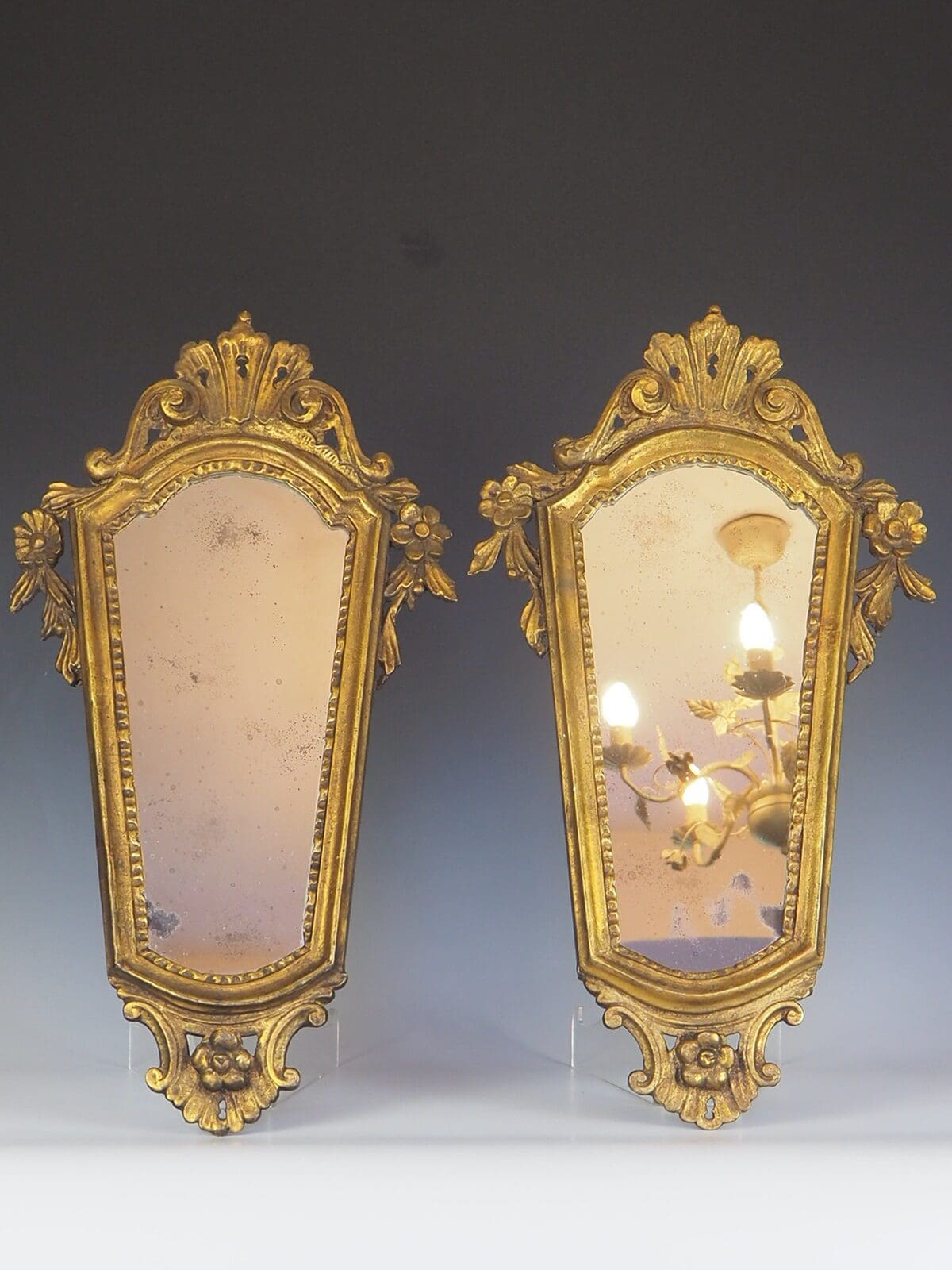
Weathered gilt mirrors with foxed glass
Pair patinated antiques with soft modern textures like linen sofas, neutral walls, and natural stone. Let the imperfections anchor the room with authenticity.
While minimalism has long dominated design, 2025 is seeing a strong swing back to maximalism — but with intention. Antiques are key players in this expressive look, with bold statement pieces, layered collections, and rich materials.
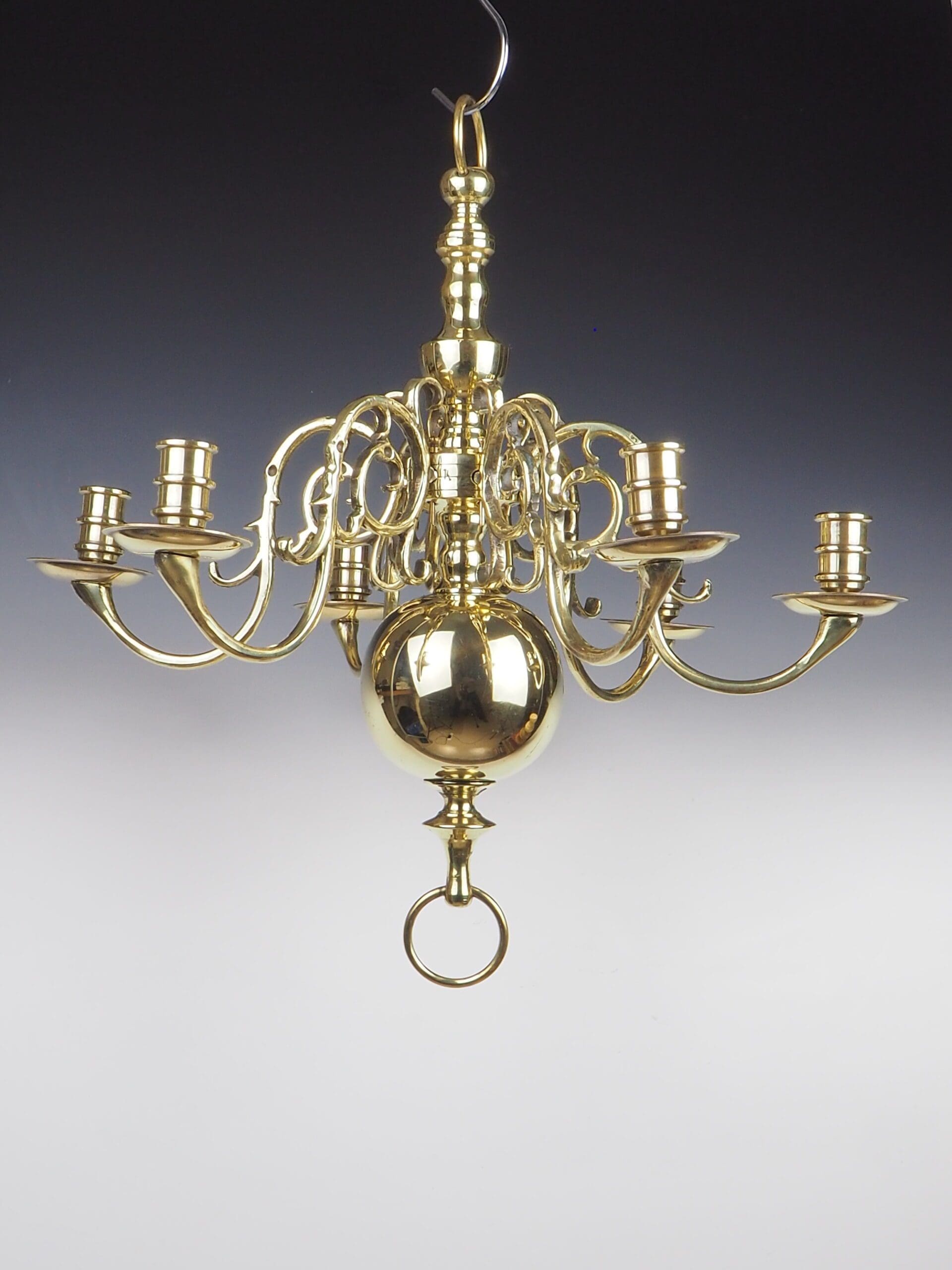
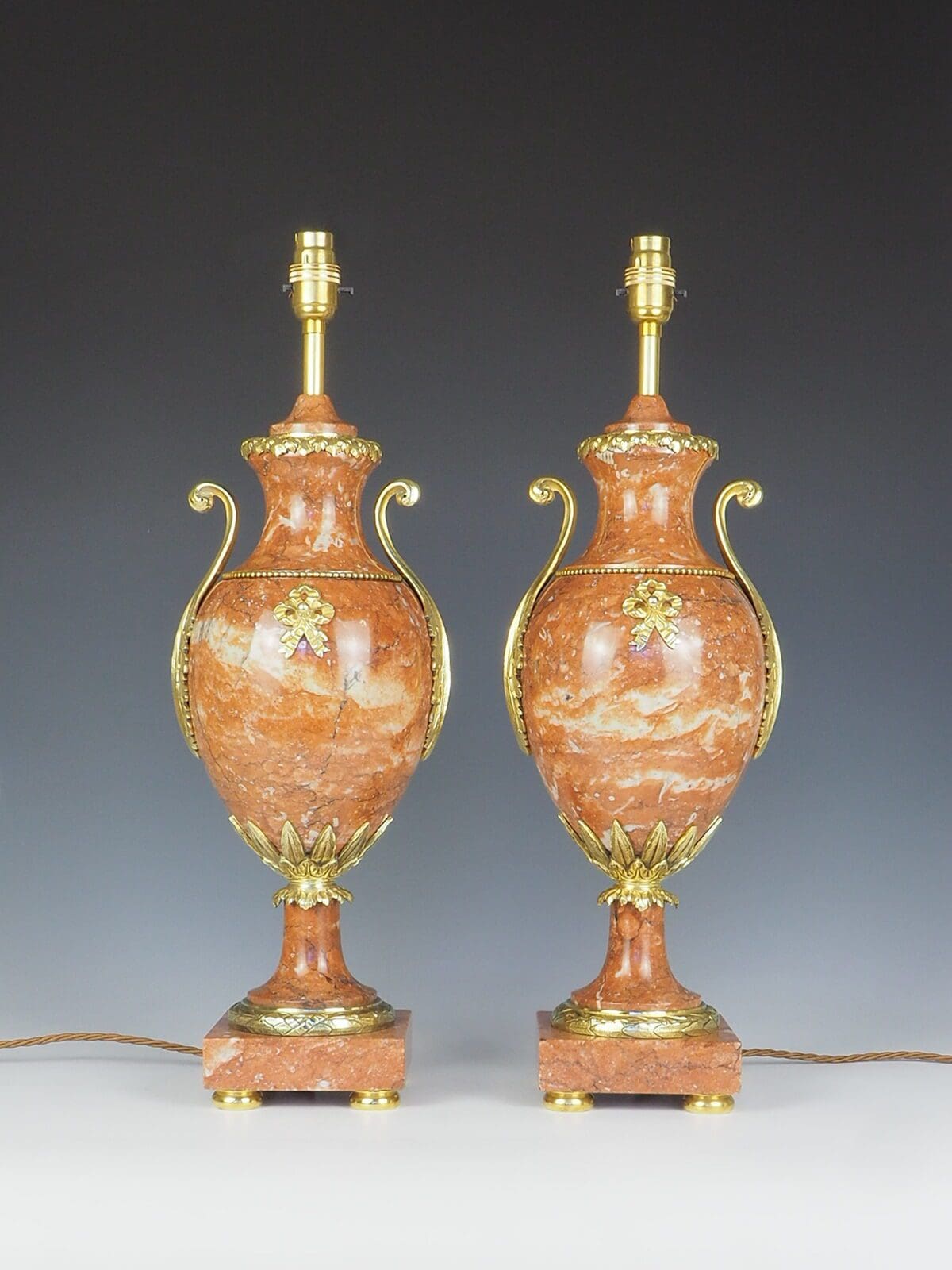
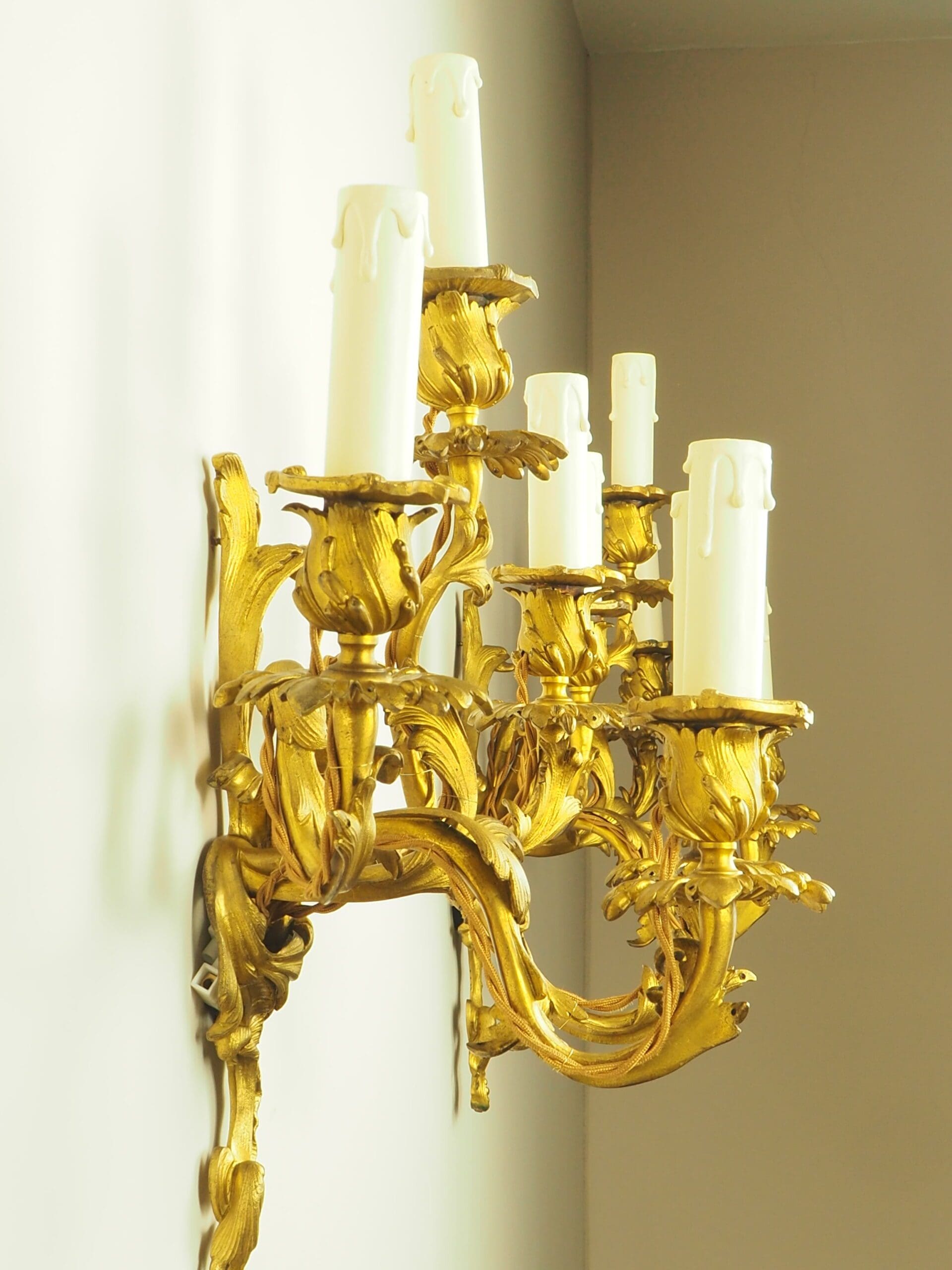
Statement ormolu lighting (think chandeliers and Bouillotte lamps)
Toleware and painted furniture with character
Decorative panels, tapestries, and architectural fragments
Choose one or two statement antiques per room — a Louis XVI mirror, a neoclassical lantern — and layer with bold wallpaper, patterned textiles, and curated art.
In 2025, collectors are looking beyond Europe for antiques with rich cultural narratives. African, Asian, Middle Eastern, and Latin American artifacts are gaining ground in both serious collections and contemporary interiors.
Indian dowry chests
African tribal stools or masks
Chinese export porcelain and painted lacquerware
Use global antiques as accent pieces. A Moroccan mirror or Japanese screen can create an eye-catching moment without overwhelming the room. Pair them with neutral surroundings to let craftsmanship shine.
With growing environmental awareness, more buyers are choosing antiques over mass-produced furniture. They’re durable, ethically sourced, and built to last — making them the ultimate in sustainable design.
Reclaimed wood furniture with history
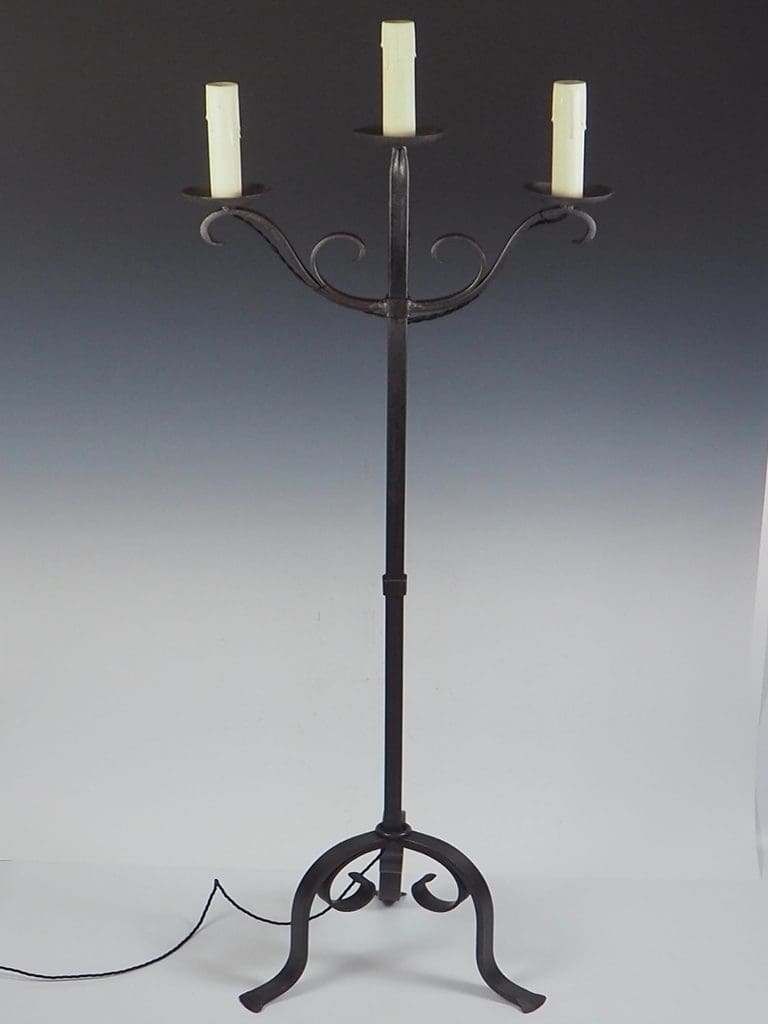
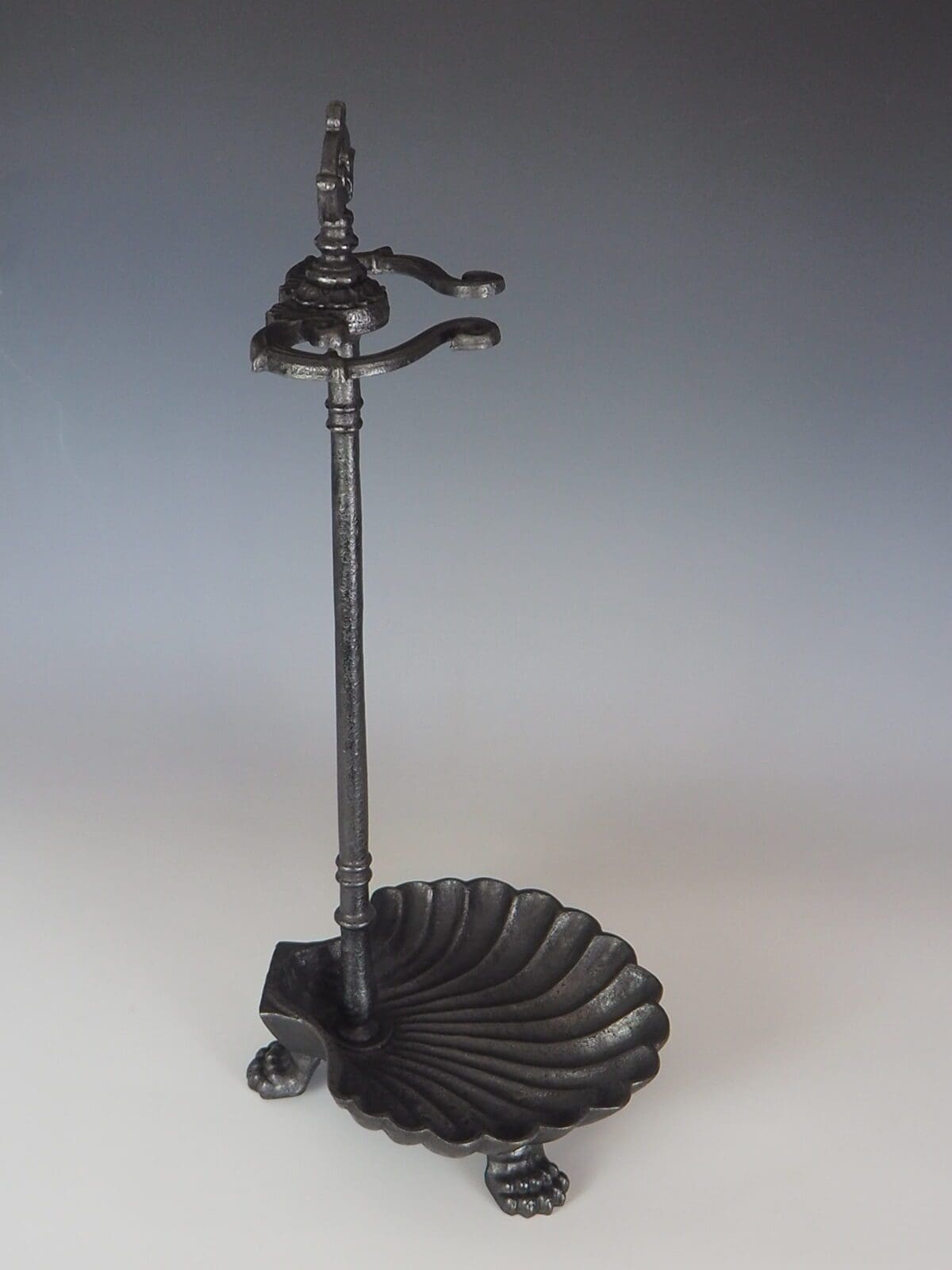
Restored iron garden furniture and salvaged lighting
Upcycled architectural elements
Highlight the eco-story of your pieces in your home or shop — use signage or share on social media. Customers increasingly value provenance and environmental impact.
Gone are the days of decorating a room in a single style. Today’s designers mix 18th-century French lighting with mid-century Danish chairs and modern abstract art — creating layered, lived-in spaces that feel collected, not curated.
Combining antique wood with modern steel and glass
Using a single antique statement piece (mirror, chandelier, armoire) in an otherwise contemporary space
Styling period lighting in ultra-modern kitchens or bathrooms
Use a consistent colour palette or finish (like black or brass) to harmonize mismatched eras. A Louis XV commode under a Bauhaus mirror? It works — if the tones talk to each other.
Antique lighting is having a moment in 2025, especially converted Bouillotte lamps, lanterns, and tole chandeliers. As lighting design becomes more atmospheric and layered, antique fixtures are a stylish and sustainable choice.
French tole lamps with painted metal shades
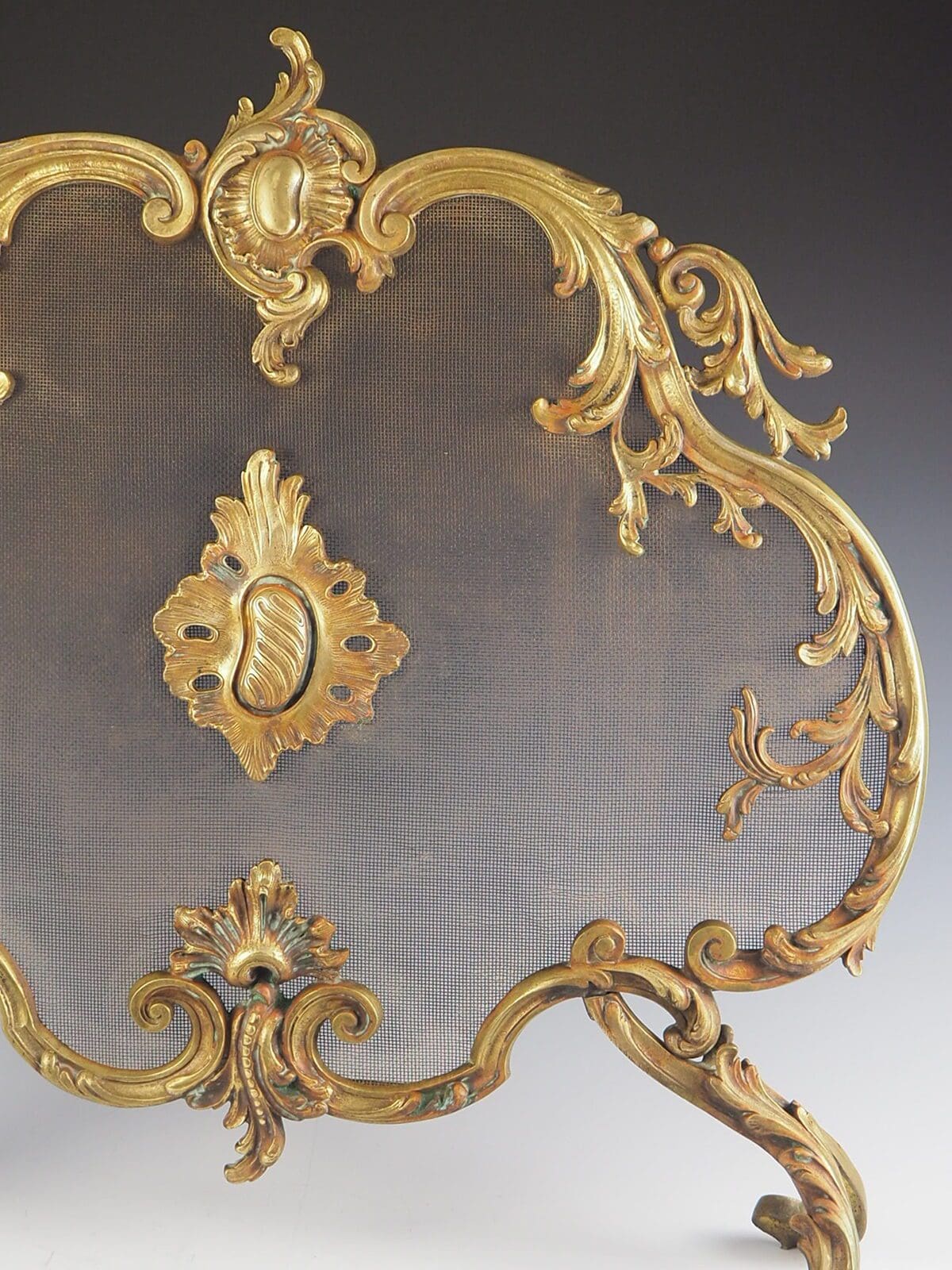
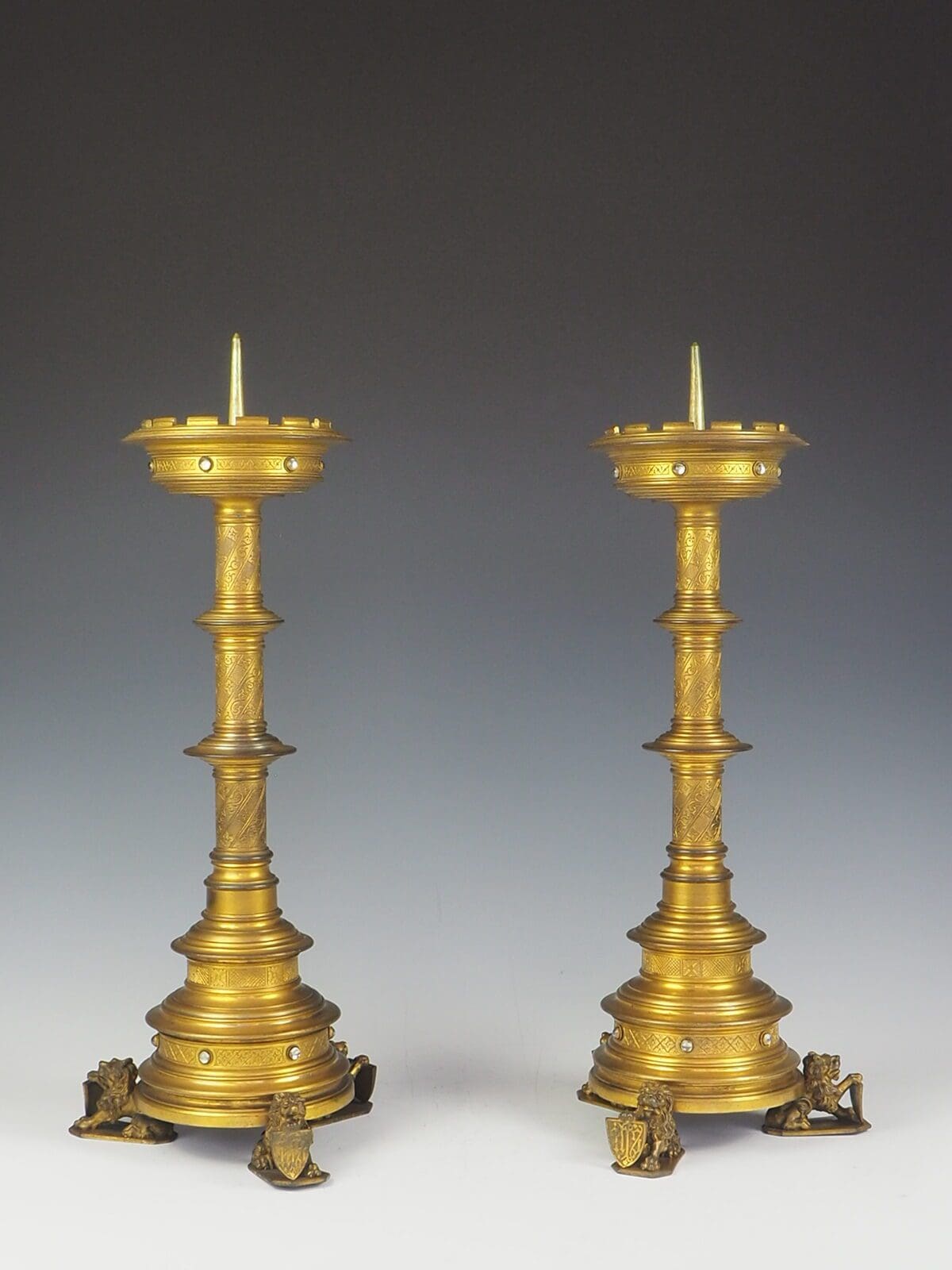
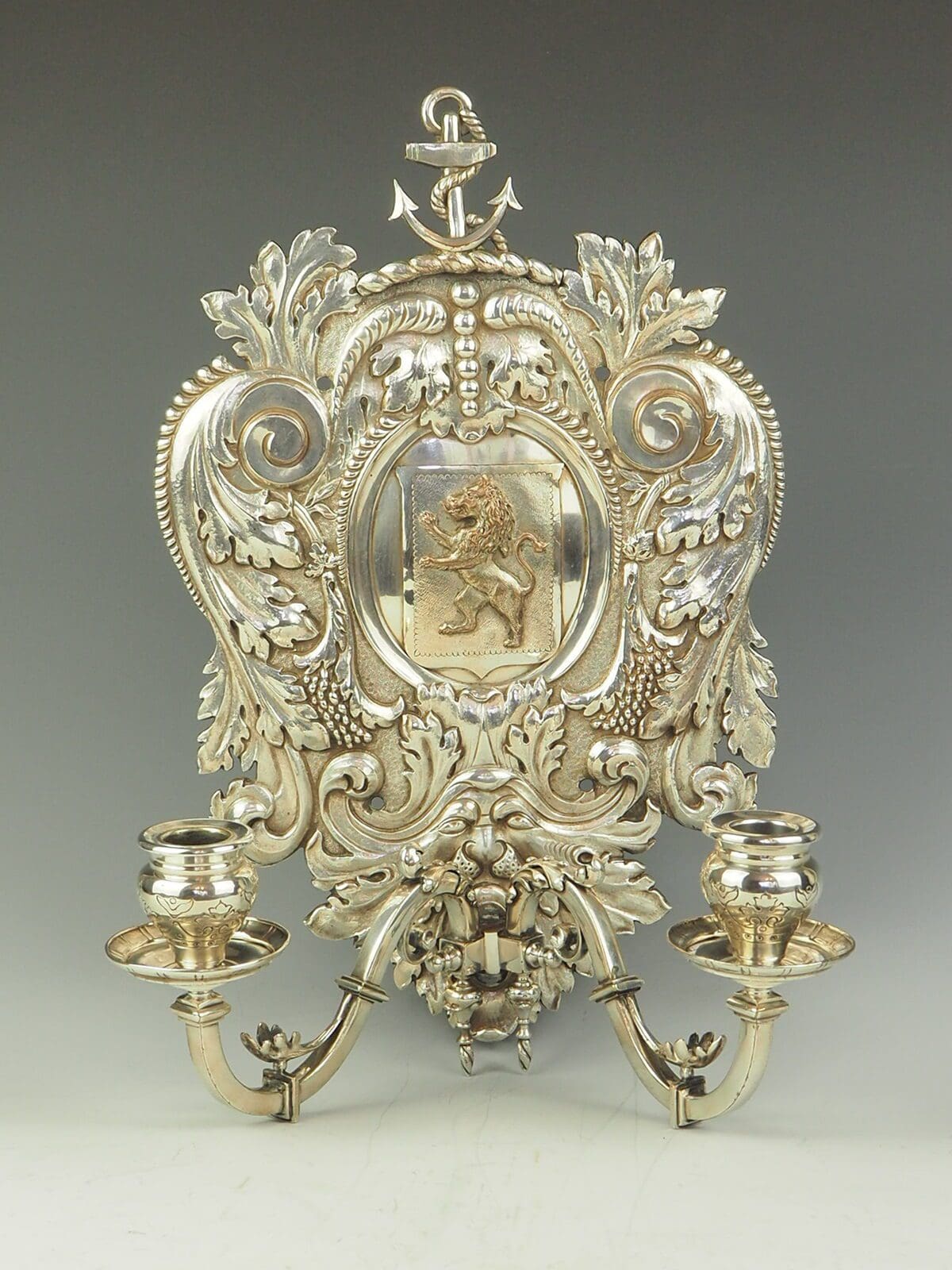
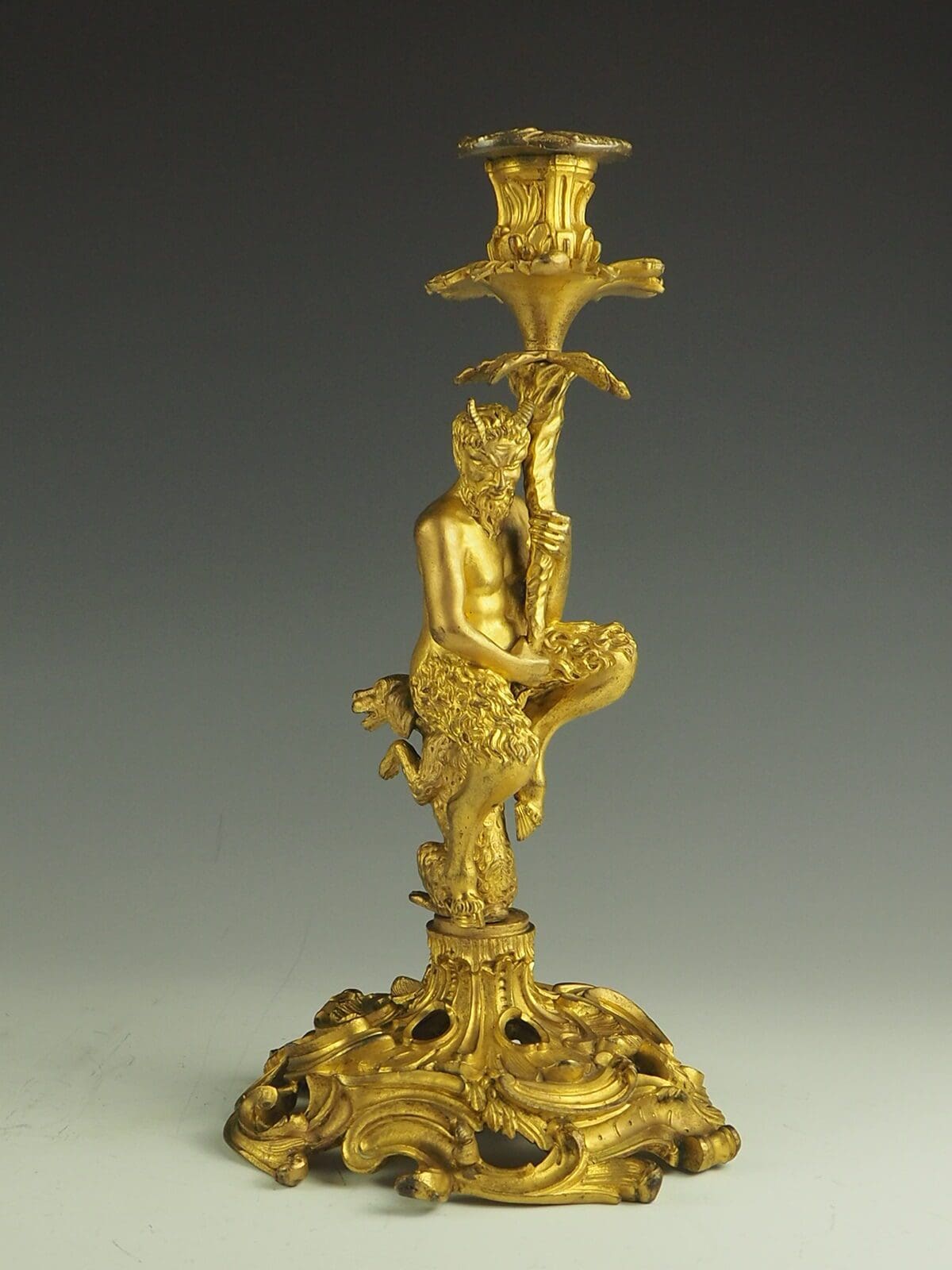
Gilt bronze chandeliers and sconces
Electrified lanterns with faux candle fittings
Use antique lighting as a centerpiece — over a dining table, in a hallway, or flanking a fireplace. Match the tone of your bulb (warm white works best) to preserve the character.
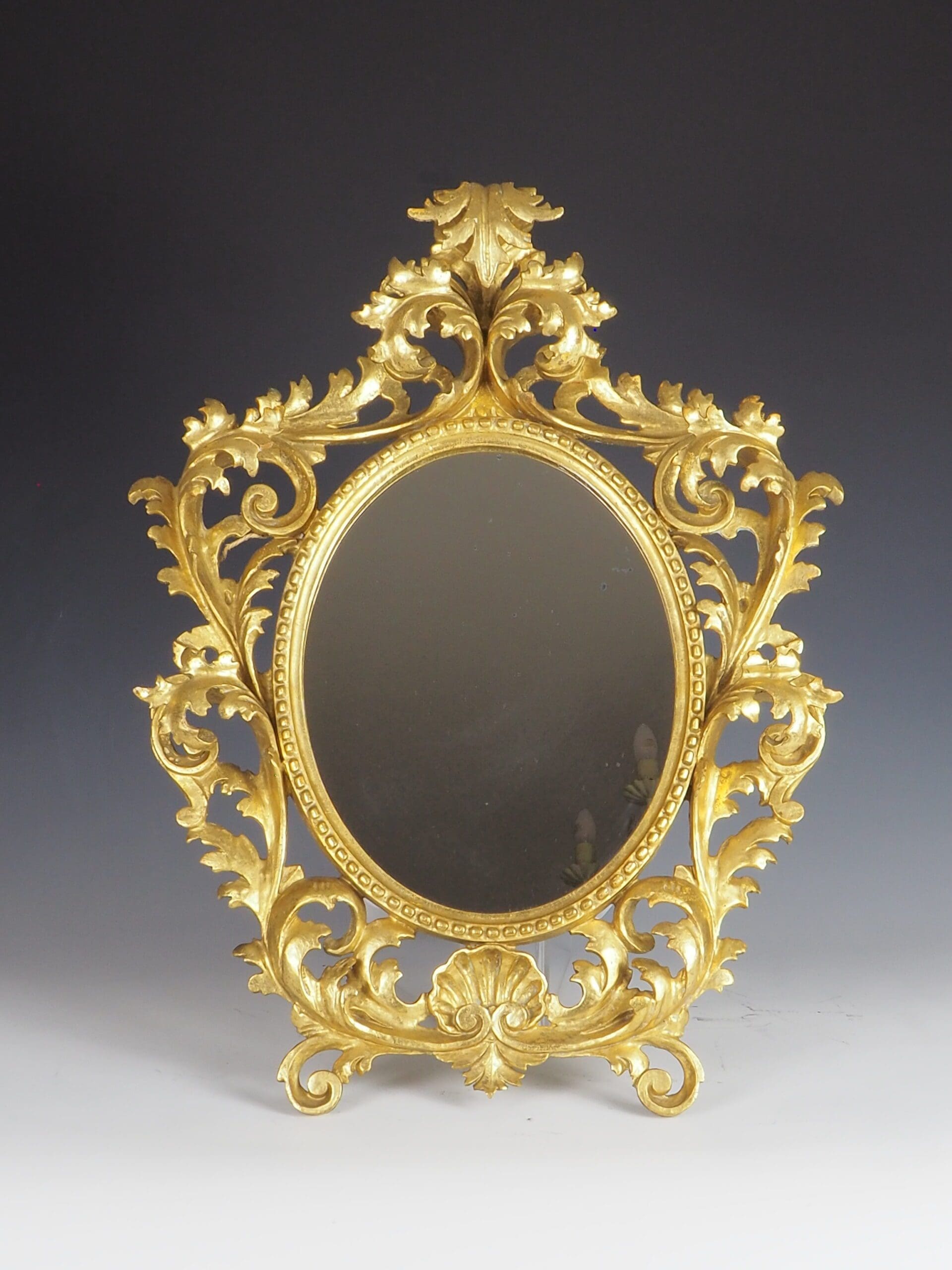
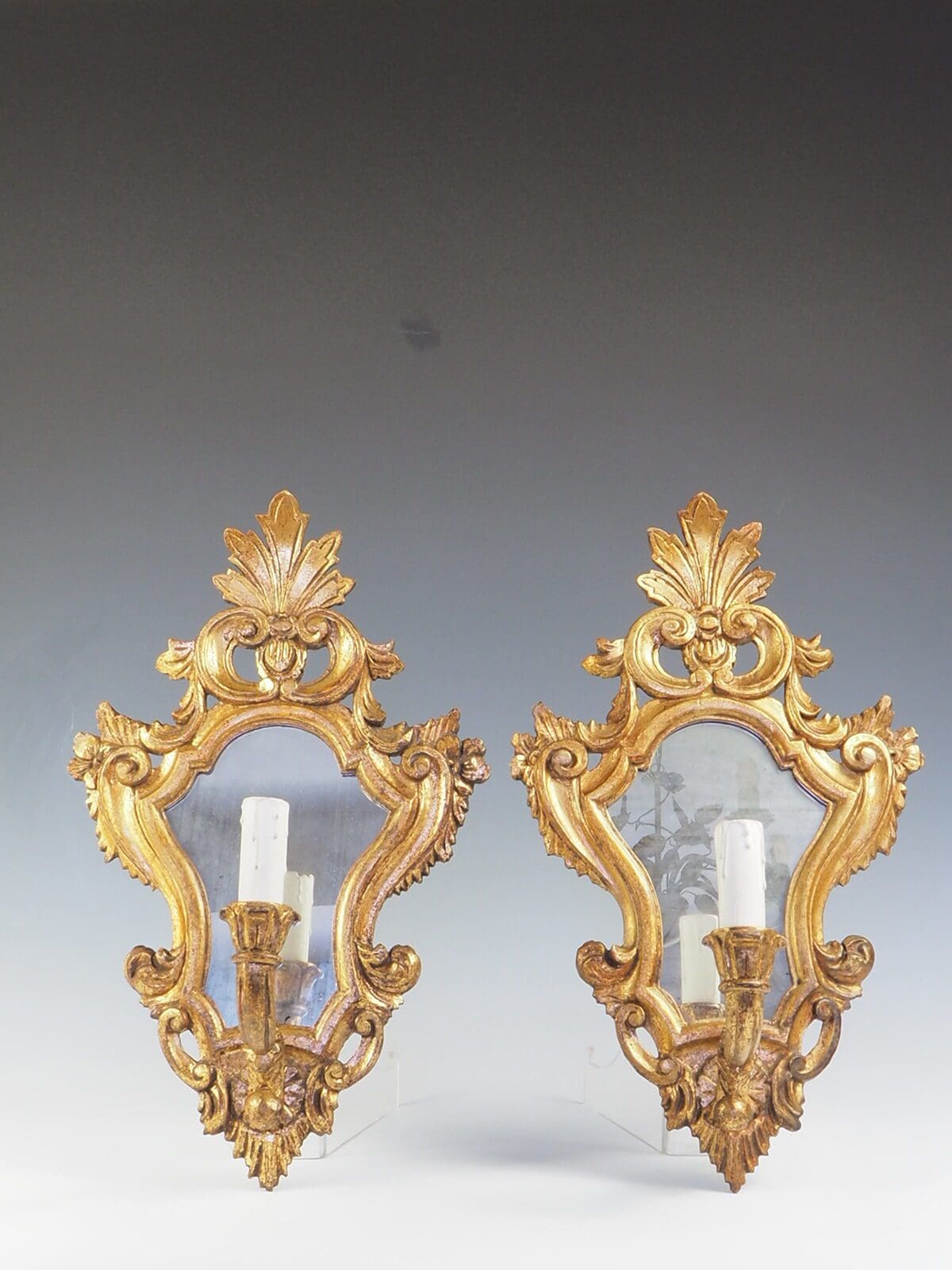
Whether French, Italian, or English, gilded mirrors are back in force — particularly large-scale Louis XVI and Rococo designs with dramatic crests and floral carvings. These pieces add instant grandeur to otherwise neutral rooms.
Foxed glass for extra patina
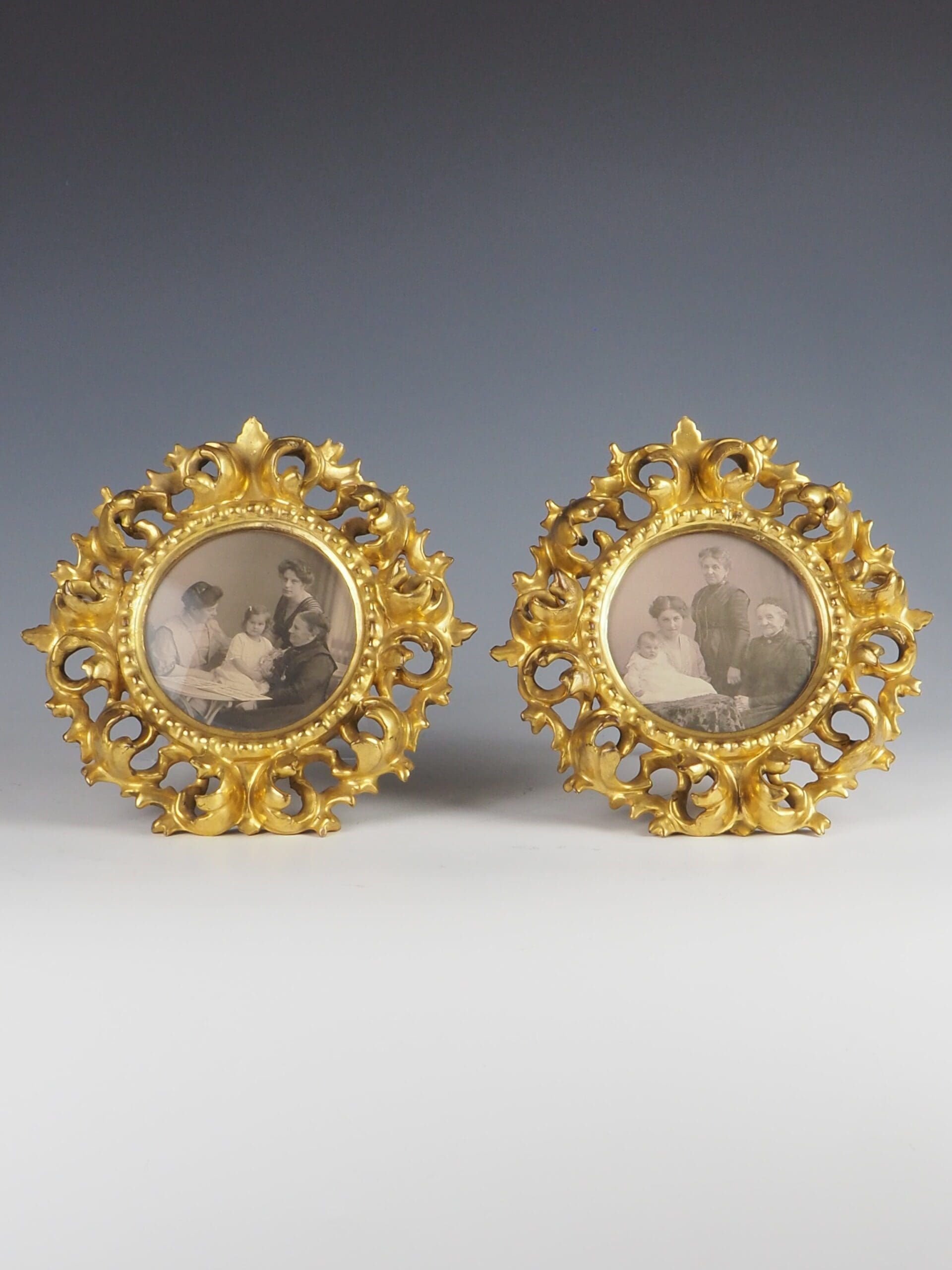
Ornate frames with wear and flaking gold
Unusual shapes like oval or serpentine
Lean a large antique mirror against a wall or fireplace rather than hanging it. It feels more relaxed and works well in open-plan or transitional spaces.
From architectural fragments to antique oil paintings and tapestries, wall décor with age and texture is becoming more desirable than ever. In 2025, it’s not just about art — it’s about storytelling on your walls.
19th-century cast iron decorative plaques
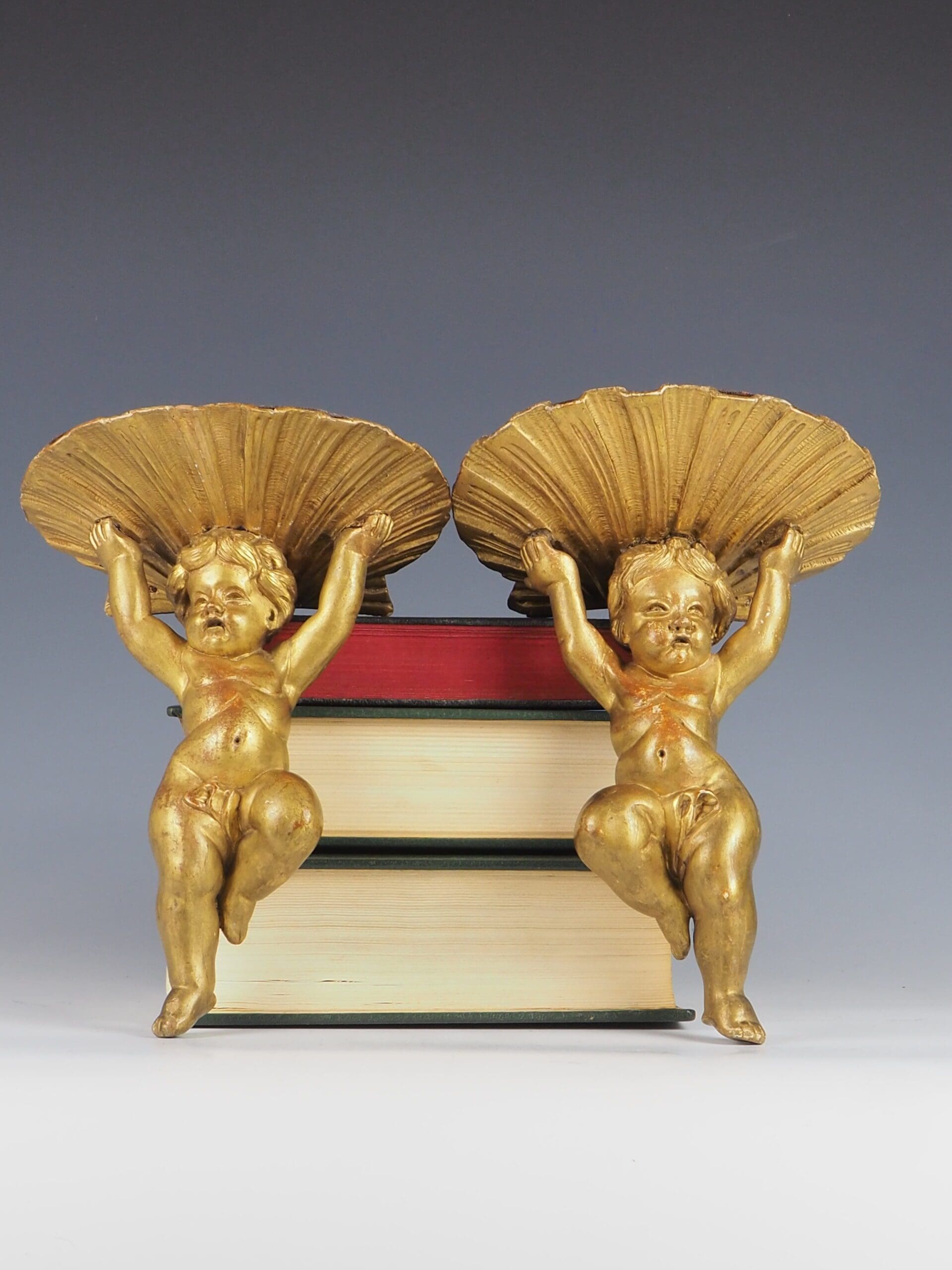
Giltwood wall appliqués and carved panels
Framed antique documents, textiles, and herbarium prints
Create a gallery wall using antique and vintage frames of varying sizes and textures. Mix oil portraits with mirrors and carvings for maximum impact.
Thanks to the enduring popularity of the “quiet luxury” and cottagecore aesthetics, simple English antiques are back in vogue. Think modest Georgian chests, pine dressers, and ladder-back chairs — worn, lived-in, and functional.
Painted farmhouse furniture
Vintage floral ceramics
Victorian bamboo and campaign furniture
Mix English country pieces with softer modern elements: linen upholstery, terracotta pots, or vintage quilts. This creates a welcoming, layered look perfect for real living.
As younger buyers enter the market, online platforms are booming — not just for sourcing antiques, but also for learning, styling, and connecting with other collectors.
Selling via Instagram, Etsy, and dedicated online marketplaces
Using social media to share restoration, styling, and sourcing stories
Digital certificates of provenance and authenticity
If you’re a dealer, create reels and behind-the-scenes content showing how antiques are styled, packed, or sourced. If you’re a buyer, share your finds online and tag the dealers — the community is strong and growing.
Antique trends in 2025 are less about rigid style rules and more about personal expression, sustainability, and mixing the old with the new. Whether you're styling a period home or a modern flat, antiques are the secret to adding soul, texture, and timeless appeal.
As you explore your next piece — a French lantern, an 18th-century mirror, or a well-worn farmhouse table — remember that you’re not just decorating a room. You’re preserving history, supporting craftsmanship, and making a conscious, beautiful choice.