£2,200.00
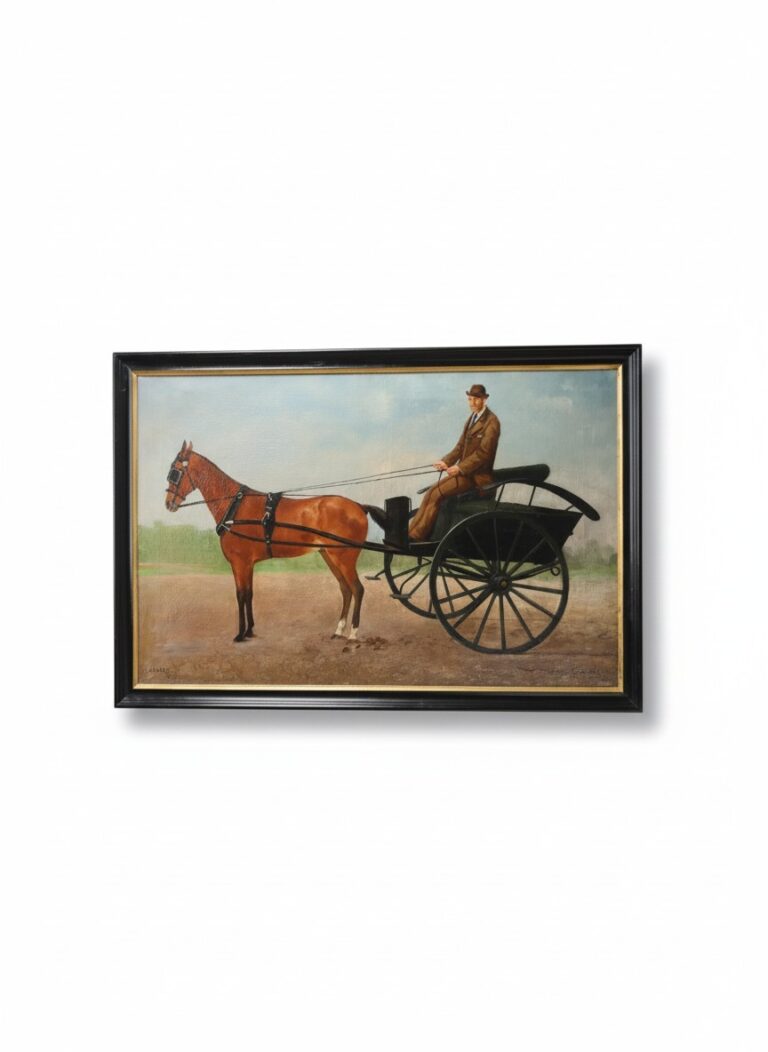
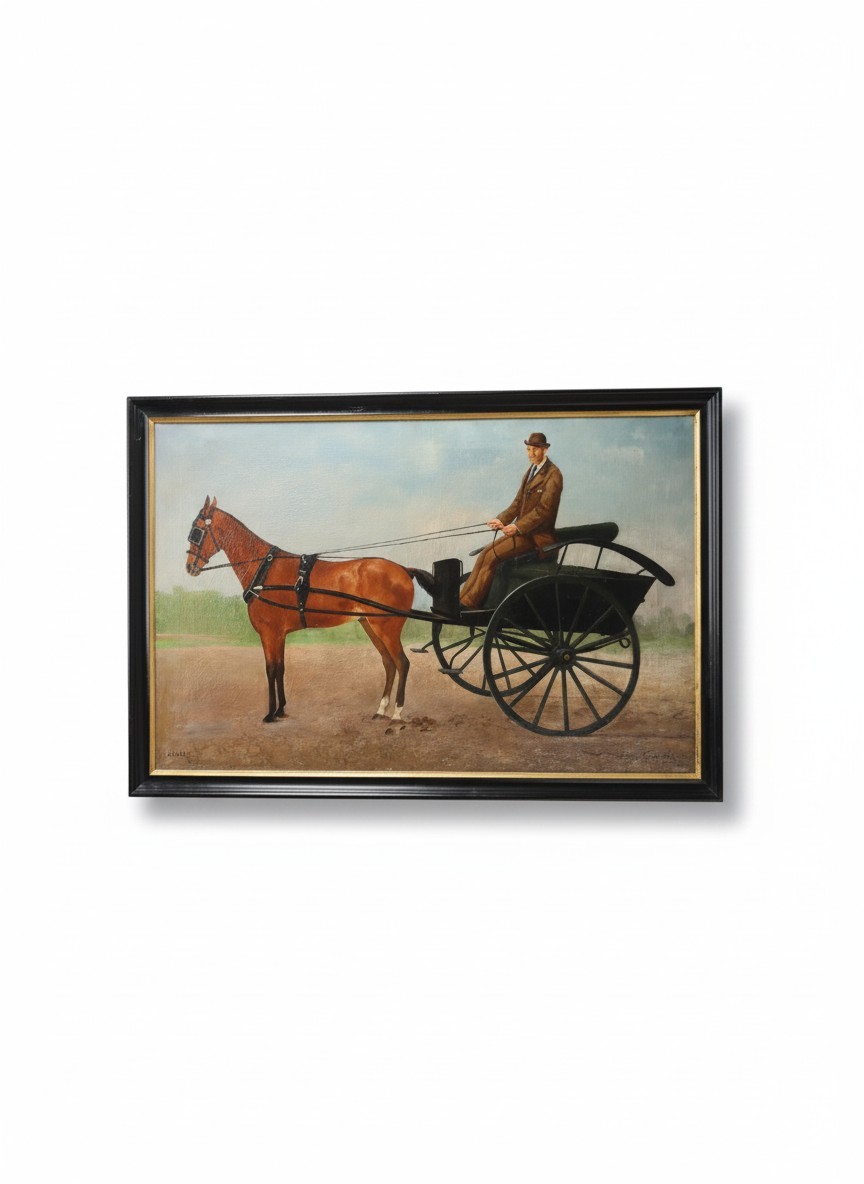
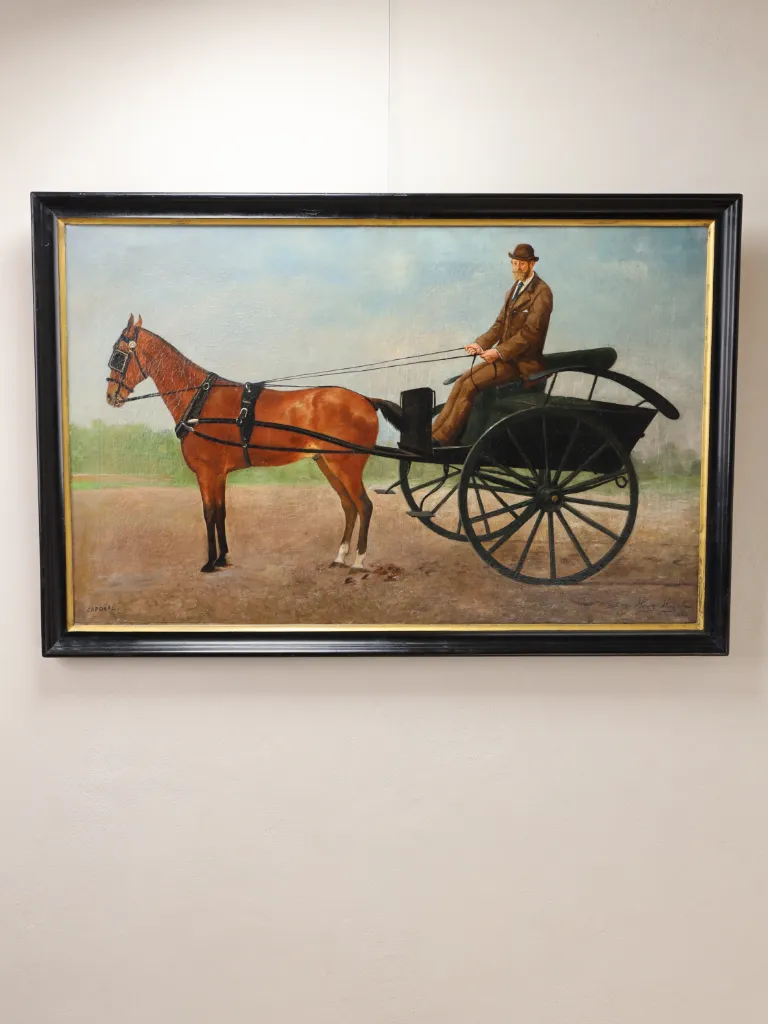
A wonderfully characterful and highly decorative late-19th-century equestrian portrait by Henry Stuyck, depicting the chestnut horse Caporal harnessed to a two-wheeled gig with his gentleman driver. Signed and dated 1883, the painting is an evocative and remarkably personal record of a named horse and his turnout.



A wonderfully characterful and highly decorative late-19th-century equestrian portrait by Henry Stuyck, depicting the chestnut horse Caporal harnessed to a two-wheeled gig with his gentleman driver. Signed and dated 1883, the painting is an evocative and remarkably personal record of a named horse and his turnout.
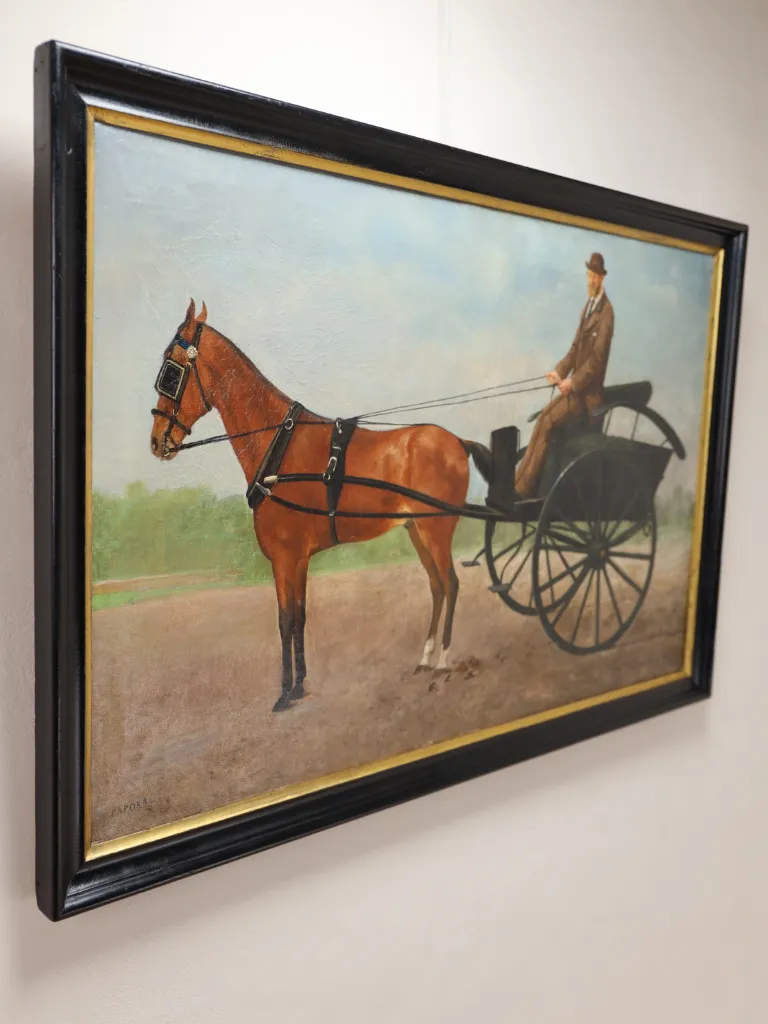
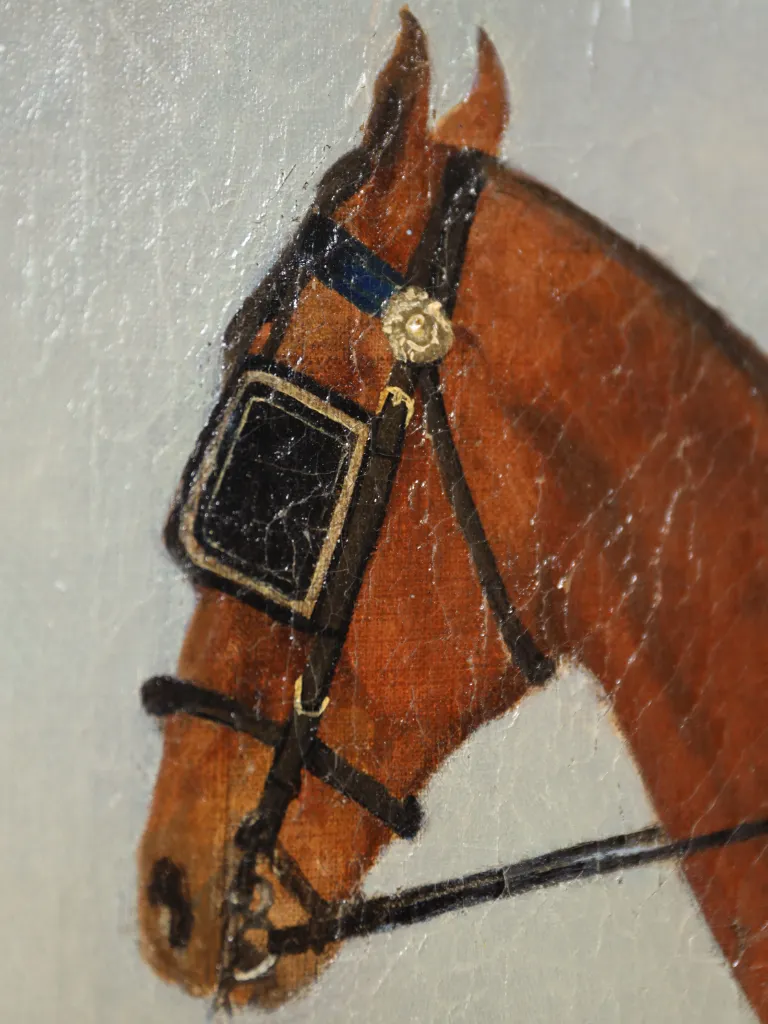
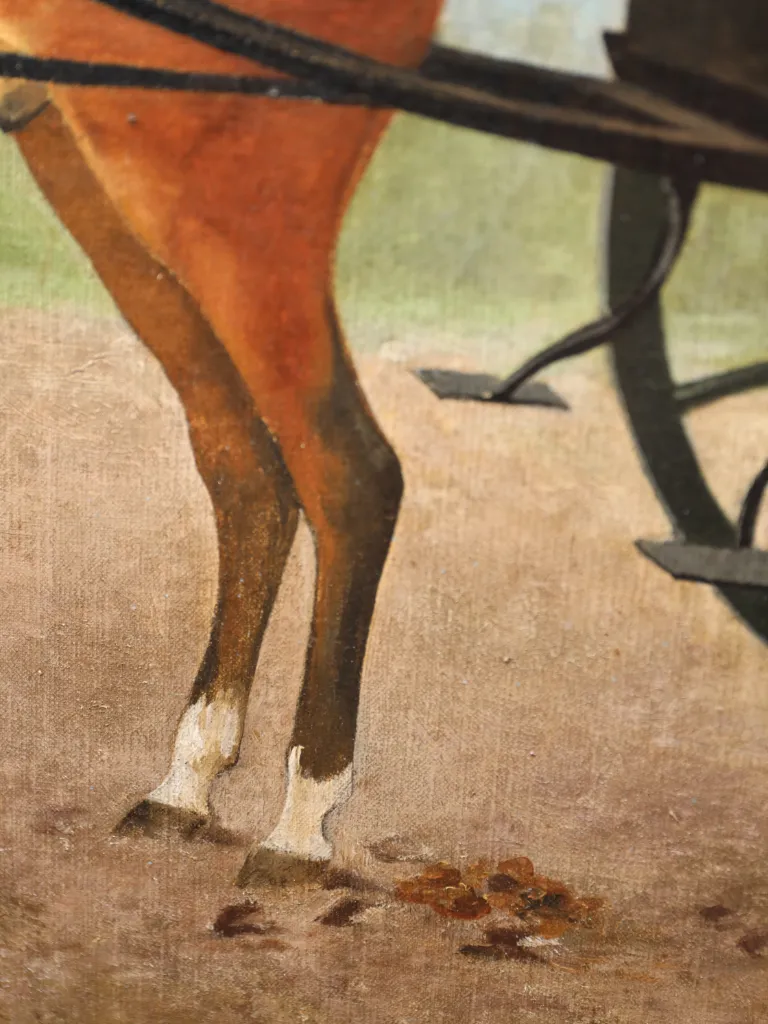
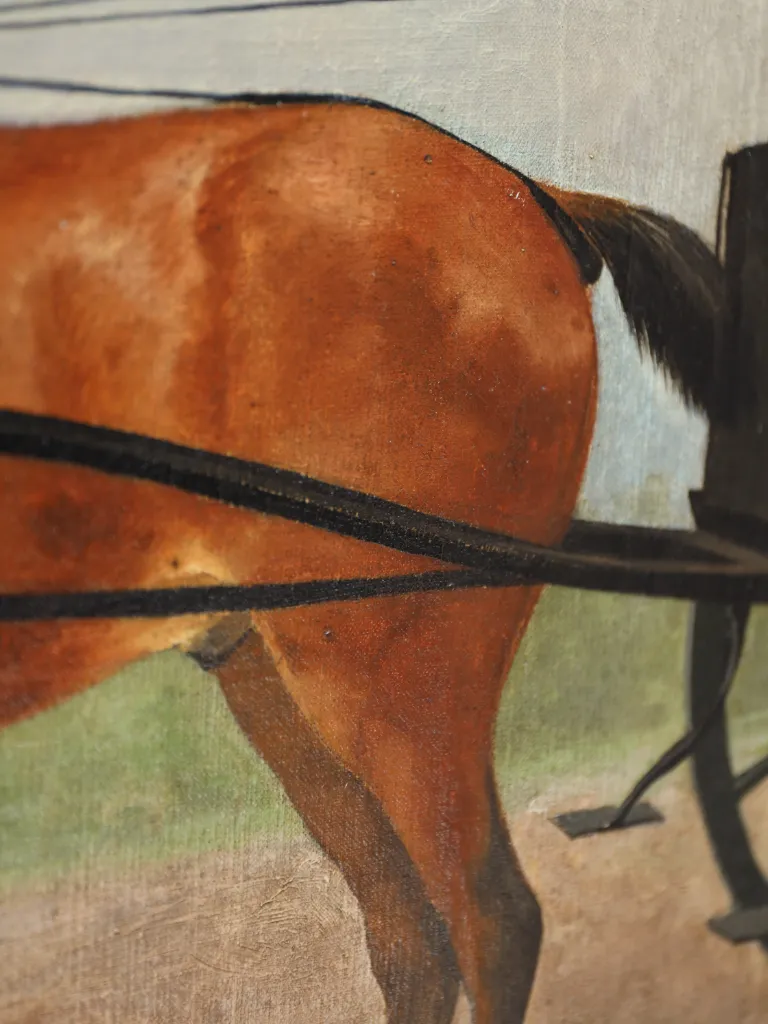
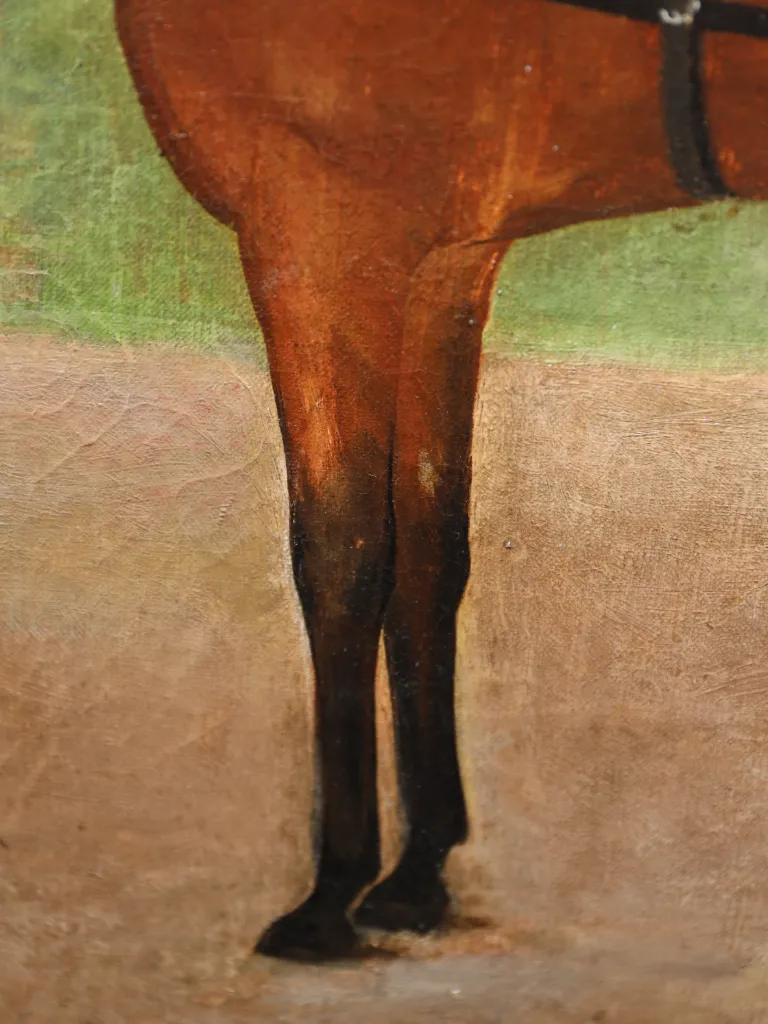
Caporal stands proudly in profile, his rich chestnut coat beautifully rendered in warm russet, copper and deep brown tones. Subtle modelling across the body gives the horse a pleasing sense of form, while the darker colouring of the lower legs is contrasted by distinctive white markings to the hind feet.
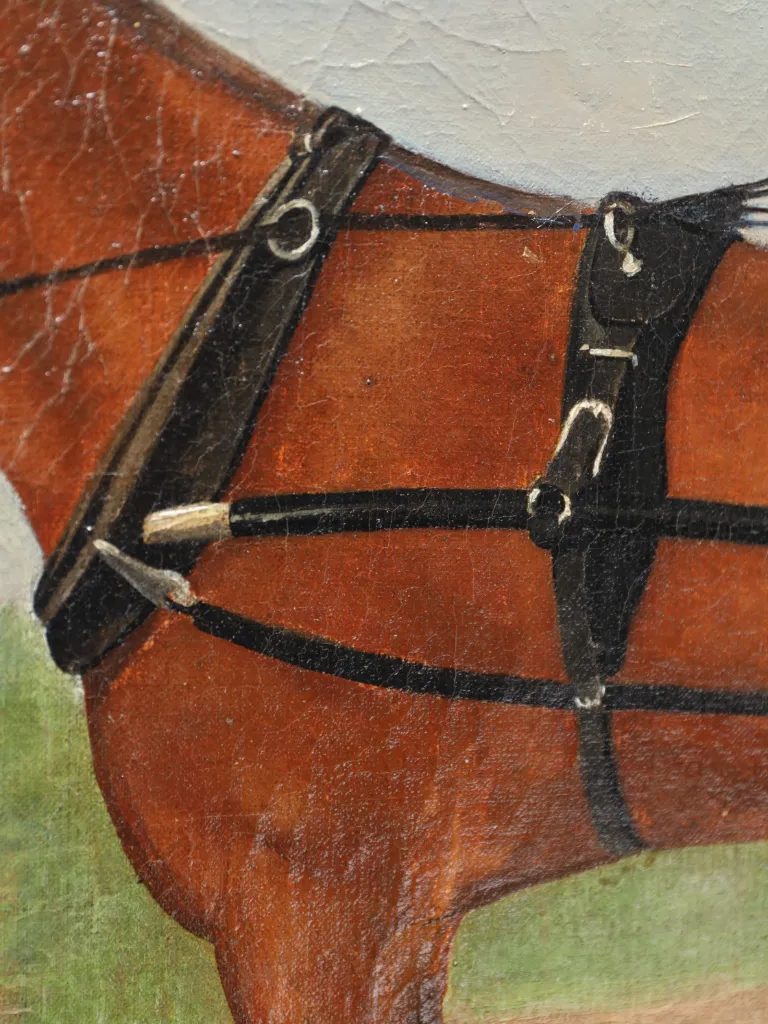
Particular attention has been paid to Caporal's harness and bridle. Individual leather straps, buckles, rings and metal fittings have been carefully delineated, extending even to the decorative rosette positioned beside the horse's head. These small details give the painting considerable charm and demonstrate the artist's careful observation of his subject.
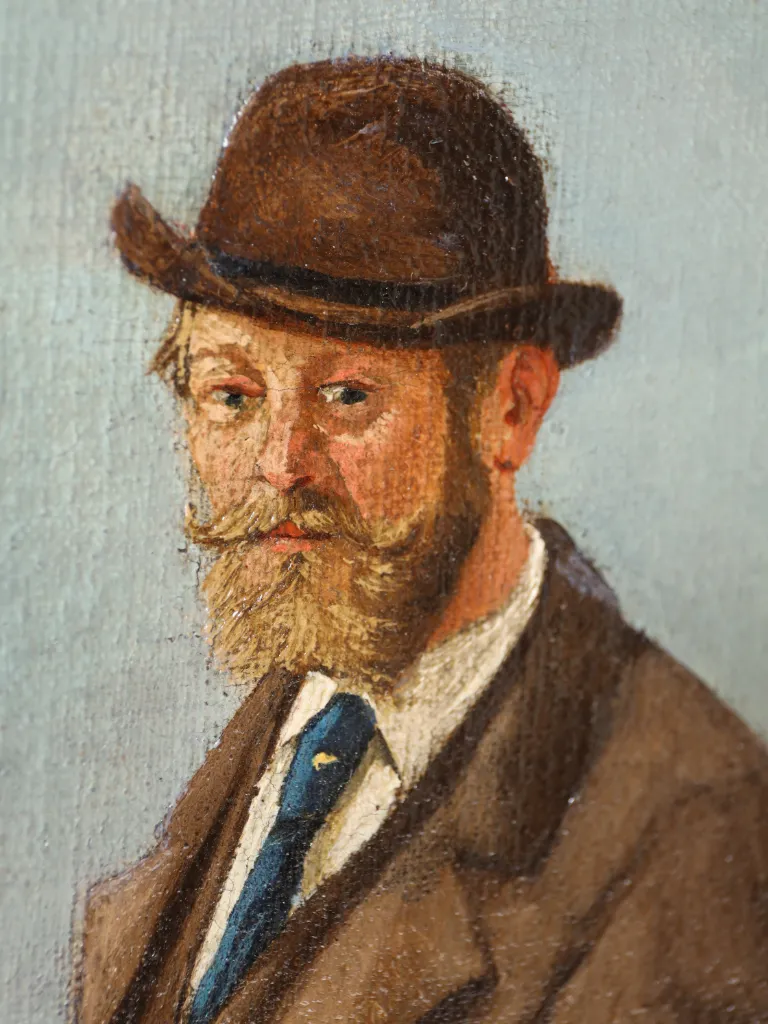
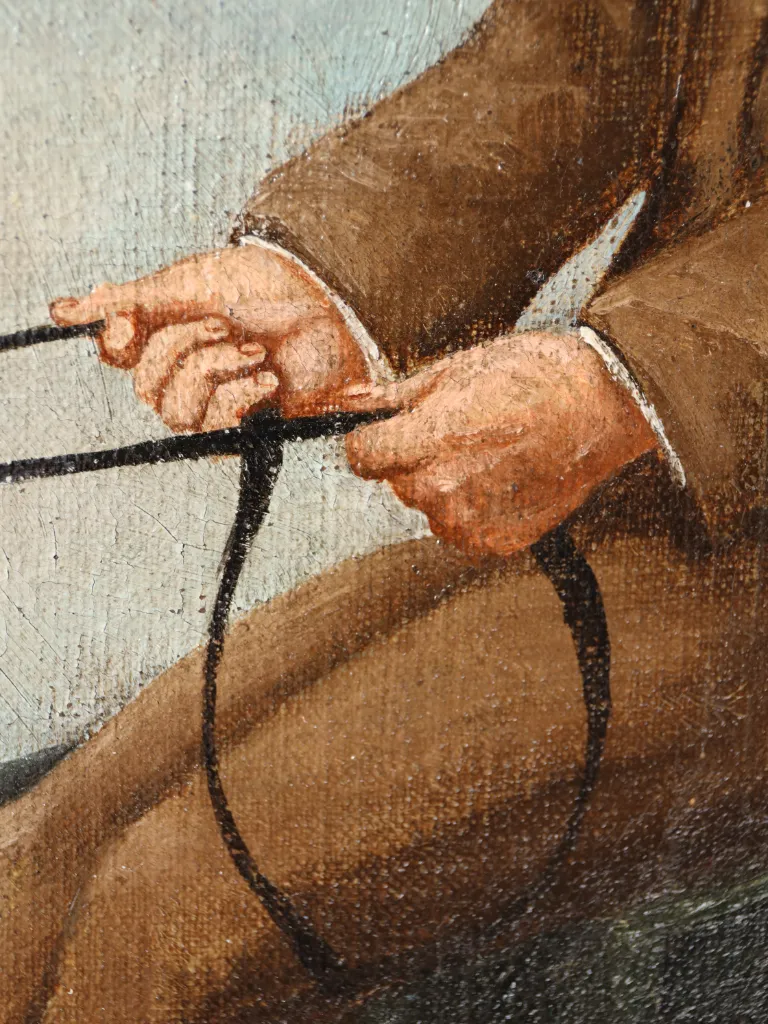
Seated behind is a smartly dressed gentleman driver, portrayed in a brown suit and bowler hat and holding the reins in both hands. His bearded face is individually rendered, with surprisingly fine detail to the eyes, moustache, beard and clothing despite his relatively small scale within the composition.
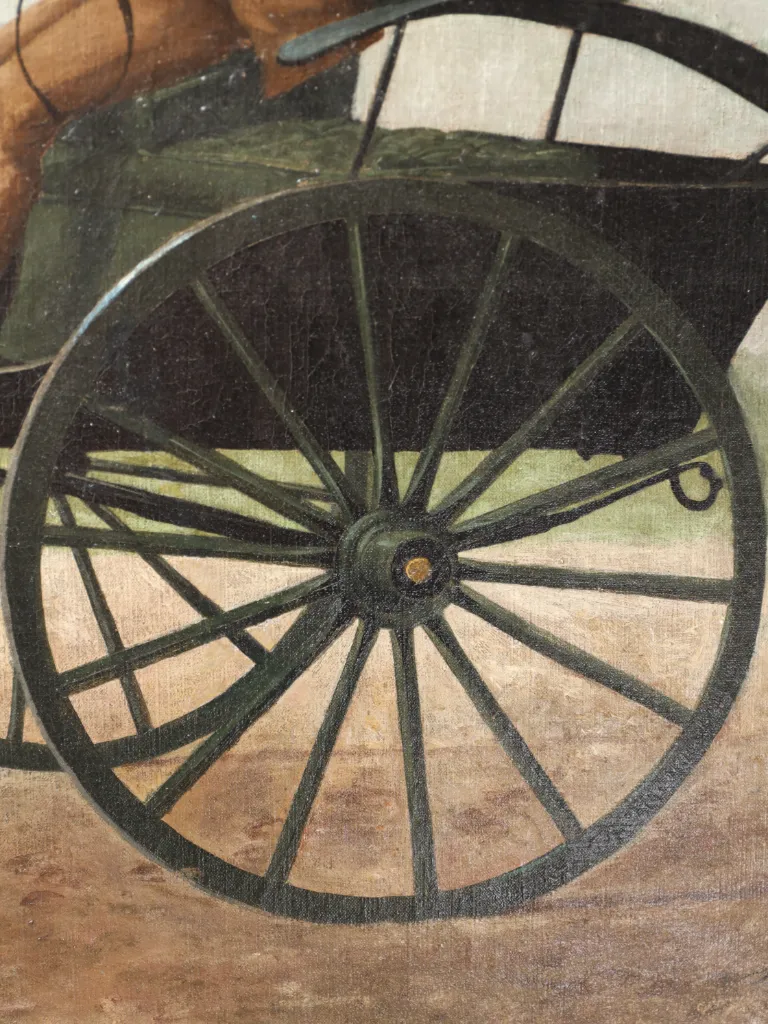
The two-wheeled gig provides a striking graphic counterpoint to the horse. Painted predominantly in deep green and black, its large spoked wheels, sweeping shafts and bodywork have been carefully described, creating a fascinating visual record of a late-19th-century horse-drawn turnout.
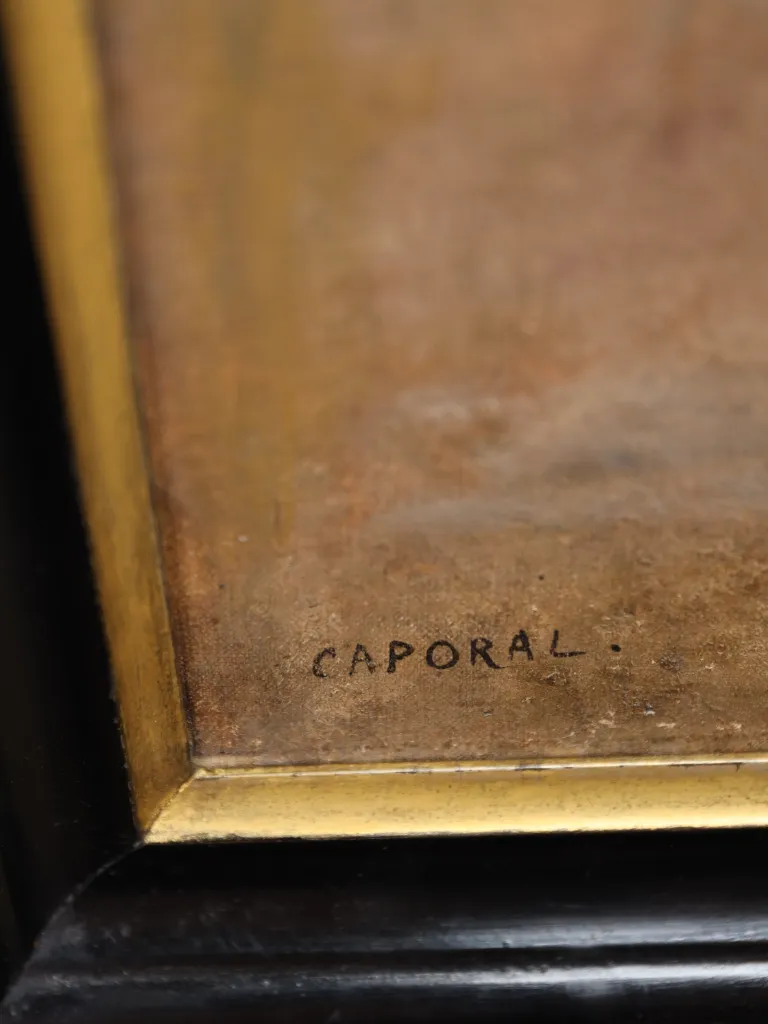
One of the most appealing aspects of the painting is that the identity of the horse has survived. “CAPORAL” is clearly inscribed at the lower left, establishing this as the portrait of a particular animal rather than a generic equestrian scene.
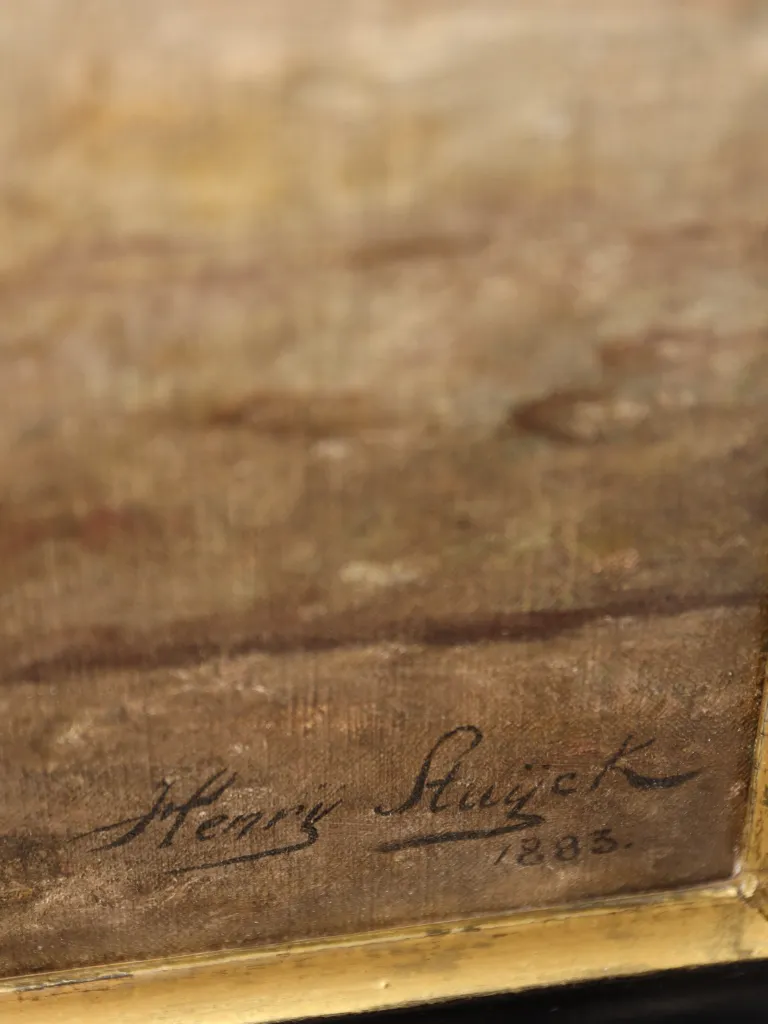
At the opposite lower corner, the work is signed “Henry Stuyck” and dated 1883.
There is a wonderful directness to the composition. Caporal, the gentleman and gig are presented almost in profile against a deliberately restrained landscape of soft greenery and pale blue-grey sky. The relative simplicity of the background allows the horse and turnout to command the composition and gives the work the distinctive decorative quality associated with late-19th-century European folk and provincial painting.
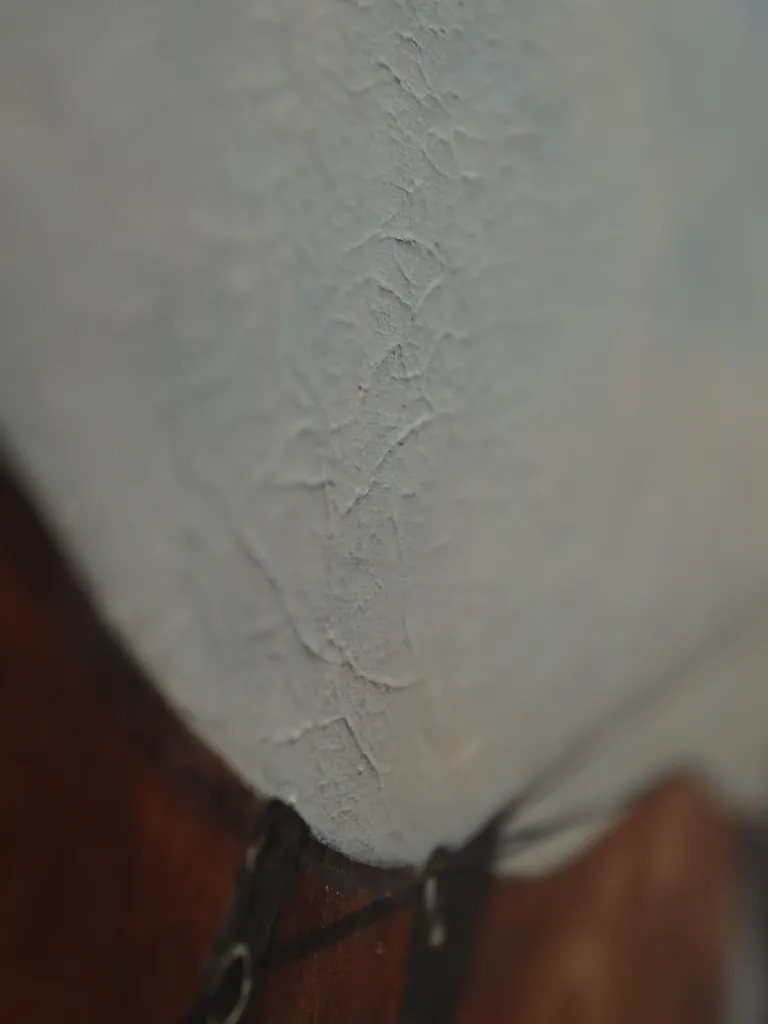
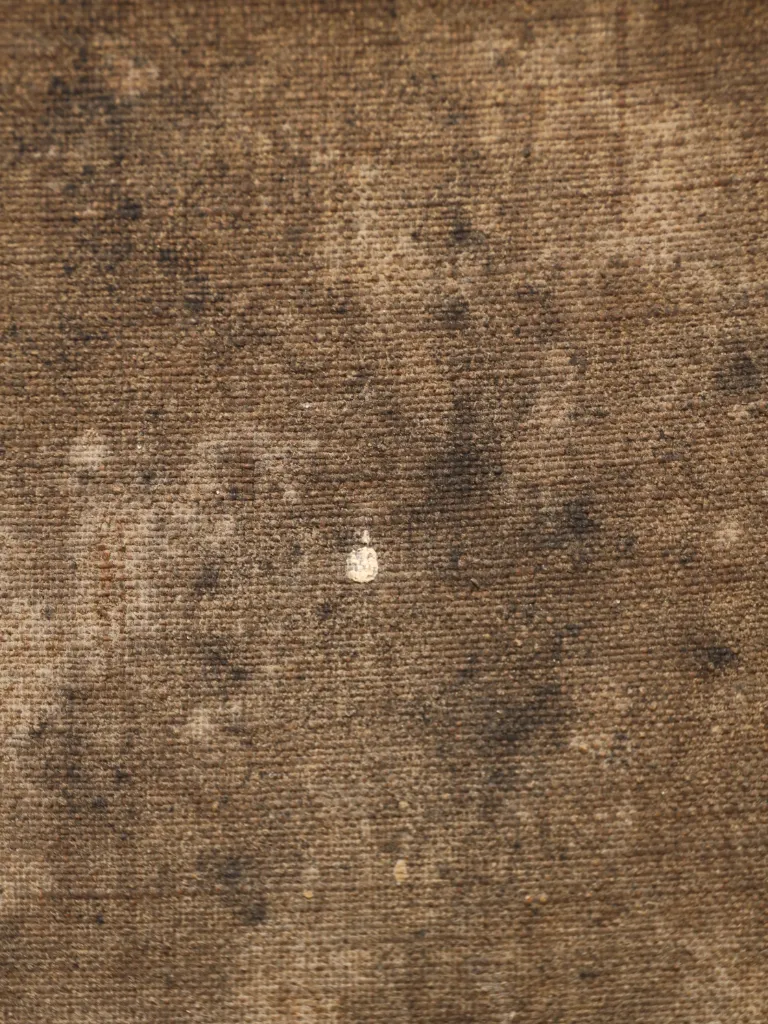
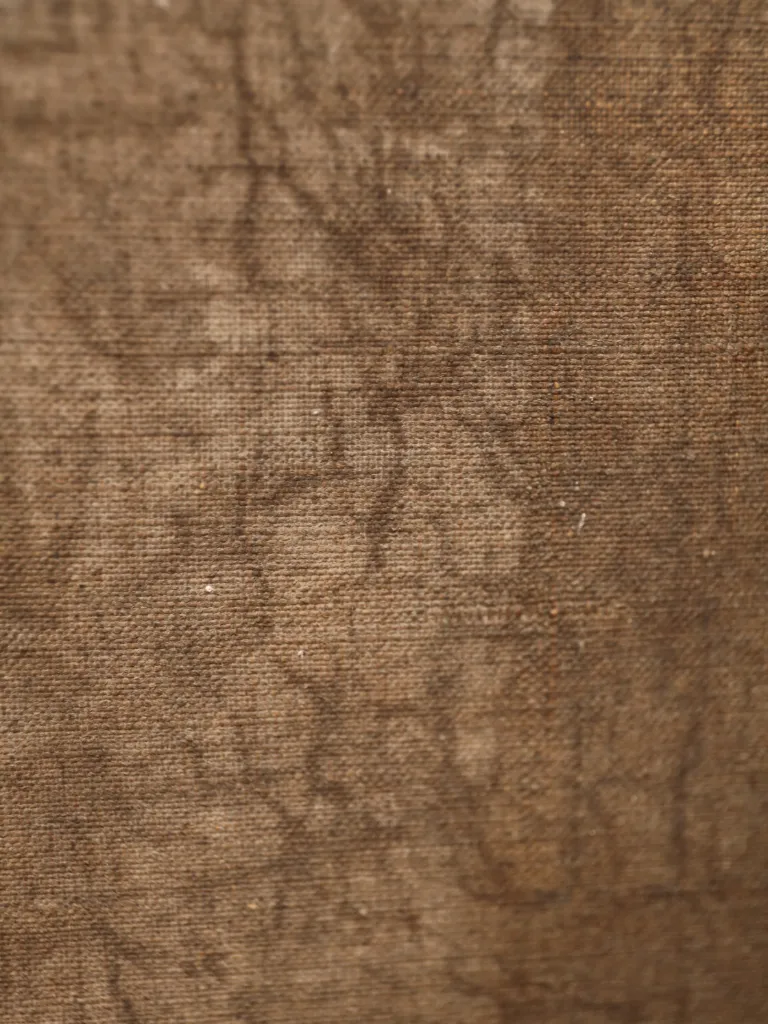
The surface retains an attractive network of fine age-related craquelure, visible particularly when viewed closely, while the painted detail and warm colouring remain remarkably strong.
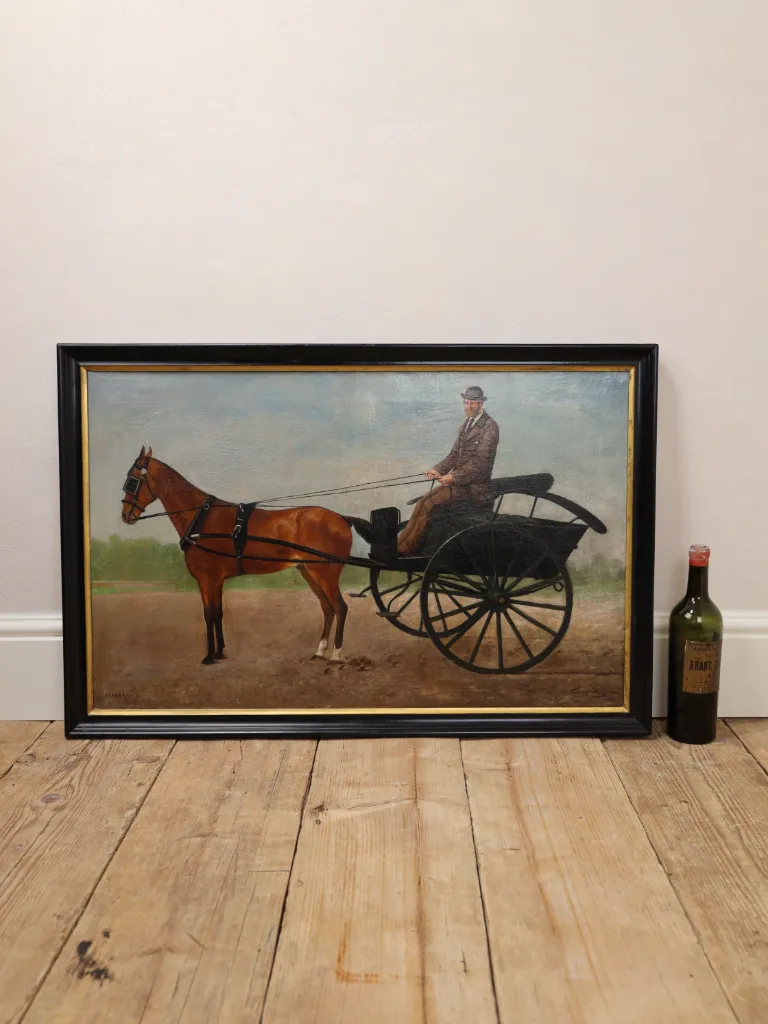
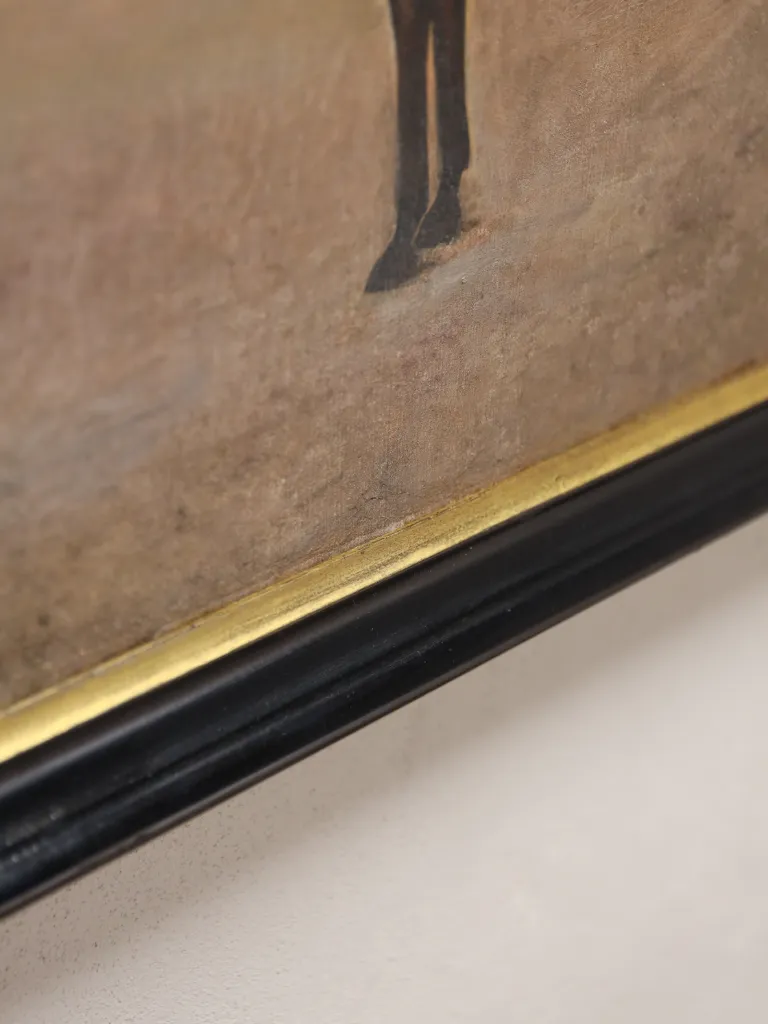
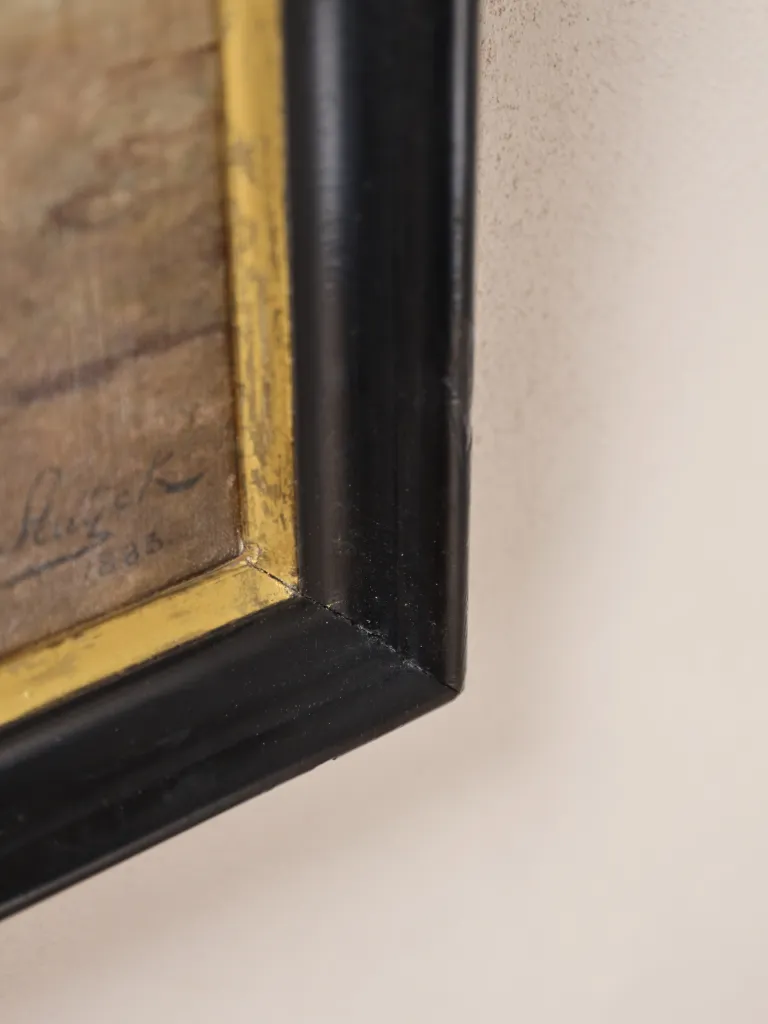
The painting is presented in a black ebonised frame with a narrow gilt inner slip, providing a handsome contrast to the chestnut colouring of Caporal and giving the work considerable presence when hung.
A particularly appealing example of 19th-century equestrian portraiture, combining the individuality and charm of folk painting with the additional interest of an identified artist, a named horse and an exact date.
Oil on canvas. The painting is in good antique condition, retaining strong colour, definition and detail throughout.
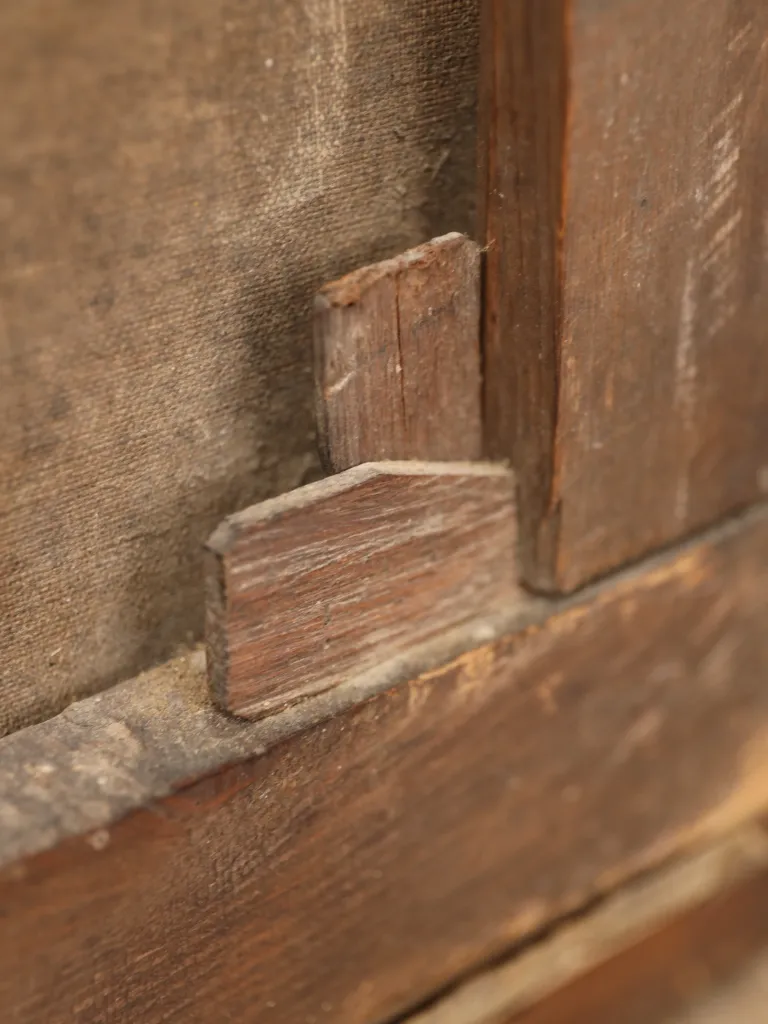
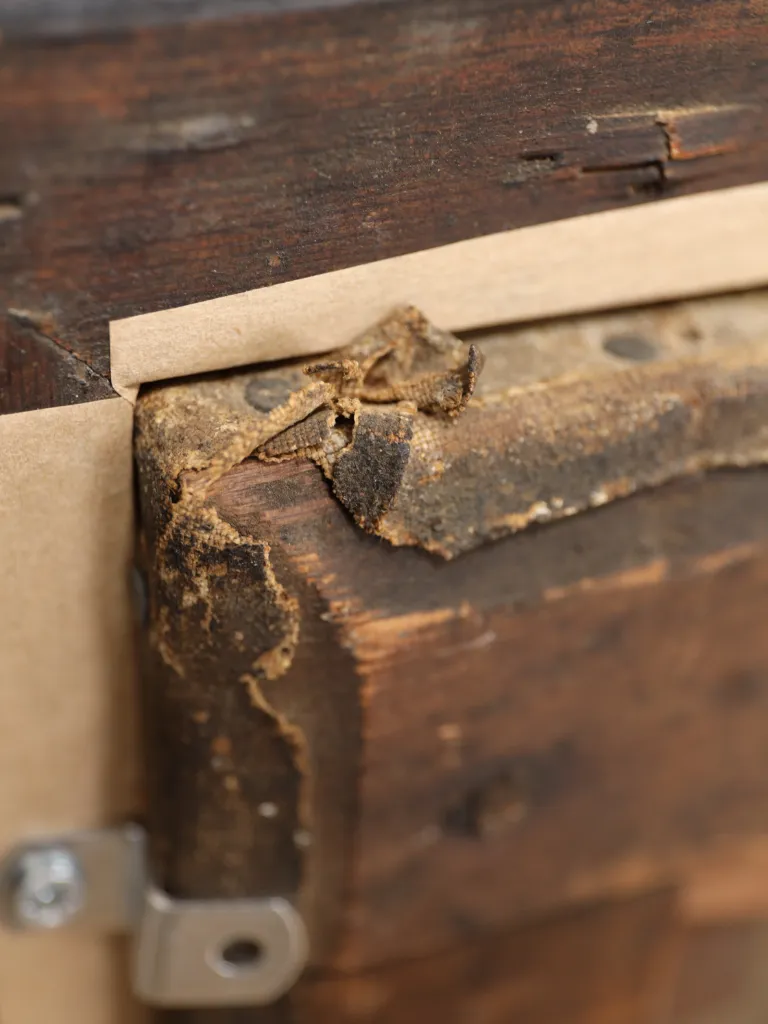
There is fine age-related craquelure and surface texture consistent with a painting dating from 1883. Importantly, there are no visible signs of historic repairs to the painting.
The painted surface presents very well, with the details of Caporal, his harness, the gentleman driver and the gig remaining particularly clear.
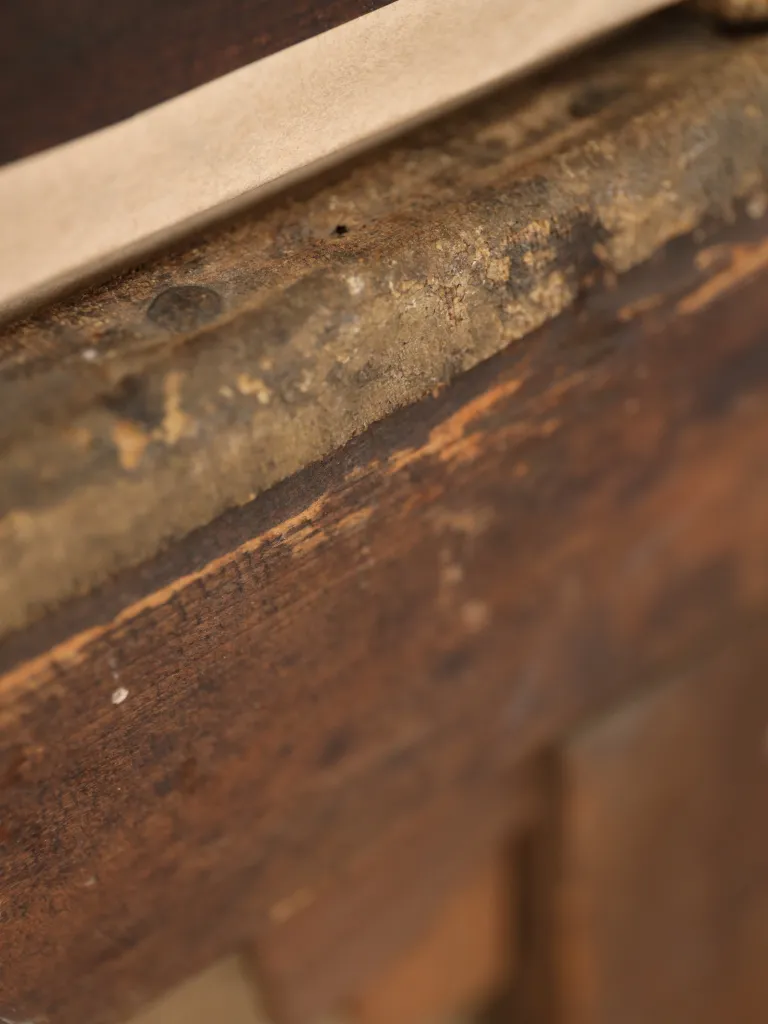
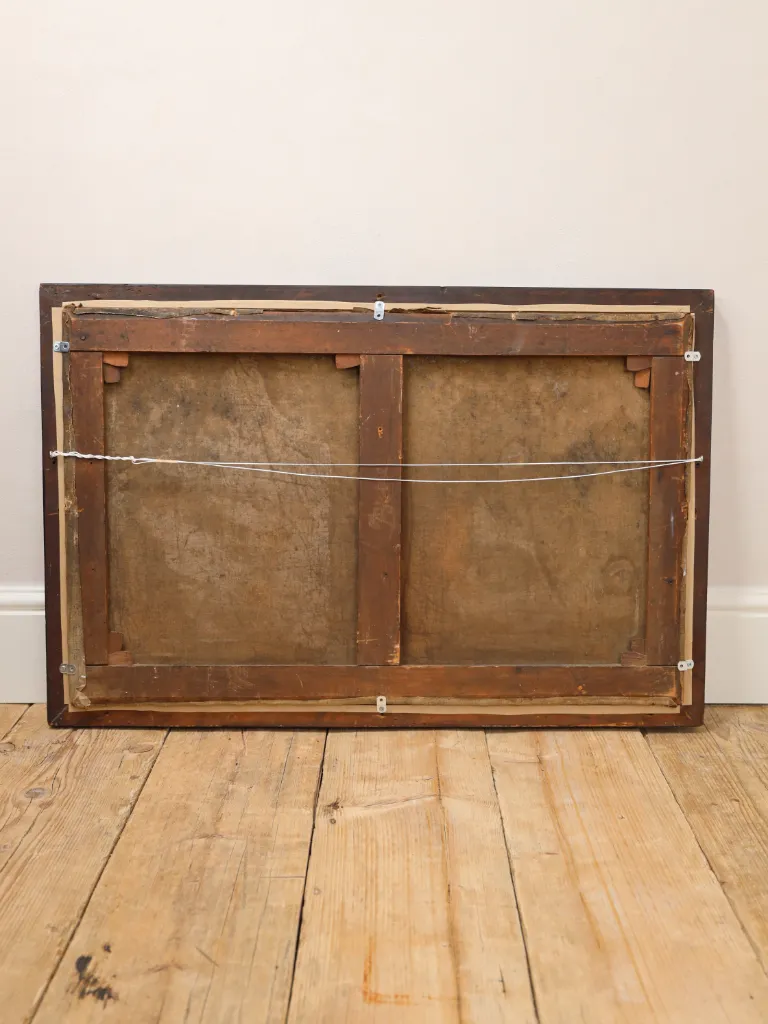
The frame is also in good condition, with only minor age-related wear consistent with use and age.
The painting is framed and ready to hang.
Framed
Height: 60 cm / 23.6 inches
Width: 91 cm / 35.8 inches
Depth: 3 cm / 1.2 inches
Weight: 2.7 kg / 6 lbs
Without Frame
Height: 52 cm / 20.5 inches
Width: 83 cm / 32.7 inches
Every item offered by Shackleton Fox is carefully inspected, prepared, and where necessary conserved within our workshop prior to sale.
As heritage craftsmen and antique specialists, we believe in preserving the authenticity and integrity of each piece. Original finishes, patina, wear, and signs of age are retained wherever possible, as these elements contribute to both character and historical significance.
When restoration, rewiring, repairs, or conservation work is required, it is undertaken sympathetically using traditional techniques and materials appropriate to the period of the piece. Our philosophy is one of careful stewardship rather than unnecessary restoration, ensuring antiques remain both functional and historically respectful.
The result is a collection of pieces that have been thoughtfully prepared, allowing future owners to enjoy them with confidence while preserving their unique story and character.