Neoclassical design is the application of the Neoclassical style to furniture, interiors, ceramics, metalwork, textiles and architecture. It draws its vocabulary from ancient Greek and Roman art, emphasising symmetry, order and refined proportion, and it dominated European taste from around 1760 to the 1830s, with frequent revivals since.
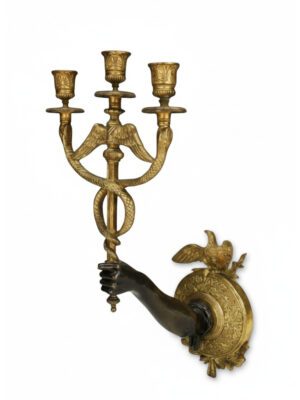
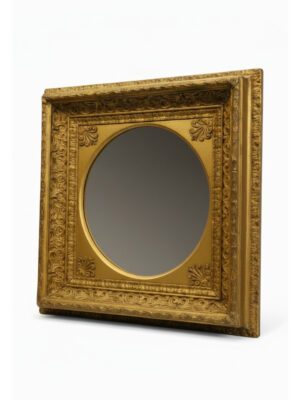
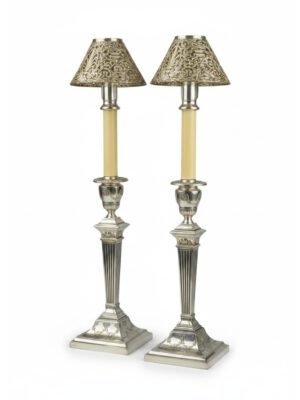
Typical Neoclassical ornament includes urns and vases, festoons and swags of husks or drapery, paterae and rosettes, anthemion and palmette motifs, Greek key and Vitruvian scroll borders, rams' heads, griffins, fluted columns, acanthus leaves and classical figures. In furniture, it is seen in straight tapering legs, oval and shield-back chairs, inlaid satinwood and painted decoration, while in ceramics it appears in Wedgwood's jasperware and black basalt. Designers such as Robert Adam created complete interiors in which plasterwork ceilings, carpets, furniture and fireplaces were coordinated. Neoclassical design remains enduringly popular for its elegance and restraint, and it combines particularly well with both traditional and contemporary interiors.