The Kangxi period is the reign of the Kangxi Emperor of the Qing dynasty, from 1662 to 1722, one of the longest and most celebrated reigns in Chinese history. In the antiques world the term is used above all for the porcelain of this time, which is regarded as among the finest ever produced at the imperial kilns of Jingdezhen.
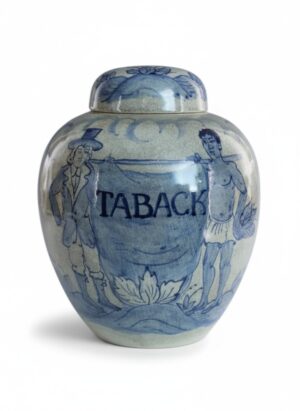
After disruption in the mid seventeenth century, the Jingdezhen kilns were reorganised and production flourished under imperial patronage. Kangxi blue and white porcelain is admired for its brilliant, vibrant cobalt and clean white body, and the period is particularly associated with famille verte enamels in green, yellow, aubergine and red, as well as fine monochromes such as sang de boeuf and peachbloom. Vast quantities were exported to Europe, where Kangxi wares furnished country houses and inspired European potters. Many pieces carry the six-character Kangxi reign mark, but this mark was frequently applied to later pieces, especially in the nineteenth century, and many genuine export wares bear no reign mark or an earlier apocryphal mark. Attribution therefore depends on the body, glaze, potting and painting style rather than the mark alone.