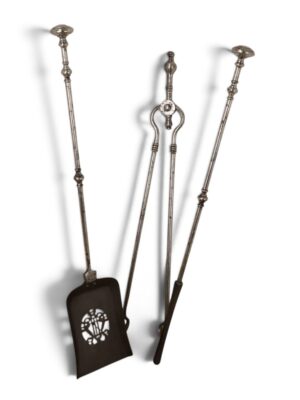
Tudor describes the period of English history from 1485 to 1603, when the Tudor dynasty ruled from the accession of Henry VII to the death of Elizabeth I, and the architecture and decorative arts associated with it. The term is often used for the earlier part of the dynasty, with the later decades distinguished as Elizabethan.
Tudor architecture is recognised by its red brickwork, timber framing, tall decorated chimneys, mullioned windows and the flattened four-centred arch, seen at houses and palaces such as Hampton Court. Interiors featured oak panelling, often carved with linenfold, moulded plaster ceilings, great halls and, later, long galleries. Furniture was mostly of oak and made by joiners, including chests, coffers, joint stools, court cupboards, tables on heavy legs and panel-back chairs, and the Tudor rose, a union of the red and white roses of the houses of Lancaster and York, was a popular motif. Genuine Tudor furniture is rare and costly. Far more common are pieces from the Victorian and Edwardian Tudor revivals, and the Tudorbethan or Mock Tudor style of the early twentieth century, notable in suburban houses and in the Liberty department store building in London.