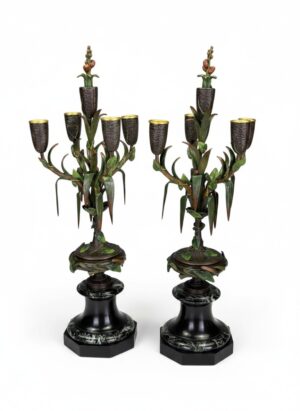
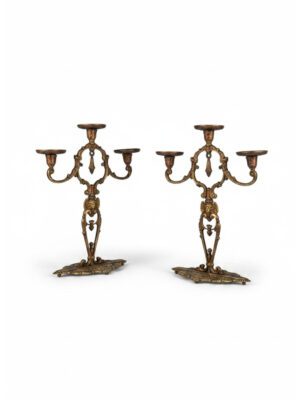
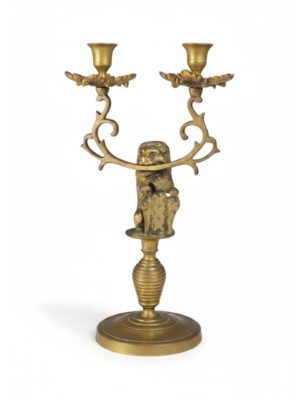
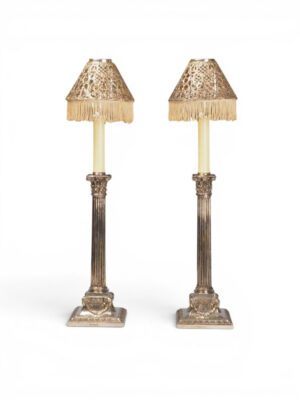
Georgian silver is silver made in Britain during the reigns of the four Georges and, by common usage, William IV, broadly from 1714 to 1837. The period is regarded as one of the high points of British silversmithing, combining excellent craftsmanship, generous gauge and a succession of elegant styles from Queen Anne simplicity to Rococo, Neoclassical and Regency grandeur.
Early Georgian silver often shows plain, well-proportioned forms, with the higher Britannia standard compulsory until 1720. Huguenot silversmiths, including Paul de Lamerie, brought sophisticated French design and casting, and the Rococo style of the mid-century produced richly chased and cast pieces. Neoclassical silver from the 1770s, inspired by Robert Adam, featured urns, beading and bright-cut engraving, with makers such as Hester Bateman producing elegant domestic wares. In the Regency period, Paul Storr and the firm of Rundell, Bridge and Rundell created massive, sculptural presentation silver. Georgian silver includes tea and coffee services, candlesticks, salvers, sauceboats, tankards, cruets and flatware. Most pieces are fully hallmarked with maker's mark, standard mark, town mark and date letter, and from 1784 to 1890 a duty mark of the sovereign's head. Collectors look for crisp marks, good weight and original, uncorrected decoration and engraving.