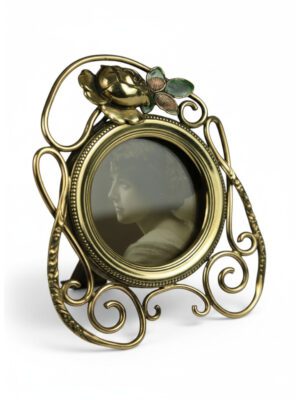
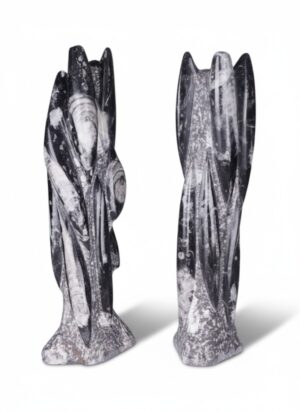
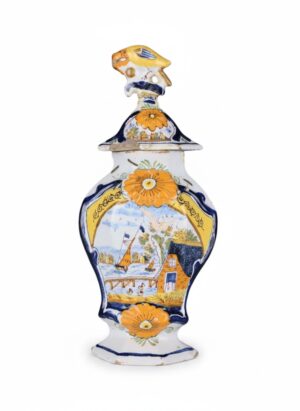
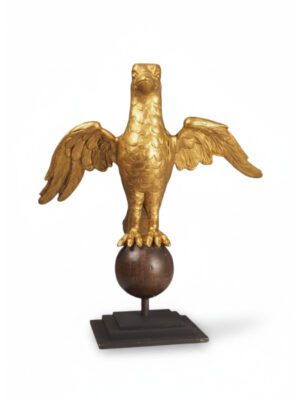
Handcrafted objects are things made largely by hand by a skilled maker, using hand tools and traditional processes, rather than produced in quantity by machines. The term covers almost every area of the decorative arts, including furniture, carving, metalwork, ceramics, glass, textiles, basketry, bookbinding and jewellery, and it describes how something was made rather than any particular style.
Until the Industrial Revolution most objects were handcrafted as a matter of course, though workshops often divided tasks among specialists and used jigs, lathes and moulds. Mechanisation in the nineteenth century brought cheaper, more uniform goods, and critics such as John Ruskin and William Morris argued that the loss of handwork damaged both design and the lives of workers. Their ideas shaped the Arts and Crafts movement, which revived hand production in furniture, metalwork, printing and textiles and influenced studio craft throughout the twentieth century. For collectors, signs of hand making include tool marks, slight irregularities and variations between paired or matching pieces. Such marks are not faults but evidence of age and authenticity, though quality still depends on the skill of the maker. Handcrafted antiques bring individuality and depth to interiors, and they mix comfortably with both period and contemporary design.