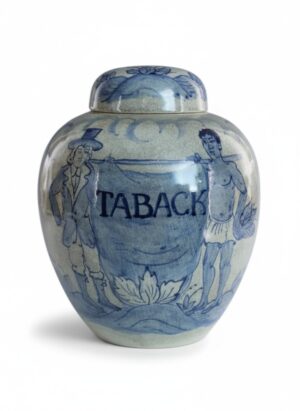











Historic pottery is a broad term for ceramics made in earlier periods that have historical, cultural or archaeological interest. It includes earthenware, stoneware and porcelain, from simple domestic vessels and storage jars to tiles, decorative wares and fine table ceramics, and is studied both for its appearance and for what it reveals about past ways of life.
In Britain the story runs from prehistoric and Roman wares through medieval glazed jugs and cooking pots to the tin-glazed delftware, slipware and salt-glazed stoneware of the seventeenth and eighteenth centuries. The Staffordshire potteries transformed the industry in the eighteenth century, with creamware, pearlware and transfer-printed wares made in huge quantities, while porcelain factories such as Chelsea, Bow, Worcester and Derby produced finer pieces. Imported Chinese porcelain and Continental wares also played a major part. Because pottery survives well, even broken fragments are important to archaeologists for dating sites and tracing trade. Collectors look for interesting form and decoration, marks, good condition and a clear sense of date and origin, though honest wear and old repairs are often acceptable on early pieces. Historic pottery can be displayed on dressers, shelves and in cabinets, giving warmth and texture to period rooms.