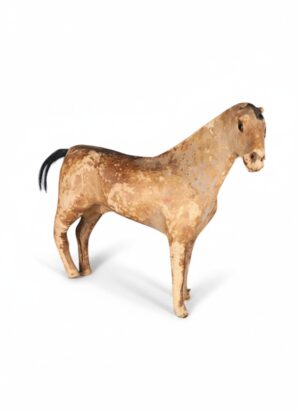
Organic materials are substances derived from living things, whether animals or plants, as opposed to inorganic materials such as metal, stone, ceramic and glass. In antiques the term covers wood, bark, bamboo, cane, paper, leather, parchment, textiles of wool, silk, cotton and linen, ivory, bone, horn, tortoiseshell, mother-of-pearl, coral, amber, jet, shagreen and feathers.
Throughout history, craftsmen prized organic materials for their beauty, workability and warmth, using them for furniture, boxes, fans, jewellery, carvings, inlay, upholstery and countless small objects. Because they were once living, these materials are particularly sensitive to their environment. Fluctuating humidity can cause wood to split, ivory to crack and leather to become brittle, while light causes fading and pests such as woodworm, moth and carpet beetle can cause serious damage. For this reason conservators recommend stable humidity and temperature, protection from direct sunlight and regular inspection for signs of infestation. Some organic materials, notably elephant ivory, rhino horn, tortoiseshell and certain corals, are now subject to strict laws governing their sale and export, and buyers should check documentation and current regulations carefully. Understanding the nature of organic materials helps collectors to identify, value and care for a wide range of antiques.