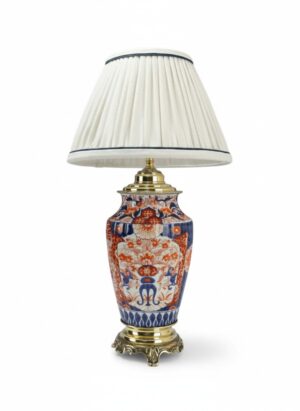
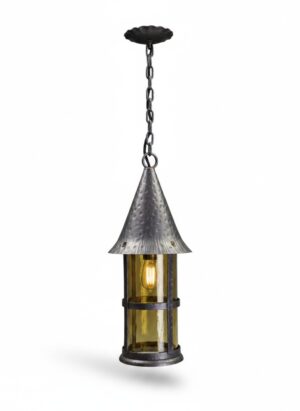
PAT testing, short for portable appliance testing, is the routine inspection and testing of electrical equipment to check that it is safe to use. In the antiques trade it is most relevant to table lamps, standard lamps and other plug-in lighting that has been converted or rewired for use with mains electricity.
A PAT test normally combines a careful visual inspection of the flex, plug, fuse, lampholder and fittings with electrical checks using a test instrument, such as earth continuity, insulation resistance and, where appropriate, polarity. Items that pass are usually labelled with the date of the test. In Great Britain, PAT testing is not a legal requirement in itself, but it is widely used by businesses to help meet their duties under electrical safety legislation, and many dealers test lighting before sale as a matter of good practice. Antique lamps present particular risks, as original cable may be perished, metal bodies may not be earthed and old conversions can be poorly executed. A competent restorer will usually rewire with modern cable, fit an earth to metal lamps and install a correctly rated fuse. A PAT label records condition on the day of testing rather than offering a guarantee.