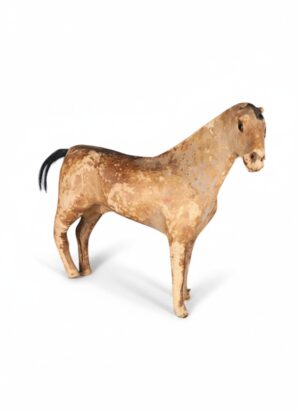
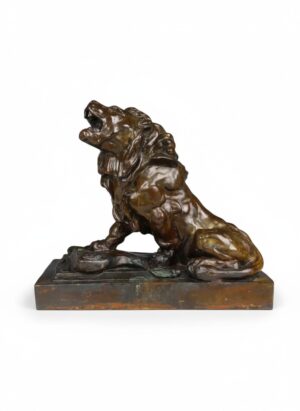
Table decoration is the arrangement of ornamental objects on a dining or side table to create an attractive and often impressive display, as distinct from the plates, glasses and cutlery used for eating. Typical elements include centrepieces, epergnes, candelabra, figures, flower vases, fruit stands, mirrored plateaux and decorative salts.
Formal table decoration grew in importance from the late seventeenth century, when dessert courses were presented as elaborate set pieces. In the eighteenth century, sugar and porcelain figures, silver centrepieces and gilt-bronze plateaux adorned grand tables, and factories such as Meissen and Derby produced figures specifically for the dessert table. The Victorians favoured towering silver and glass epergnes, floral arrangements and multi-branch candelabra, and service à la russe, in which dishes were served from the sideboard, left more of the table free for ornament. Collectors seek well-made, complete pieces in good condition, with original branches, liners and fittings. Today historic table decorations are used to dress dining rooms when not in use as well as for entertaining, and a single fine centrepiece or a pair of candelabra can give a period table considerable presence.