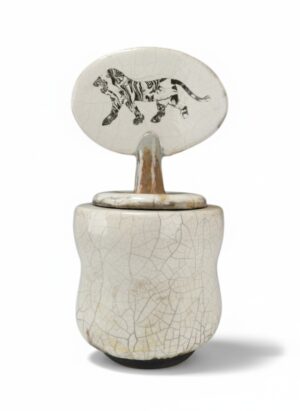
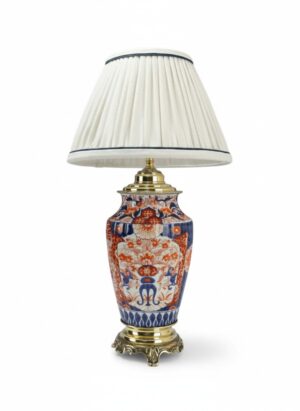
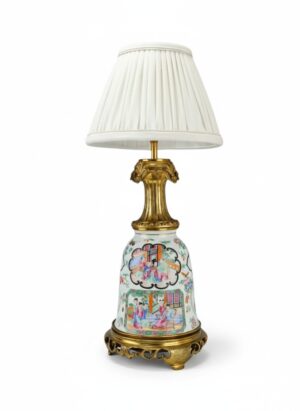
A vase is an open container, usually taller than it is wide, used to hold flowers or simply displayed as a decorative object. Vases have been made in almost every material, including porcelain, pottery, glass, silver, bronze, stone, enamel and lacquer, and they are among the most varied and collectable of all decorative objects.
Common shapes include the baluster, ovoid, trumpet, bottle, gourd and urn forms, many of which derive from Chinese ceramics or classical antiquity. Chinese porcelain vases were exported to Europe in great quantities from the seventeenth century and inspired factories such as Meissen, Sèvres and Worcester. Vases were often made in sets, known as garnitures, for display on chimneypieces and cabinets. The nineteenth century brought art pottery and art glass vases from makers such as Doulton, Moorcroft, Gallé and Thomas Webb, and the twentieth century added studio pottery and Art Deco designs. When assessing a vase, consider the material, form, decoration, marks and condition, checking carefully for chips, cracks and restoration.