Animalier sculpture describes the realistic sculpture of animals that became a celebrated genre in France during the nineteenth century. The term animalier was originally used, somewhat dismissively, by critics for artists who specialised in animal subjects, but it soon came to describe a distinguished school of sculptors whose work was widely admired and collected.
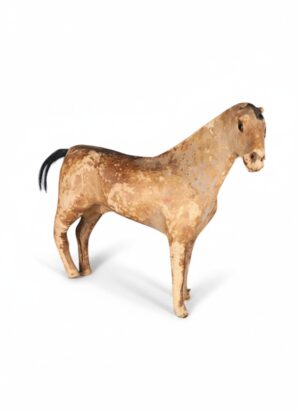
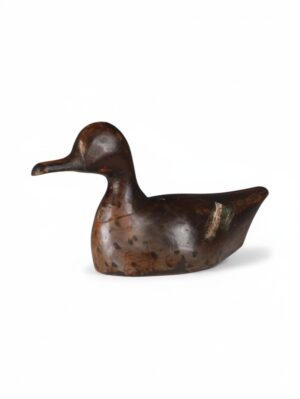
The movement is closely associated with Antoine-Louis Barye, whose dramatic studies of lions, tigers and other animals in combat transformed the genre in the 1830s. He was followed by Pierre-Jules Mêne, Christophe Fratin, Isidore Bonheur, Jules Moigniez, Alfred Dubucand and Antoine-Louis Barye's many followers, who produced horses, hounds, game birds, cattle and wild animals with remarkable accuracy and vitality. Most animalier sculpture was cast in bronze, often in editions by foundries such as Barbedienne and Susse Frères, sized for display in the home. Collectors look for crisp casting, an attractive original patina, clear signatures and foundry marks, and early lifetime casts are generally more valuable than later reproductions.