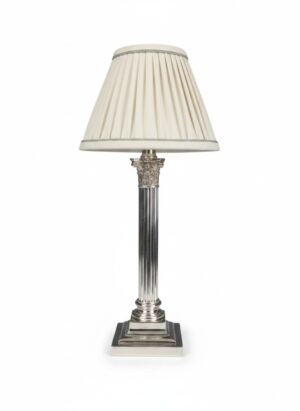
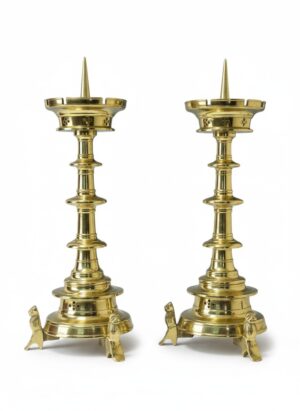
Sterling silver is an alloy containing 92.5 per cent pure silver, with the remaining 7.5 per cent usually made up of copper to add strength and durability. The standard has been used in England since the medieval period and remains the most common standard for silver objects made in Britain, where it is guaranteed by hallmarking.
In the British hallmarking system, sterling silver is denoted by the lion passant for items assayed in England, with the lion rampant used in Glasgow and the thistle in Edinburgh, together with the town mark of the assay office, a date letter and the maker's mark. Between 1697 and 1720, the higher Britannia standard of 95.8 per cent was compulsory, and it remains optional today. Much American and Continental silver also uses the sterling standard, often marked simply 'Sterling' or '925'. Sterling silver should be distinguished from silver plate and electroplate, which have only a thin coating of silver over a base metal. Sterling items are valued by weight, design, maker and condition.