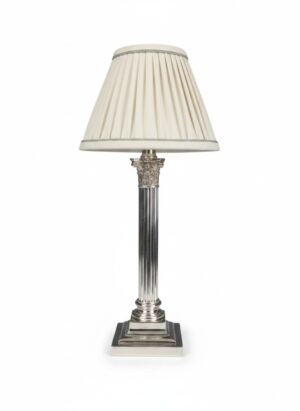
Silver plate describes objects made from a base metal that has been covered with a thin layer of silver, giving the appearance of solid silver at a fraction of the cost. The two main historic methods are Sheffield plate, developed in the 1740s, in which silver was fused to copper before the sheet was worked, and electroplating, introduced commercially by Elkington in the 1840s, in which silver is deposited by electrolysis onto a finished object.
Electroplating, usually onto nickel silver and marked EPNS, largely replaced Sheffield plate by the mid-nineteenth century and made fashionable tableware widely available. Silver-plated items include tea and coffee services, entrée dishes, cutlery, candelabra, trays, cruets and decorative centrepieces. Plated wares are not hallmarked in the same way as solid silver, but often carry makers' marks and pattern numbers. Value depends on quality, design and condition; worn plating revealing the base metal reduces appeal, though good-quality pieces can be professionally replated.