Dutch furniture is furniture made in the Netherlands, which during the seventeenth century Golden Age was one of the wealthiest and most artistically influential nations in Europe. Dutch cabinetmakers developed a distinctive tradition of high-quality furniture that had a strong influence on English design, particularly after William of Orange came to the English throne in 1688.
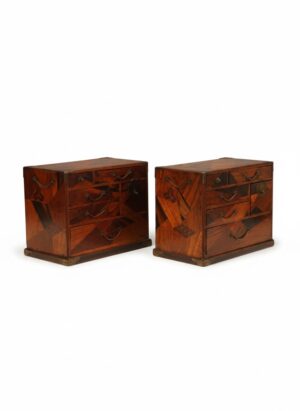
Dutch furniture is especially known for its floral marquetry, in which naturalistic flowers, birds and foliage were created using a variety of coloured woods, sometimes with bone or ivory details. Typical forms include large walnut and oak cupboards or kasten, bombé-shaped commodes, display cabinets with glazed upper sections, bureau cabinets, chairs with cabriole legs and claw feet, and tea tables. Much Dutch marquetry furniture was produced in the eighteenth century, and a great deal more was made or embellished during the nineteenth century, sometimes by adding marquetry to earlier plain pieces. Careful examination of construction and veneers is therefore important when assessing age and value.