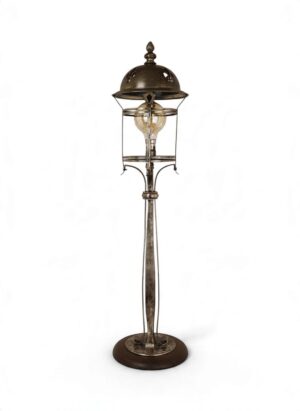
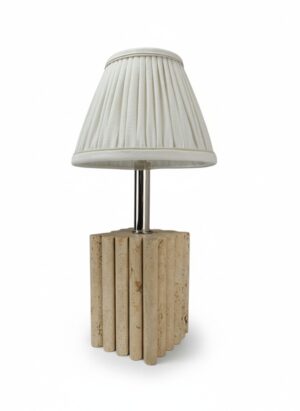
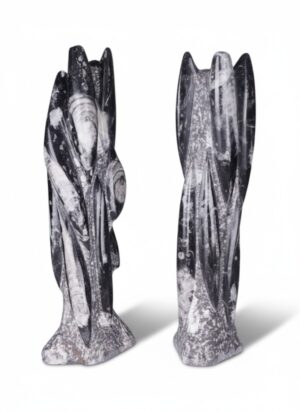
Natural materials are substances derived directly from plants, animals and the earth, as opposed to synthetic or man-made materials. In antiques and interiors they include timber, stone, marble, slate, clay, shell, horn, bone, leather, cane, rattan, rush, wool, linen, cotton, silk and mineral specimens.
Before the industrial age, almost all furniture and decorative objects were made from natural materials, and the way they age is central to the appeal of antiques. Wood develops patina, leather softens and darkens, stone and marble weather, and textiles fade gently, giving objects an individual character that cannot easily be reproduced. Many collectors and decorators value natural materials for their texture, warmth and sense of connection to landscape and craft, and the current interest in sustainable and biophilic design has brought renewed attention to antique and vintage pieces. Some natural materials are subject to legal restrictions, including ivory, tortoiseshell, certain rare timbers and parts of protected species, which are controlled under CITES and national legislation such as the UK Ivory Act. Buyers should check what is permitted before buying, selling or exporting. Care is also important, since natural materials respond to changes in humidity, light and temperature, and benefit from stable conditions and gentle cleaning.