A paraffin lamp, known in America as a kerosene lamp, is an oil lamp that burns paraffin oil drawn up through a woven wick from a reservoir, with a glass chimney to create a steady draught and a bright, clean flame. It was the principal form of domestic lighting in Britain from the 1860s until electricity became widespread in the twentieth century.
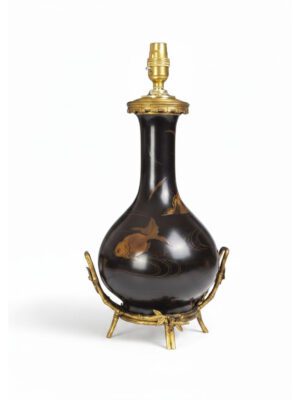
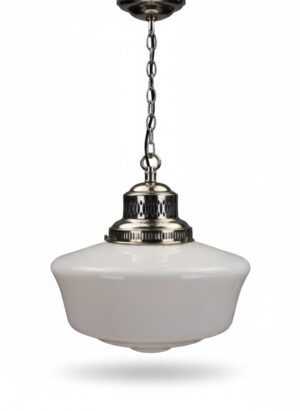
The development of cheap mineral oil in the mid nineteenth century led to a huge variety of lamps, from simple brass and glass kitchen lamps to tall Corinthian column lamps, banquet lamps and hanging library lamps with decorative shades. Improved burners, including the Hinks duplex burner with twin wicks, gave a brighter light, and makers such as Hinks and Messenger supplied many patterns. Fonts were made in brass, cast iron, porcelain and coloured or cut glass, and shades in etched, frosted or coloured glass. Collectors value original burners, chimneys and shades, and signed makers' fittings. Many paraffin lamps have been converted to electricity, and a sympathetic conversion that leaves the burner intact and is carried out by a qualified electrician makes them practical for modern use.