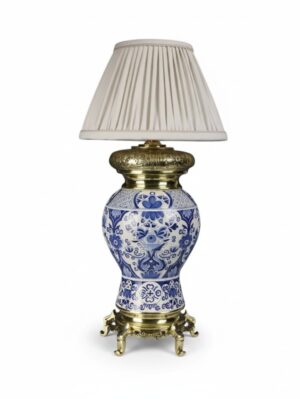
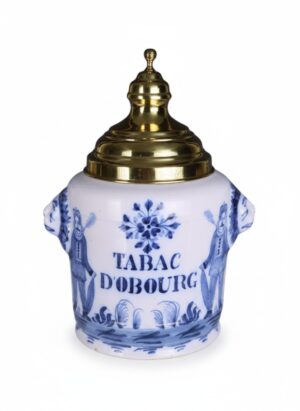
Underglaze refers to decoration applied to a ceramic body before it is covered with glaze and fired, so that the colour is sealed beneath a protective glassy layer. Because the pigments must survive the high temperature of the glaze firing, the range of underglaze colours was historically limited, with cobalt blue by far the most important.
Underglaze blue painting reached its height in Chinese porcelain from the Yuan and Ming dynasties onwards and was imitated across the world, from Dutch Delftware to English porcelain factories such as Worcester, Caughley and Lowestoft. Underglaze copper red was also used in China, though it was more difficult to control. In the nineteenth century transfer-printed underglaze patterns became the staple of the Staffordshire potteries, and new pigments gradually widened the palette. Underglaze decoration is extremely durable, since it cannot be rubbed away by use or washing, unlike enamels and gilding applied over the glaze. Collectors examine the depth and tone of the blue, the fluency of the painting and any running or blurring of the colour, all of which help with attribution and dating.