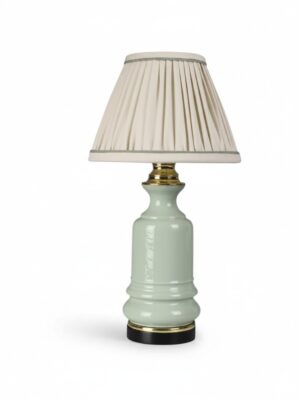
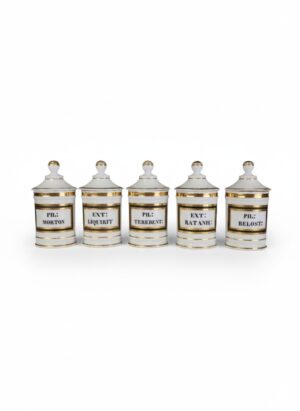
Victorian ceramics are the pottery and porcelain made in Britain during the reign of Queen Victoria, from 1837 to 1901, a period of enormous industrial expansion, technical innovation and stylistic variety. Output ranged from cheap transfer-printed earthenware for the mass market to lavish exhibition pieces made to showcase the skill of leading factories.
The great manufacturers included Minton, Wedgwood, Copeland, Royal Worcester, Doulton and Coalport, alongside hundreds of smaller Staffordshire potteries. New materials and techniques flourished, such as Parian porcelain for sculptural figures, colourful majolica glazes, encaustic and printed tiles, pâte-sur-pâte decoration and improved bone china. Styles moved through Rococo revival, Gothic and Renaissance revivals to Japanese influence, the Aesthetic Movement and the art pottery of the later decades, when studios such as Doulton Lambeth, William De Morgan and the Martin Brothers produced individual hand-decorated wares. Staffordshire flatback figures and commemorative pieces record popular taste and events. Many Victorian ceramics carry factory marks, registration diamonds or numbers, which greatly assist dating. Condition, quality of modelling and decoration, rarity of design and maker all influence value.