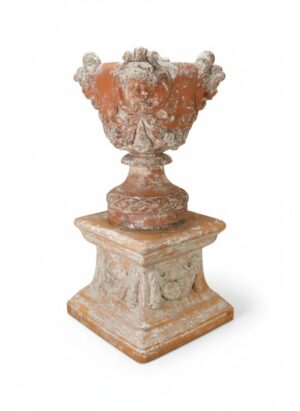
Victorian design refers to the decorative arts, furniture, architecture and interiors produced during the reign of Queen Victoria, from 1837 to 1901. Rather than a single style, it embraced a succession of revivals and movements, shaped by industrial manufacture, a growing middle class and an appetite for ornament and historical association.
Early Victorian taste favoured heavy, comfortable forms and revivals of Rococo, Elizabethan and Gothic styles, the last championed by A. W. N. Pugin. The Great Exhibition of 1851 displayed both the technical ambition and the excesses of the age, prompting reformers such as Owen Jones, Henry Cole and later Christopher Dresser to call for more principled design. From the 1860s the Aesthetic Movement and Anglo-Japanese style introduced lighter, more refined forms, while William Morris and the Arts and Crafts Movement promoted honest construction and handcraft. Machine production made patterned wallpapers, textiles, ceramics and furniture widely available. Victorian design was long dismissed as cluttered, but it is now appreciated for its craftsmanship, inventiveness and variety. Collectors look for quality of materials and making, identifiable designers or manufacturers, and pieces that capture the spirit of a particular strand.