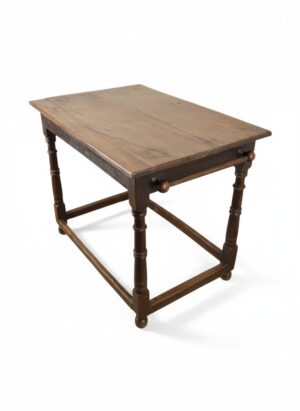
Victorian interiors are the domestic rooms of the period from 1837 to 1901, when growing prosperity, industrial production and a love of comfort transformed the British home. Rooms were typically richly furnished and densely layered, filled with upholstered seating, patterned carpets and wallpapers, heavy curtains, occasional tables, ornaments, pictures and plants.
Each room had its own character and purpose: the dark, formal dining room with mahogany sideboards and extending tables; the lighter drawing room with rosewood or walnut furniture, mirrors and display cabinets; the hall with encaustic tiles, a hall stand and a lantern; and the library or study with leather seating and bookcases. Successive fashions brought Gothic, Rococo and Renaissance revivals, followed later by the more refined Aesthetic and Arts and Crafts interiors, which favoured lighter colours, Japanese influence and simpler furniture. Lighting moved from oil and gas to early electricity. Today, elements of Victorian interiors, from fireplaces to lighting and furniture, remain popular for their character and craftsmanship.