Belgian pottery covers the earthenware, stoneware and porcelain made in Belgium, from early tin-glazed wares to the art pottery and factory production of the nineteenth and twentieth centuries. The country's position between France, the Netherlands and Germany meant its potters absorbed influences from all three.
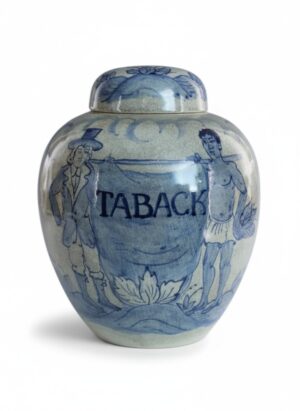
Tin-glazed earthenware was made in Antwerp in the sixteenth century, and potters from the region helped spread the technique to the Netherlands and England. In the later eighteenth and nineteenth centuries, factories at Tournai, Andenne and elsewhere produced porcelain and earthenware. The most famous name is Boch Frères Keramis at La Louvière, which made both everyday wares and outstanding Art Deco vases, especially the crackle-glazed and enamelled designs of Charles Catteau in the 1920s and 1930s. Other firms produced majolica, decorated stoneware and studio pieces, and Belgian ceramics after the Second World War included bold mid-century designs. Collectors look for factory marks, designer signatures, quality of glaze and freedom from chips and crazing. Boch Frères pieces with Catteau designs are particularly admired, and striking vases make strong decorative accents in modern and period rooms alike.