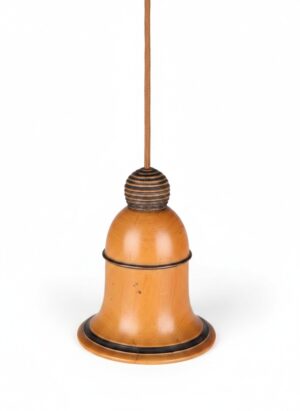
Ceramic decoration is the general term for the many ways in which pottery and porcelain are ornamented, whether by altering the clay itself, by applying colour beneath or above the glaze, or by adding gilding and other finishes. The choice of technique affects the appearance, durability and value of a piece and is a key clue to its origin and date.
Decoration in the clay includes incising, impressing, carving, piercing, sprigging with applied relief ornament, and the use of coloured slips, as seen on English slipware. Underglaze decoration, such as cobalt blue on Chinese and English blue and white, is painted or printed onto the unfired or biscuit body and protected by the glaze. Overglaze enamels are painted onto the fired glaze and fixed in a lower-temperature firing, allowing a much wider palette, as on famille rose porcelain. Transfer printing, developed in England in the eighteenth century, transformed the industry by allowing complex patterns to be reproduced cheaply. Gilding, lustre and coloured grounds add richness. When assessing ceramics, collectors check for wear to enamels and gilding, later overpainting, and redecoration of originally plain pieces, which can significantly affect value.