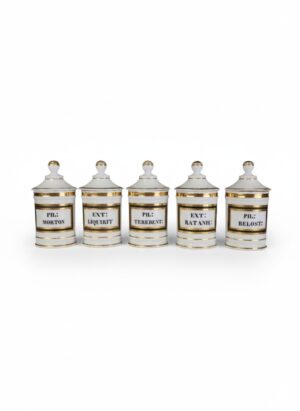
A ceramic factory is a manufacturing works in which pottery or porcelain is produced on an organised commercial scale, with tasks such as preparing clay, throwing or moulding, firing, decorating and glazing divided among specialist workers. The term distinguishes industrial production from the small country pottery and the individual studio potter.
In Europe, porcelain factories were often founded under royal or princely patronage, beginning with Meissen in Saxony in the early eighteenth century and followed by Vienna, Sèvres, Nymphenburg and others. In Britain, factories at Chelsea, Bow, Derby and Worcester made porcelain from the mid-eighteenth century, while Josiah Wedgwood's Etruria works in Staffordshire became a model of industrial organisation, with division of labour, careful quality control and innovative marketing. During the nineteenth century the Potteries around Stoke-on-Trent grew into the world's leading ceramic centre, its skyline dominated by bottle kilns. For collectors, knowledge of individual factories, their marks, pattern numbers and periods of operation is fundamental to identifying and dating ceramics. Factory archives, pattern books and museum collections, such as those in Stoke-on-Trent, are valuable resources for research.