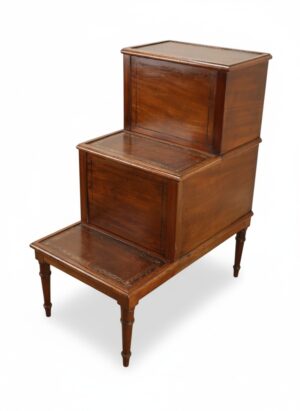
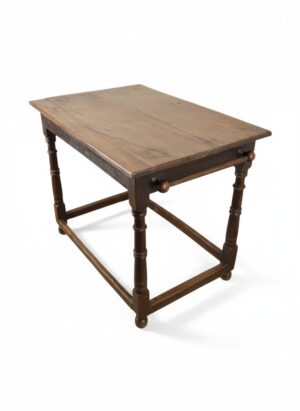
Colonial furniture is a broad term for furniture made in the colonies of European powers, usually following European designs but using local timbers and craftsmen. It includes furniture made in the British colonies in India, Ceylon, the Caribbean, South Africa and Australia, the Dutch colonies of the East Indies and the Cape, and, in American usage, the furniture of the colonial period before independence.
Colonial makers adapted European fashions to local conditions and materials, often producing distinctive and attractive hybrid styles. Anglo-Indian furniture of the eighteenth and nineteenth centuries, made in rosewood, teak, padouk and ebony, frequently combines English Georgian or Regency forms with dense local carving or ivory inlay. Dutch colonial furniture from Java and Ceylon shows similar blending. Practical pieces such as planter's chairs with extended arms and campaign chests suited hot climates and mobile lives. In America, the term covers seventeenth- and eighteenth-century pieces made in New England, Pennsylvania and elsewhere. Collectors value good dense timbers, fine carving, sound construction and original surfaces, while being aware of later copies. Colonial furniture brings warmth and an exotic richness to traditional and relaxed contemporary interiors.