Fortification is the architecture of defence: the walls, towers, ditches, gateways and earthworks built to protect a site from attack. It ranges from Iron Age hill forts and Roman walls to medieval castles and town walls, and later to the angled bastions and artillery forts developed in response to gunpowder.
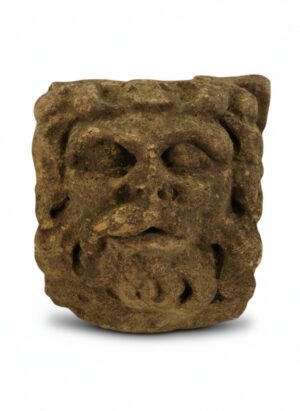
Medieval fortification produced many of the forms still associated with castles today, including curtain walls, crenellated battlements, arrow slits, gatehouses with portcullises, drawbridges and moats. As artillery made high walls vulnerable, military engineers turned to low, thick ramparts and star-shaped bastioned plans, and the private castle gave way to the unfortified country house. Yet the imagery of fortification remained powerful. Tudor houses kept gatehouses and battlements as symbols of status, and from the eighteenth century the Gothic and Castellated Revivals applied turrets and crenellations to houses, follies, lodges and garden walls. The same motifs appear in the decorative arts, on Gothic Revival furniture, clock cases, silver and wallpaper. For collectors and those working with historic buildings, an understanding of fortification helps in reading architectural fragments, salvaged stonework and the many revival designs that borrow from defensive architecture.