Georgian interiors are the domestic interiors of Britain during the reigns of the four Georges, broadly from 1714 to 1830, a period that also includes the Regency. They are characterised by classical proportion, symmetry and restraint, with rooms planned around a central chimneypiece and lit by tall sash windows.
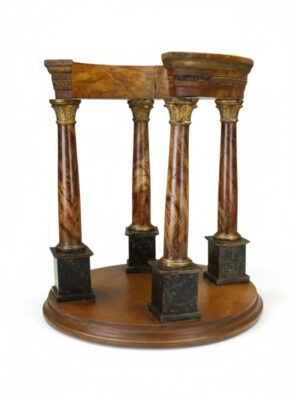
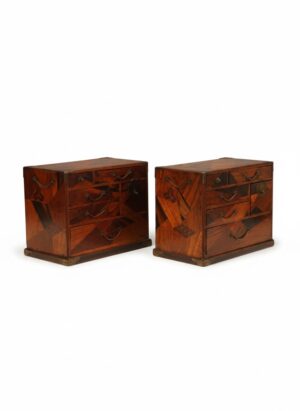
The early Georgian interior was shaped by Palladianism, with heavy cornices, pedimented doorcases and pine or oak panelling painted in stone colours, olive greens or greys. From the 1760s Robert Adam introduced a lighter Neoclassical style, with delicate plaster ceilings, pastel colours, painted roundels and furniture designed in harmony with the room. The Regency period favoured stronger colours, striped wallpapers, draped curtains and Greek, Egyptian and Chinese motifs. Throughout the era, furniture by makers working in the manner of Chippendale, Hepplewhite and Sheraton was arranged around the walls when not in use. Key features to look for in Georgian houses include original shutters, chimneypieces, staircases, cornices and joinery. Today the Georgian interior is admired for its calm and balance, and period furniture, mirrors and lighting can be combined with simple, light-filled decoration to recreate its character.