Georgian style is the architecture and decorative arts of Britain during the reigns of the first four Georges, from 1714 to 1830, a period often subdivided into early Georgian, mid-Georgian and the Regency. It is characterised by classical proportion, symmetry, restraint and fine craftsmanship, and is widely regarded as a high point of British design.
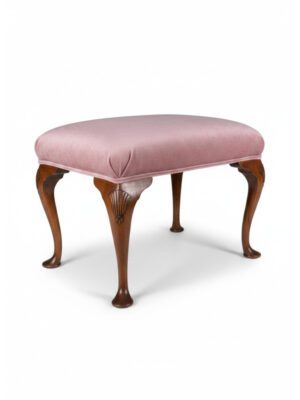
The early Georgian period was dominated by Palladian architecture and by walnut and early mahogany furniture with cabriole legs and carved ornament, influenced by William Kent. The mid-century brought the Rococo, Gothic and Chinese tastes popularised by Thomas Chippendale's Director, published in 1754. From the 1760s Robert Adam introduced a lighter neoclassicism, followed by the elegant furniture designs associated with Hepplewhite and Sheraton, featuring satinwood, inlay and slender tapering legs. The Regency phase favoured Greek, Egyptian and French Empire influences. Georgian houses, with their sash windows, panelled rooms and fine plasterwork, remain much admired. Georgian furniture, silver and glass are prized for their quality and proportion, and the style continues to inspire reproductions and contemporary classical interiors.