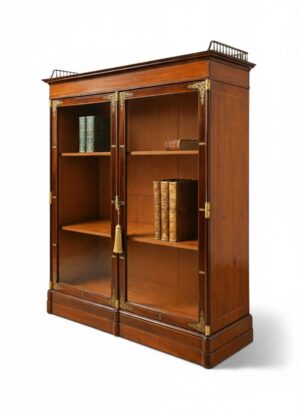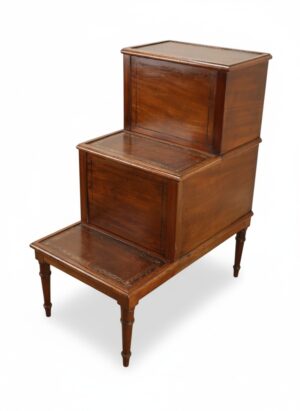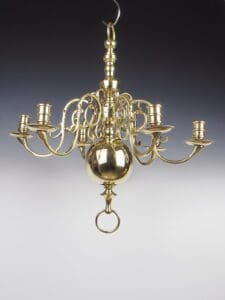
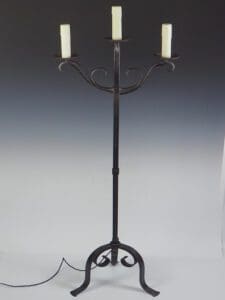












English Regency describes the style of architecture, furniture and decoration fashionable in Britain in the early nineteenth century. Strictly, the Regency was the period from 1811 to 1820, when the future George IV ruled as Prince Regent during the illness of his father, but the term is generally used for the style prevailing from about 1800, or a little earlier, until around 1830 or the accession of Queen Victoria in 1837.
Regency design drew heavily on the ancient world, combining Greek, Roman and Egyptian forms with influences from French Empire taste and, in some interiors, chinoiserie. Its furniture is marked by clean outlines, flat surfaces with contrasting veneers, and classical motifs such as anthemion, palmettes, lion masks and paw feet. Rosewood, mahogany and exotic timbers such as zebrawood were favoured, often with inlaid brass stringing or cut-brass marquetry, gilt bronze mounts and ebonised details. Typical pieces include sofa tables, chiffoniers, sabre-legged chairs, klismos-inspired seating, pedestal and breakfast tables, sarcophagus cellarettes and convex mirrors. Influential publications included Thomas Hope's Household Furniture and Interior Decoration of 1807 and the pattern books of George Smith. Collectors value fine timber, crisp brasswork and well-proportioned, original pieces, and Regency furniture continues to suit both traditional and pared-back contemporary interiors.