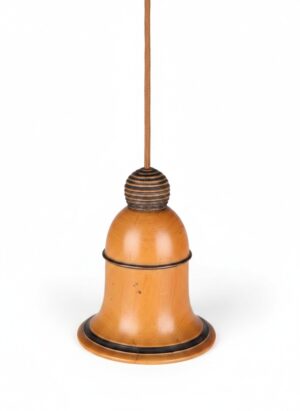
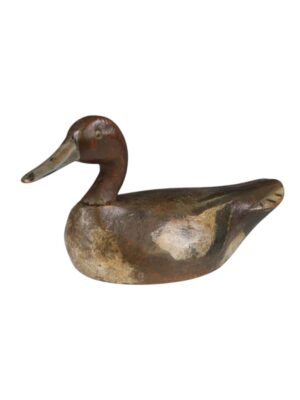
A paperweight is a small, heavy object placed on loose papers to hold them in place, and in collecting circles the term usually refers to decorative glass paperweights. These are solid domes of clear glass enclosing colourful designs, magnified by the curved surface so that the interior appears to float within the glass.
The classic period of glass paperweight making was the mid nineteenth century, roughly between the mid 1840s and 1860, when the French factories of Baccarat, Clichy and Saint-Louis produced exquisite examples featuring millefiori canes, lampwork flowers, fruit, butterflies and snakes. Baccarat sometimes included date canes, and signature canes help to identify makers. English paperweights were made by factories including Bacchus in Birmingham, while bottle glass works in Yorkshire and elsewhere produced green glass dumps with bubbles and flower-like inclusions. Paperweights enjoyed a revival in the twentieth century, with makers in Scotland, such as Paul Ysart, and in America producing fine work. Collectors look for clarity of glass, precise and well-arranged designs, bright colours, and freedom from bruises, chips and scratches, although light wear to the base is acceptable. Weights in marble, bronze and other materials are also found on antique desks.