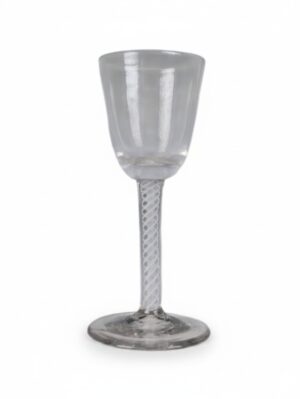
Glassmaking is the process of melting and forming silica, usually sand, with fluxes and stabilisers to create glass, and then shaping it into vessels, windows, mirrors and ornaments. The basic ingredients have changed little over centuries, but the additions of lead, potash, soda or metal oxides determine the clarity, weight and colour of the finished glass.
Glass was first made in the ancient Near East, and the invention of glassblowing in the Roman period transformed its production. Venetian glassmakers developed the clear cristallo in the Renaissance, while forest glass made with potash was produced in Germany and Bohemia. In England, George Ravenscroft developed lead glass in the 1670s, producing a heavy, brilliant material ideal for cutting and engraving, and English lead crystal became internationally admired. The nineteenth century brought pressed glass, made by forcing molten glass into moulds, and improved methods for producing sheet and plate glass. Glassworks were concentrated in areas such as Stourbridge, Newcastle and Bristol, and later in the large factories of Europe and America. For collectors, understanding the history of glassmaking helps in dating pieces through their weight, colour, manufacturing marks and the presence or absence of a pontil mark.