Blown glass is glass shaped by gathering a mass of molten glass on the end of a hollow iron blowpipe and inflating it with the breath, then working it with tools while it is still hot. It may be free-blown, where the shape is formed entirely by the glassmaker's skill, or mould-blown, where the bubble is inflated into a mould to give it a pattern or a consistent form.
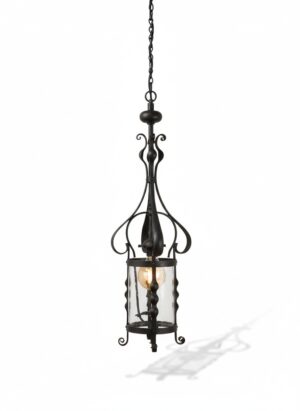
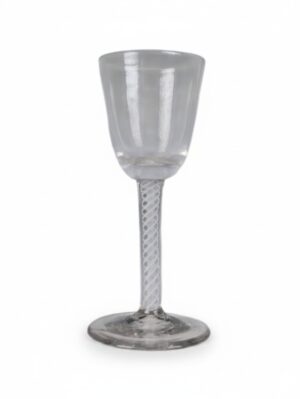
Glassblowing appears to have developed in the eastern Mediterranean in the first century BC and spread rapidly through the Roman world, transforming glass from a luxury into an everyday material. Later traditions include Venetian and façon de Venise glass, English lead glass from the late seventeenth century, Georgian drinking glasses, decanters and rummers, and the coloured and cased wares of the nineteenth century. Hand-blown glass shows tell-tale features such as a pontil mark on the base where the piece was held during finishing, slight asymmetry, small seed bubbles and gentle variations in wall thickness. These irregularities help distinguish genuine early glass from later machine-made pieces, although reproductions can imitate them, so weight, colour, wear to the foot and the quality of the metal should be considered together. It remains a natural choice for lantern globes, shades and decanters.