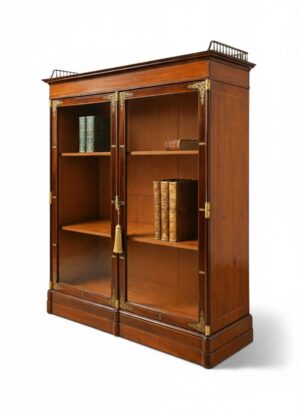
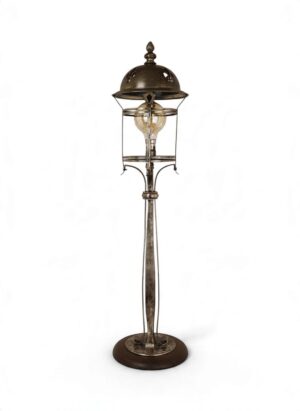
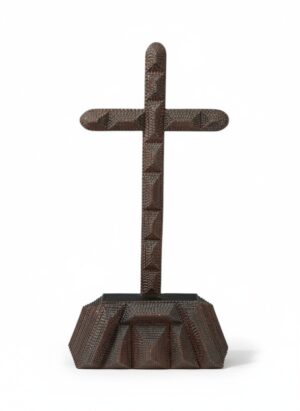
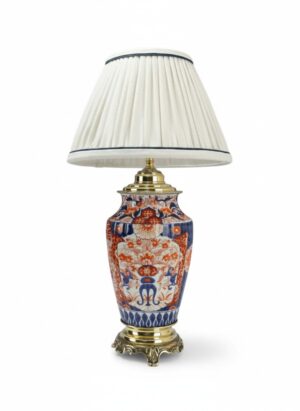
Decorative objects are items valued chiefly for their ornamental qualities rather than for practical use, though many began life as functional pieces. The term covers vases, urns, obelisks, boxes, figures, busts, bronzes, candlesticks, models, shells, globes, mineral specimens and similar small works of art used to furnish and enliven rooms.
Country houses have long displayed such objects on chimneypieces, console tables, cabinets and bookcases. Grand Tour souvenirs brought back from Italy in the eighteenth century, including marble and bronze reductions of classical sculpture, specimen marble obelisks and carved alabaster, are classic examples, while Victorian collectors added curiosities from natural history and travel. In the twentieth century, decorators popularised the art of grouping objects of different materials and periods to create interesting arrangements. When buying, collectors consider age, quality of materials and workmanship, condition and provenance, and also the scale and colour of a piece, since decorative objects work best when they suit the space in which they are shown. Pairs and garnitures are especially useful for symmetrical arrangements. Well-chosen objects give a room personality and a sense of having been assembled gradually over time, which is the essence of the country-house look.