A reading room is a room set aside for reading and study, either within a private house or as part of a library, club, institute or public building. It is typically furnished with tables, comfortable chairs, good lighting and access to books, newspapers and periodicals.
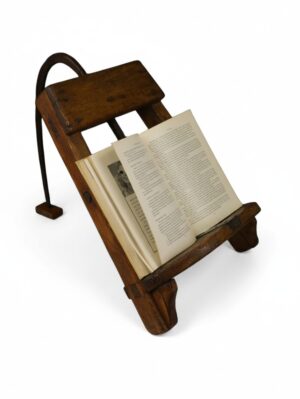
In Britain the reading room became an important feature of public life in the nineteenth century. Subscription libraries, gentlemen's clubs, mechanics' institutes, village reading rooms and public libraries provided spaces for self-improvement and quiet study, and the domed Reading Room of the British Museum, opened in 1857, is the most famous example. In country houses, the library often served the same purpose, with a combination of large library tables, reading stands, leather armchairs and well-placed lamps. The furniture associated with reading rooms, including long oak or mahogany tables, reading slopes, bookcases, newspaper racks and green-shaded desk lamps, is widely collected. Many institutional reading rooms were cleared in the twentieth century, and their fittings now appear on the antiques market. Such furniture is sturdy and practical, and suits studies, libraries and home offices where a calm, scholarly atmosphere is wanted.