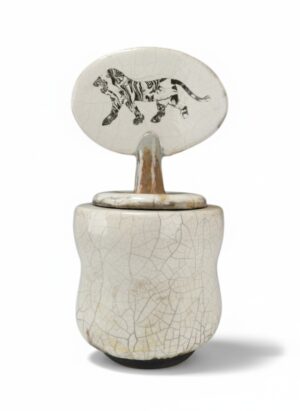
Spanish ceramics is the broad term for the pottery, tiles and porcelain made in Spain over many centuries. The country has a long ceramic tradition shaped by Islamic, Italian and wider European influences, and it produced some of the most admired lustred and tin-glazed wares in Europe.
The best-known historic type is Hispano-Moresque lustreware, made by potters of Moorish descent in centres such as Málaga and later Manises near Valencia, whose large dishes and drug jars shimmer with golden or coppery lustre. Talavera de la Reina became famous for tin-glazed earthenware painted in blue, green, yellow and orange, while Seville and other cities produced vast quantities of azulejos, the decorated tiles used on walls, fountains and staircases. In the eighteenth century the Alcora factory made fine faience, and Charles III established the Buen Retiro porcelain factory in Madrid after leaving Naples, where he had founded Capodimonte. Collectors value early lustre and painted wares, though restoration is common and later copies exist. Spanish tiles and pottery remain popular for adding warmth and colour to kitchens, conservatories and garden rooms.