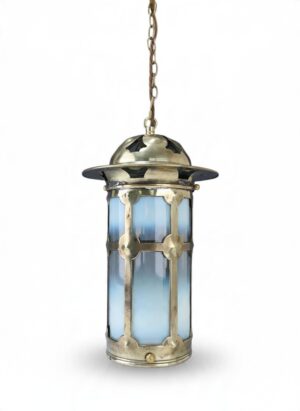
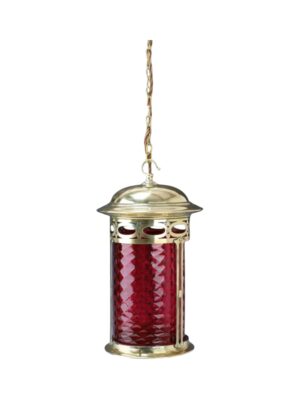
Glass is a hard, brittle and usually transparent material made by melting silica sand with an alkali such as soda or potash and other ingredients, then shaping it while hot by blowing, moulding, pressing or casting. Its uses range from windows and lighting to drinking glasses, decanters, vases, scientific instruments and decorative art.
A major development in English glassmaking was George Ravenscroft's introduction of lead glass in the 1670s, which produced a heavier, more brilliant material ideal for cutting and engraving. Eighteenth-century English drinking glasses are particularly collected for their stems and decoration, while the nineteenth century brought pressed glass, coloured and cased glass, cameo glass and the art glass of makers such as Thomas Webb. On the Continent, Bohemian and Venetian glass and the Art Nouveau work of Gallé and Daum were influential. When collecting, look at weight, colour, the quality of cutting or decoration, signs of wear on the foot rim, and check carefully for chips and cracks.